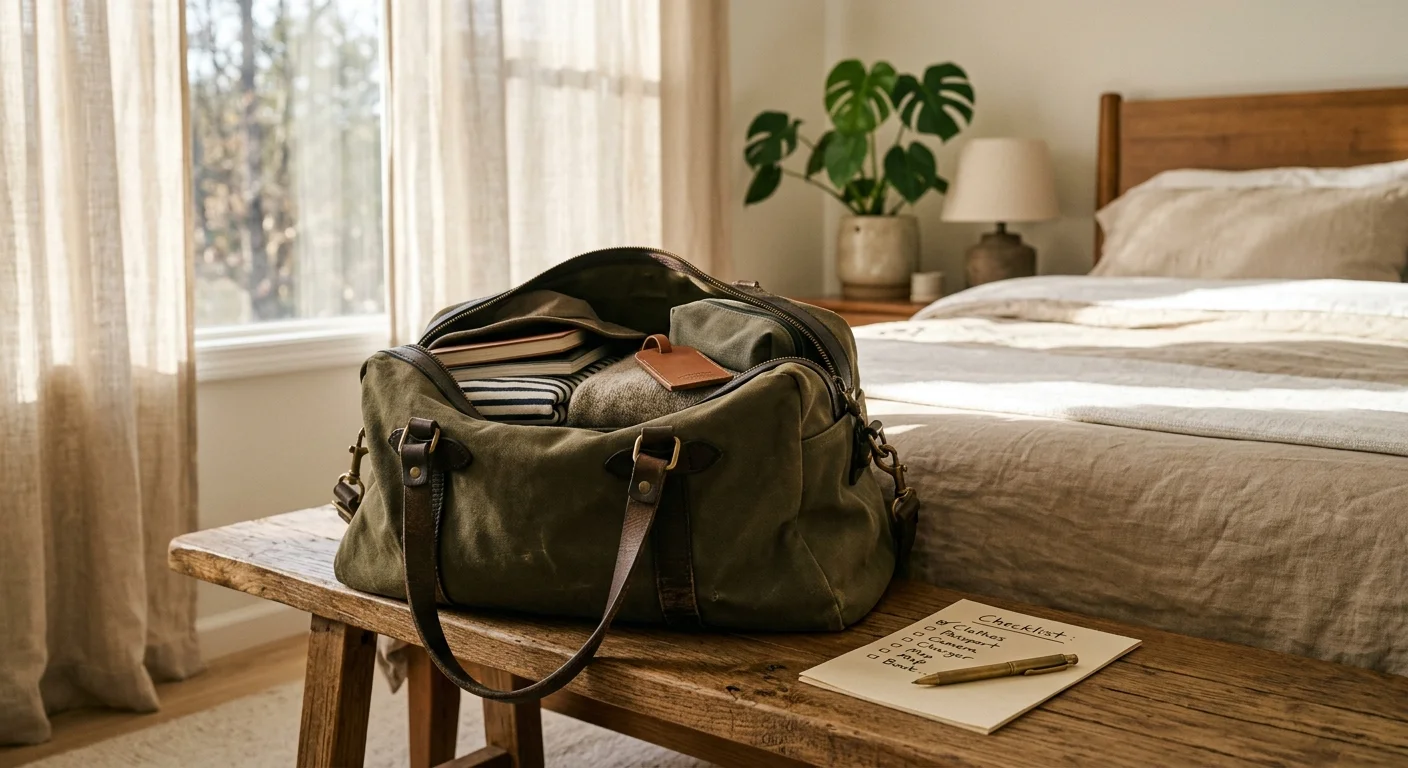
You can prevent costly utility bills, food spoilage, and security risks by tackling a targeted vacation home checklist before you head to the airport. Taking just an hour to secure your property and adjust your appliances saves you from coming home to a leaking water heater or a foul-smelling refrigerator. Leaving for a trip should feel exciting, but walking back into a messy or unsafe house instantly ruins your post-travel glow. Whether you are prepping for a weekend getaway or a month-long excursion, handling your travel preparation now ensures your home stays safe and clean. Follow these twelve exact steps to lock down your house so you can completely relax on your trip.
01 Adjust Your Refrigerator and Discard Perishables
Before you zip your suitcase, thoroughly evaluate your refrigerator. Produce, dairy, and leftovers rapidly rot and emit terrible odors if left unchecked. Eat, freeze, or discard anything that will expire before your return date. Wipe down the shelves with a damp microfiber cloth to remove sticky residues that attract pests. For maximum safety—especially if you live in an area prone to summer storms and power outages—verify your appliance temperatures. The U.S. Food and Drug Administration (FDA) recommends keeping your refrigerator at or below 40 degrees Fahrenheit and your freezer at 0 degrees Fahrenheit to slow bacterial growth.
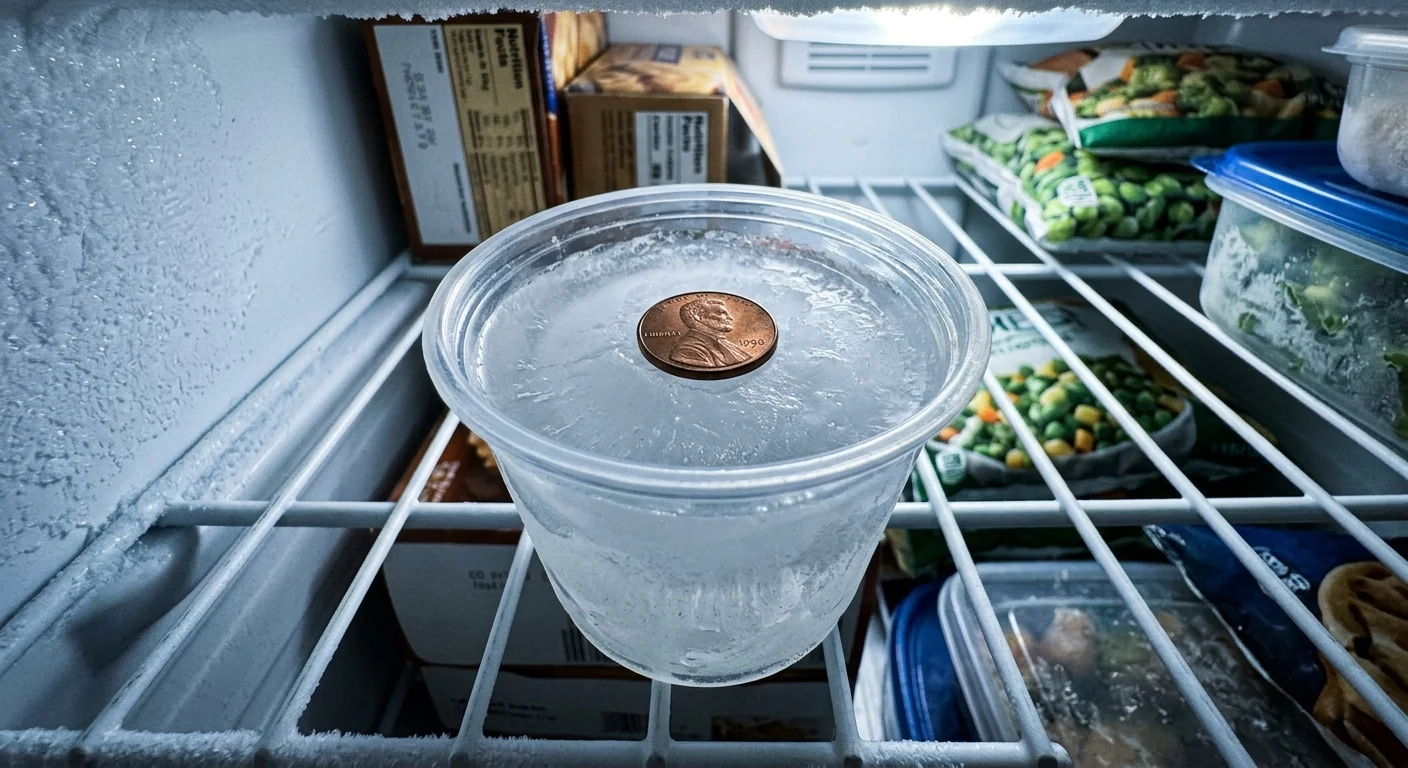
You can also use the classic ice cube trick to monitor potential power outages. Freeze a small cup of water, place a coin on top of the solid ice, and leave it in your freezer. If you return home and the coin has sunk to the bottom of the cup, you know the freezer lost power long enough for the ice to melt completely; this means your remaining food is unsafe to eat and must be thrown away.
02 Activate Vacation Mode on Your Water Heater
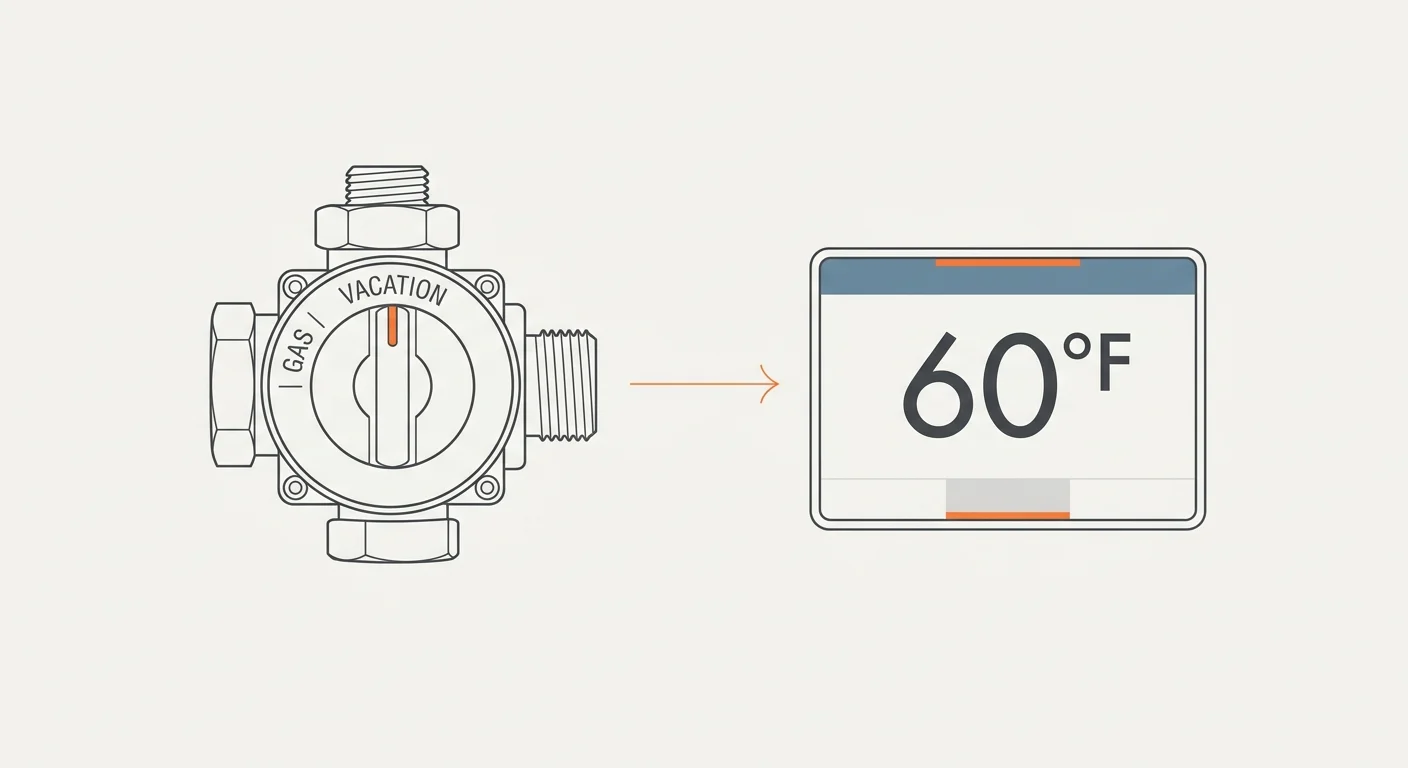
Heating water accounts for a substantial percentage of your monthly utility bill. There is absolutely no reason to maintain 50 gallons of scalding hot water while your house sits empty. If you own a modern unit, locating the control panel and lowering the temperature requires only a few seconds. The U.S. Department of Energy notes that many heat pump and hybrid water heaters feature a dedicated vacation mode. Activating this setting lowers the tank temperature—often down to around 60 degrees Fahrenheit—which drastically reduces standby energy losses while preventing the internal water from freezing during extreme cold snaps.
If you have an older gas water heater, turn the gas valve dial from the standard operating temperature down to the pilot or vacation setting. This keeps the pilot light burning so you do not have to relight it when you get home, but it stops the main burner from continuously firing. Electric water heaters without a digital interface can simply be turned off at the breaker box for trips lasting longer than three days.
03 Halt Your Mail and Package Deliveries
Nothing advertises an empty house faster than a mailbox overflowing with circulars or three days’ worth of packages stacked on the front porch. Burglars actively look for these obvious visual cues when selecting targets. Protect your identity and secure your property by pausing all incoming deliveries. You can easily schedule a USPS Hold Mail request online in less than five minutes. The postal service will securely hold your letters and packages at your local facility for a minimum of 3 days and a maximum of 30 days.
If you receive frequent shipments from private carriers, utilize their respective delivery management portals to reroute packages to a holding facility or delay delivery until your return. Alternatively, ask a reliable neighbor to walk over every afternoon and grab anything dropped at your doorstep. A clean, empty porch maintains the illusion that someone is home and actively managing the property.
04 Shut Off the Main Water Supply to Prevent Flooding
A ruptured washing machine hose or a cracked toilet valve will turn a peaceful vacation into a costly disaster. Water damage spreads rapidly, destroying flooring, drywall, and personal belongings within hours. The Environmental Protection Agency (EPA) reports that an average household’s water leaks can account for nearly 10,000 gallons of wasted water annually; even a minor unmonitored drip can escalate into a catastrophic flood while you are away.
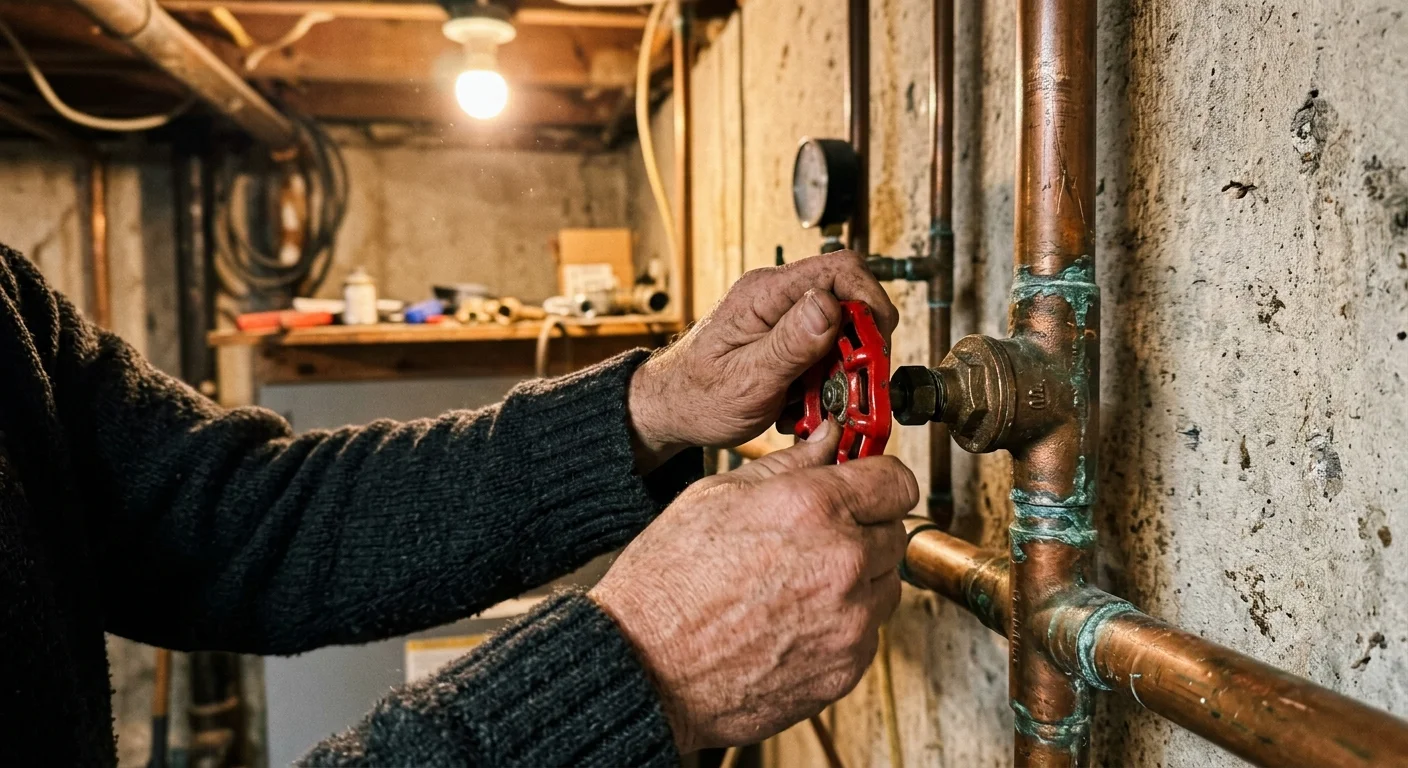
Locate your home’s main water shut-off valve—usually found in the basement, garage, or exterior utility wall—and turn it to the closed position. Once the main valve is off, turn on a sink faucet on the lowest level of your house to drain the residual pressure from the pipes. If you have an automatic sprinkler system or a water-dependent appliance like a humidifier that must continue running, you cannot shut off the main valve. Instead, turn off the individual supply valves located behind your washing machine, toilets, and dishwasher.
10: the
11: eco
12: friendly
13: leaf
14: setting.
Total: 14 words.
Is it exactly one sentence? Yes.
Does it end with a period?
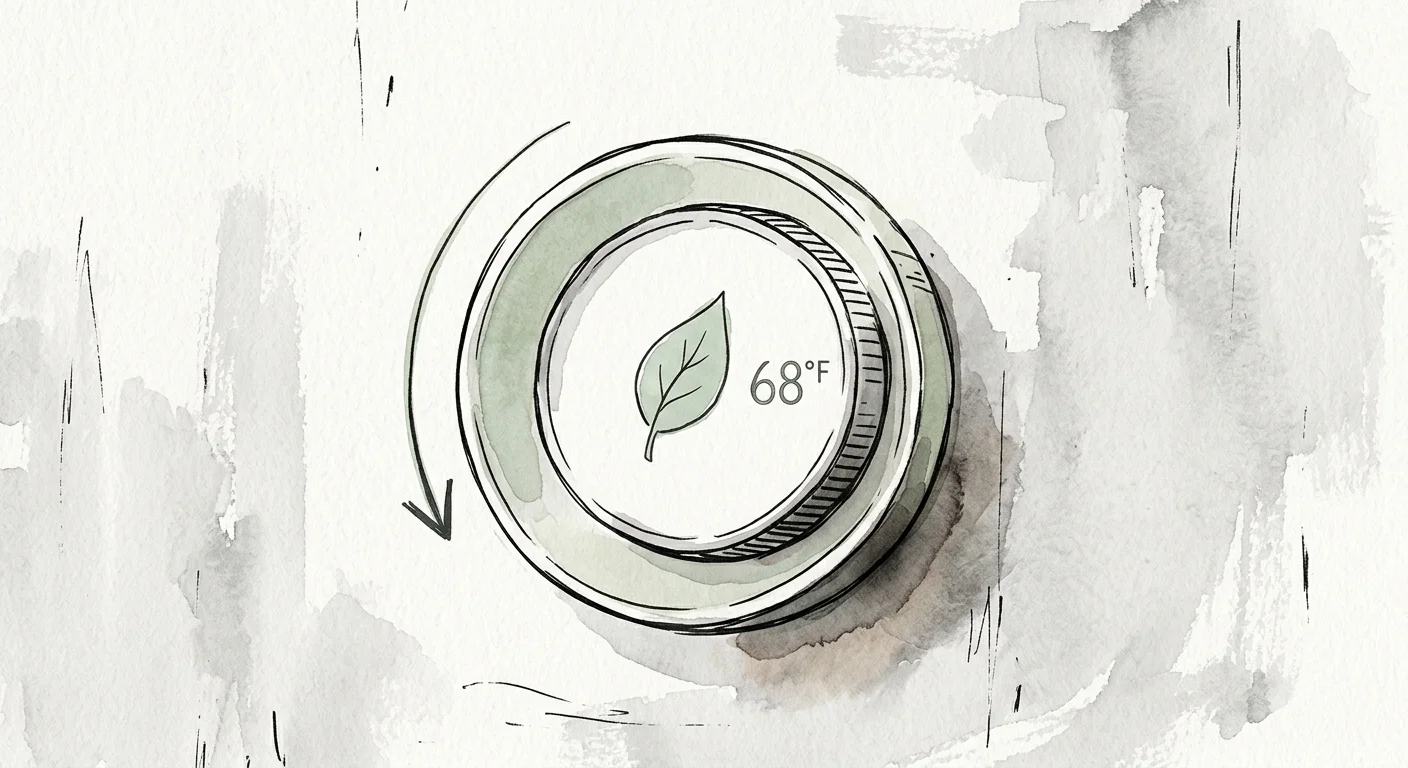
05 Reprogram Your Thermostat for Energy Efficiency
Paying to aggressively heat or cool an empty living space drains your wallet. However, you should never turn your HVAC system completely off. Extreme temperature fluctuations damage wood furniture, warp hardwood floors, and cause pipes to burst in the winter. Instead, adjust your thermostat to maintain a safe but economical baseline temperature.
During the summer months, set your air conditioning to 80 or 85 degrees Fahrenheit. This keeps the interior humidity in check and prevents mold growth without forcing the compressor to run constantly. In the winter, drop the heat to 55 degrees Fahrenheit. This provides enough ambient warmth to keep your pipes safely above the freezing point. If you have a smart thermostat, you can schedule these temperature shifts in advance and use your smartphone to return the house to a comfortable climate just hours before your flight lands.
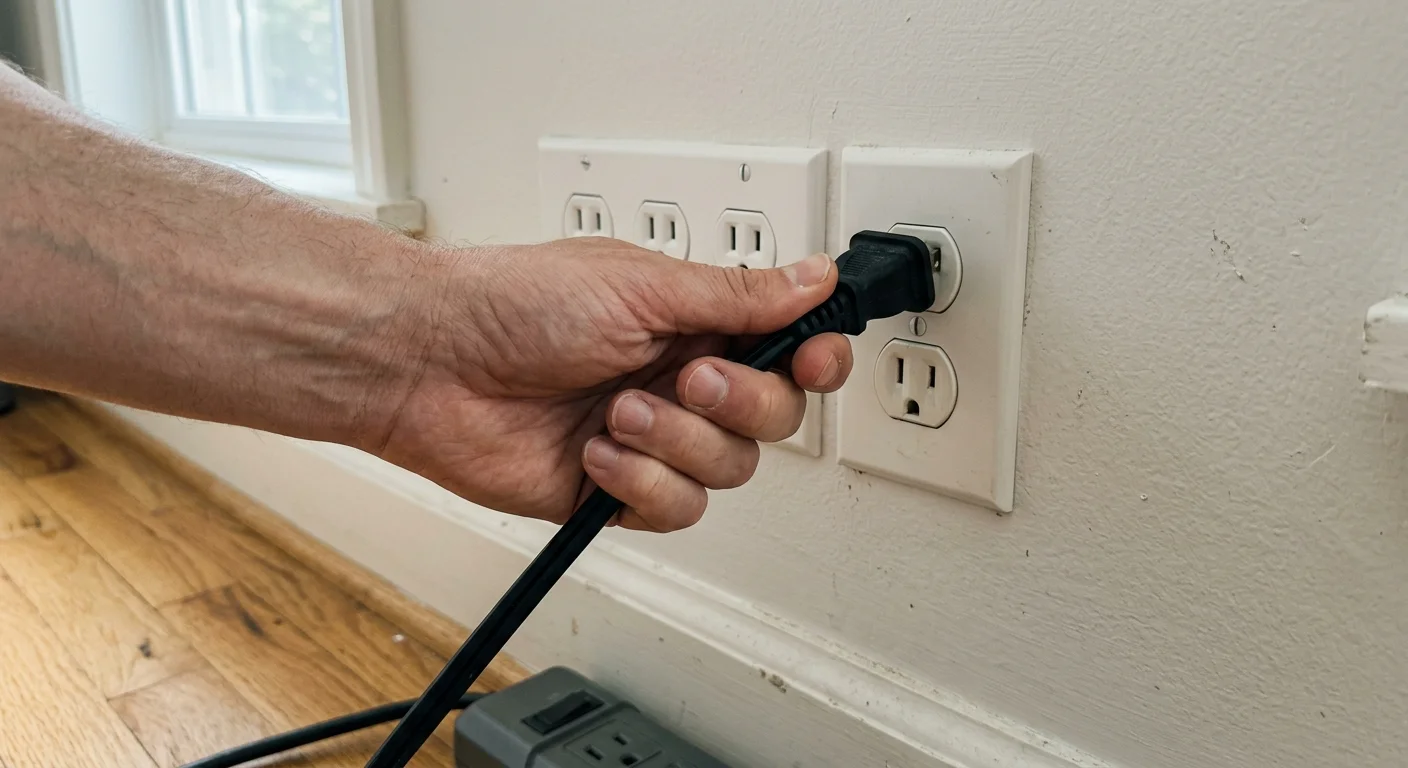
06 Unplug Electronics to Stop Phantom Power Drain
Many televisions, computers, gaming consoles, and small kitchen appliances continuously draw electricity even when powered down. This phenomenon, known as phantom power or vampire draw, accounts for up to ten percent of your monthly electrical bill. Pulling the plug on these devices saves money and eliminates the risk of an electrical fire caused by unexpected power surges during severe weather.
Walk through each room and disconnect coffee makers, toasters, chargers, standing lamps, and entertainment systems. You do not need to unplug heavy appliances like your refrigerator or oven, but smaller electronics should be completely severed from the wall outlets. If your entertainment center uses a high-quality surge protector, you can simply flip the switch on the power strip to cut off the current to multiple devices simultaneously.
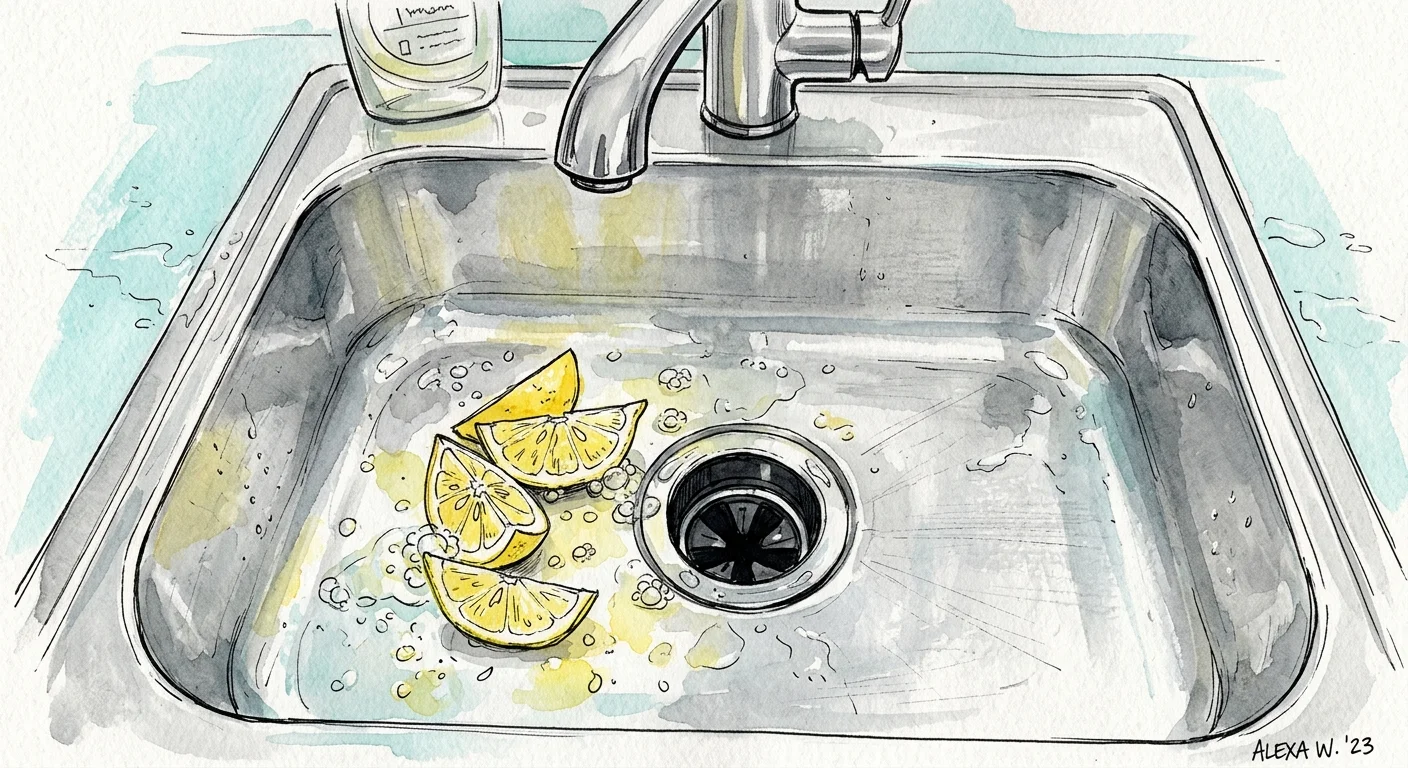
07 Empty All Trash Cans and Clean the Garbage Disposal
Leaving organic waste in your home for an extended period guarantees a terrible welcome upon your return. A single discarded apple core or food wrapper will decompose, breed fruit flies, and emit a stench that permeates your kitchen fabrics. Empty every trash can in the house, including the tiny bins in the bathrooms and the home office.
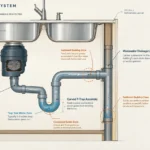
Once the physical trash is outside in the main collection bins, focus on your kitchen sink. The garbage disposal traps food particles and grease, which rapidly decay when water stops flowing through the system. Pour half a cup of baking soda down the drain, followed by a cup of white vinegar. Let the mixture fizz for ten minutes to neutralize odors and break down grime; then, flush the disposal with hot water while running the motor for ten seconds to clear the blades.
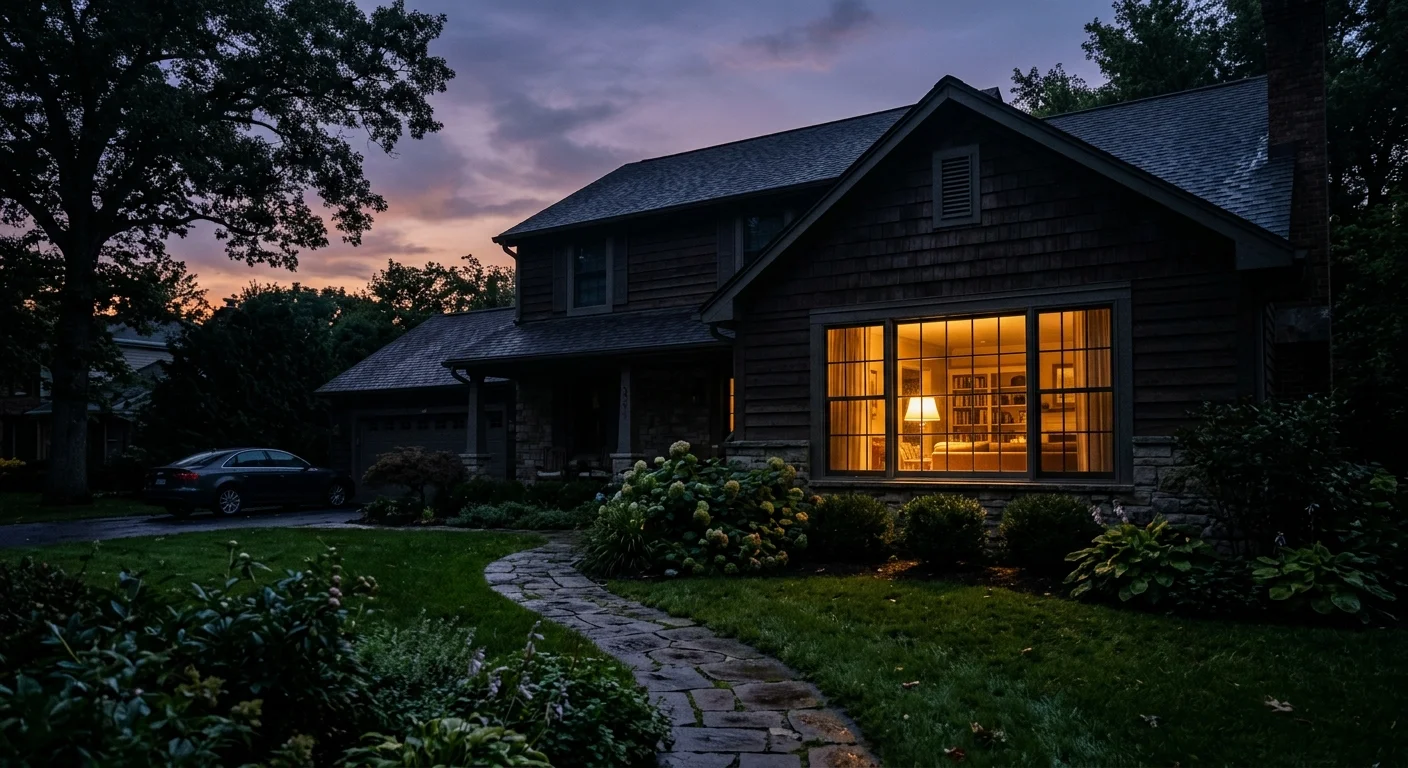
08 Set Up Timed Lighting to Deter Burglars
A dark house remaining completely unlit for a week is a primary indicator of an empty property. Effective home security relies on creating a convincing illusion of normal daily activity. Smart bulbs and traditional mechanical outlet timers are inexpensive tools that keep your home looking occupied while you travel.
Place timers on at least two lamps in highly visible areas, such as the living room and a front-facing bedroom. Program the lights to turn on at dusk and switch off around your normal bedtime. If you own smart home devices, create randomized schedules so the lights do not activate at the exact same minute every night. You can also connect a radio or a television to a timer, setting it to play talk radio or news programs during the afternoon to generate muffled voices and flickering light.
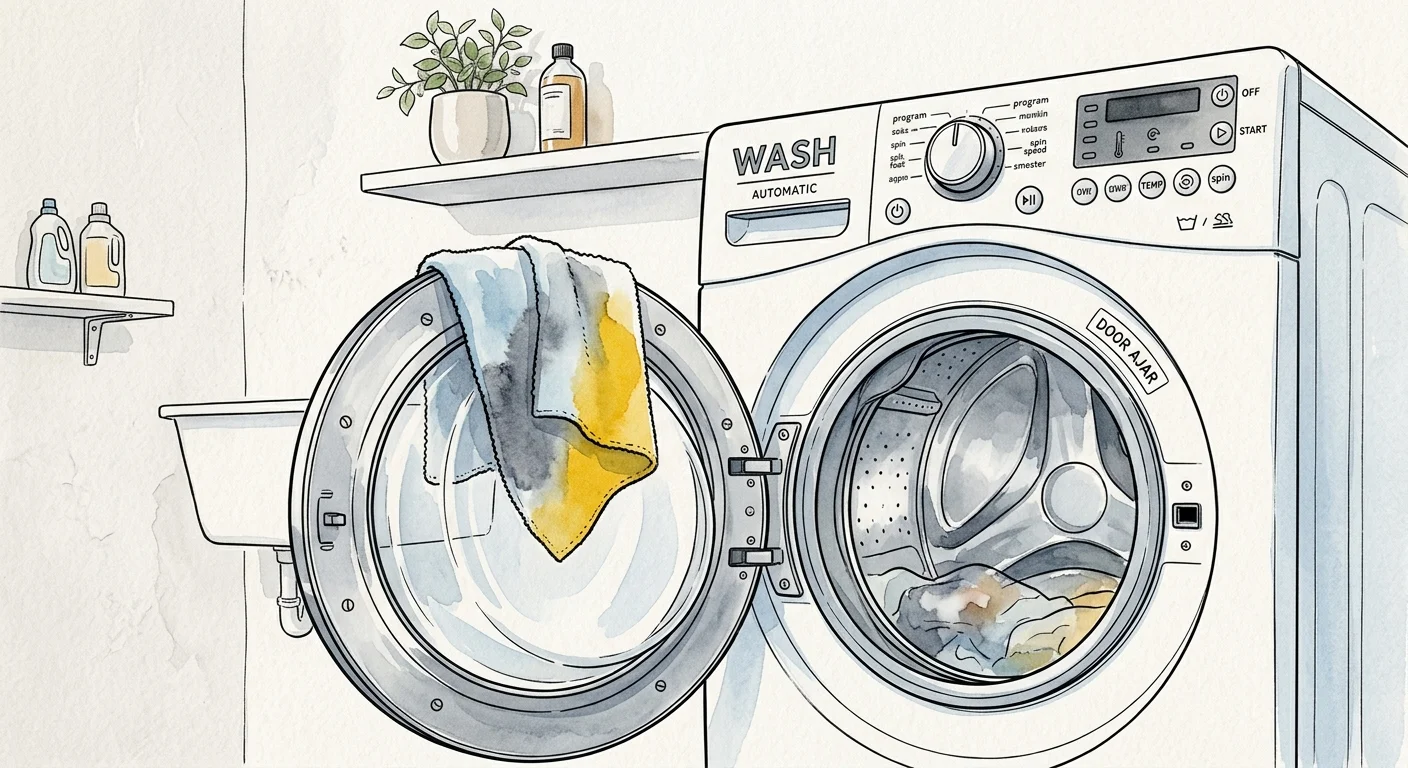
09 Run the Dishwasher and Prop Open the Washing Machine
Standing water breeds mold, mildew, and foul odors in a matter of days. Before you leave, run your dishwasher through a complete cleaning and drying cycle, and empty the clean dishes into the cabinets. A damp, closed dishwasher harboring dirty plates will quickly become a biological hazard while you are on vacation.
Similarly, your washing machine needs proper ventilation before you lock up the house. Transfer any wet clothes to the dryer. Wipe down the rubber gasket around the door of your front-loading washing machine to remove excess moisture and lint. Leave the washing machine door propped open by a few inches to allow air circulation. This simple habit prevents the musty, stagnant water smell that plagues tightly sealed laundry appliances.
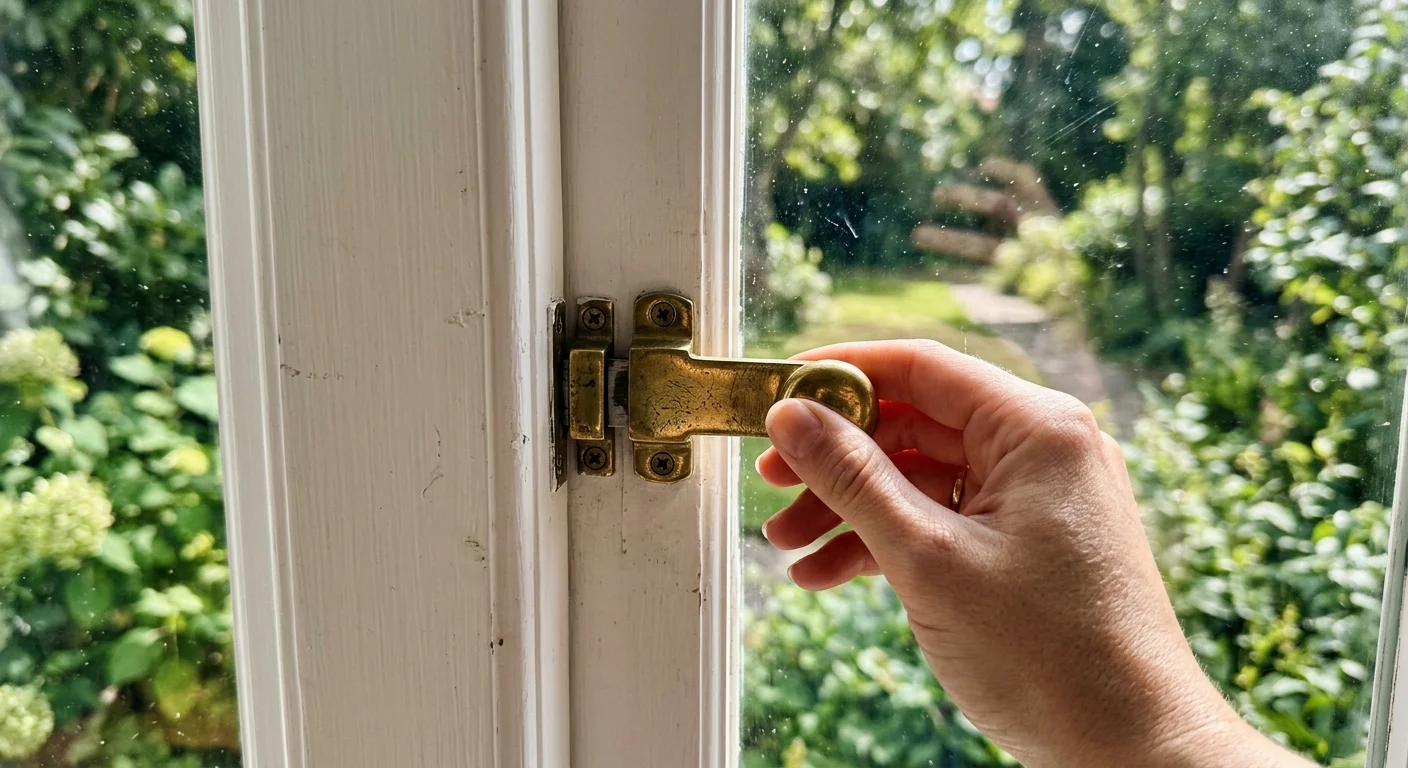
10 Secure All Windows, Doors, and Pet Entrances
It sounds obvious, but the chaotic rush to pack bags and load the car often causes homeowners to overlook basic physical security. Perform a methodical, room-by-room lockdown. Check every window to ensure it is fully closed and locked. Ground-floor windows and sliding glass doors are particularly vulnerable; place a wooden dowel or a security bar in the track of sliding doors to prevent them from being forced open.
If you have an electronic dog door or a cat flap, engage the manual physical lock to prevent wild animals or unauthorized individuals from entering. Double-check the door leading from your garage into your house, as this access point is frequently left unlocked by mistake. Finally, verify that your garage door is fully closed, and consider unplugging the automatic garage door opener to prevent thieves from using universal remotes to gain entry.
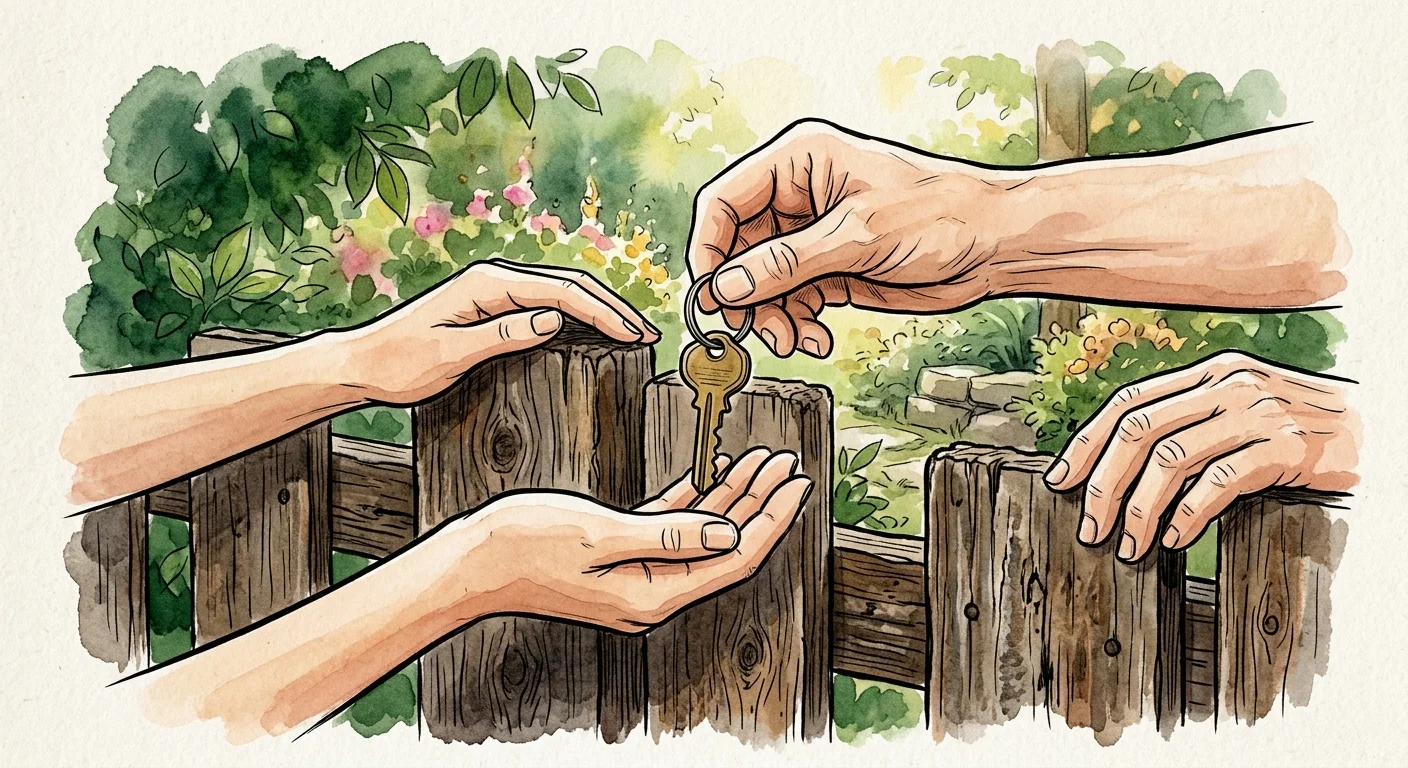
11 Notify a Trusted Neighbor or Family Member
Technology provides excellent remote monitoring, but nothing replaces the reliability of a physical emergency contact. Select a trusted neighbor, a nearby friend, or a family member and inform them of your exact travel dates. Provide them with a spare key and the code to your security alarm in case they need to grant access to a plumber or a police officer.
Ask them to perform a visual check of your property every few days. They should pick up any errant flyers shoved into your front door, move your trash cans away from the curb after collection day, and look for obvious issues like a broken window or a storm-damaged roof. Share your itinerary and a reliable phone number where you can be reached if a crisis occurs, ensuring someone local has the authority to act on your behalf.
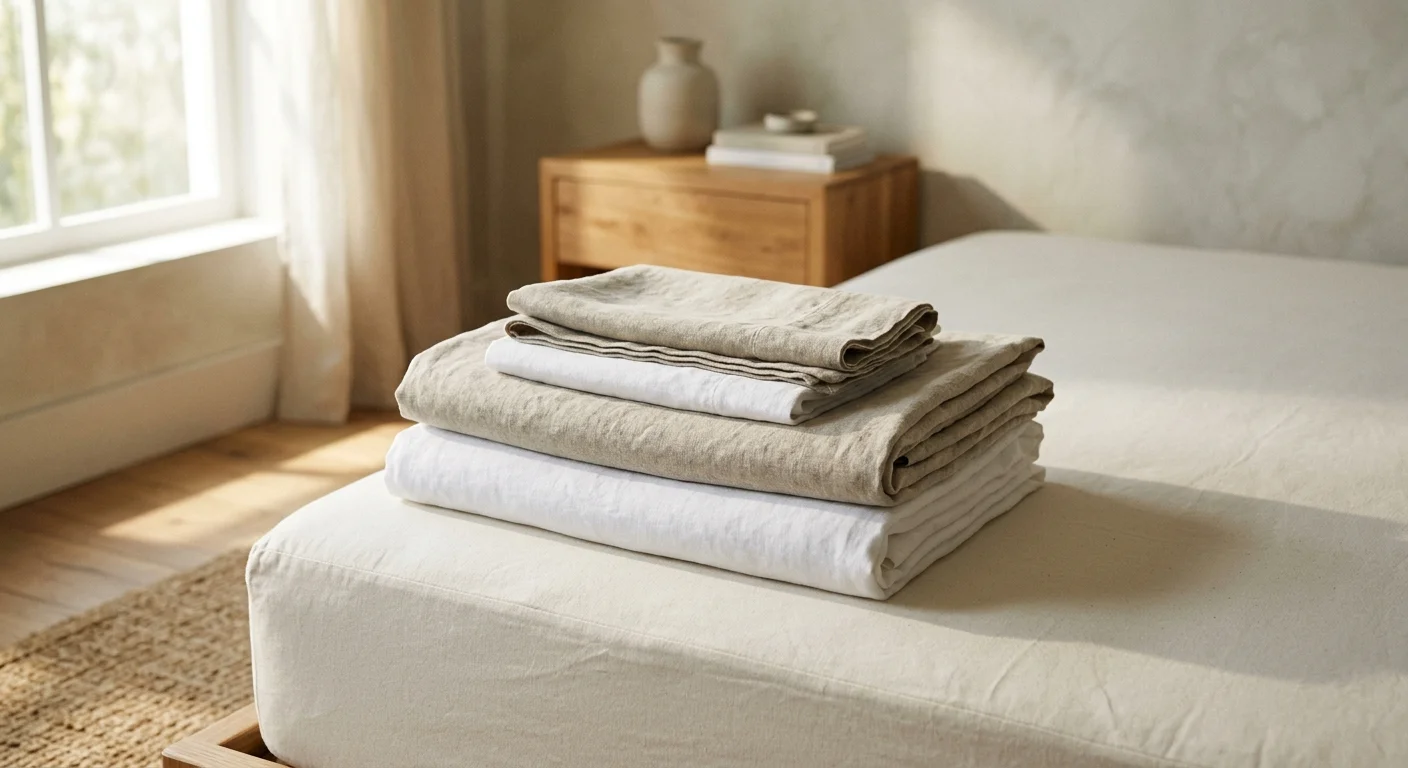
12 Strip the Beds and Prep Clean Sheets for Your Return
Travel exhaustion is incredibly real. After navigating crowded airports, enduring long flights, and hauling heavy luggage, your only desire will be to sleep. Returning to an unmade bed or stale sheets forces you to do household chores when you are most fatigued. Do your future self a massive favor by prepping your bedroom before you depart.
Strip the bed of used linens and run them through the laundry. Remake the bed with fresh, crisp sheets, fluff the pillows, and pull the comforter up. Leave a set of clean towels folded on the bathroom counter and ensure you have basic toiletries stocked. This small act of hospitality for yourself transforms your return into a welcoming, hotel-like experience rather than a stressful transition back to your daily routine.
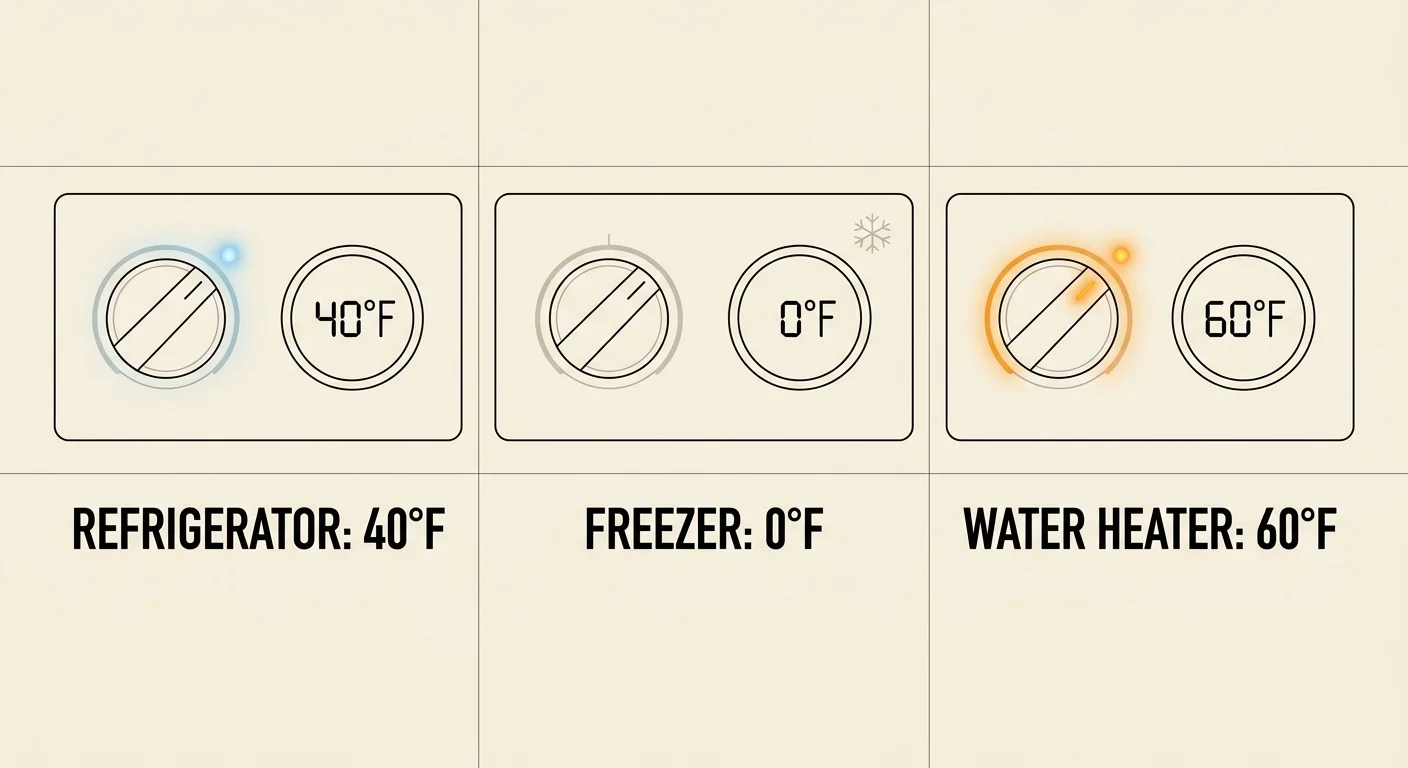
Appliance Settings for Travel Preparation
Use this quick reference guide to adjust your home’s systems for maximum safety and energy savings while you are away.
| Appliance / System | Recommended Vacation Setting | Primary Benefit |
|---|---|---|
| Refrigerator | 40°F (Fridge) / 0°F (Freezer) | Prevents foodborne illness and minimizes bacterial growth. |
| Water Heater | Vacation Mode (approx. 60°F) or OFF | Saves energy while preventing internal freezing. |
| Summer HVAC | 80°F – 85°F | Controls humidity and prevents mold without wasting electricity. |
| Winter HVAC | 50°F – 55°F | Keeps interior pipes safely above the freezing point. |
| Main Water Valve | Fully Closed (Off) | Eliminates the risk of catastrophic indoor flooding. |
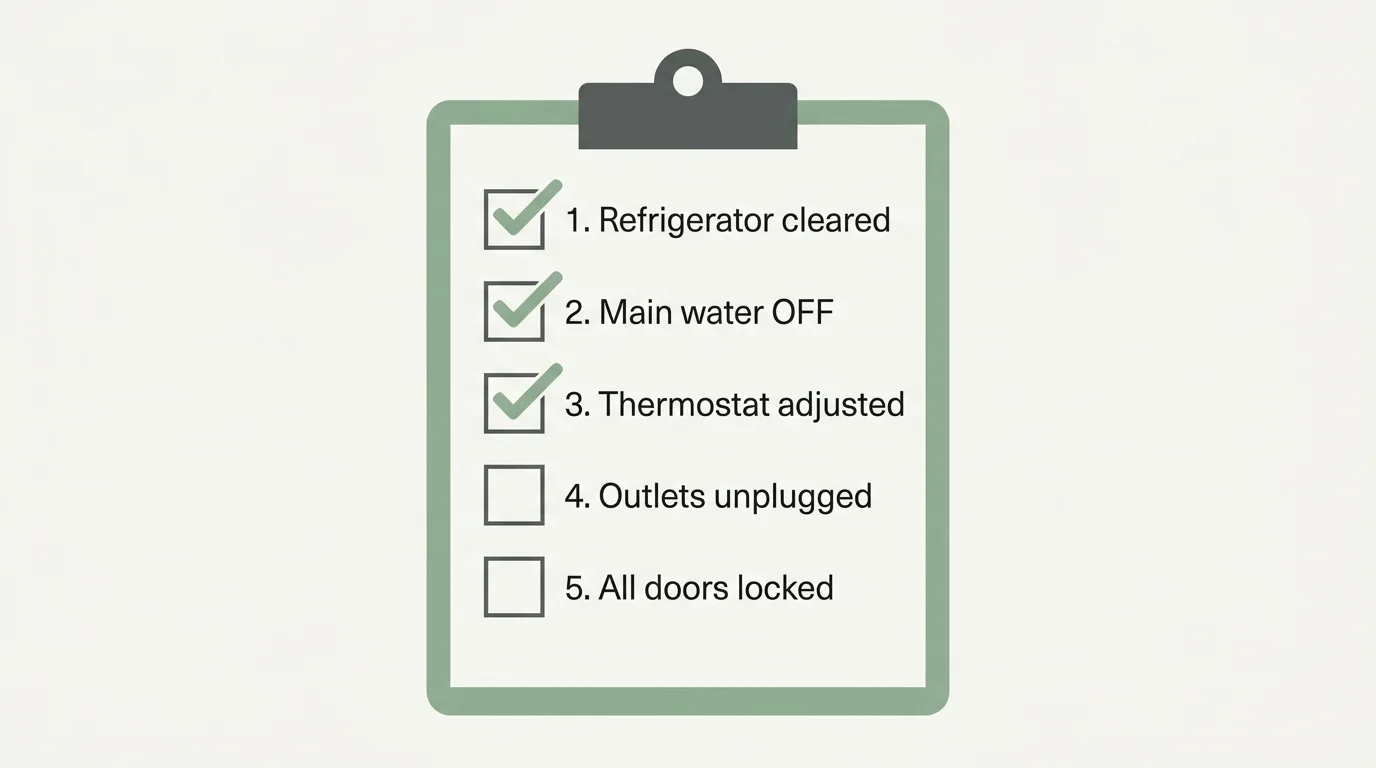
Your 15-Minute Final Walkthrough Checklist
Keep this house checklist handy for the morning of your departure. Complete these final actions right before you walk out the front door:
- Check the stove and oven: Ensure all burners are completely off and nothing is left inside the oven cavity.
- Lock all entry points: Physically test the handle on the front door, back door, and garage access door.
- Scan for running water: Listen closely in the kitchen and bathrooms for the sound of a running toilet or a dripping faucet.
- Empty the final trash: Grab any last-minute tissues, food wrappers, or coffee grounds and take them out to the exterior bins.
- Arm the security system: Turn on your home alarm, activate your exterior motion cameras, and double-check that your smart locks are engaged.
Practical Next Step: Open your smartphone calendar right now and set a reminder for three days before your trip. Title it “Start Vacation Home Checklist.” Use that alert as your cue to begin cleaning out the refrigerator, packing away perishables, and submitting your mail hold request before the pre-travel rush begins.