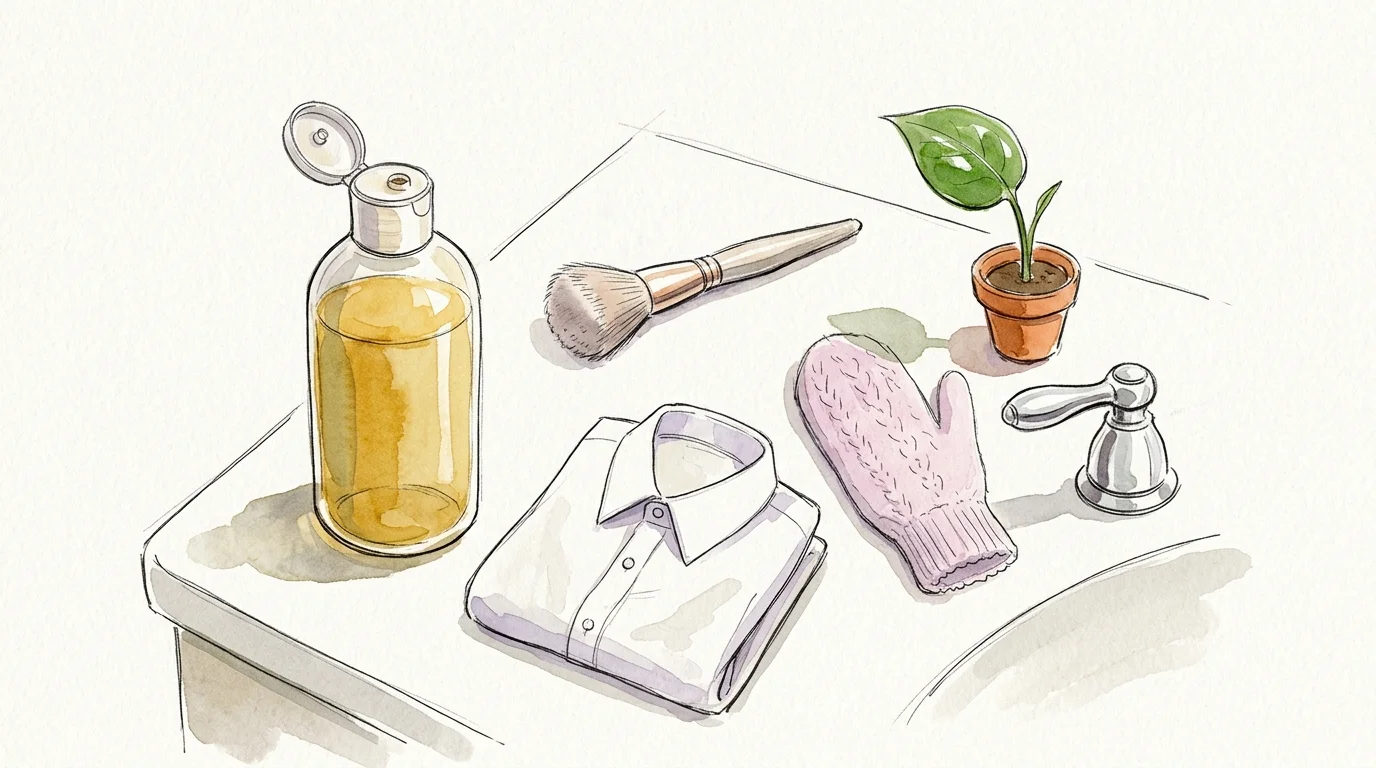
Grab your least favorite bottle of shampoo out of the shower because it is the ultimate secret weapon for household cleaning. Formulated to safely break down stubborn body oils, skin cells, and waxy product buildup, shampoo works as an ultra-gentle surfactant for surfaces where traditional cleaners are too harsh. Professional cleaners keep inexpensive, clear shampoo in their caddies to tackle greasy stains, delicate fabrics, and grime-covered tools without causing damage. Whether you are dealing with a stained shirt collar, a dusty houseplant, or a cloudy bathroom faucet, that extra bottle of shampoo will save you time and money. You do not need an arsenal of expensive specialty cleaners when a simple shower staple handles the job beautifully.
01 Makeup Brushes and Blending Sponges
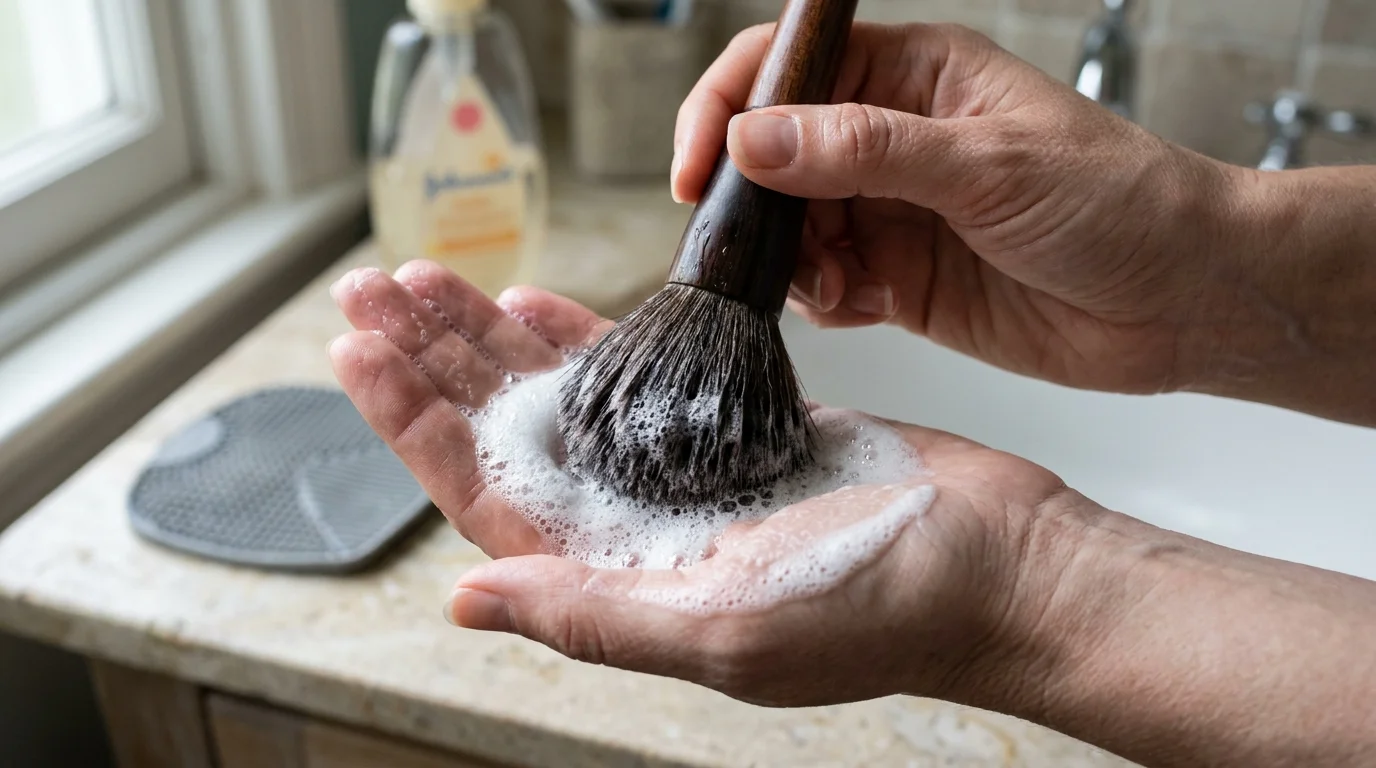
Your makeup tools act as a magnet for facial oils, liquid foundations, contour creams, and dead skin cells. Over time, this dense mixture creates the perfect breeding ground for bacteria, leading to clogged pores and stubborn breakouts. While beauty retailers push expensive, specialized brush cleansers, you already have a highly effective alternative sitting in your bathroom. Dermatologists frequently recommend baby shampoo as the safest, most effective way to clean these daily tools.
Because baby shampoo is designed for highly sensitive skin and fine hair, it cleanses without stripping the natural oils from expensive animal-hair bristles. It is equally effective on synthetic brushes and blending sponges, lifting heavy cosmetics and leaving no irritating chemical residue behind that might later transfer to your face. Standard dish soaps, on the other hand, can be far too aggressive; they often dry out natural bristles, causing them to snap and shed over time.
Follow these steps to restore your brushes to their original condition:
- Rinse the bristles under lukewarm running water. Keep the brush pointed downward so water does not seep into the ferrule—the metal band holding the bristles together—which can dissolve the glue.
- Dispense a dime-sized drop of baby shampoo into the palm of your hand or onto a textured silicone cleaning mat.
- Gently swirl the wet bristles into the shampoo, working up a light lather to break down the trapped makeup.
- Rinse the brush thoroughly until the water runs completely clear.
- Squeeze out the excess water gently with a clean towel, reshape the bristles, and lay the brush flat on the edge of a counter to air dry.
Make this a weekly habit to protect your skin and extend the lifespan of your makeup tools. For guidance on establishing a safe routine for your skin, the American Academy of Dermatology Association provides excellent guidelines on hygiene frequency.
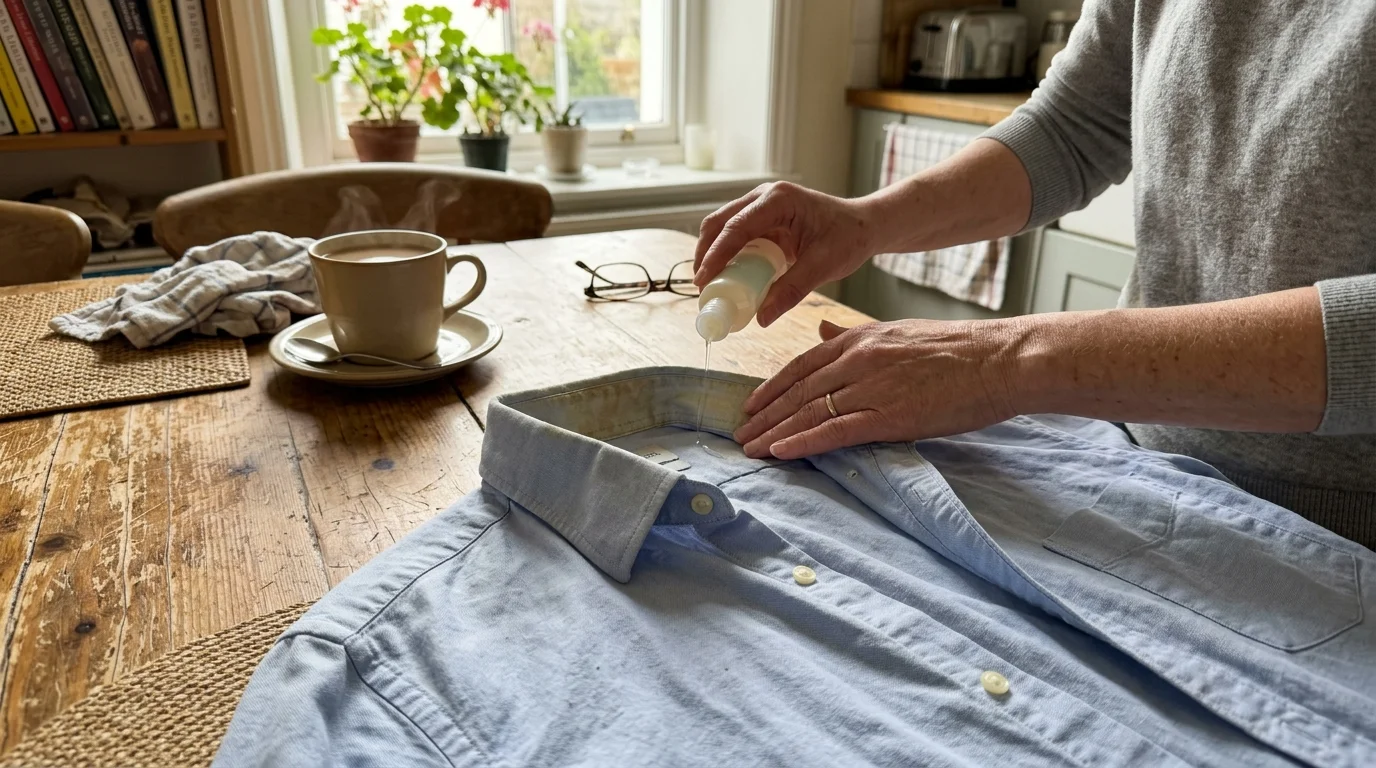
02 Ring Around the Collar and Cuff Stains
Dress shirts frequently develop a stubborn, yellowing ring around the collar and the inside of the cuffs. Many people mistakenly believe this is purely a sweat stain and try to bleach it away. In reality, the yellow ring is an accumulation of sebum—your body’s natural oil—mixing with sweat and environmental dust. Traditional laundry detergents are formulated to tackle food proteins and dirt, but they sometimes struggle to penetrate heavy, concentrated body oils.
Since shampoo is specifically engineered to lift sebum from your scalp, it serves as the ultimate pre-treatment for these exact stains on fabric. It acts as a targeted degreaser, breaking down the lipid bonds before the shirt even hits the washing machine.
To rescue your stained shirts, use this pre-treatment method:
- Lay the unbuttoned shirt flat on a clean surface so you can easily access the collar and cuffs.
- Apply a thin line of inexpensive, clear shampoo directly onto the stained areas. Avoid colored or heavily dyed shampoos to prevent accidental color transfer on light fabrics.
- Use an old, soft-bristled toothbrush to gently agitate the shampoo into the fabric. Do not scrub aggressively; you want to massage the soap into the weave without fraying the cotton fibers.
- Allow the shampoo to sit on the stain for 10 to 15 minutes, giving the surfactants time to dissolve the oils.
- Toss the pre-treated garment into the washing machine and launder it on your usual cycle.
Always check the collar before transferring the shirt to the dryer. If a faint shadow remains, repeat the process. The high heat of a tumble dryer will permanently set any lingering oil.
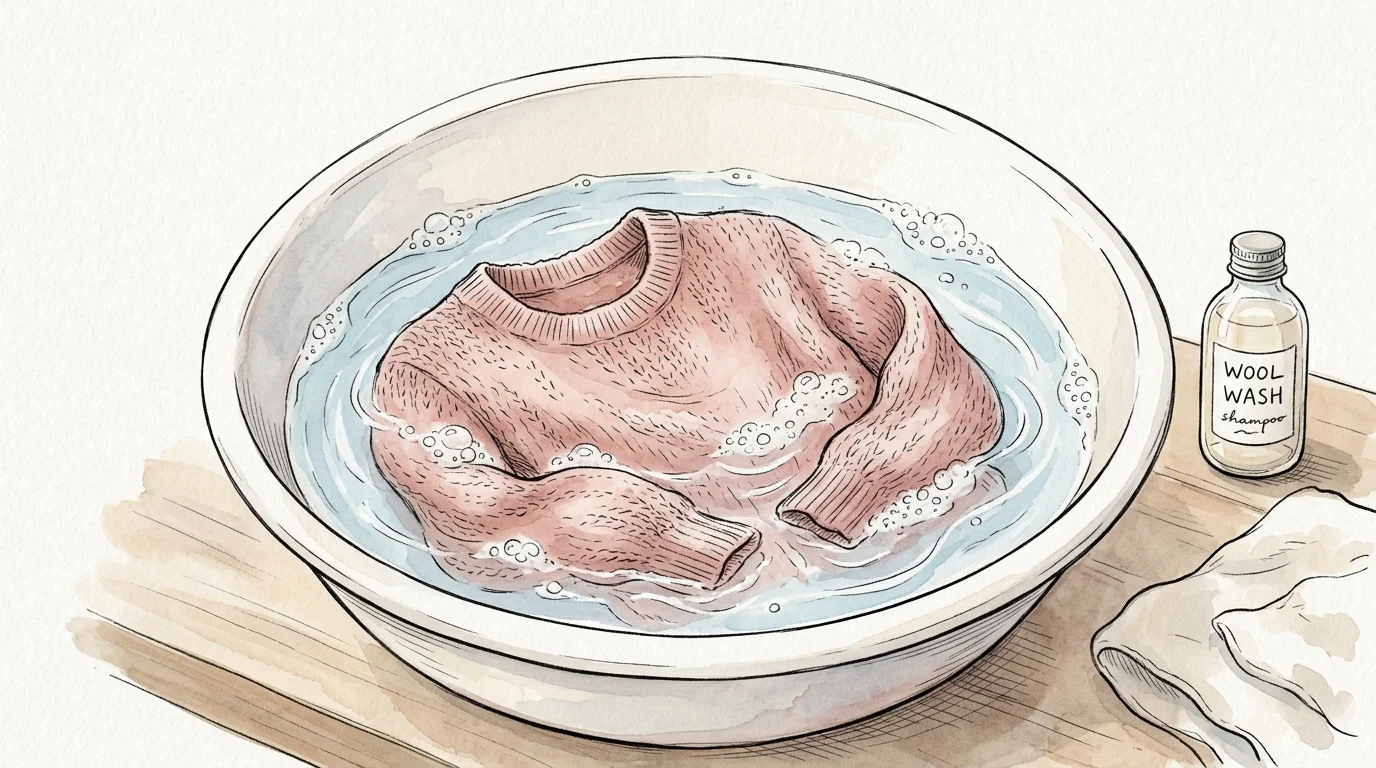
03 Delicate Fabrics Like Wool, Cashmere, and Silk
Hand-washing your delicate sweaters and silk blouses at home saves a fortune on dry cleaning bills, but using the wrong detergent can ruin these investment pieces. Heavy-duty laundry detergents contain harsh protease enzymes designed to break down protein stains like egg, dairy, and blood. Unfortunately, wool, cashmere, and silk are natural protein fibers. Regular detergent cannot differentiate between the protein in a food stain and the protein in your favorite cashmere sweater, leading to structural damage, stiffness, and tiny holes over time.
Mild shampoo acts as a gentle, enzyme-free alternative. Because human hair is also a protein fiber, shampoo cleanses without degrading the material’s integrity. It washes away dirt and odors while keeping delicate threads soft and supple. For comprehensive advice on handling different textiles, consult the American Cleaning Institute.
Here is how to safely hand-wash your delicates using shampoo:
- Fill a clean sink or basin with cool water. Hot water causes natural fibers to shrink and warp.
- Stir in one tablespoon of mild, transparent shampoo. Avoid 2-in-1 conditioning shampoos, as the heavy moisturizers will leave a filmy residue on the fabric.
- Submerge the garment and swish it gently through the soapy water for a few minutes. Avoid wringing, twisting, or pulling the fabric.
- Drain the sink and refill it with clean, cool water to rinse the garment. Press the suds out gently against the side of the basin.
- Lay the wet garment flat on a clean, dry bath towel. Roll the towel up like a sleeping bag and press firmly to extract the excess moisture.
- Unroll the towel and lay the garment flat on a drying rack, reshaping it to its original dimensions.
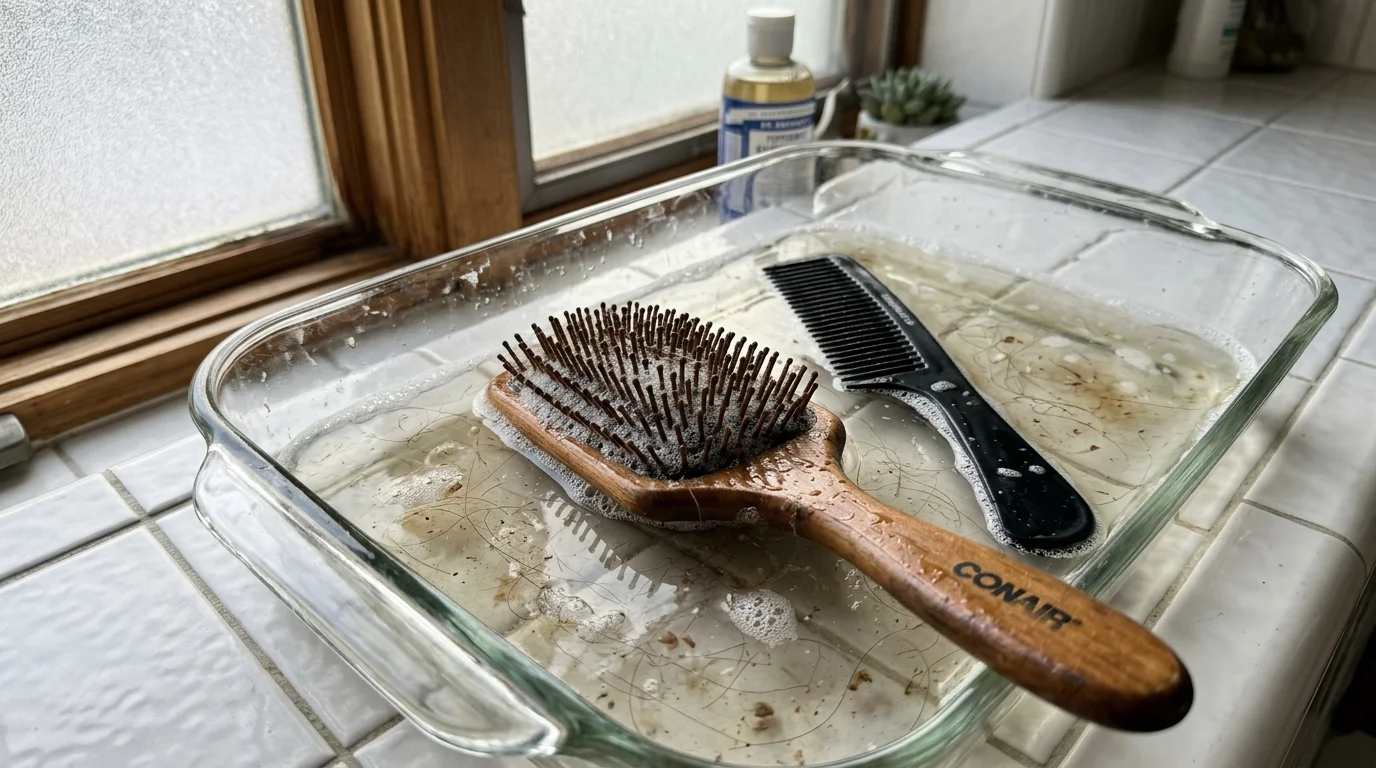
04 Filthy Hairbrushes and Combs
Take a close look at your hairbrush. Over time, brushes harbor an unsettling mix of shed hair, scalp oils, dandruff, and sticky styling products like dry shampoo and hairspray. It is entirely counterproductive to wash your hair and immediately drag a dirty, oil-filled brush through your clean strands. Regular cleaning keeps your scalp healthy and prevents your hair from looking greasy immediately after a shower.
Since shampoo is formulated to remove these exact elements from your head, it works perfectly to cut through the gunk trapped on your brush’s bristles and base pad.
Before you soak your tools, you need to understand the material. Different brush types require slightly different cleaning protocols to prevent damage:
| Brush Material | Soaking Protocol | Drying Method |
|---|---|---|
| Plastic and Synthetic | Safe to submerge completely. Soak for 10 to 15 minutes to loosen heavy product buildup. | Shake out excess water and lay face-down on a clean towel to drain the bristle pad. |
| Wooden Handles | Never submerge the handle. Dip only the bristles into the soapy water to prevent the wood from warping or cracking. | Wipe the wood dry immediately. Lay face-down to ensure water drips away from the wooden base. |
| Natural Boar Bristle | Treat like human hair. Swish in sulfate-free shampoo briefly; avoid prolonged soaking. | Blot with a dry towel and air dry completely before the next use to prevent mildew. |
To deep clean your brushes, first use a comb or your fingers to pull out all the physical hair woven between the bristles. Next, fill a bowl with warm water and a squirt of clarifying shampoo. Submerge or dip the brush according to the table above. After the buildup has softened, use an old, clean toothbrush to scrub the base pad and between the tight bristles. Rinse the brush thoroughly under warm running water until no soapy residue remains, and always let it dry bristle-side down.
Professionals recommend performing this deep clean every two to four weeks depending on how much styling product you use daily. For more specialized tips on extending the life of your styling tools, reputable stylists shared their best practices with NBC News.
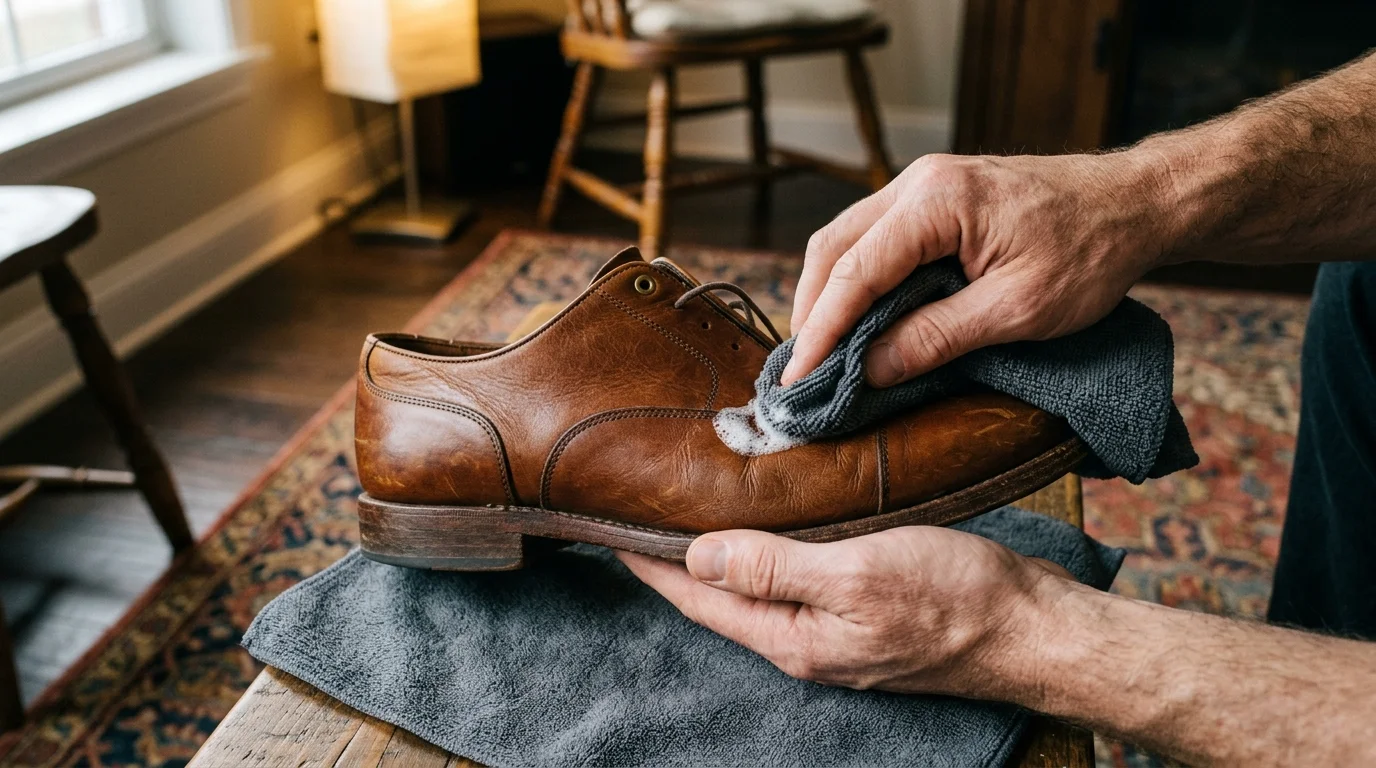
05 Leather Furniture, Shoes, and Handbags
Leather is fundamentally cured skin. Using harsh chemical sprays, glass cleaners, or heavy alkaline household soaps on a leather sofa or handbag rapidly pulls out its natural moisture. This chemical stripping leads to premature cracking, fading, and irreversible peeling over time. When your leather goods need a quick refresh to remove surface dirt and everyday oils, a tiny amount of baby shampoo is the ideal solution.
Because baby shampoo is exceptionally mild and pH-balanced, it lifts dirt without stripping the essential oils that keep the leather soft and supple. It is a safe, accessible alternative to expensive saddle soaps for minor scuffs and routine maintenance.
To safely clean your leather goods, proceed with caution and minimal water:
- Thoroughly dust the leather surface with a dry cloth or a soft vacuum brush attachment to remove loose abrasive particles.
- Mix just two or three drops of baby shampoo into a small bowl of warm water.
- Dip a clean microfiber cloth into the sudsy water and wring it out completely. The cloth should feel barely damp, never soaking wet.
- Wipe the leather gently using wide, circular motions to lift the dirt. Do not aggressively scrub a single spot, as this can rub away the dye.
- Immediately follow up with a separate, dry microfiber cloth to buff away any lingering moisture.
Always test this method on an inconspicuous area first, like the underside of a couch cushion, to ensure the leather is colorfast. Once the piece is completely dry, apply a dedicated leather conditioner to restore a protective barrier against future stains.
06 Dusty Houseplant Leaves
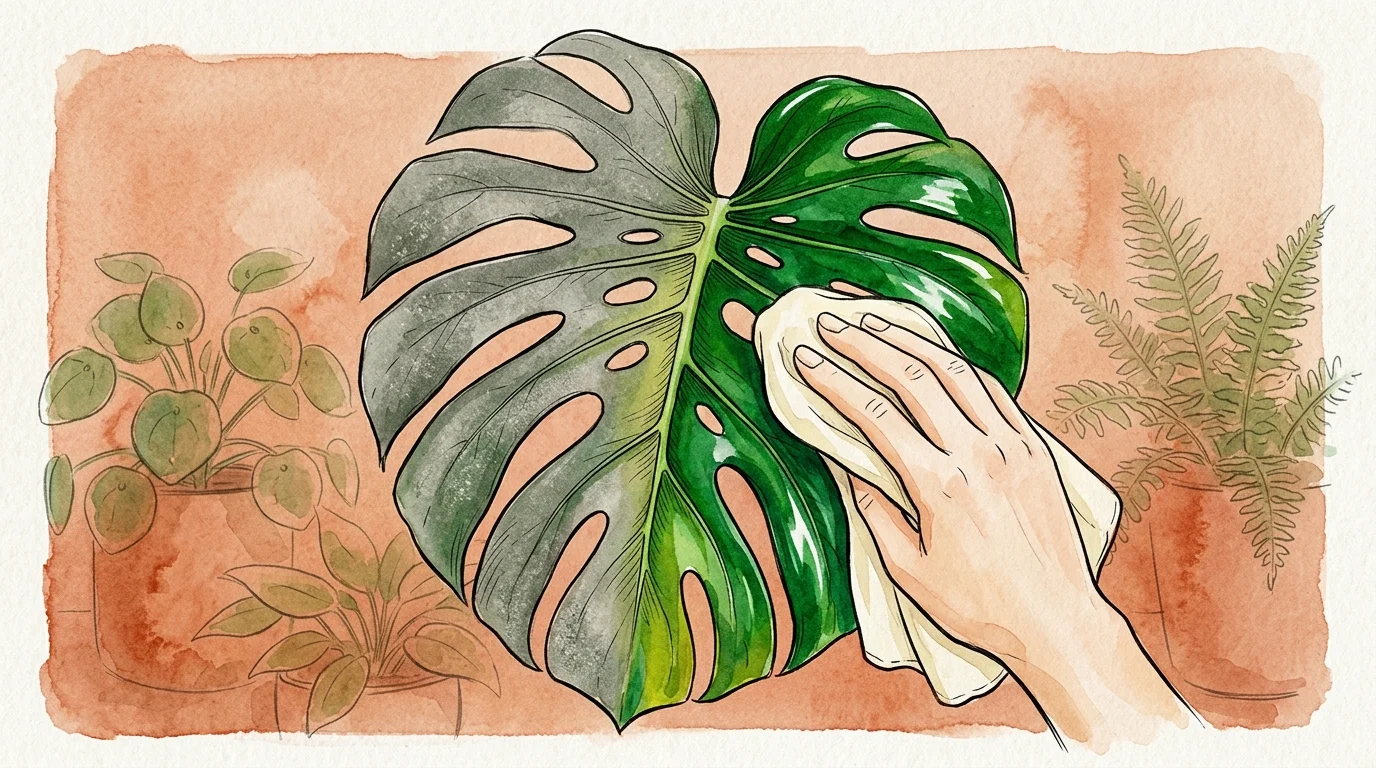
Indoor plants do not get the benefit of natural rain to wash away household dust. When thick dust coats the broad leaves of a Monstera, Fiddle Leaf Fig, or rubber plant, it acts as a physical barrier. This dust blocks sunlight, significantly reducing the plant’s ability to photosynthesize and stunting its growth. Furthermore, plain tap water often leaves chalky hard water spots behind, and commercial oil-based leaf shine products can actually clog the plant’s stomata—the tiny pores on the leaves they use to breathe.
A highly diluted solution of mild shampoo solves this problem by breaking the surface tension of the water. The surfactant lifts the dust effortlessly, leaving a natural, breathable shine behind. As an added bonus, wiping leaves with a mild soapy solution helps physically remove and deter minor indoor pests like aphids and spider mites. The Clemson Cooperative Extension notes that keeping plant foliage clean is a vital step in maintaining overall plant vigor.
To clean your houseplants properly:
- Add just two to three drops of gentle, clear shampoo to a spray bottle filled with lukewarm water.
- Lightly spray the solution directly onto a soft microfiber cloth, not onto the plant itself.
- Support the leaf from underneath with the palm of your free hand to prevent snapping the delicate stem.
- Gently wipe the top of the leaf from the base near the stem outward to the tip.
Stick to smooth-leaved plants for this method. Fuzzy plants, like African Violets, trap moisture in their hairs and should only be dusted with a soft, dry makeup brush.
07 Chrome Bathroom Fixtures and Bathtub Rings
That stubborn, dark ring around the inside of your bathtub is a chemical combination of hard water minerals, soap residue, and body oils left behind after a soak. When you use abrasive scouring powders or rough green scrubbing pads to remove it, you run the risk of permanently scratching acrylic tub finishes and stripping the delicate plating off your chrome faucets. Once those surfaces are scratched, they look permanently dull and actually trap dirt faster in the future.
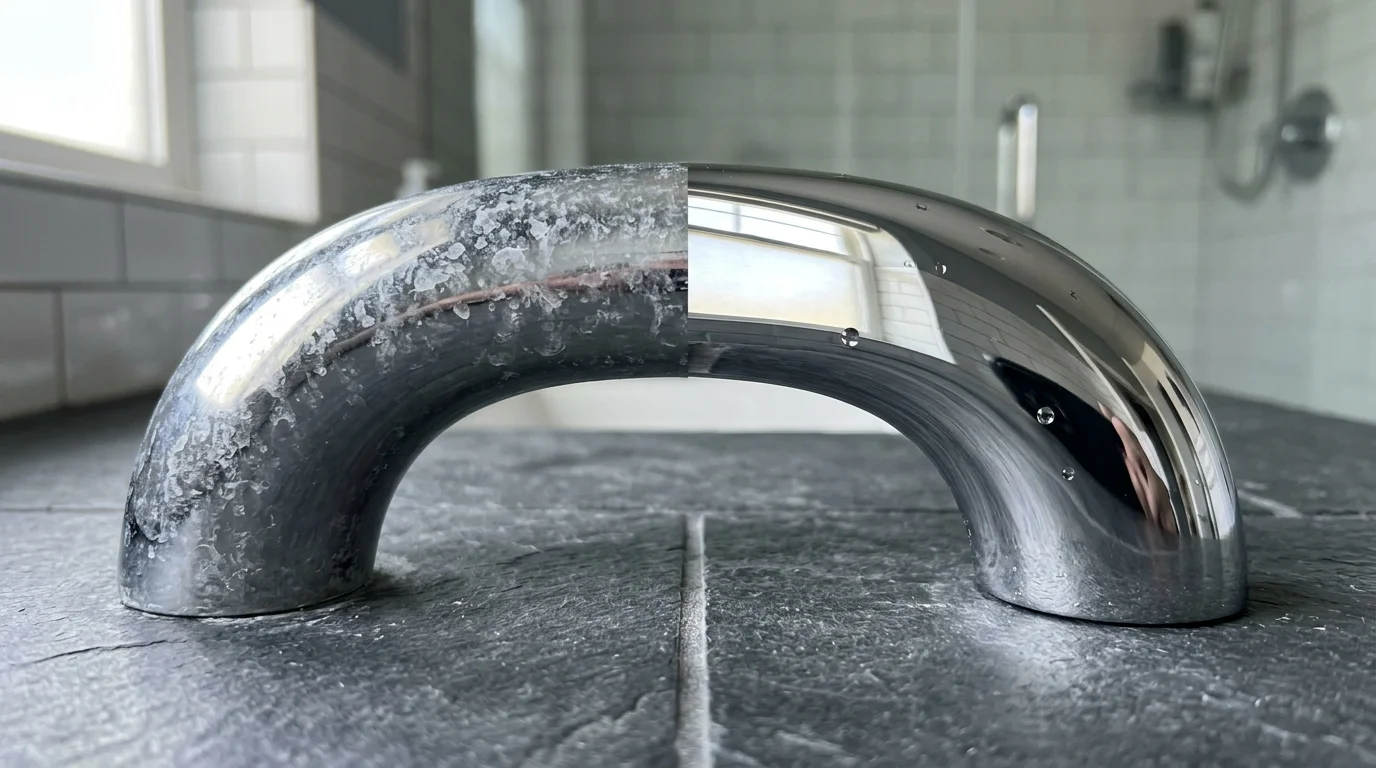
Because the bathtub ring is held together by body oils, shampoo is uniquely qualified to break it apart. It acts as a targeted solvent for the oil, allowing the trapped soap scum to simply slide away. It also polishes chrome faucets brilliantly without the risk of micro-scratches.
Here is how to utilize shampoo in the bathroom:
- Squirt a generous amount of cheap shampoo directly onto a damp, non-abrasive sponge.
- Wipe down the bathtub walls, focusing heavily on the oily ring and the surrounding tile.
- Rub the suds over your chrome sink faucets, showerhead, and bathtub handles.
- Let the shampoo sit for five to ten minutes to fully dissolve the greasy buildup.
- Rinse the tub walls thoroughly with warm water from a cup or a detachable showerhead.
- Use a dry microfiber cloth to buff the chrome fixtures. The shampoo cuts the water spots, leaving a brilliant, streak-free mirror finish.
One Simple Next Step
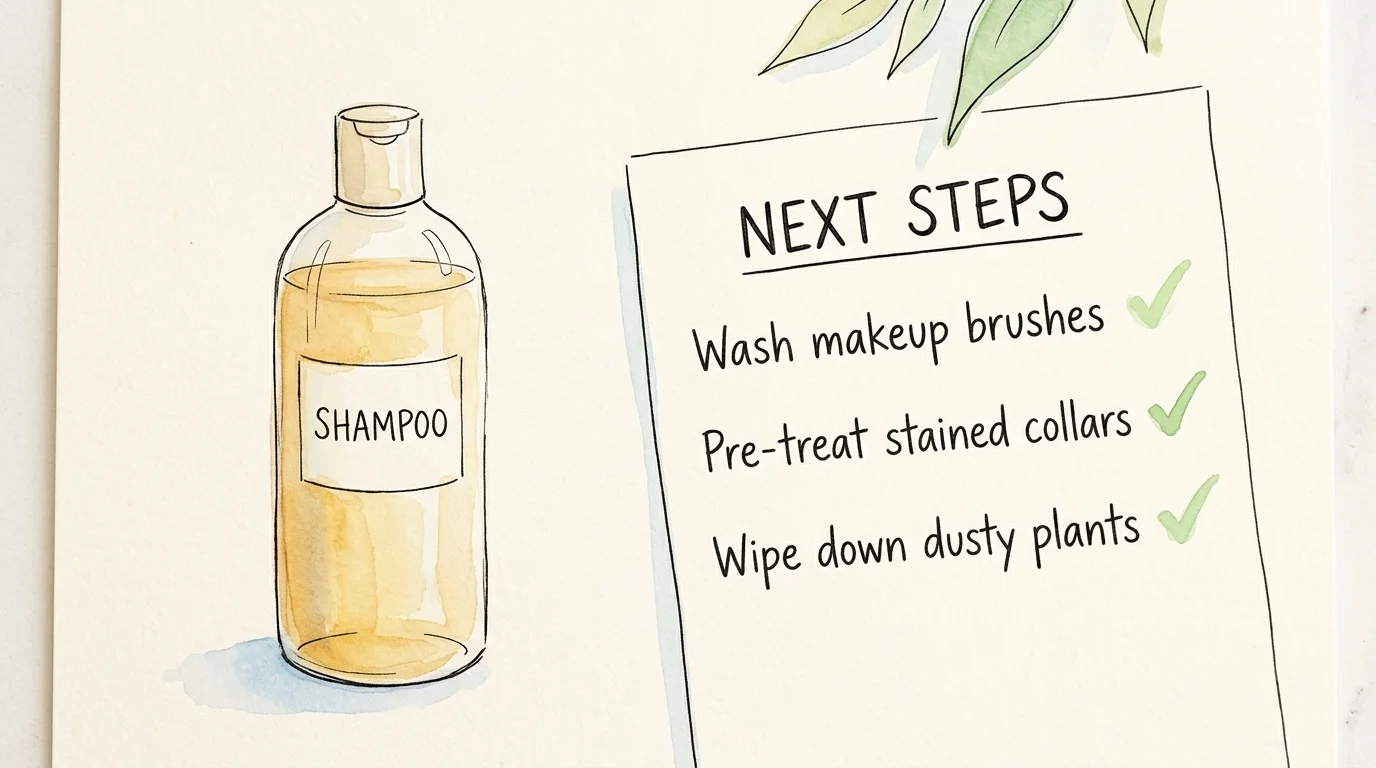
Your next step requires zero extra shopping. Walk into your bathroom, locate that half-empty, rejected bottle of shampoo hiding in the back corner of your shower, and set it next to your household cleaning supplies. Pick just one quick task—like wiping down your dusty houseplants or soaking your hairbrush—and test out this gentle, money-saving cleaning hack today.