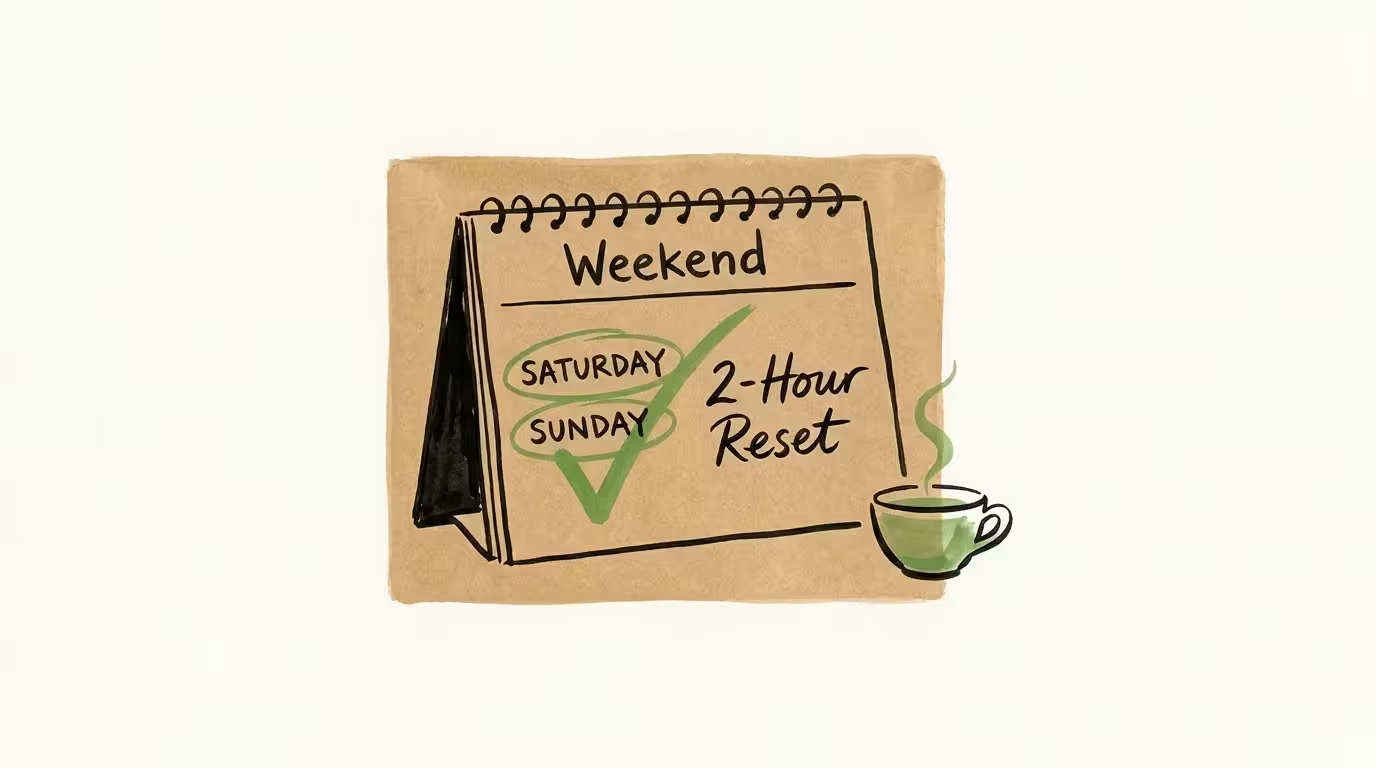
A cluttered, dusty house drains your physical energy, but refreshing your space only takes a fraction of your weekend. By adopting a focused two-hour reset strategy, you bypass the exhausting all-day marathon and immediately enjoy a calmer, cleaner home. As we age, heavy scrubbing and bending exact a harsher toll, making traditional deep cleans impractical and unsafe. You need a targeted routine prioritizing high-impact areas without straining your joints or risking your balance. This guide strips away the unnecessary chores and gives you a practical roadmap to reclaim your living space efficiently. You will learn how to adapt your tools, sequence your tasks, and effortlessly maintain a welcoming environment that supports your independence and daily comfort.
Equip Yourself With Ergonomic and Safe Cleaning Tools
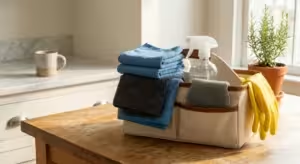
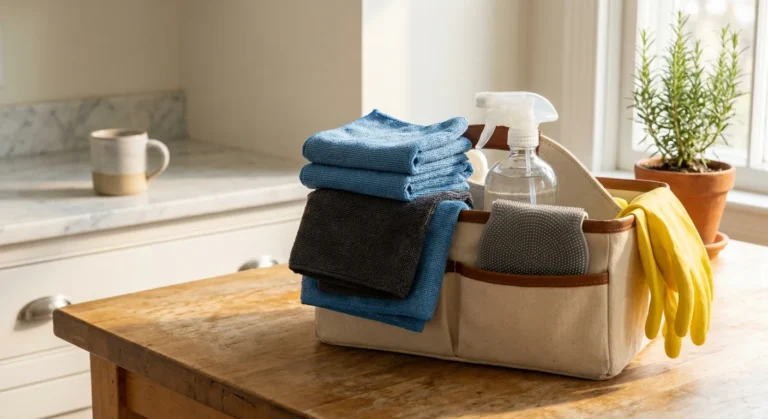
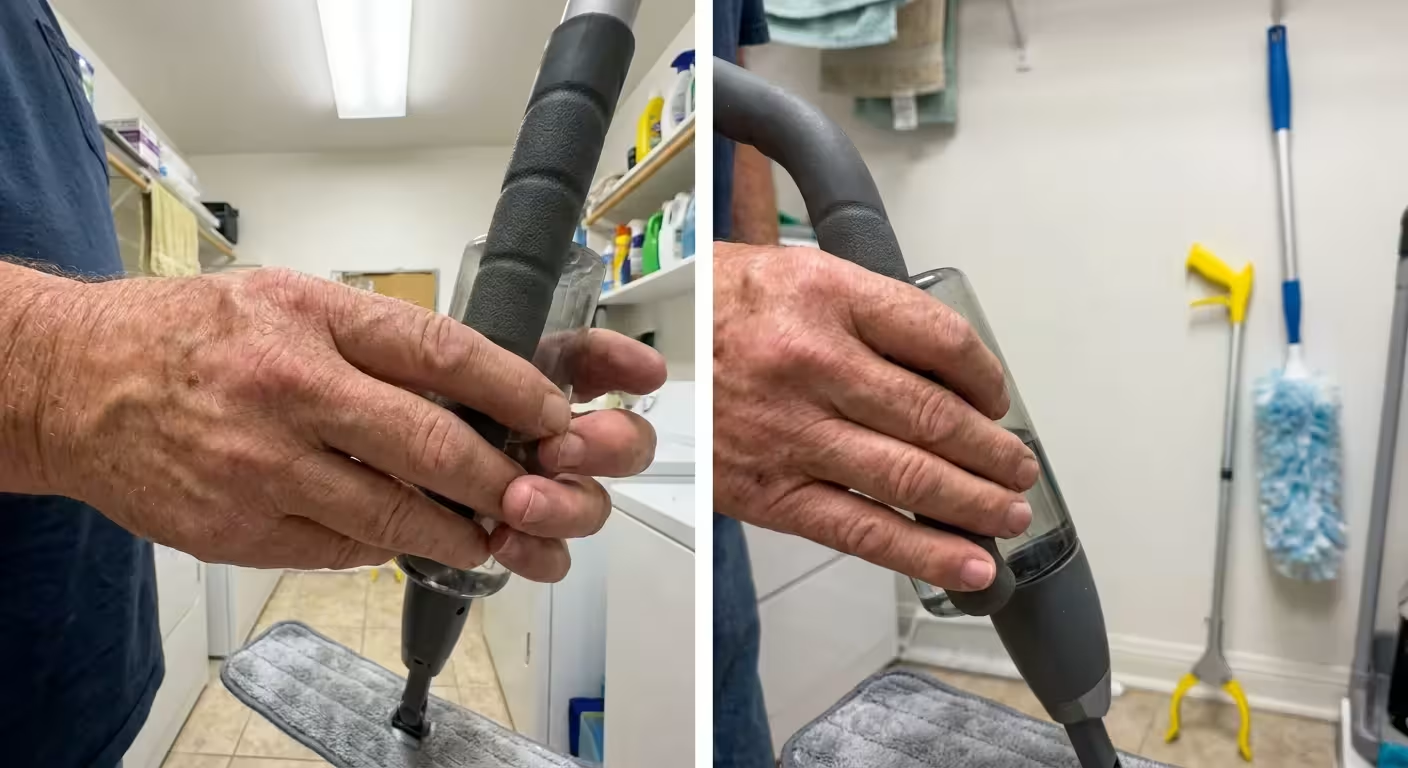
To make cleaning accessible, you must critically evaluate the equipment currently sitting in your utility closet. Standard cleaning supplies often require immense grip strength and force you into awkward physical positions. Replacing these outdated tools with ergonomic alternatives transforms a grueling chore into a manageable light activity. When you suffer from joint stiffness or arthritis, gripping a thin plastic handle causes immediate discomfort. You should seek out tools with thick, rubberized handles that allow you to maintain a looser grip while still applying adequate pressure.
The Arthritis Foundation specifically recommends utilizing long-handled dusters, adjustable mops, and reacher-grabber tools to eliminate the need for bending and stretching. By extending your reach, you keep your spine neutral and prevent the lower back pain that typically follows a vigorous weekend cleaning session. You also need to rethink the weight of your equipment. Lugging a heavy bucket of water across the house poses an unnecessary risk to your balance. Instead, switch to a spray mop with washable microfiber pads; it weighs a fraction of a traditional string mop and cleans effectively without soaking your floors in dirty water.
Beyond the physical tools, you must consider the chemical products you spray into your air. Older adults often experience increased sensitivity to harsh fumes, which can irritate the respiratory tract and skin. To ensure your cleaning routine protects your health, choose products carrying the EPA Safer Choice label. This designation guarantees that the product contains ingredients vetted for human health and environmental safety, providing a powerful clean without leaving behind toxic residues or overpowering chemical odors.
The Strategy Behind the Two-Hour Limit
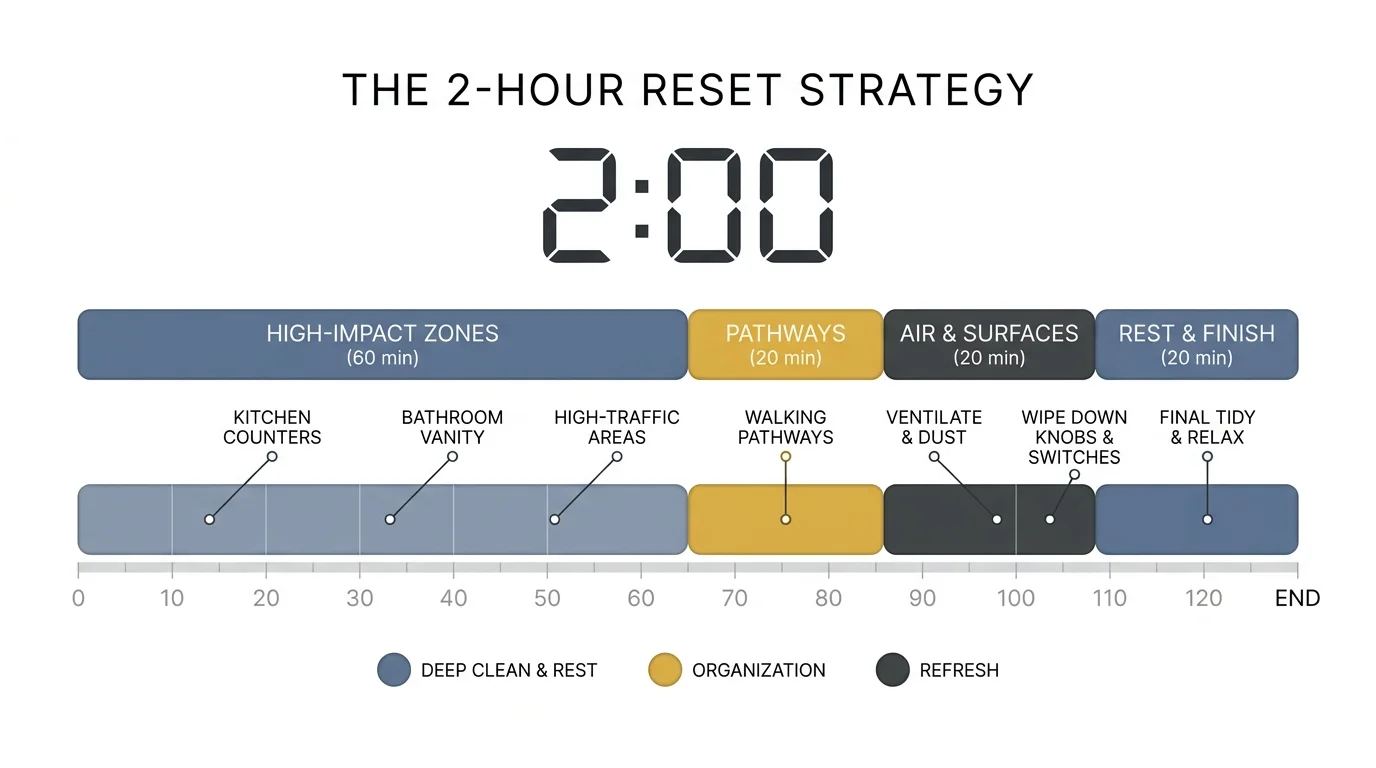
A successful weekend home reset seniors can rely on revolves around strict time management. Pushing yourself to clean the entire house in a single, uninterrupted push inevitably leads to physical exhaustion and soreness. Guidance from the National Institute on Aging highlights that older adults often lose stamina more rapidly during household chores, making prolonged physical exertion counterproductive and potentially hazardous. By capping your cleaning session at exactly two hours, you create a structured event that leaves you with plenty of energy to actually enjoy the remainder of your weekend.
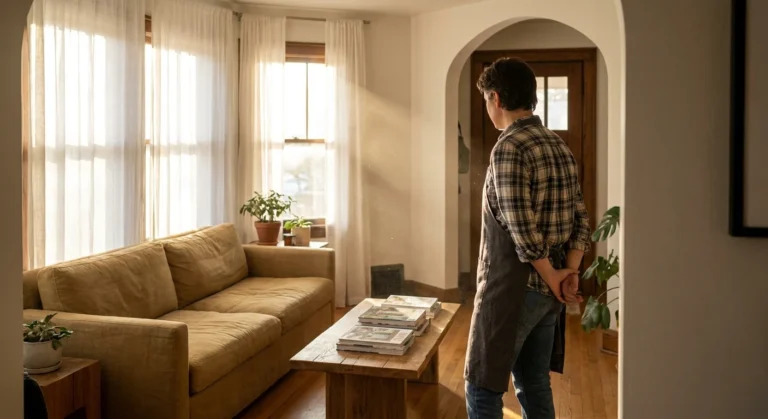
The secret to this fast clean organize method lies in prioritizing high-impact areas. You do not need to scrub the baseboards or reorganize the guest bedroom closet every week. Instead, you focus on the visual anchors of your home—the kitchen counters, the bathroom vanity, the living room coffee table, and the main walking pathways. When these specific areas are free of clutter and dust, your entire home instantly feels refreshed and welcoming.
To execute this strategy safely, you must break the two hours into distinct, manageable blocks punctuated by mandatory seated breaks. Working in short bursts prevents cardiovascular strain and keeps your joints from stiffening. You can set a simple kitchen timer or use an alarm on your phone to keep yourself on track. When the timer rings, you stop what you are doing, sit down, drink a glass of water, and allow your body to recover before moving to the next task.
Prepare Your Pathways to Prevent Falls
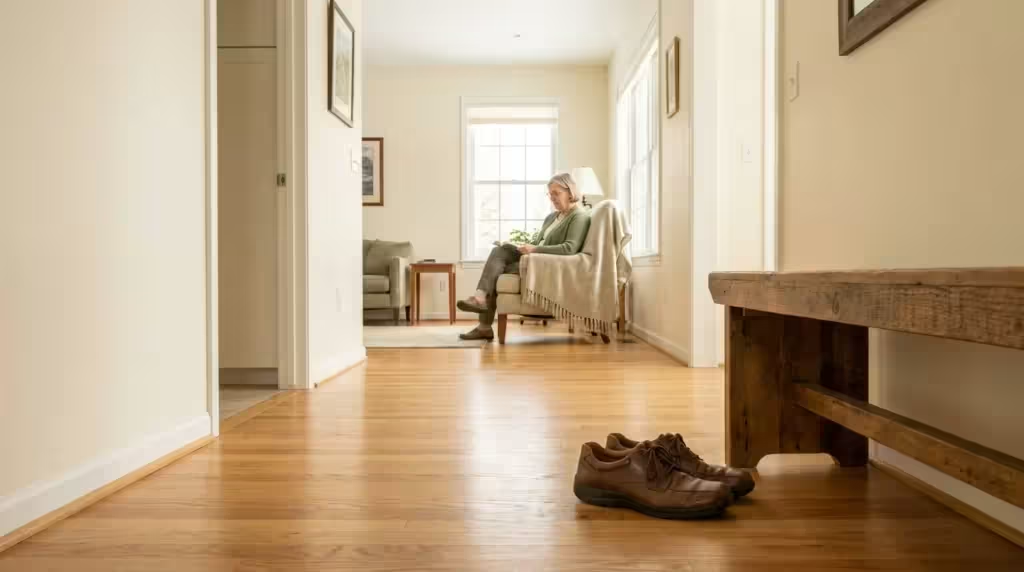
Before you spray a single countertop or pick up a duster, you must secure your physical environment. The Centers for Disease Control and Prevention identifies household clutter, loose throw rugs, and poor lighting as leading contributors to falls among older adults. A tidy home 60+ routine requires you to view decluttering not just as an aesthetic choice, but as a critical safety measure.
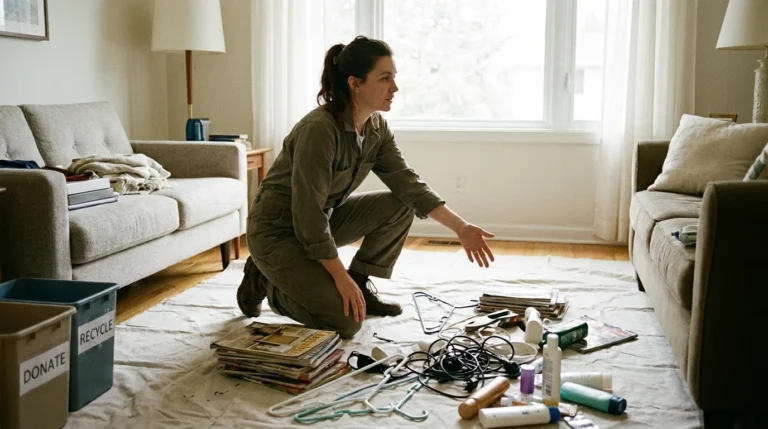
Start your reset by walking through your main living areas with a reacher-grabber tool. Pick up any errant shoes, discarded mail, magazines, or pet toys scattered across the floor. By using a reacher, you completely eliminate the need to bend at the waist, protecting your lower back and preserving your equilibrium. As you move through the rooms, pay special attention to any power cords or charging cables that may have migrated into your walking paths. Tuck them securely against the baseboards or use heavy tape to pin them down.
Next, address your floor coverings. Throw rugs are notorious tripping hazards, especially when you are distracted by cleaning tasks. If you have small rugs in your kitchen or entryway, verify that the edges are firmly secured with double-sided rug tape or a thick non-slip backing. If a rug frequently bunches up or slides underfoot, remove it from the space entirely. Finally, turn on all the overhead lights and open your curtains. Bright, uniform lighting allows you to clearly spot hazards and ensures you do not miss hidden spills that could cause your floors to become slippery.
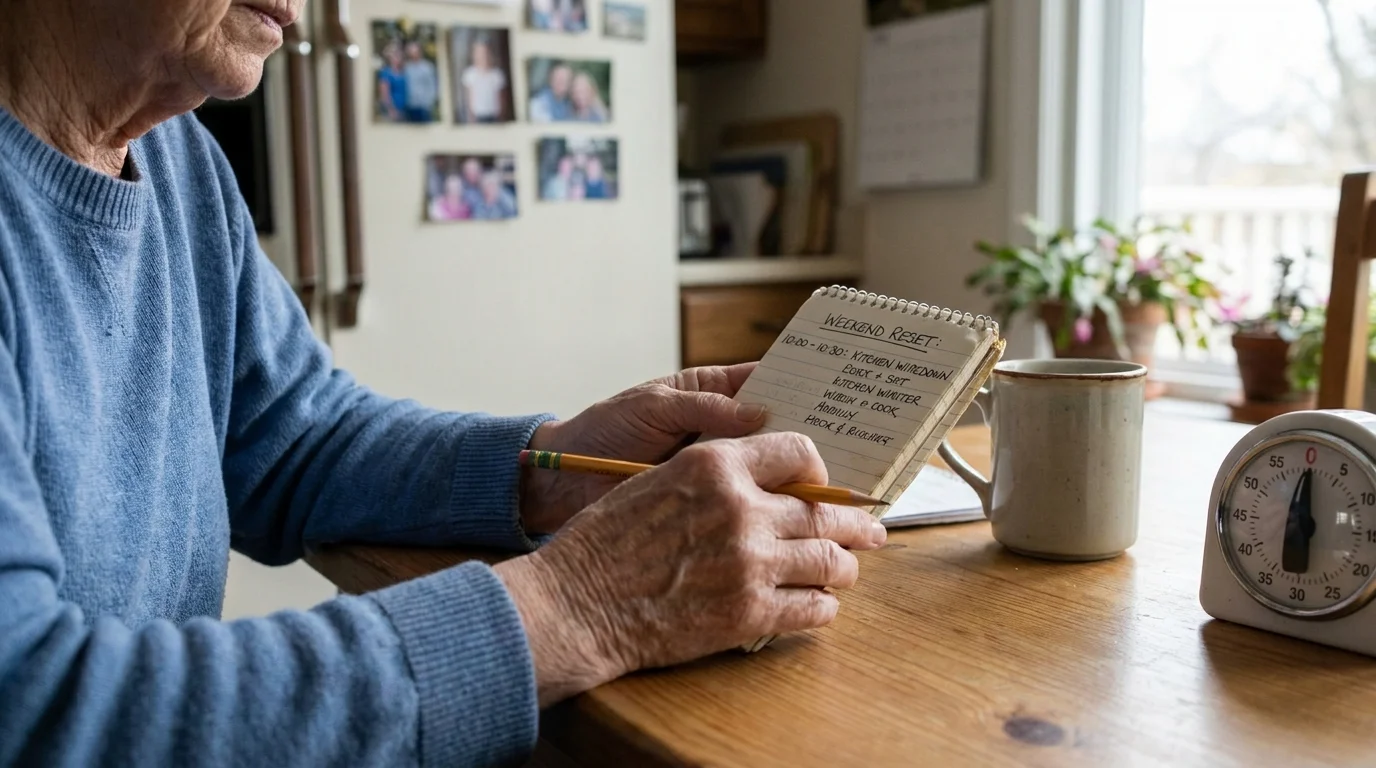
Step-by-Step: Your Timed Cleaning Schedule
To keep your quick home refresh on track, follow this structured schedule. The following table breaks down your two hours into highly focused intervals, ensuring you cover all necessary tasks while providing ample time for physical recovery.
| Time Block | Task Focus | Energy Saving Tip |
|---|---|---|
| Minutes 0–20 | Declutter floors and gather trash across all main living areas. | Use a reacher-grabber tool to collect items from the floor without bending your spine. |
| Minutes 20–30 | Mandatory Rest Break. | Sit down, drink a full glass of water, and swap your tools for the next phase. |
| Minutes 30–50 | Wipe high-touch surfaces in the kitchen and bathroom. | Spray cleaners first and let them sit for five minutes to break down grime; wipe while seated when possible. |
| Minutes 50–60 | Mandatory Rest Break. | Rest your legs and review your progress; prepare your dusting tools. |
| Minutes 60–80 | Dust living areas, focusing only on visible surfaces at waist or chest height. | Utilize a telescopic microfiber duster so you do not have to stretch your arms overhead. |
| Minutes 80–90 | Mandatory Rest Break. | Hydrate and prepare your floor cleaning equipment. |
| Minutes 90–110 | Floor maintenance in high-traffic pathways only. | Use a lightweight spray mop or cordless stick vacuum; avoid hauling heavy water buckets. |
| Minutes 110–120 | Final walkthrough and light trash removal. | Use small, lightweight trash bags that are easy to lift and carry to the outside bin. |
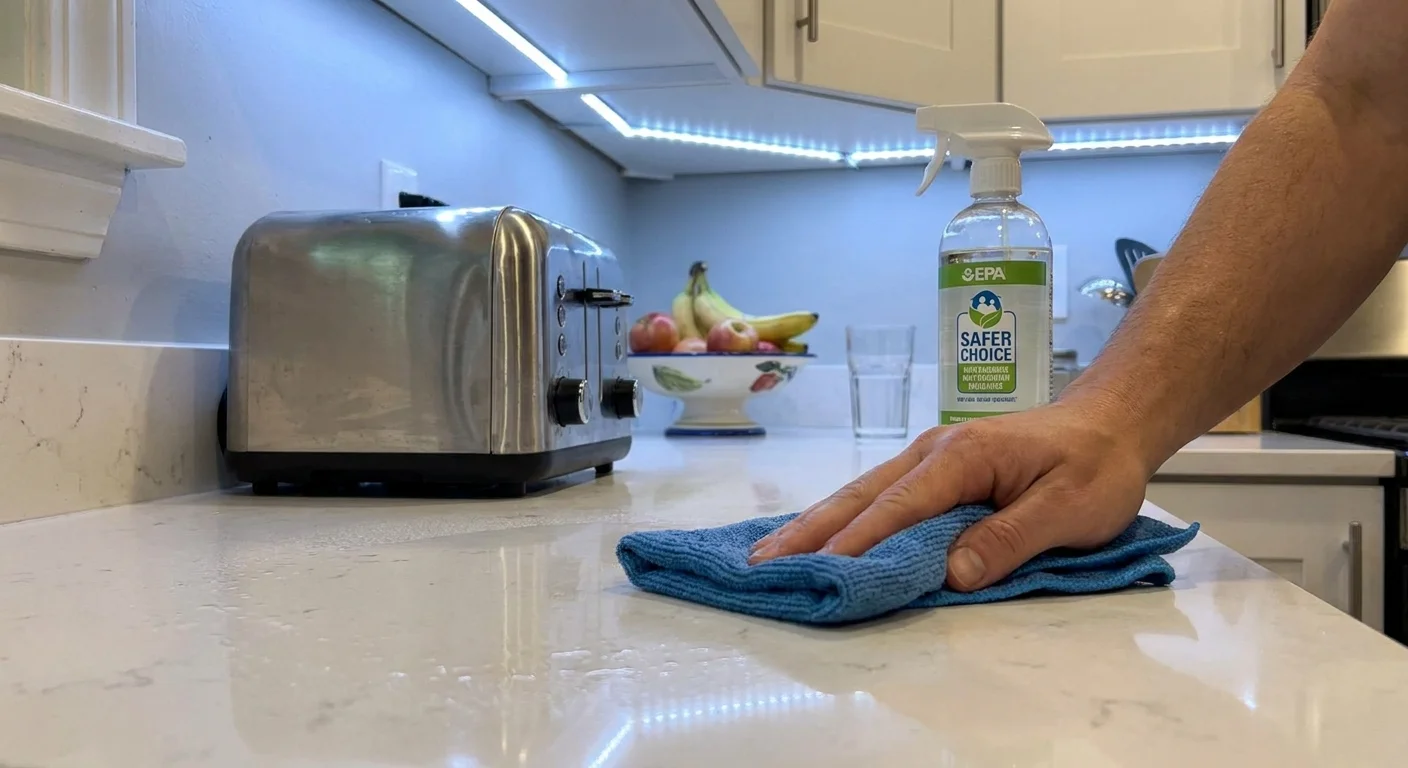
Kitchen Surfaces and Simple Appliance Refresh
The kitchen serves as the heart of the home, but it also accumulates grease, crumbs, and sticky residues faster than any other room. Traditional kitchen cleaning demands heavy scrubbing and awkward reaching, but you can achieve a spotless kitchen by letting chemistry do the work for you. The most effective technique you can adopt is maximizing “dwell time.”
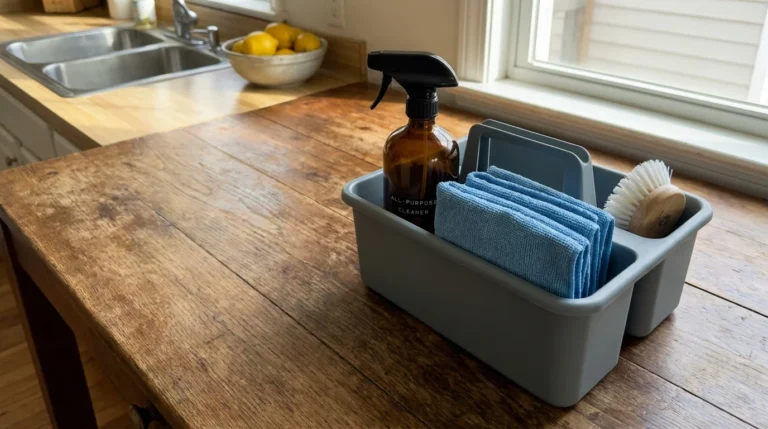
Instead of attacking a dried spill with immediate, forceful scrubbing, spray your EPA-approved cleaner directly onto the mess and walk away. Give the solution five to ten minutes to break down the grease and loosen the debris. While the cleaner does the heavy lifting, you can pull up a stool and sit at the counter to sort through the week’s mail or safely discard expired items from your refrigerator. When you return to the sprayed surface, the grime will wipe away effortlessly with a damp microfiber cloth, saving your wrists and shoulders from unnecessary strain.
When dealing with appliances, focus strictly on the exterior touchpoints. Wipe down the handle of the refrigerator, the buttons on the microwave, and the knobs on the stove. These areas harbor the most bacteria and show the most visible smudges. If you need to clean inside the microwave, simply heat a bowl of water with a few slices of lemon for three minutes. The resulting steam softens any baked-on food splatters, allowing you to wipe the interior clean with a single, gentle pass.
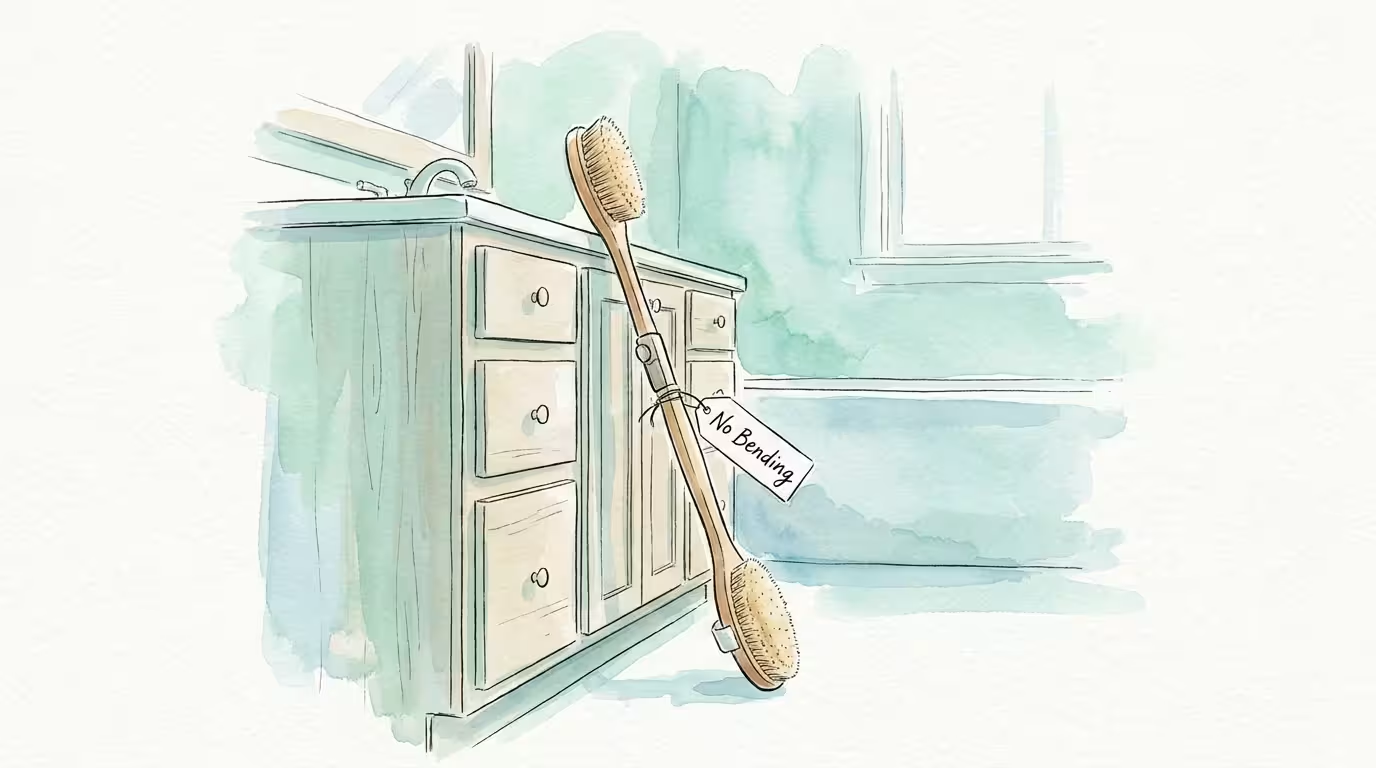
Bathroom Tactics That Spare Your Joints
Cleaning the bathroom is widely considered the most physically demanding household chore, primarily due to the awkward angles required to scrub tubs and toilets. To maintain a simple home routine seniors can perform safely, you must completely eliminate the need to kneel on hard tiles or lean dangerously over the edge of the bathtub.
Invest in a motorized spin scrubber equipped with an extendable telescopic handle. These lightweight, battery-operated devices feature a rotating brush head that scrubs away soap scum and hard water stains without requiring any manual elbow grease. You can stand comfortably outside the shower, extend the handle, and guide the brush along the walls and tub floor. This approach keeps your posture upright and drastically reduces the risk of slipping on wet porcelain.
To further reduce your weekend workload, incorporate preventative maintenance into your daily habits. Keep a bottle of daily shower spray in the bathroom. After you finish bathing, lightly mist the walls and shower doors before you step out. These formulas prevent soap scum and mineral deposits from forming in the first place. By taking ten seconds to spray the shower daily, you completely remove deep scrubbing from your weekend reset. Additionally, ensure your bathroom has sturdy, professionally installed grab bars; you can use these for stability not only when bathing but also when shifting your weight while wiping down the vanity mirror.
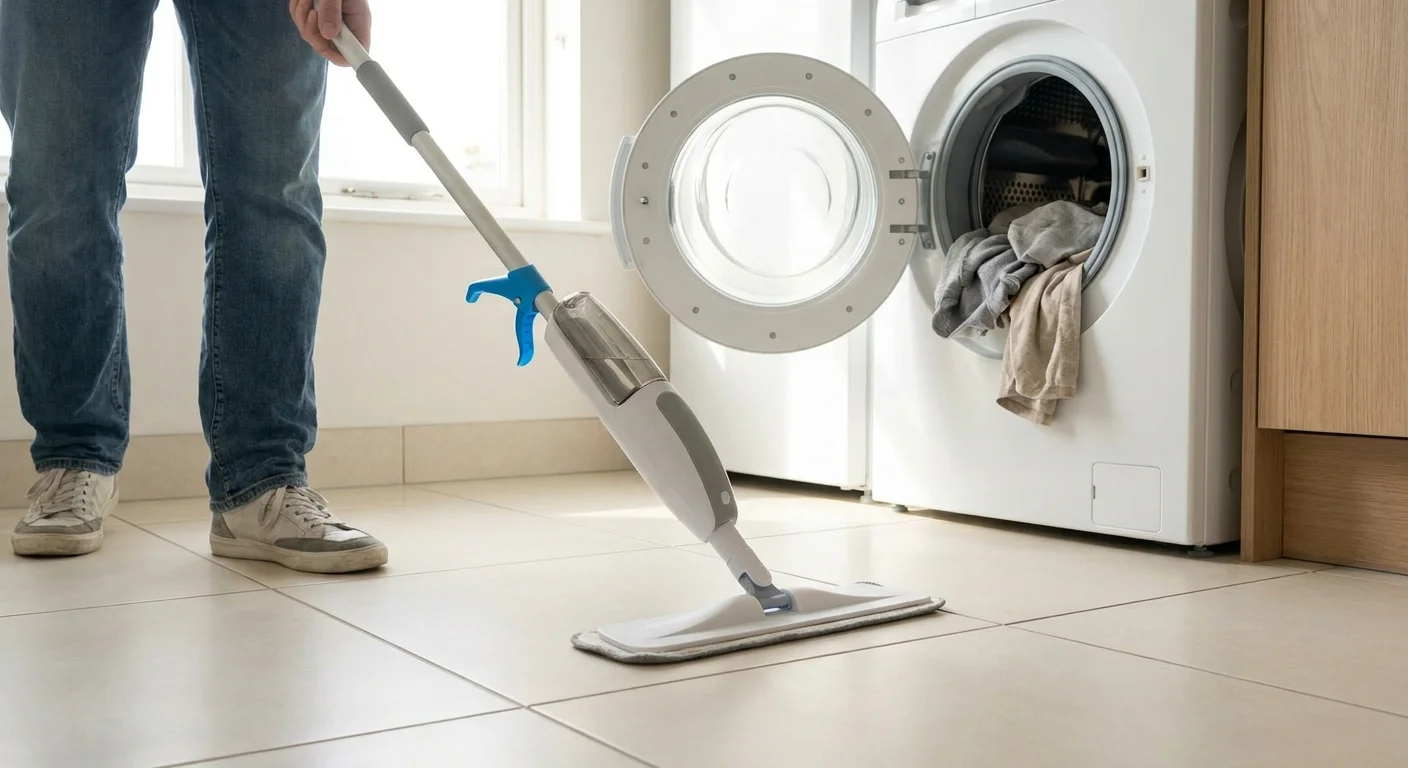
Adapting Your Laundry and Floor Routine
A mountain of laundry presents a significant physical barrier, especially if your washer and dryer are located in a basement or down a long hallway. Lifting a heavy, overloaded laundry basket places immense strain on your lower back and severely compromises your balance, increasing the likelihood of a fall on the stairs. You must adapt how you collect and transport your garments.
Swap out your rigid plastic laundry baskets for a tall, rolling laundry hamper equipped with smooth-gliding wheels. This allows you to simply push your clothes to the laundry room, utilizing the same safe mechanics as pushing a grocery cart. Furthermore, shift away from the habit of doing all your laundry on one specific day. Washing smaller, more frequent loads ensures that transferring wet, heavy clothes from the washer to the dryer remains a manageable task that will not strain your shoulders.
For your floor care, ditch the heavy bucket and string mop. Mopping with excessive water leaves floors dangerously slick for extended periods. Instead, utilize a lightweight spray mop with a washable microfiber pad. You simply squeeze the trigger to dispense a light mist of cleaner and glide the pad over your hard floors. The microfiber traps dust and dirt securely, and the floor dries almost instantly, eliminating slip hazards. If you have carpeted areas, use a cordless stick vacuum. They are significantly lighter than traditional upright models and do not have trailing cords that could tangle around your ankles.

Freshen Indoor Air Quality Naturally
A clean home should smell fresh, but heavy artificial fragrances often trigger headaches and respiratory irritation. Many conventional air fresheners simply mask odors while introducing volatile organic compounds into your living space. To maintain a truly fresh environment, you must focus on proper ventilation and natural odor neutralizers.
Start by opening your windows for ten minutes during your cleaning session. This brief period of cross-ventilation flushes out stale indoor air and dilutes airborne dust particles stirred up by dusting. If you live in an area where opening windows is not practical due to pollen or extreme temperatures, run a small HEPA air purifier in the room you are currently cleaning. These devices quietly filter out pet dander, dust mites, and mold spores, significantly improving the overall air quality without requiring any physical effort on your part.
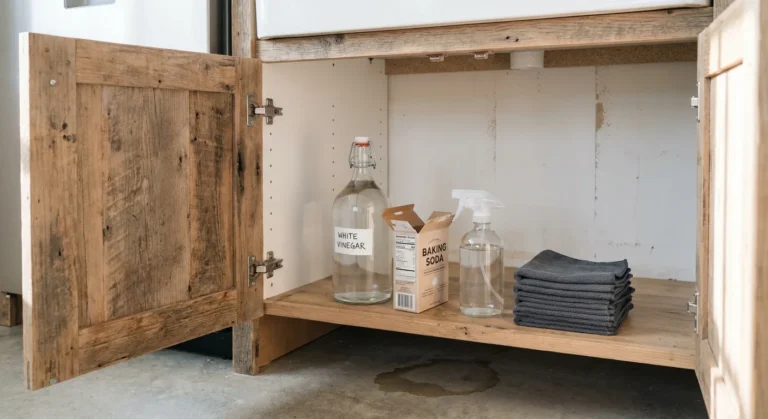
For managing specific odors in fabrics, bypass the chemical aerosol sprays. Instead, fill a small spray bottle with equal parts distilled water and cheap vodka or rubbing alcohol. Lightly mist this solution over your sofa cushions and fabric armchairs. The alcohol neutralizes odor-causing bacteria on contact and evaporates completely odorless within minutes, leaving your upholstery smelling perfectly neutral. For your carpets, a light sprinkling of plain baking soda left to sit for fifteen minutes before you vacuum absorbs musty smells safely and effectively.
Solidifying Your Simple Home Routine
The two-hour weekend reset yields immediate results, but maintaining that pristine environment throughout the week requires adopting a few effortless micro-habits. A tidy home does not happen by accident; it is the result of small, consistent decisions that prevent clutter from accumulating.
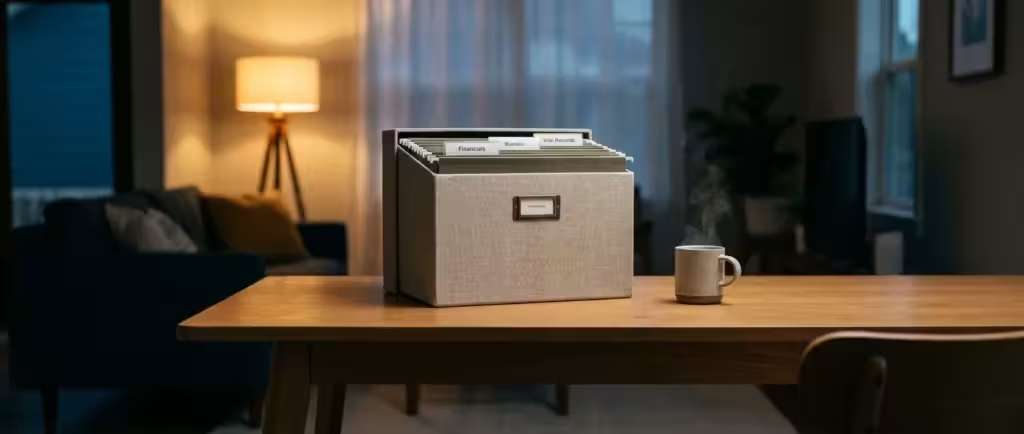
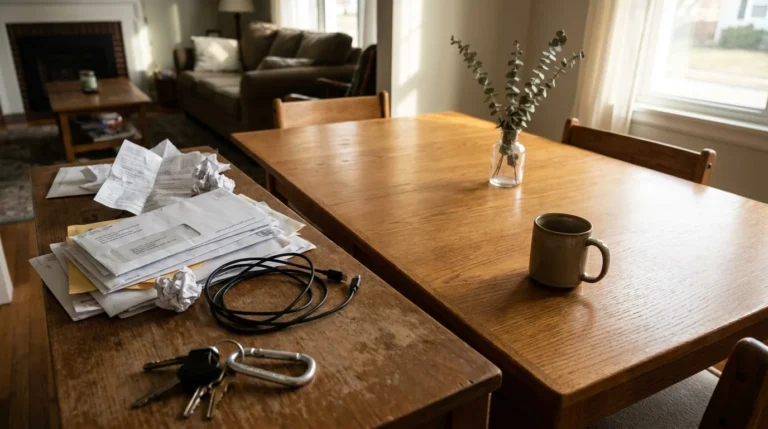
Implement a “one-touch” rule for incoming items. When you bring in the mail, do not set it on the kitchen counter to deal with later. Open it immediately, recycle the junk mail, and place important bills in their designated folder. When you finish reading a book or magazine, put it back on the shelf rather than leaving it on the side table. By putting items away rather than just putting them down, you prevent the visual clutter that makes a home feel chaotic.
You should also establish a ten-minute nightly sweep. Right before you begin your evening wind-down routine, take a quick walk through your main living areas. Fluff the sofa pillows, fold any throw blankets, and place your used drinking glasses in the dishwasher. This brief, low-energy sweep ensures you wake up to a neat, orderly space every single morning. When Friday rolls around, your weekend reset will be incredibly smooth because you are only addressing surface dust and floor maintenance, rather than digging your way out of a week’s worth of accumulated mess.
To take control of your space right now: Grab a kitchen timer and set it for just ten minutes. Take your reacher tool and a small trash bag, walk through your most-used hallway or living room, and clear every object from the floor to instantly create a safe, wide-open pathway.