Professional cleaners know that maintaining a spotless home has less to do with scrubbing and more to do with eliminating items that actively sabotage your efforts. By tossing out the specific tools and products that harbor germs, trap dust, or damage surfaces, you instantly cut your cleaning time in half. You want a home that feels calm, smells fresh, and practically cleans itself. Achieving that standard requires looking inside your cabinets and throwing away the outdated supplies making your life harder. From bacteria-filled sponges to toxic air fresheners, certain household staples are secretly working against you. Here are the nine items experts refuse to keep under their own roofs—and exactly what you should replace them with today.
1. Traditional Cellulose Kitchen Sponges
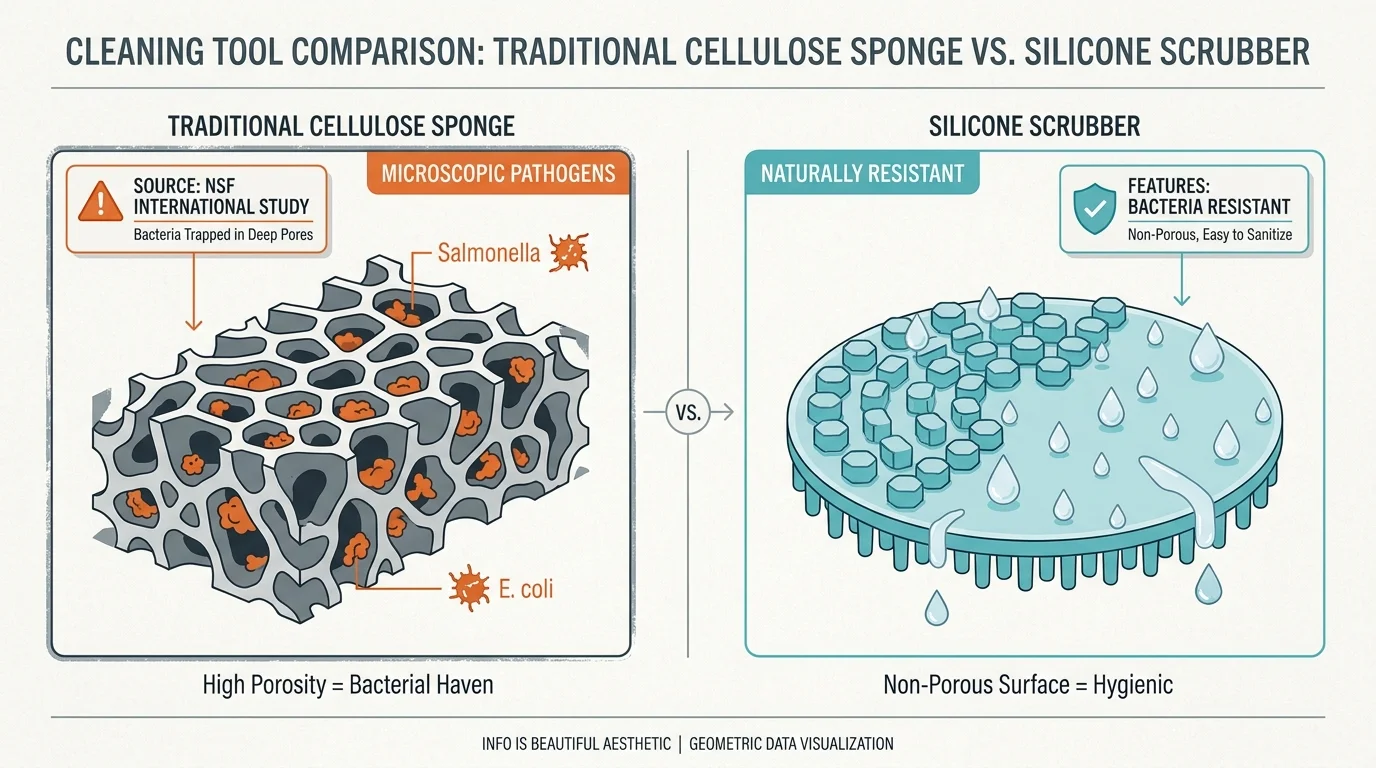
Traditional cellulose kitchen sponges act as highly effective moisture traps. Because they remain damp for hours after you finish washing the dishes, they provide the exact warm, wet environment that bacteria require to multiply rapidly. When researchers conducted a comprehensive germ study for NSF International [1], they discovered that kitchen sponges harbor the highest concentration of microorganisms in the entire home. Alarmingly, this includes coliform bacteria such as Salmonella and E. coli. When you wipe your countertops with a sour-smelling sponge, you simply smear a microscopic layer of pathogens across the exact surfaces where you prepare your family’s meals.
Professional cleaners refuse to take that risk. Instead of relying on porous sponges, they switch to cleaning tools that dry quickly and can be thoroughly sanitized in a washing machine or dishwasher. Silicone dish scrubbers offer a fantastic alternative because they do not absorb water, making them naturally resistant to bacterial growth and foul odors. For wiping down kitchen counters and stovetops, washable microfiber cloths or thin cotton bar mops are vastly superior. You can use a fresh, dry cloth every morning and toss the dirty ones directly into a hot laundry cycle at the end of the day.
If you absolutely must keep a sponge on hand for heavy-duty scrubbing, you must commit to a strict sanitizing routine. Wet the sponge completely and place it in the microwave for two minutes daily to kill off lurking pathogens, and throw it in the trash the moment it begins to fray or smell.
2. Fluffy Feather Dusters
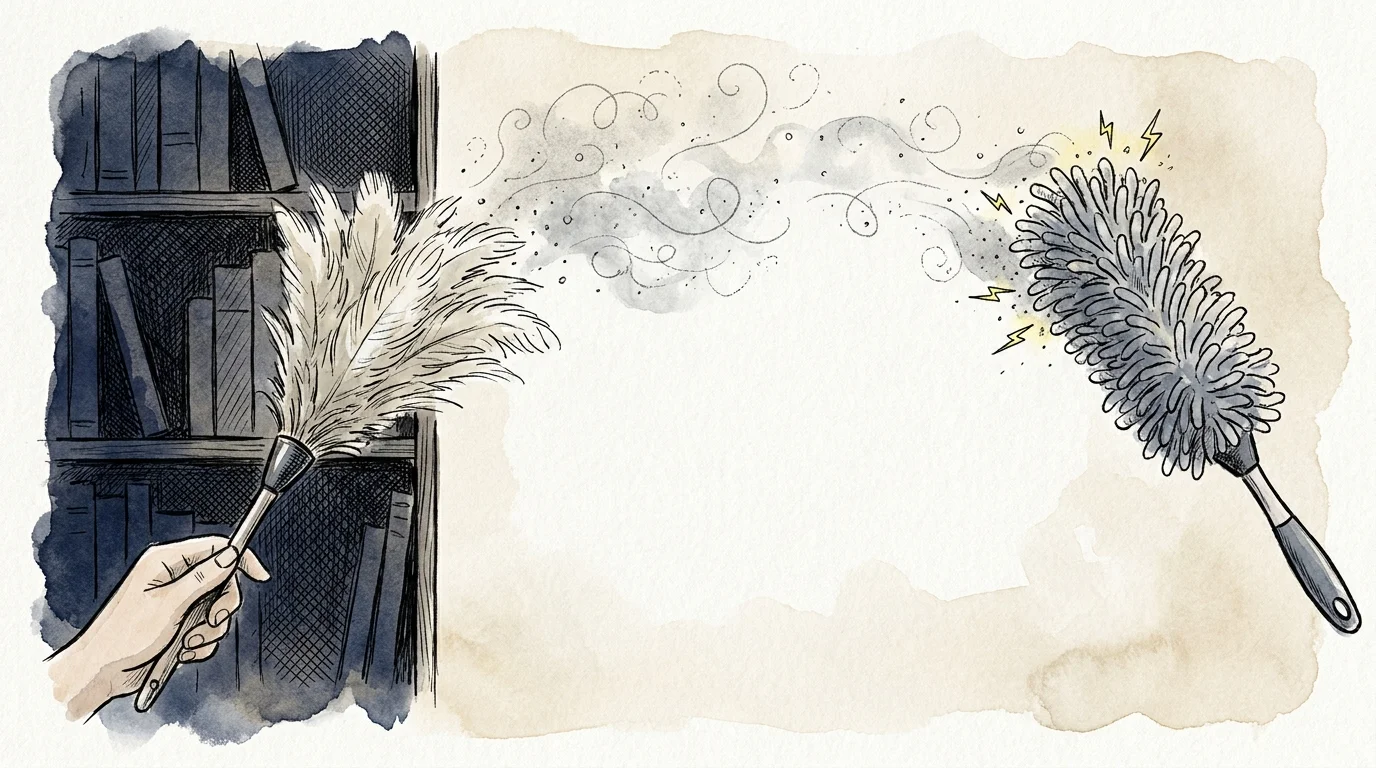
They look elegant resting on a maid’s cart in a classic movie, but feather dusters operate as a professional cleaner’s worst enemy. A traditional feather duster lacks the structural capability and static charge necessary to capture and hold fine particulate matter. When you drag coarse feathers across a bookshelf or a lampshade, you merely flick the dust off the surface and launch it directly into the air. That dust will float around your living room for ten minutes before settling right back onto your freshly cleaned furniture and floors.
Professional cleaners base their entire routine on efficiency; they want to remove dust from the home entirely, not just relocate it to a different surface. This is exactly why you will only find microfiber dusters inside an expert’s toolkit. Microfiber consists of ultra-fine synthetic split fibers that generate a strong static electrical charge as you move them across a surface. This charge acts like a powerful magnet, grabbing onto pet dander, pollen, and dust mites, and refusing to let go until you detach the head and wash it.
If you suffer from seasonal allergies or simply hate the chore of dusting, throw away the antique feathers. Upgrade to an extendable microfiber duster featuring a bendable head. This allows you to reach the tops of ceiling fans and high bookshelves securely, pulling the dust away rather than letting it rain down onto your bed or couch.
3. Synthetic Plug-In and Aerosol Air Fresheners
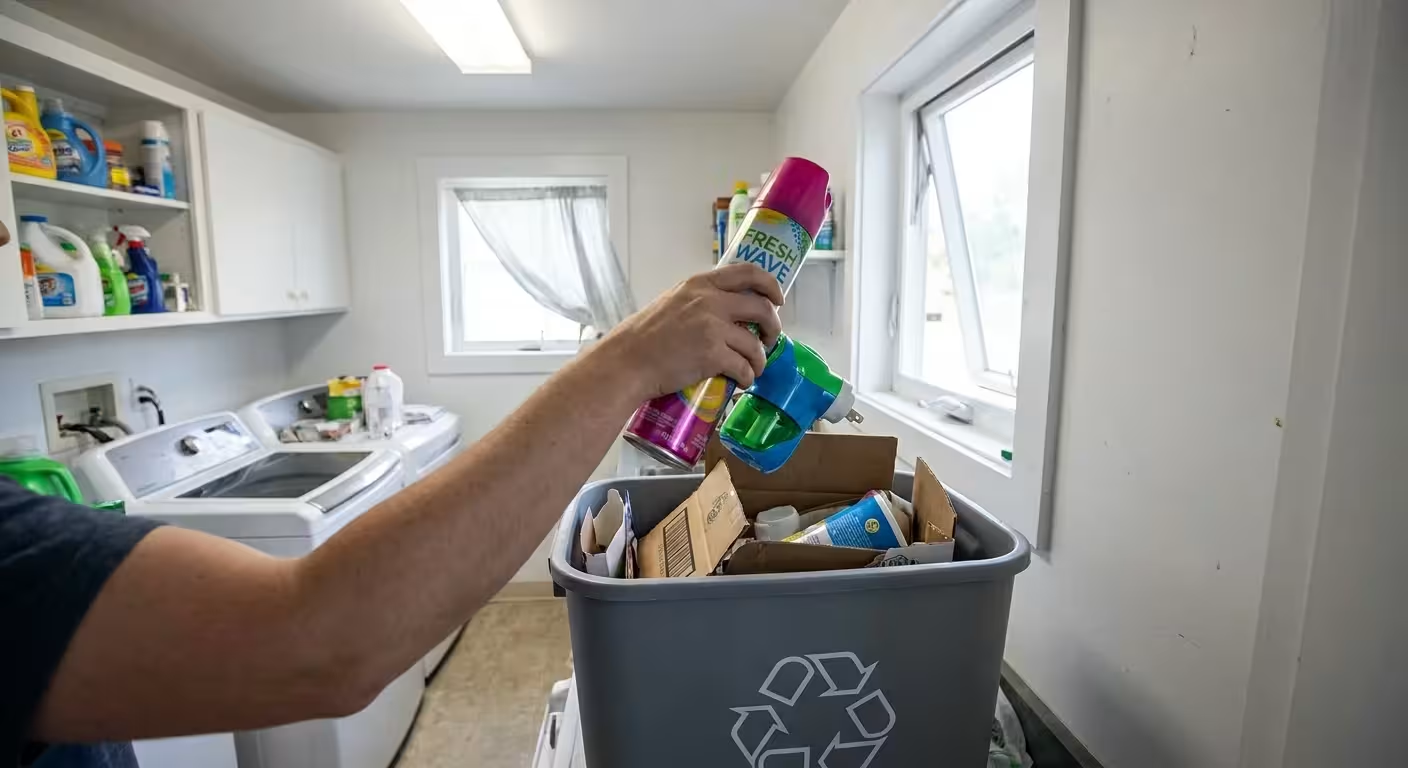
Decades of clever marketing have convinced people that a clean home smells like heavy pine needles or artificial lavender breezes; however, a truly clean environment actually smells like absolutely nothing. To achieve those overpowering artificial scents, synthetic plug-in and aerosol air fresheners continuously release volatile organic compounds (VOCs) into your enclosed living space. The U.S. Environmental Protection Agency (EPA) [2] warns that prolonged indoor exposure to VOCs can trigger severe headaches, worsen pre-existing asthma, and cause chronic eye and respiratory tract irritation.
Aerosol sprays present an additional problem: they send fine chemical droplets floating through the air, which inevitably settle onto your countertops, floors, and soft furnishings. This means your pets and children are walking on and touching these chemical compounds all day long. Professional cleaners know that masking an odor with a chemical spray never solves the underlying problem. If your house smells musty, sour, or stale, you need to find the biological source of the odor and eliminate it entirely.
Instead of masking smells with toxic plugins, focus on odor neutralization and proper ventilation. Open your windows for just ten minutes a day to create a cross-breeze that flushes out stale indoor air. Place open boxes of baking soda in the bottom of your trash cans or inside damp cabinets to absorb ambient smells naturally. If you still want a pleasant, welcoming aroma after completing a deep clean, simmer a pot of water on the stove with real lemon rinds, rosemary sprigs, and a cinnamon stick.
4. Bleach for Daily Surface Cleaning
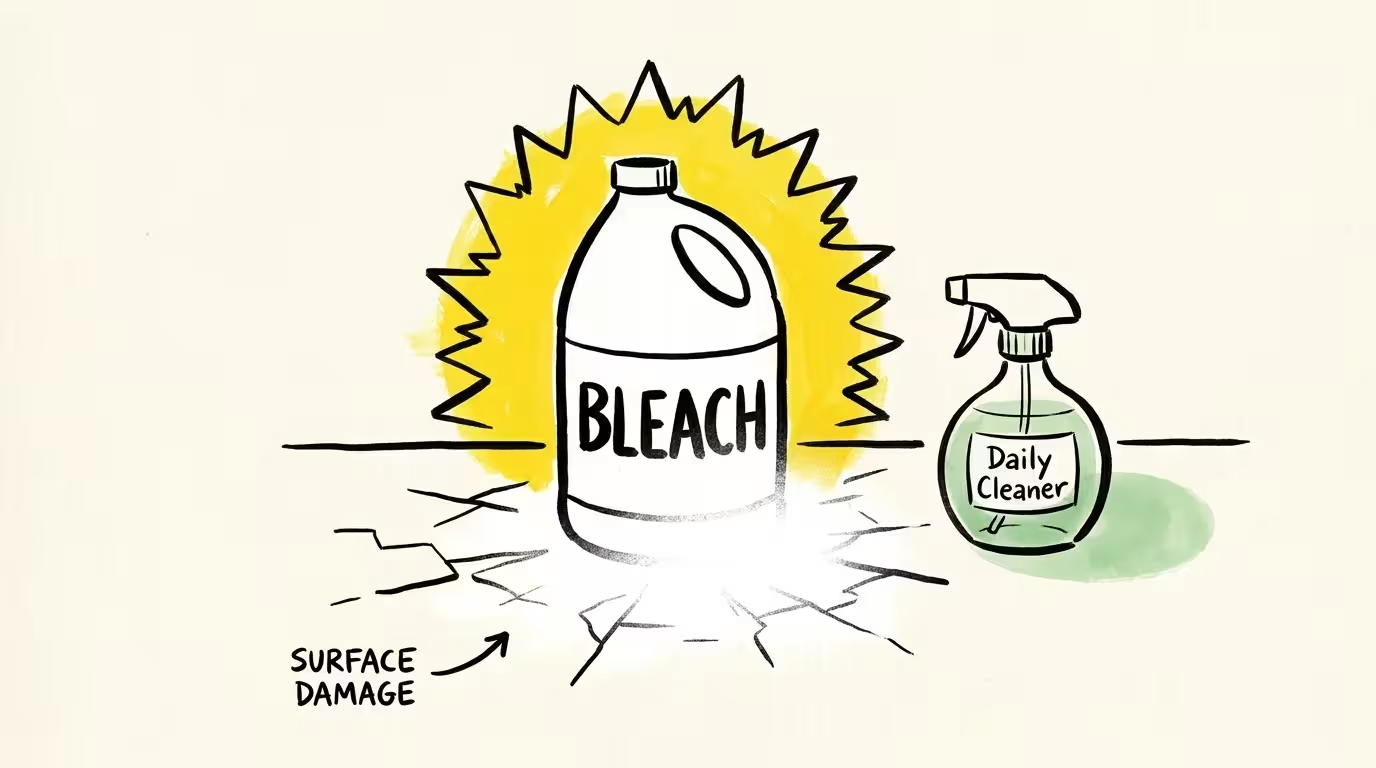
Bleach serves as a highly powerful chemical disinfectant, and it certainly has an important place when you need to clean up raw poultry juices or sanitize a bathroom after a highly contagious household illness. Yet, keeping a bottle of concentrated bleach spray on hand for your daily countertop wipe-down represents massive overkill. Regular application of bleach strips the protective sealants right off expensive granite and marble, discolors tile grout over time, and aggressively eats away at the clear protective coatings on your hardwood floors.
Beyond the expensive property damage, breathing in chlorine fumes daily poses significant and documented health risks. Medical professionals at the Mayo Clinic [3] note that frequent, long-term exposure to harsh cleaning chemicals can accelerate lung function decline and chronically irritate your nose, throat, and eyes. Furthermore, the Centers for Disease Control and Prevention (CDC) recognize harsh chemical fumes as a primary asthma trigger in vulnerable adults and children.
For everyday maintenance, professional cleaners stick strictly to pH-neutral solutions. A simple mixture of warm water and a few drops of mild dish soap easily cuts through daily kitchen grease and breaks down sticky food residue without damaging your lungs or degrading your countertops. Save the heavy disinfectants for the rare occasions when they are strictly necessary.
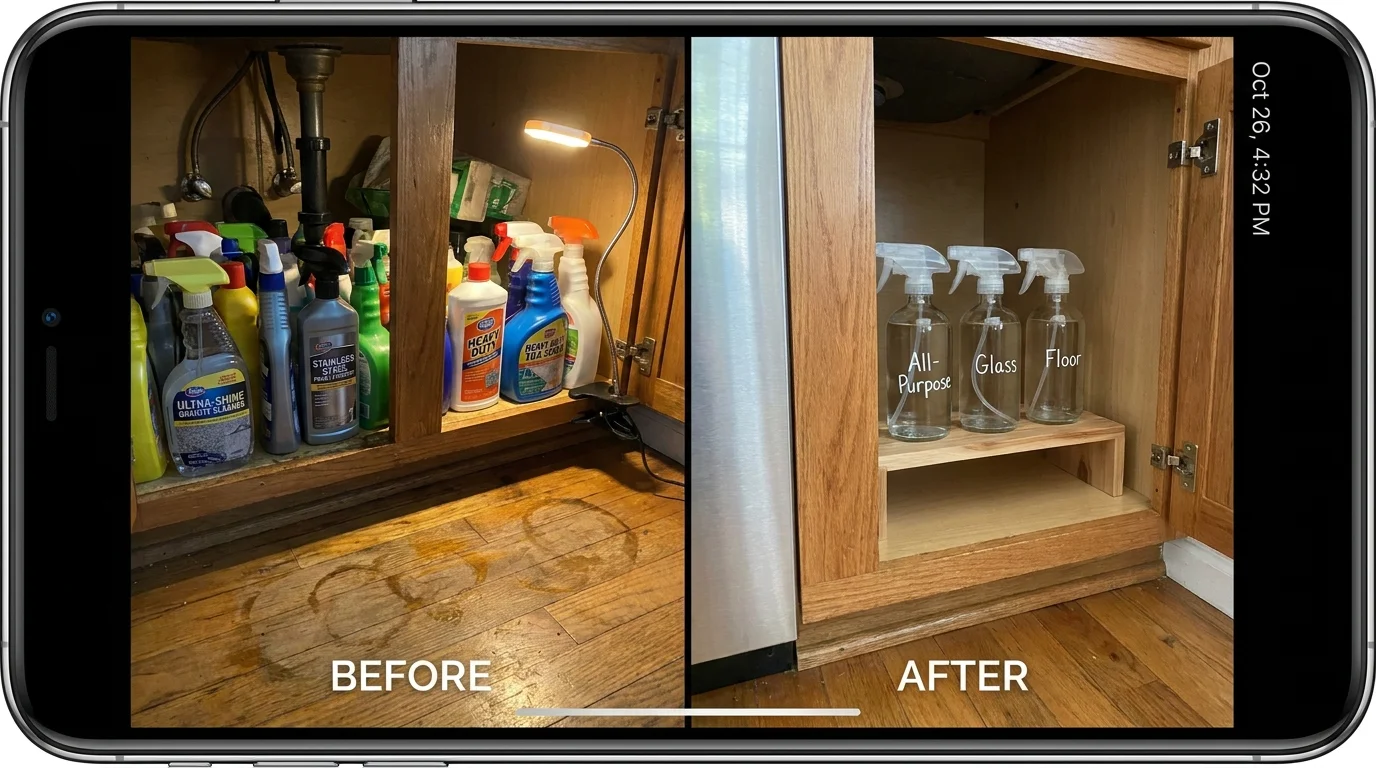
5. A Cabinet Full of Highly Specialized Cleaners
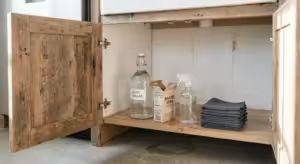
Open the cabinet located under the average kitchen sink, and you will likely find a dozen different bottles jostling for space. You might see a specialized stainless steel polish, a specific blind dusting spray, an oven degreaser, a daily shower mist, and a heavy-duty floor wax. This kind of chemical clutter creates the exact type of friction that professionals actively avoid. Not only does it cost a small fortune to purchase a different product for every square inch of your home, but lugging a heavy, overflowing caddy from room to room dramatically slows down your progress.
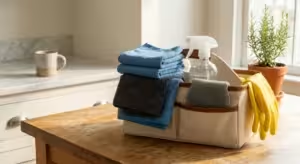
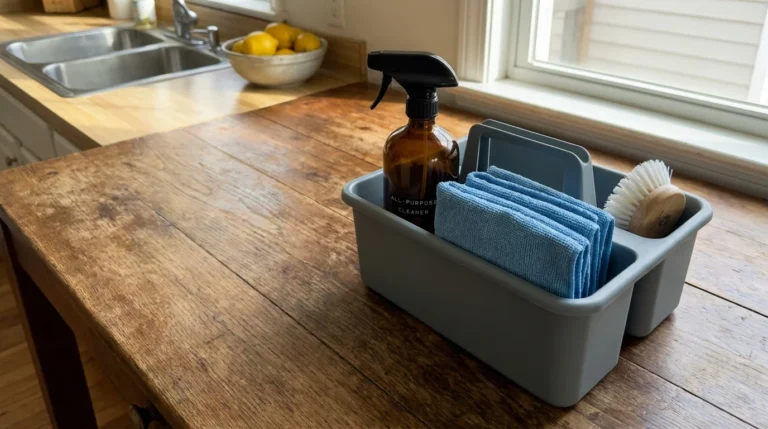
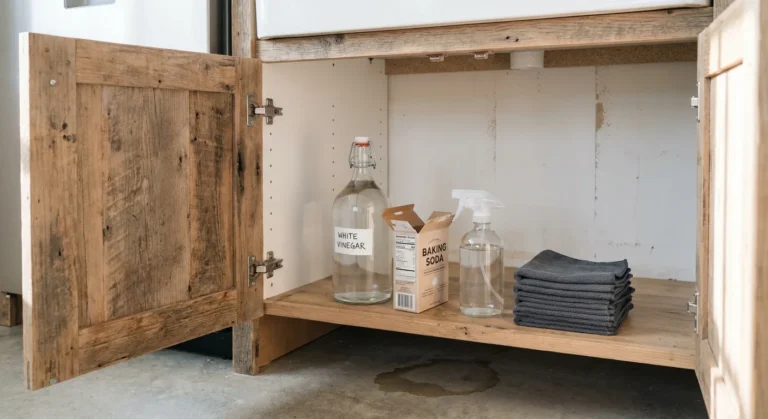
Experts streamline their supplies ruthlessly. They rely on a few high-quality, highly versatile products that can safely handle multiple surfaces. A streamlined kit allows you to move seamlessly from the kitchen to the bathroom without ever pausing to rummage around for a different spray bottle.
Here is a practical look at how you can consolidate your cleaning supplies into a professional minimalist kit today:
| Specialty Product to Toss | Professional Multi-Use Alternative | Why It Works Better |
|---|---|---|
| Stainless Steel Polish | Diluted Dish Soap & Microfiber | Removes cooking grease entirely without leaving an oily film that tracks new fingerprints. |
| Daily Shower Spray | Equal Parts White Vinegar & Water | Naturally dissolves hard water stains and cloudy soap scum without releasing artificial fumes. |
| Harsh Floor Cleaners | pH-Neutral Concentrate | Safe for delicate wood, ceramic tile, and laminate flooring; requires only a few drops per bucket. |
| Commercial Glass Cleaner | Rubbing Alcohol & Water Mixture | Evaporates rapidly on contact, ensuring a completely streak-free finish on windows and mirrors. |

6. Mountains of Paper Towels
If you tear off a fresh paper towel every single time you wipe down a mirror, clean up a minor water spill, or dust a side table, you are throwing your money directly into the trash can. The average family goes through two full rolls of paper towels a week, creating a massive financial drain for a product that performs quite poorly in a deep-cleaning scenario. Paper towels are specifically engineered to break down when they get wet, meaning they leave behind frustrating trails of white lint on glass and dark wooden surfaces. They also lack the necessary physical texture to scrub away dried-on grime, forcing you to use much more elbow grease than necessary.
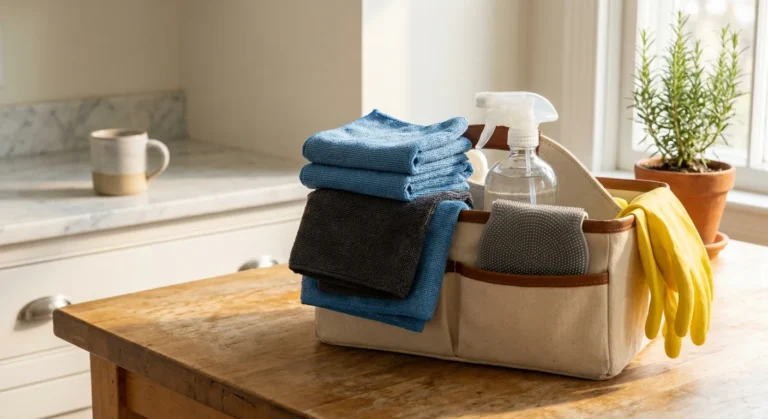
Professional cleaners invest their money in bulk packs of high-quality microfiber cloths. Microfiber proves vastly more absorbent than paper, stands up to heavy scrubbing, and leaves a brilliant, streak-free finish on delicate glass and shiny stainless steel.
By color-coding your microfiber cloths, you easily prevent harmful cross-contamination without ever relying on disposable products. Assign blue cloths strictly for glass and mirrors, green cloths for kitchen countertops, and yellow cloths for scrubbing the bathrooms. When you finish your weekly cleaning routine, run the dirty cloths through the washing machine in warm water. Never use liquid fabric softener, as the waxy residue coats the synthetic fibers and destroys their absorbency.
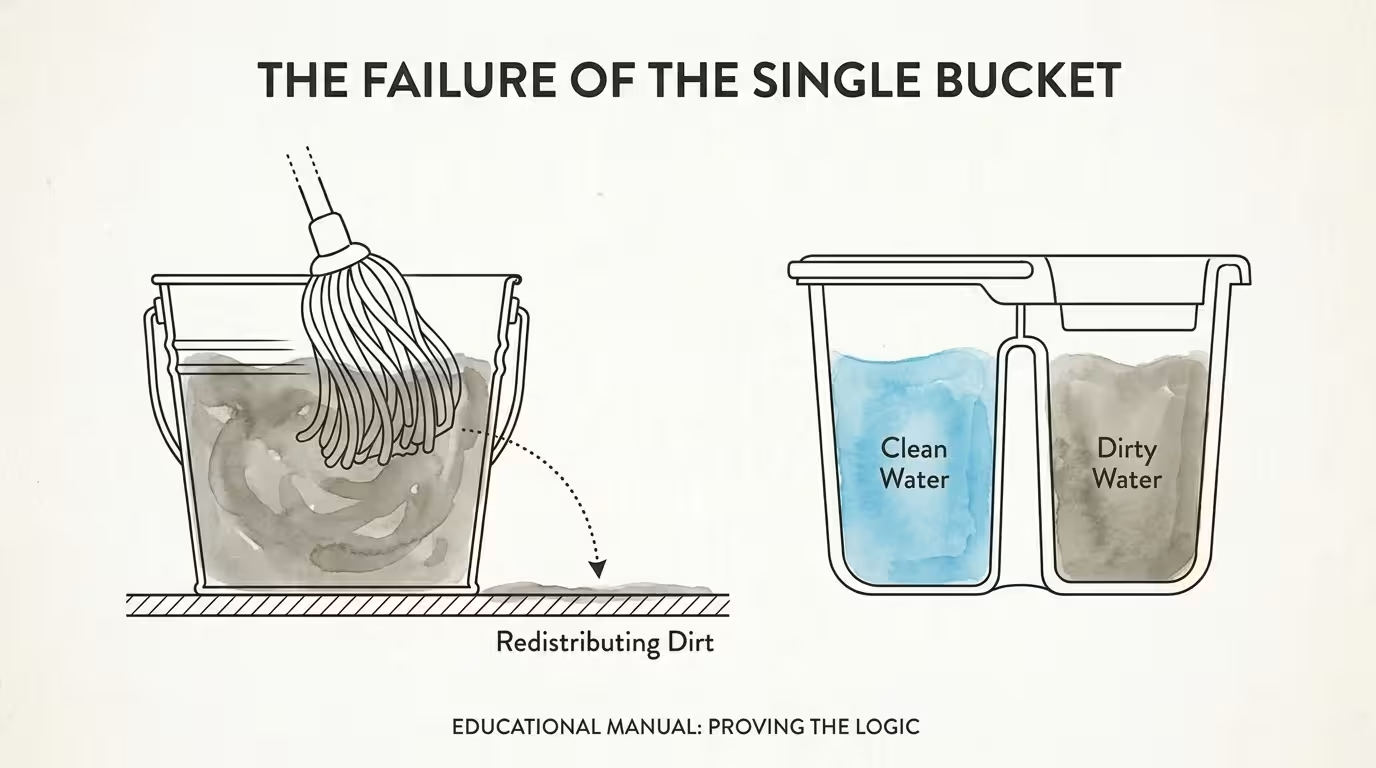
7. String Mops and Single-Bucket Systems
The traditional cotton string mop paired with a single bucket of water represents a fundamentally flawed cleaning method. The very first time you dunk a dirty mop back into your bucket, you contaminate your entire batch of cleaning solution. For the remainder of the job, you are essentially painting your floors with dirty, soapy water. As that muddy water eventually evaporates, it leaves behind a sticky detergent residue that traps new dirt instantly, slowly turning your bright white grout lines a permanent shade of dark gray.
Professionals absolutely refuse to push dirty water around a client’s home. Instead, they use modern flat mops equipped with interchangeable microfiber pads. If you want floors that actually feel clean under your bare feet without any sticky residue, implement this highly effective step-by-step flat mop method:
- Prep the Area: Sweep or vacuum the floor thoroughly to remove all loose dirt, crumbs, and pet hair.
- Prepare the Solution: Fill a handheld spray bottle with your chosen floor cleaner (a highly diluted neutral cleaner works best to prevent residue).
- Mist the Floor: Spray a small three-foot section of the floor directly with the bottle.
- Wipe the Section: Run your dry or slightly damp microfiber flat mop over the misted area in a figure-eight motion.
- Swap the Pad: Once the mop pad becomes visibly soiled, peel it off, toss it in the laundry pile, and attach a fresh, clean pad before moving to the next room.
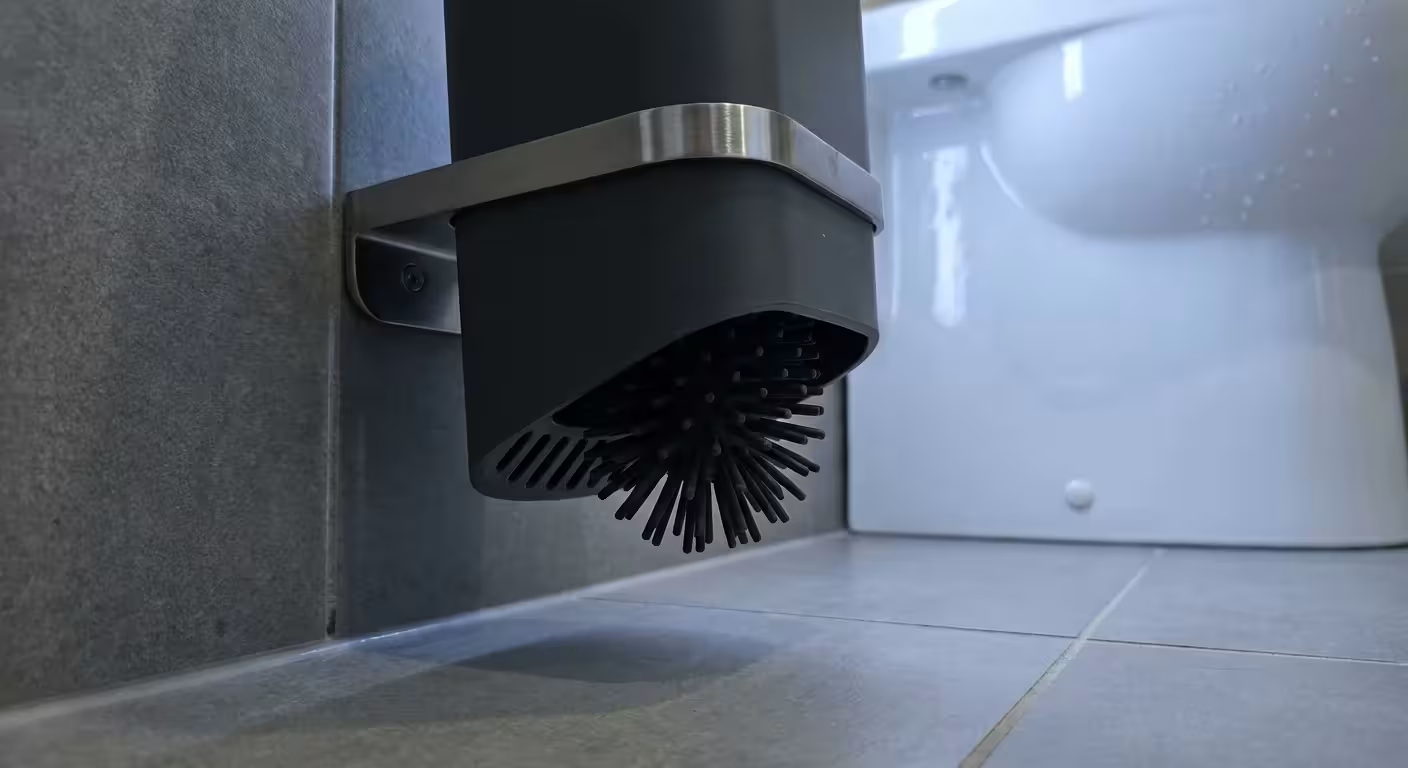
8. Toilet Brushes Sitting in Stagnant Water
Take a look at the toilet brush sitting on the floor next to your bathroom vanity. Most traditional brush holders are designed as sealed, cylindrical plastic cups. After you scrub the toilet bowl, placing a dripping-wet brush directly back into that dark, unventilated cup creates a stagnant pool of highly contaminated water. Every single time you pull the brush out to use it again, you release a horrific odor and risk dripping bacteria-laden water across your clean bathroom floor.
Professional cleaners never let their primary tools sit in their own filth. They prefer sleek silicone brushes that naturally repel water, or disposable wand systems that click the dirty scrubbing head directly into the trash can when the job concludes.
If you prefer keeping a reusable bristle brush, you must permanently change how you store it. After scrubbing the bowl, trap the long handle of the brush underneath the heavy toilet seat so the wet bristle head hangs directly over the water. Let it drip-dry completely for ten to fifteen minutes before placing it back into its plastic holder. Furthermore, drill a few small ventilation holes near the top of your holder to encourage constant airflow, and pour a splash of hydrogen peroxide into the base to neutralize odors and kill lingering germs between uses.
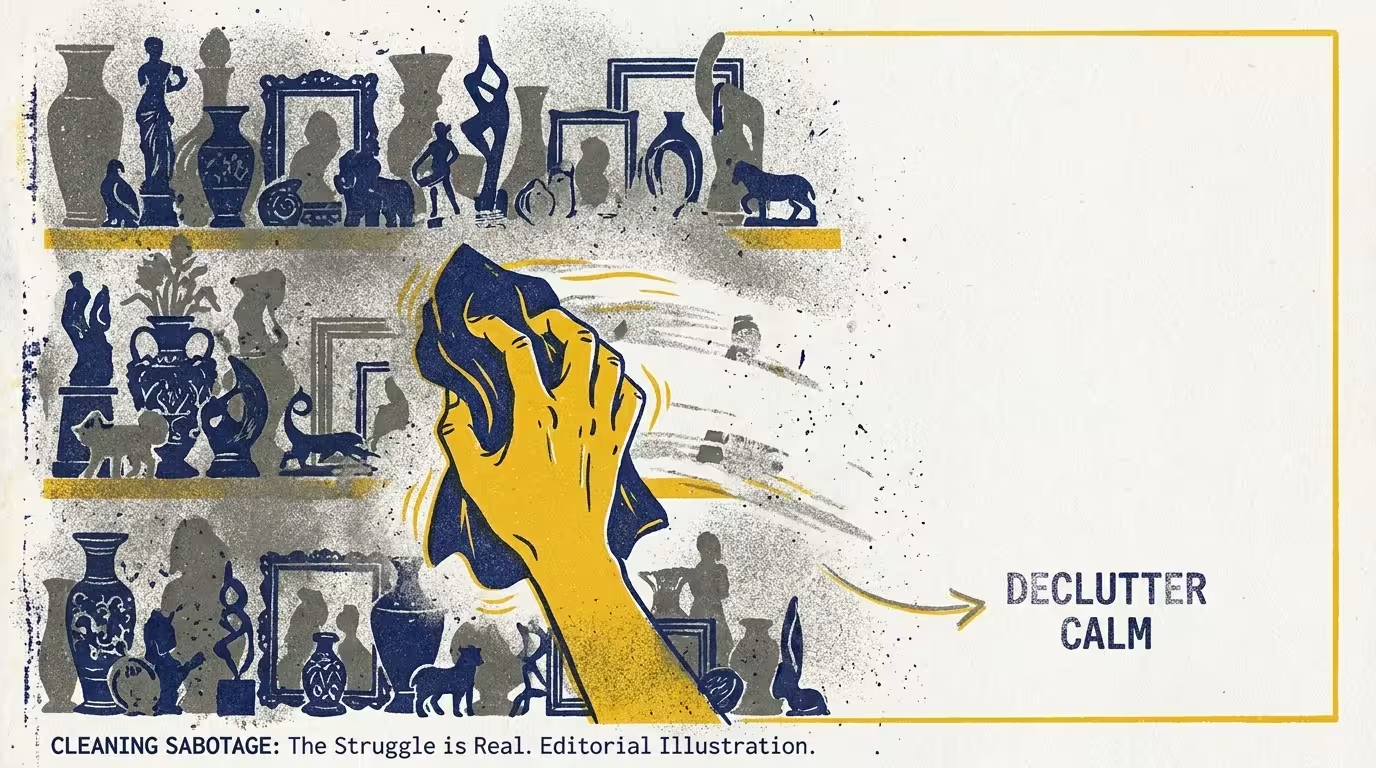
9. Open-Shelf Dust Catchers (Excessive Knickknacks)
While an abundance of knickknacks is not technically a cleaning product, excessive items placed on open shelving constitute a lifestyle choice that professional organizers and cleaners strongly advise against. Every framed photo, tiny decorative figurine, and half-burned candle requires individual attention during a cleaning session. When a single surface is covered in twenty small items, you have to pick up every single piece, wipe the shelf underneath, wipe the item itself, and carefully place it back in its exact spot. This tedious process turns a quick five-minute dusting session into a frustrating, hour-long chore.
Professionals know that intense visual clutter equals high cleaning friction. The harder a surface is to wipe down, the less often you will actually dedicate the time to do it. Professional organizers refer to this concept as reducing visual noise; when a room has less visual noise, it feels significantly more serene and invites you to relax rather than reminding you of pending chores.
You do not have to throw away your favorite possessions, but you do need to corral them intelligently. Embrace the highly practical concept of “tray styling.” By grouping several small decorative items together onto a single attractive tray, you only have to lift one solid object to wipe the surface underneath. For much larger collections, utilize storage cabinets featuring glass doors. The glass front allows you to enjoy your beautiful display daily without exposing every delicate piece to the relentless accumulation of household dust.
Do not try to overhaul your entire cleaning closet in a single afternoon. Start by grabbing a garbage bag and walking through your home to identify just one of the saboteurs on this list. Throw out the sour kitchen sponges or the expired chemical air fresheners today. Once you experience how much easier it is to maintain a space without fighting against your own supplies, you will naturally want to streamline the rest of your home.