Visual noise ruins the peaceful retreat you deserve, but fixing a few common clutter mistakes instantly transforms your space. Eliminating surface clutter removes the mental weight from your daily routine, lowering your stress and saving you hours of cleanup. Small culprits like paper piles, tangled cords, and crowded countertops trick the eye into seeing chaos even when your house is perfectly clean. You do not need to spend an entire weekend purging every closet to create an organized home. By targeting the exact hotspots that generate visual friction, you easily reclaim your living areas. We will explore the ten most common offenders that drag down the look of your rooms and the practical ways to solve them today.
Paper Piles Covering Flat Surfaces
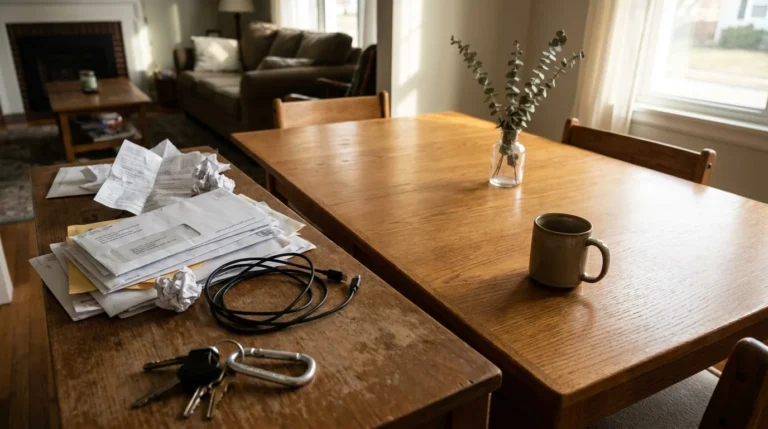
The moment you walk through the door, it is tempting to drop the day’s mail on the dining table or kitchen island. Before long, that single envelope turns into a sprawling paper pile containing bills, magazines, school permission slips, and shopping receipts. Flat surfaces act like magnets for paperwork, and nothing drags down the look of a tidy house faster than random stacks of paper.
You might be tempted to toss all those old shopping receipts straight into your recycling bin, but you should handle them differently. Most thermal receipts contain Bisphenol A (BPA) or Bisphenol S (BPS), which act as chemical developers for the ink. Environmental experts advise against recycling thermal receipt paper because the chemicals contaminate the recycled paper stream and enter local waterways. You should simply throw thermal receipts in the regular trash. Better yet, decline the paper copy and ask the cashier to email your receipt instead.
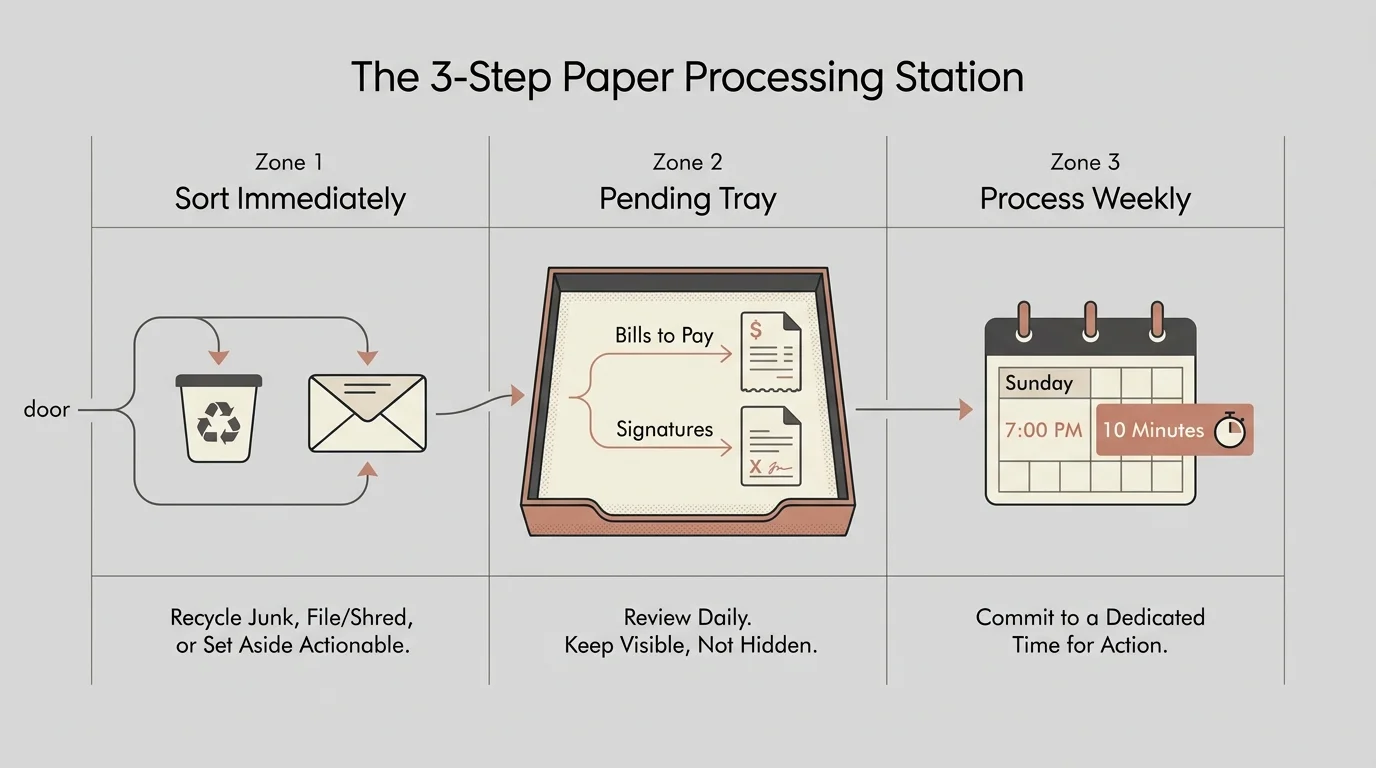
To conquer paper clutter permanently, set up a dedicated processing station using a step-by-step approach:
- Sort immediately: Place a small trash can near the door to discard junk mail the second you walk inside.
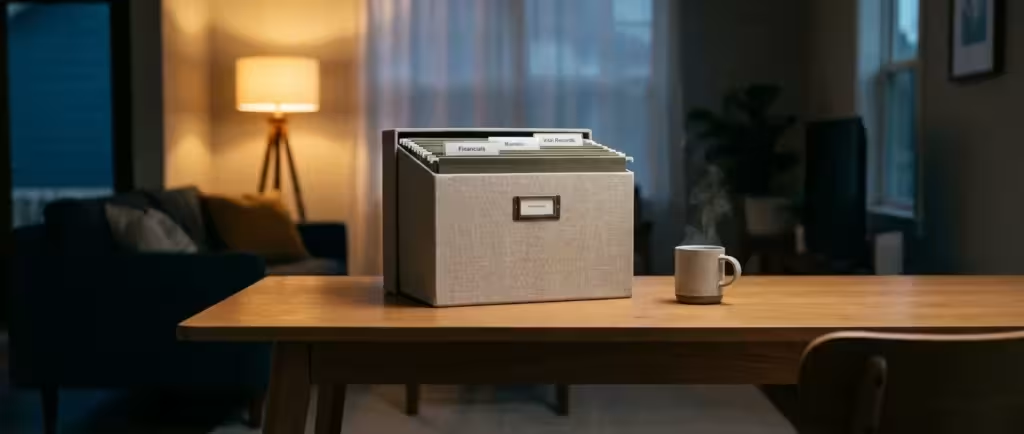
- Create a pending tray: Designate a single decorative tray or wall-mounted file for bills requiring payment and documents needing a signature.
- Process weekly: Schedule ten minutes every Sunday evening to empty the pending tray; file what you must keep and shred the rest.
Tangled Cable Clutter and Power Cords
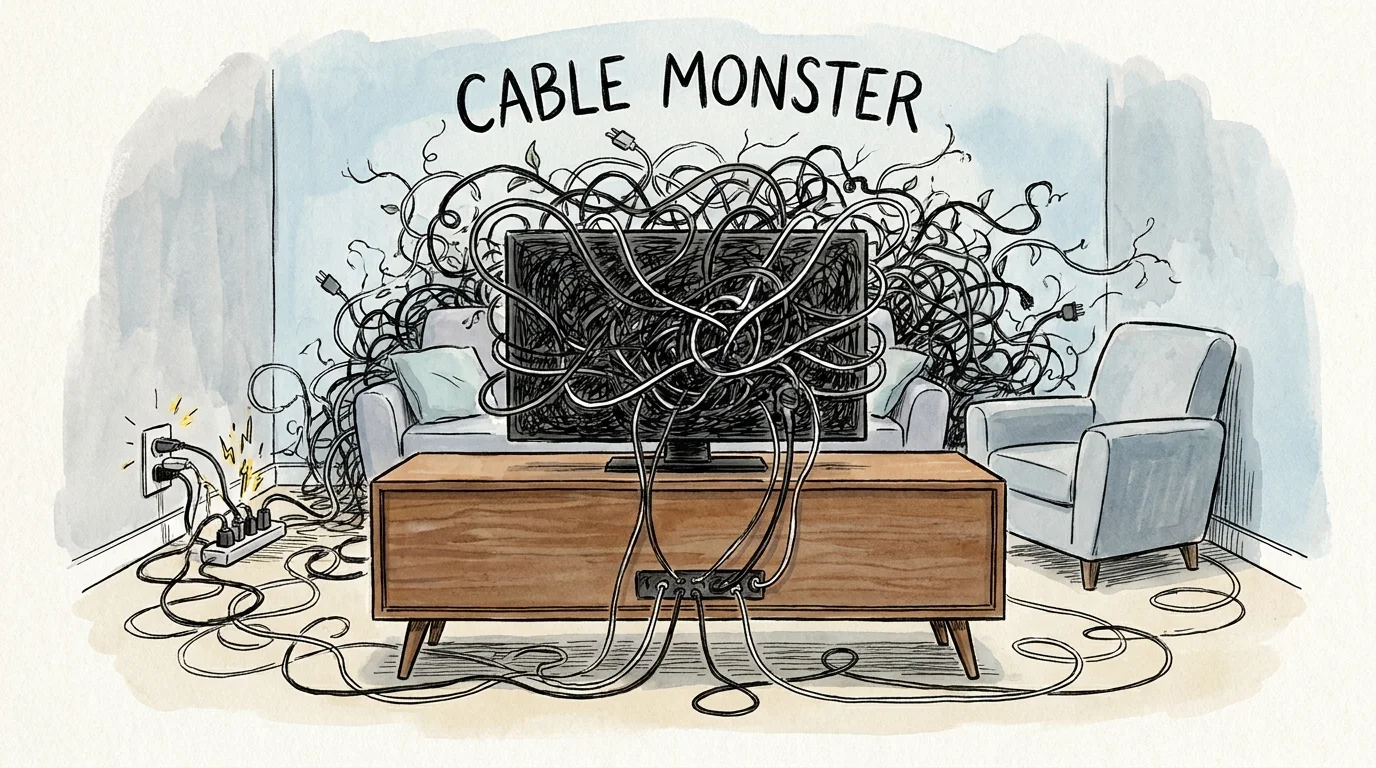
Technology enhances our lives, but the accompanying web of power cords, charging cables, and extension wires instantly cheapens the look of any room. Seeing a tangled mass of black and white cables pooling beneath your television console or wrapping around your nightstand creates a chaotic, unfinished aesthetic. It also complicates your vacuuming routine and gathers an astonishing amount of dust.
When attempting to hide cables, you must prioritize safety over aesthetics. It is incredibly common to run extension cords beneath area rugs or tight behind heavy furniture to obscure them from view, but this creates a serious hidden danger. The National Fire Protection Association warns that covering electrical cords traps heat and frequently leads to severe home fires. Cords require proper air circulation to prevent their insulation from breaking down and sparking.
Instead of hiding cords unsafely, you can manage them beautifully using proper cable management tools. Secure loose cords to the back legs of your furniture using inexpensive hook-and-loop ties. For desks and entertainment centers, mount a wire management basket directly under the wooden surface to hold power strips off the floor. Swap out messy charging stations for a multi-device charging block housed inside a sleek bamboo or acrylic organizer, which hides the jumble of wires while keeping your devices accessible.
Overcrowded Kitchen Countertops
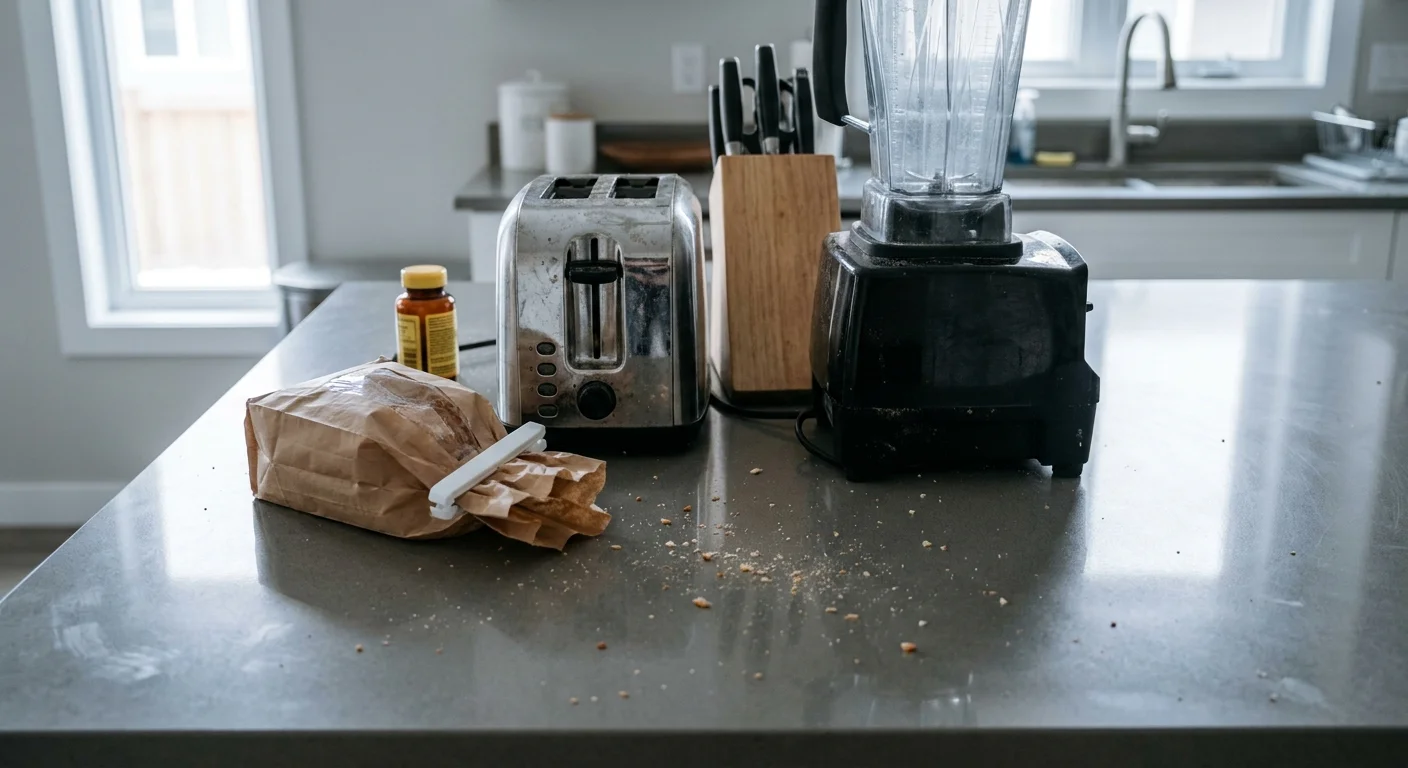
Your kitchen is a workspace, but leaving every tool, appliance, and condiment bottle out on the counter drastically shrinks your usable area. An overcrowded kitchen counter looks stressful and makes food preparation significantly more difficult. When your counters are buried under air fryers, utensil crocks, and coffee accessories, the entire kitchen feels cramped and messy.
Beyond aesthetics, crowded counters present a genuine sanitation challenge. Every item sitting near your sink or stove absorbs grease splatter, food particles, and moisture. According to comprehensive home hygiene studies, kitchen countertops frequently harbor dangerous coliform bacteria because cluttered surfaces prevent homeowners from properly disinfecting the entire area. You cannot thoroughly sanitize a surface if you have to wipe around ten different appliances and decorative jars.
To easily distinguish between what should stay and what should go, evaluate your appliances using a simple frequency rule.
| Appliance Usage Frequency | Storage Recommendation | Examples |
|---|---|---|
| Daily Use | Keep on the counter, pushed neatly against the backsplash. | Coffee maker, toaster, electric kettle. |
| Weekly Use | Store in an easily accessible lower cabinet or pantry shelf. | Blender, air fryer, stand mixer. |
| Monthly Use (or less) | Store on a high shelf, in a storage closet, or consider donating. | Slow cooker, waffle iron, food processor. |
By clearing the non-essentials, you instantly elevate the kitchen’s visual appeal and ensure you can swiftly sanitize your food prep zones.

Bottlenecked Entryways and Drop Zones
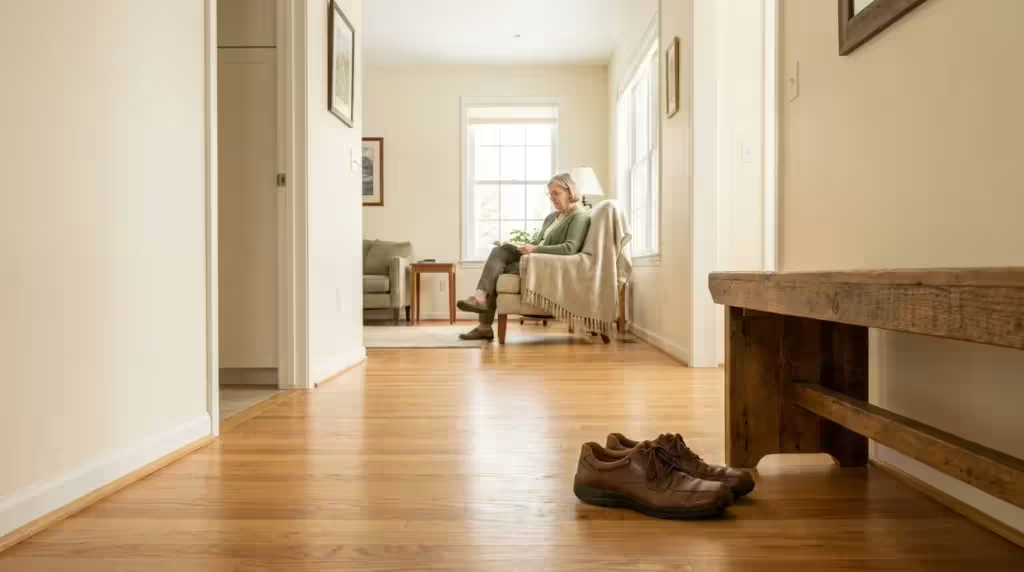
The entryway sets the tone for your entire home. When you step through the front door and immediately face a tripping hazard of discarded shoes, overflowing coat hooks, and abandoned backpacks, your brain registers the environment as hostile. This visual bombardment actually triggers a physical stress response. Health researchers point out that navigating a cluttered home spikes cortisol levels, particularly for women, making it incredibly difficult to relax after a long day.
Entryway clutter accumulates because family members lack a frictionless system for unloading their belongings. If putting a coat away requires opening a jammed closet door, fumbling with a bulky hanger, and squeezing the garment between heavy winter coats, people will simply drape it over the nearest chair. The secret to an organized home is making the right choice the easiest choice.
To fix a bottlenecked drop zone, you must assign a specific home for the items that land there daily. Install sturdy wall hooks at varying heights so children can easily hang up their own jackets. Place a long, narrow bench in the hallway with a segmented shoe rack tucked neatly underneath. Provide a designated catch-all bowl on a slim console table specifically for keys and sunglasses. When every item has an obvious destination, the clutter evaporates organically.
Refrigerators Covered in Magnets and Paper
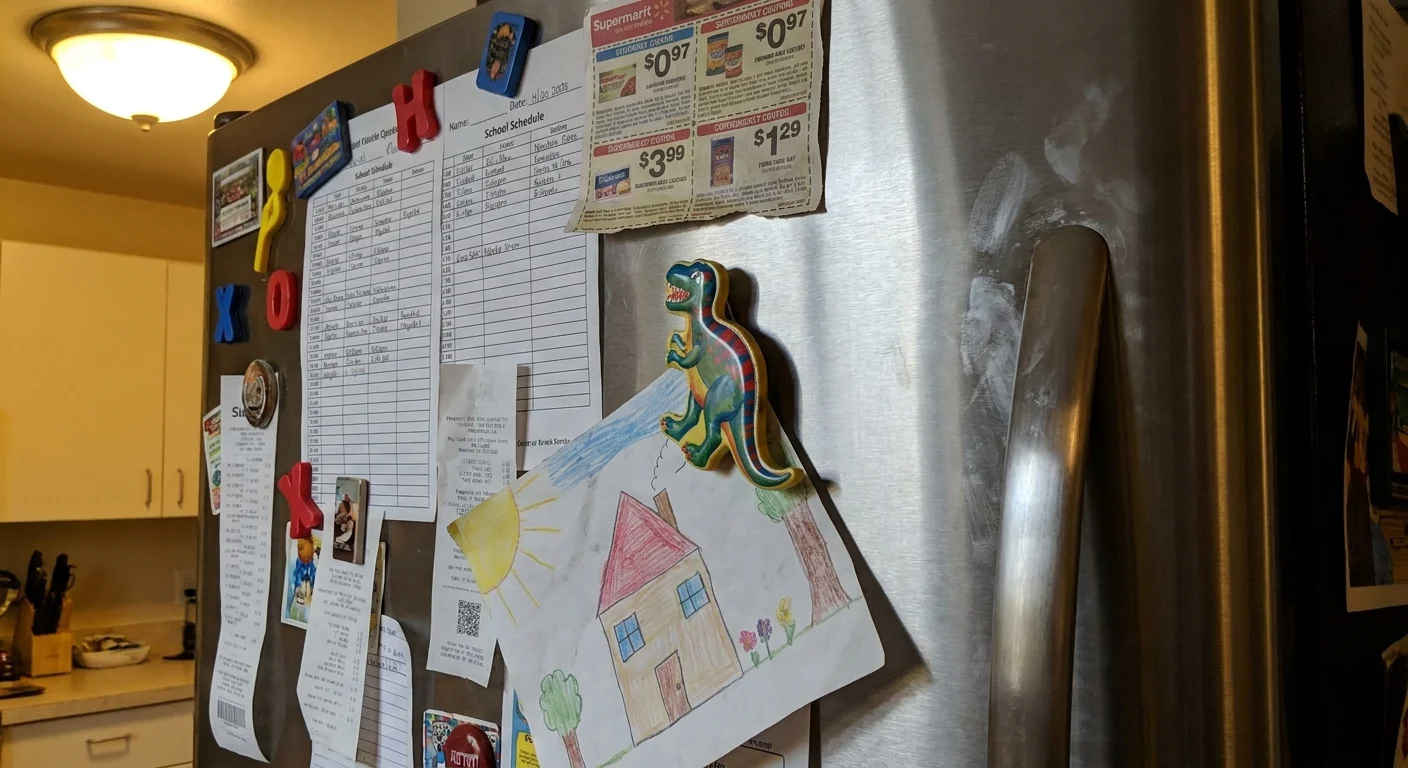
We often use the refrigerator door as a household bulletin board, layering it with appointment reminder cards, children’s artwork, takeout menus, and an assortment of novelty magnets. Because the refrigerator is a large, metallic monolith that usually sits at eye level, anything attached to it immediately draws focus. A fridge plastered in overlapping papers acts as a giant billboard of visual noise, making an otherwise pristine kitchen look frantic.
While displaying cherished memories or tracking important dates is necessary, the side of an appliance is rarely the best canvas. To instantly calm the room, remove absolutely everything from the refrigerator doors. You will likely find expired coupons, invitations to events that happened months ago, and magnets holding up nothing at all. Give the exterior a thorough scrub with a specialized stainless steel or appliance cleaner to restore its original shine.
If you rely on visual reminders to manage your household, relocate that command center to a more purposeful location. Hang a framed magnetic white board inside a pantry door or on a narrow wall near the garage entrance. Dedicate a specific, framed corkboard in the home office or kids’ bedrooms to rotate and display their artwork beautifully. Leaving the refrigerator bare instantly expands the visual space in your kitchen.
Daily Grooming Products Left on Bathroom Vanities
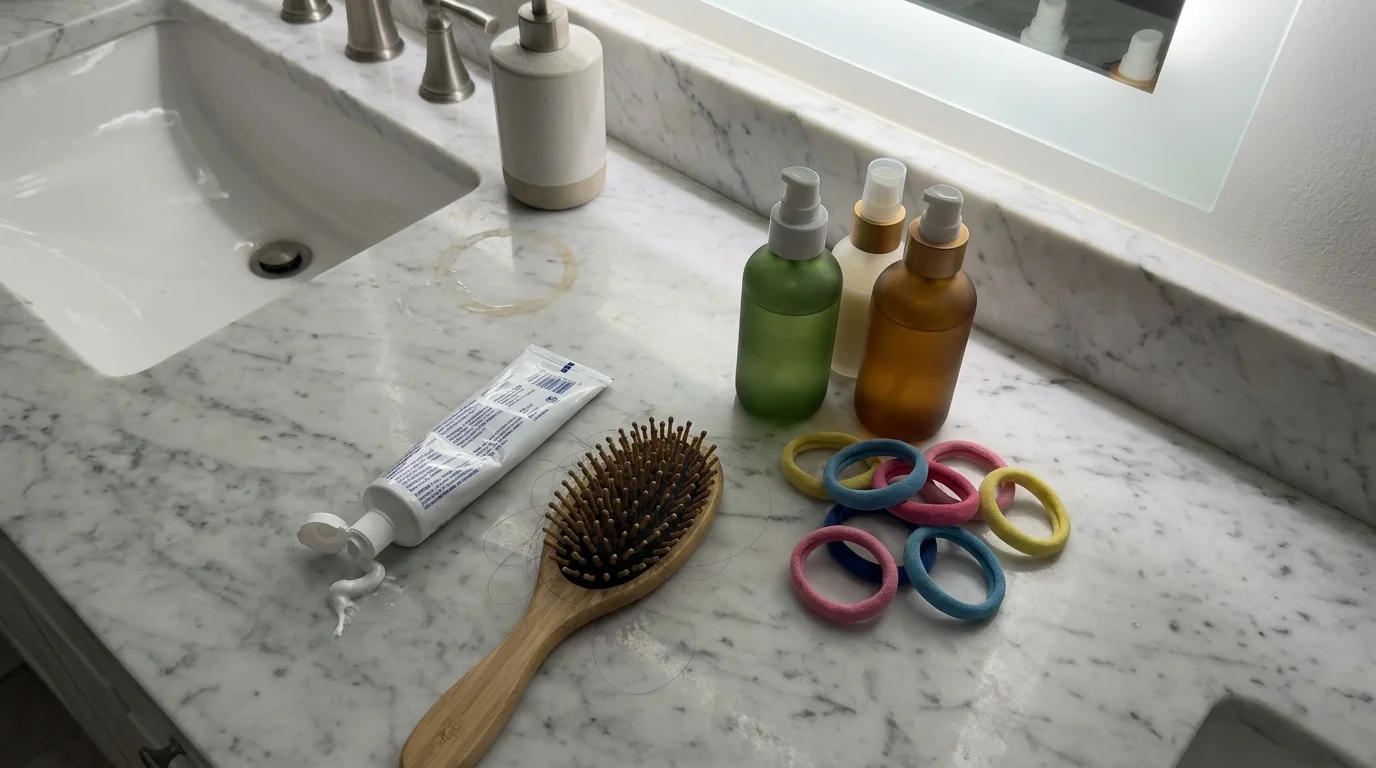
The bathroom should serve as a calming oasis where you prepare for the day or wind down before bed. Unfortunately, bathroom countertops frequently become a staging ground for toothpaste tubes, moisturizers, makeup brushes, and hair styling tools. Because these items vary wildly in color, size, and shape, a collection of bottles left on the vanity immediately looks messy—even if they are lined up perfectly.
Bathrooms also endure high levels of humidity and dust, which stick to the exterior of every product sitting out. Hairspray residue and water spots make bottles look grimy, compounding the untidy appearance. For a streamlined, hotel-like aesthetic, your bathroom vanity should hold only the absolute essentials: liquid hand soap and perhaps a small, decorative plant.
To achieve this, you need to maximize your concealed storage. Implement a system of modular acrylic bins inside your drawers to separate cosmetics from dental care. If you lack drawer space, attach adhesive organizers to the inside of your cabinet doors to hold your daily skincare routine. For items like hair dryers and curling irons, use a heat-safe silicone holster that hangs inside the vanity cabinet. When your daily grooming products are hidden behind closed doors, wiping down the sink takes only seconds.

Excessive Throw Pillows and Untidy Blankets
Soft textiles add warmth and texture to a living room, but there is a fine line between cozy and cluttered. When your sofa features so many throw pillows that guests must move them just to sit down, the furniture looks overwhelmed. Similarly, blankets draped haphazardly over the backs of chairs or pooling on the floor make the room look like it was recently ransacked.
A common mistake is buying pillows in too many competing patterns and sizes, which creates visual friction. The eye does not know where to rest, so it interprets the seating arrangement as messy. You can easily fix this by paring down your collection. A standard sofa looks best with three to five carefully chosen pillows in coordinating, subtle textures.
Instead of abandoning extra blankets on the sofa, introduce a dedicated storage solution. A large, structured woven basket placed next to the couch provides the perfect home for rolled or neatly folded throws. Alternatively, invest in a storage ottoman where you can tuck bulky blankets completely out of sight. By keeping textiles controlled and intentional, your living room will feel spacious and welcoming rather than suffocating.
Items Resting Directly on the Floor
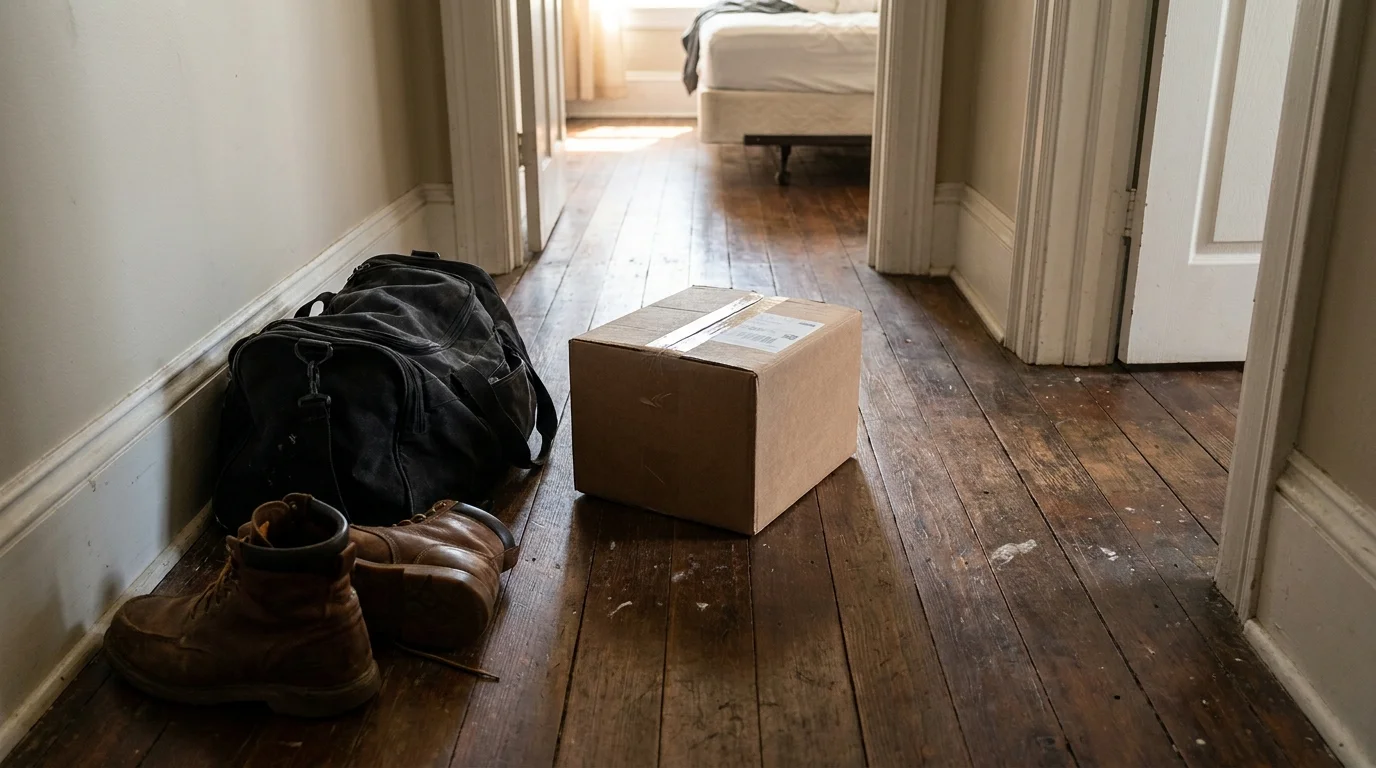
The amount of visible floor space in a room directly impacts how large and clean that room feels. When items rest directly on the floor—whether it is a stack of unread magazines, a gym bag, a potted plant that belongs on a stand, or random storage baskets—they interrupt the visual flow. Floor clutter forces the eye to stop and process each obstacle, making the area feel cramped and untidy.
Many people fall into the trap of using the floor as temporary storage, promising themselves they will put the item away later. However, once one item is allowed to live on the floor, it quickly attracts others. This also severely hinders your cleaning hacks; you cannot run a vacuum or mop quickly if you have to play a game of obstacle course with your own belongings.
Reclaim your floor real estate by utilizing your vertical space. Install floating shelves to hold heavy books and decorative boxes. Purchase plant stands with slender legs to elevate your greenery, allowing light and air to flow underneath. If you use baskets for storage, place them on the bottom shelf of a bookcase rather than directly on the carpet. Keeping the floor clear creates the illusion of a larger, calmer room.
Exposed Trash and Recycling Bins
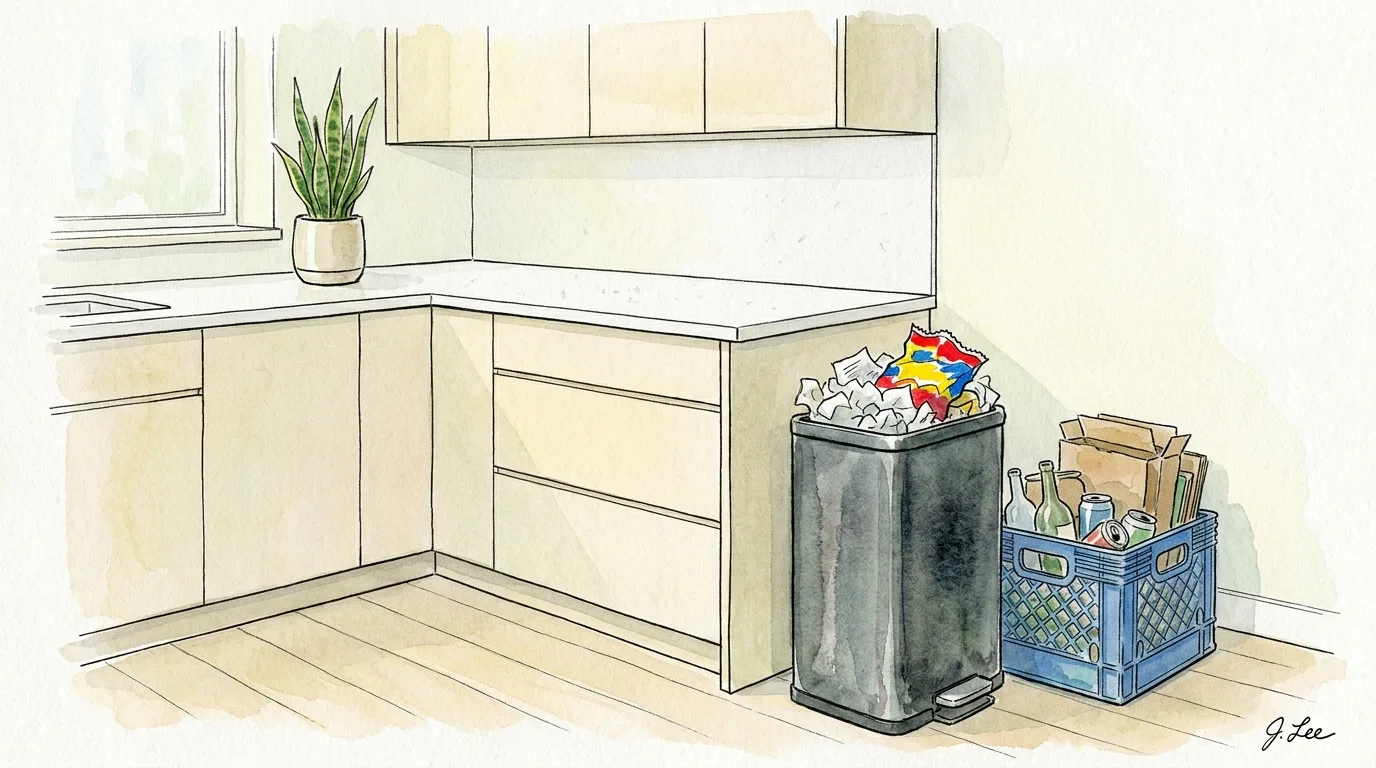
It might seem like a minor detail, but a visible plastic trash can sitting in the corner of a kitchen or bathroom instantly degrades the room’s aesthetic. Open bins exposing food wrappers, tissues, and packaging materials are the literal definition of clutter. Even if the rest of your home is immaculate, an exposed trash bag draws the eye and broadcasts a messy vibe.
Open bins also fail to contain odors and attract household pests. Upgrading your waste management system is one of the fastest ways to elevate your space. In the kitchen, the ultimate solution is a pull-out trash and recycling drawer installed inside a lower cabinet. If modifying your cabinetry is not an option, invest in a high-quality, stainless steel step can with a sturdy lid that completely conceals the garbage bag liner from the outside.
Apply this same rule to bathrooms and home offices. Swap out cheap wire mesh or open plastic bins for small step cans with soft-close lids. By simply hiding your household waste from plain sight, you remove a major source of visual friction and maintain a much cleaner atmosphere.
Mismatched or Clear Storage Containers Showing Chaos
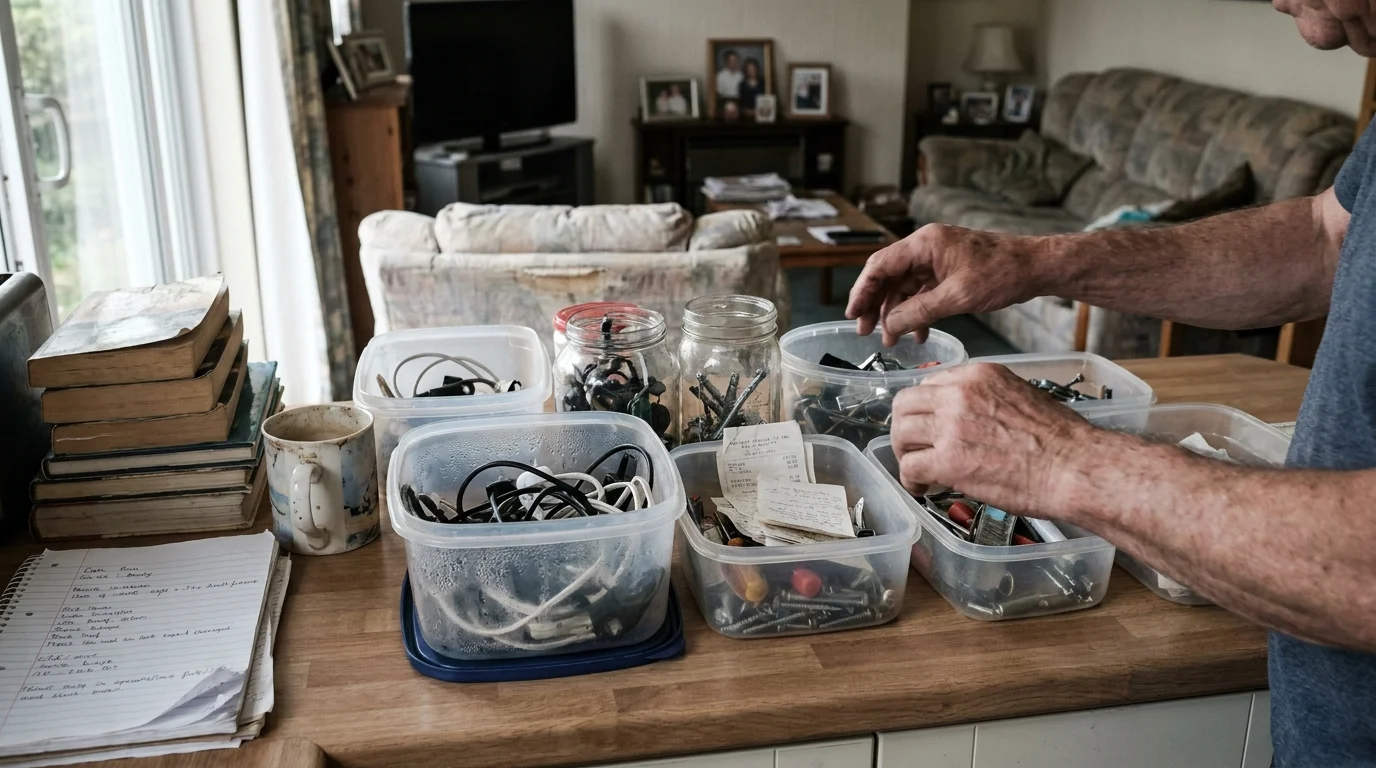
One of the most surprising decluttering tips is that poorly chosen storage containers can actually make your home look worse. It is incredibly tempting to buy sets of clear plastic bins to organize your pantry, linen closet, or playroom. While clear containers help you see exactly what is inside, they also put your messy belongings on full display. A clear bin crammed with brightly colored snack bags, tangled cords, or random toys just frames the clutter behind plastic.
Additionally, mismatched storage solutions—such as using a cardboard shoebox next to a plastic tub and a wicker basket—create a jagged, inconsistent look on your shelves. The lack of uniformity forces your brain to process too much visual information at once.
To achieve an organized home, choose opaque storage bins for items that are inherently messy or visually chaotic. Solid white, soft gray, or natural woven baskets conceal the jumble inside, presenting a smooth, uniform exterior to the room. Reserve clear containers only for visually pleasing items, like bulk dry goods neatly decanted in the pantry. Use uniform labels on your opaque bins so you always know their contents without having to look at the mess.
Where to Start Today
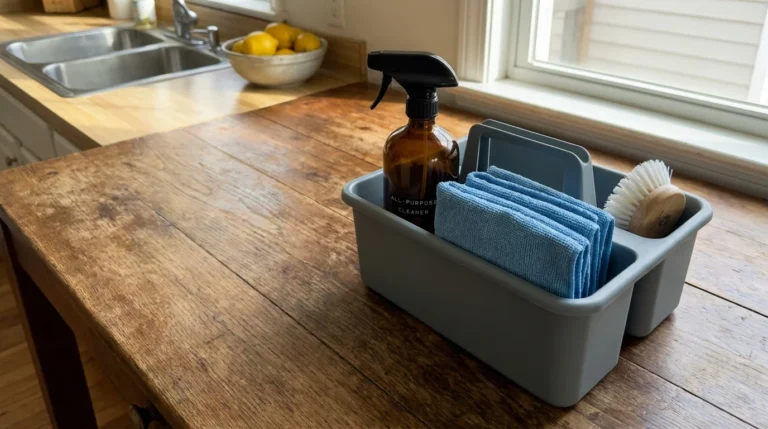
Tackling all ten of these areas at once will only leave you feeling exhausted. Instead, grab a single trash bag and a damp microfiber cloth, and focus entirely on clearing off your kitchen counters. Relocate the appliances you rarely use, wipe away the accumulated dust, and enjoy the immediate sense of accomplishment that comes from reclaiming your primary workspace. Once you experience how peaceful one clear surface feels, you will have the momentum to conquer the rest of your home.