Your dishwasher serves as a powerful workhorse that saves you hours of scrubbing far beyond your daily dinner plates. You can harness the high heat and strong water pressure of this appliance to effortlessly sanitize household items, streamline your chores, and maintain a healthier space. You can safely run many durable plastics, metals, and ceramics scattered around your home through a standard wash cycle. By rethinking how you use your machine, you eliminate tedious manual labor. Instead of spending your Saturday soaking sticky toys or scrubbing greasy kitchen filters by hand, let your appliance do the heavy lifting.
Hack 1: Sanitize Kitchen Sponges and Scrub Brushes
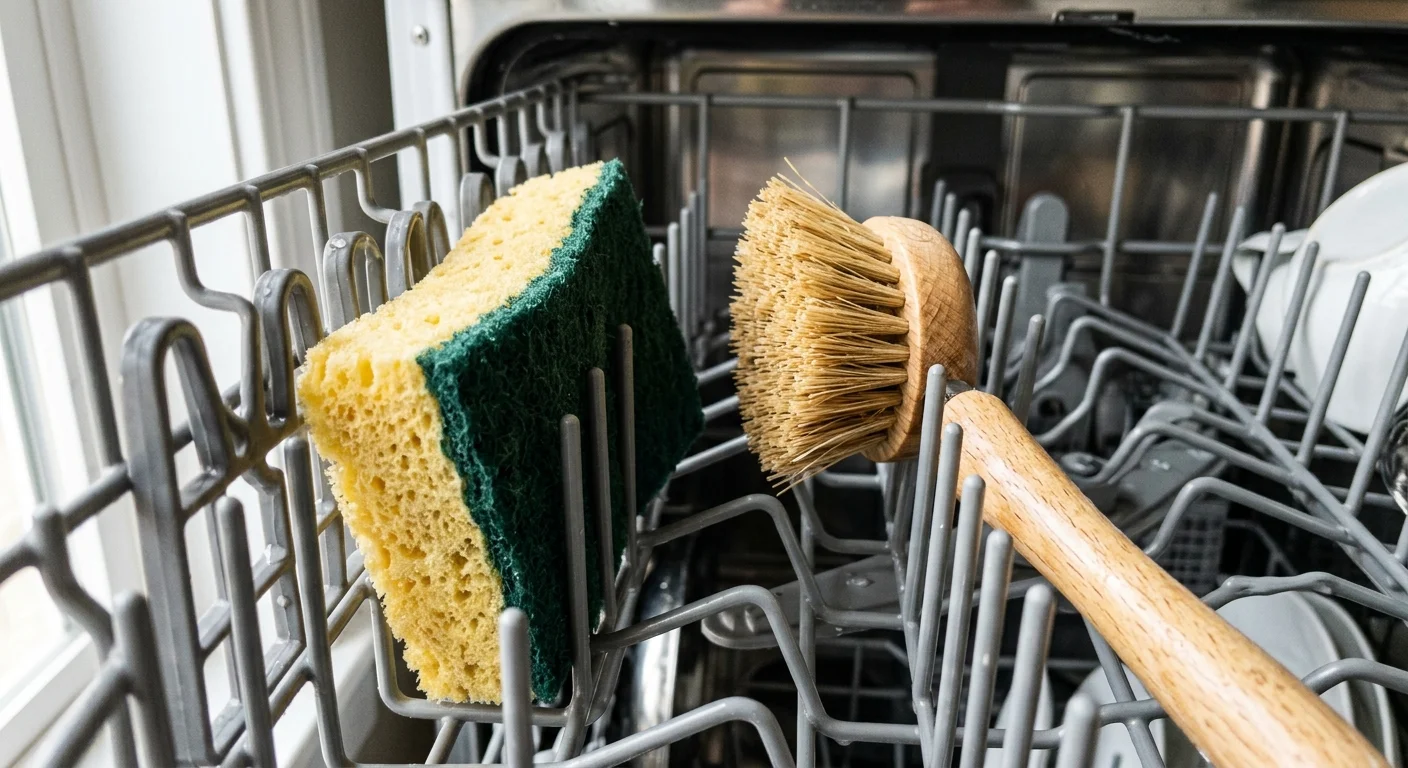
Kitchen sponges and dish brushes harbor millions of bacteria, quickly turning into a breeding ground for germs just days after their first use. When you wipe down your countertops with a contaminated sponge, you inadvertently spread that bacteria directly across your food preparation surfaces. The Centers for Disease Control and Prevention advises using a dishwasher to effectively sanitize these cleaning items. Give your sponge a thorough rinse in the sink to remove any large food particles, then secure it firmly on the top rack of your machine. Run your appliance using the hottest water setting available and enable the heated dry cycle. The combination of scalding water and intense steam reliably kills lingering microbes, leaving your cleaning tools fresh, odor-free, and safe to use again. Make this simple step a weekly habit to easily maintain a highly hygienic kitchen environment.
Hack 2: Degrease Range Hood Filters
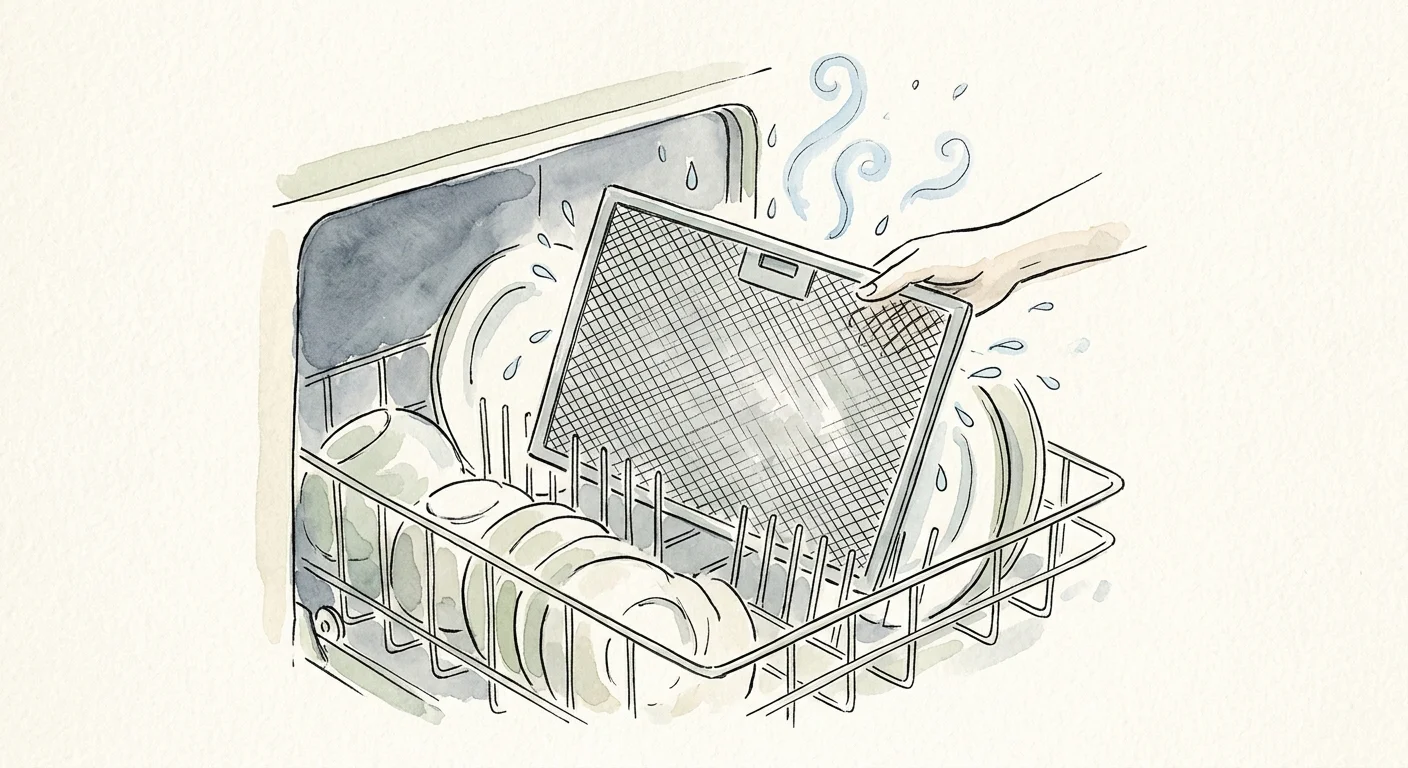
Your kitchen exhaust fan works incredibly hard to pull smoke, steam, and airborne cooking grease away from your stovetop. Over time, the metal mesh filters underneath the hood develop a thick, sticky layer of residue that restricts airflow and creates a serious fire hazard. Scrubbing this dense grease by hand takes endless patience, boiling water, and severe elbow grease; fortunately, your appliance handles it effortlessly. Major home appliance manufacturers like Whirlpool confirm that you can wash removable metal grease filters right in the dishwasher. Slide the filters out of the hood mechanism and place them flat on the bottom rack. Run a heavy-duty cycle with your standard detergent to dissolve the sticky buildup. The hot water cuts right through the grease, restoring optimal airflow to your kitchen ventilation system.
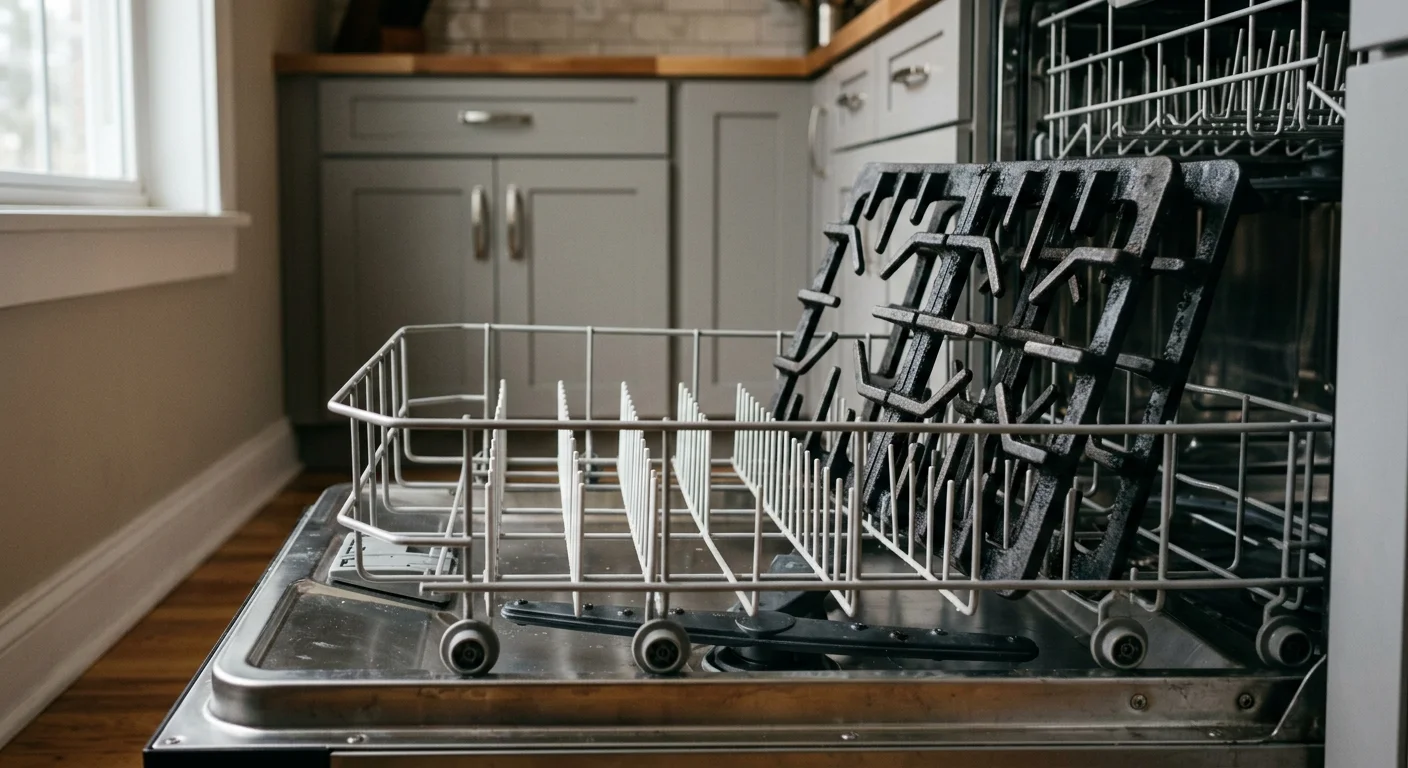
Hack 3: Clean Gas Stove Grates and Burner Caps
Gas stove grates endure boiling water spills, splattering bacon grease, and baked-on tomato sauces on a daily basis. Cleaning them manually usually involves harsh chemical degreasers, abrasive wire brushes, and plenty of frustration. Appliance experts at Maytag point out that many gas stove grates are entirely dishwasher-safe. Lift the heavy cast-iron or enamel-coated grates off your stovetop and arrange them carefully on the lower rack. Ensure they sit securely and do not block the spinning water spray arms beneath them. Select the most aggressive wash cycle available on your machine to power through the stubborn carbonized food. Always check your stove’s specific user manual first, as raw, uncoated cast iron requires special seasoning and should avoid water exposure entirely to prevent rust.
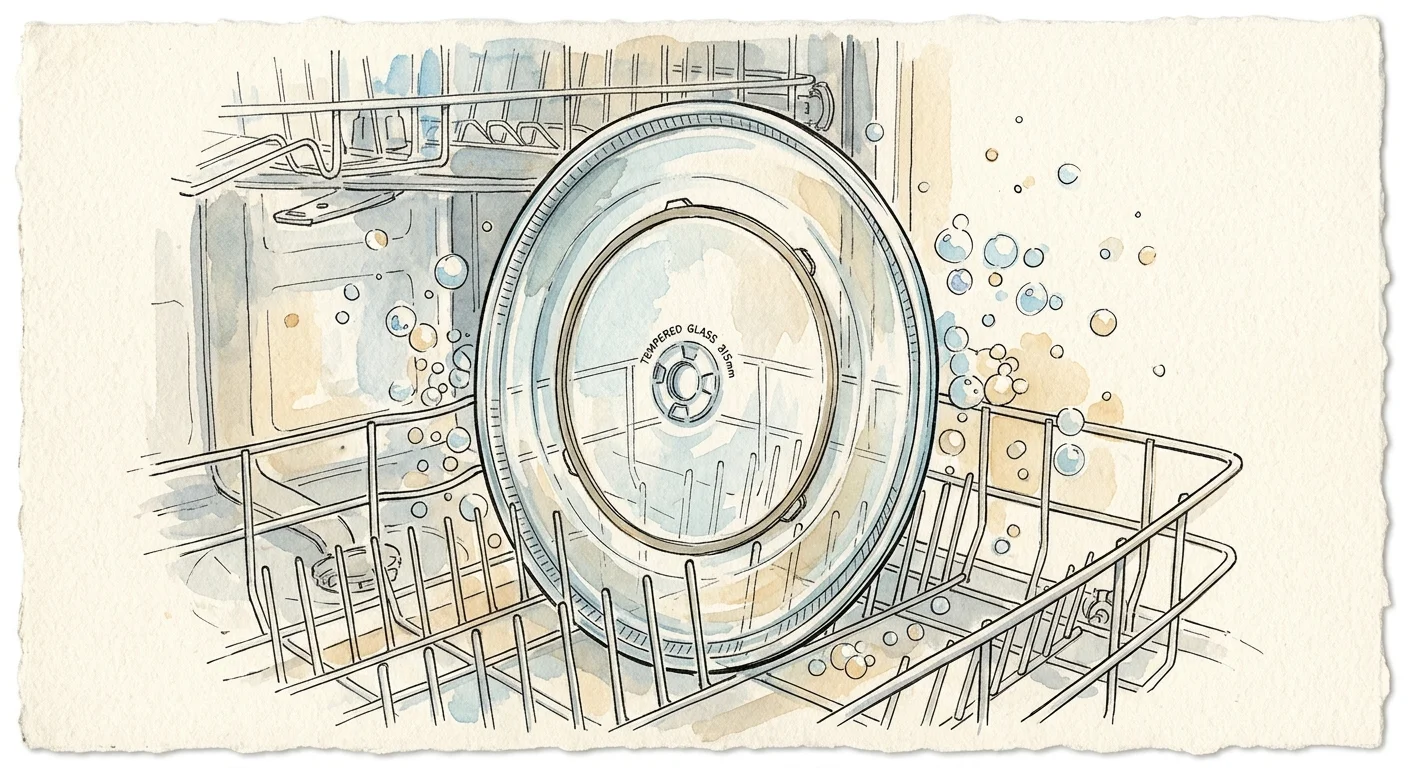
Hack 4: Wash the Microwave Glass Turntable
The glass turntable rotating inside your microwave catches every exploding bowl of soup and bubbling mug of coffee. Ignoring these messes causes the food to bake firmly into the glass during subsequent heating cycles, creating an unsanitary surface that emits terrible odors. Because these round turntables consist of thick, heavy-duty tempered glass designed to withstand high temperatures, they easily survive a trip through your dishwasher. Carefully lift the tray off its rotating plastic track and stand it upright in the bottom rack, exactly like you would position a large dinner plate. The high-pressure spray will blast away hardened melted cheese and dried sauces, restoring the glass to a sparkling, completely transparent finish without requiring you to scrub over the kitchen sink.
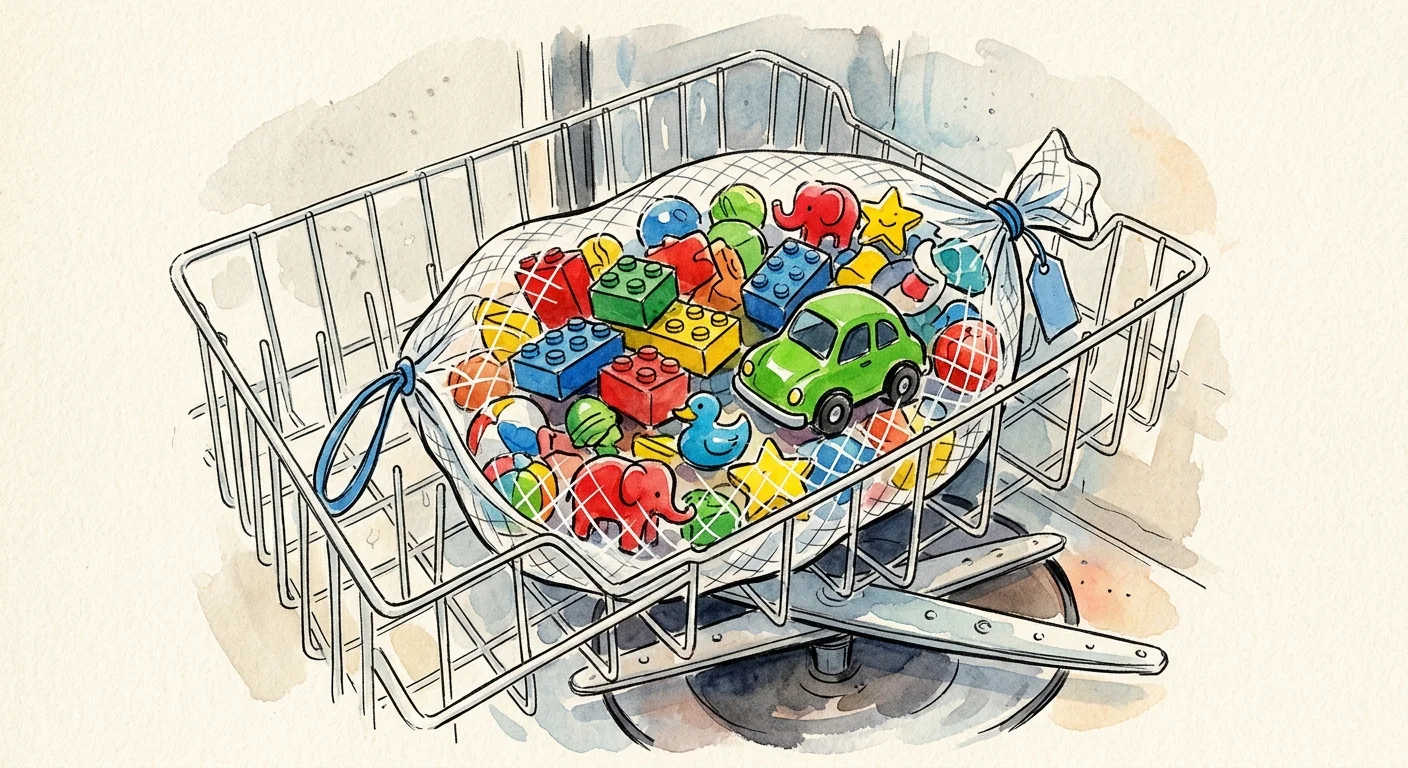
Hack 5: Freshen Hard Plastic Children’s Toys
Children constantly explore their environment with their hands, leaving sticky fingerprints and lingering germs all over their bedrooms and playrooms. Hard plastic building blocks, bath toys, and action figures quickly accumulate an impressive amount of grime. Hand-washing hundreds of tiny plastic bricks wastes hours of your valuable free time. Instead, gather up the small, hard plastic pieces and secure them tightly inside a zippered mesh laundry bag. Place the bag directly on the top rack of your dishwasher so the pieces cannot escape, fall down, and melt against the exposed heating element. Run a standard wash cycle with warm water. Skip the heated dry setting to ensure the high temperatures do not warp the plastic. This method thoroughly sanitizes the toys while saving you considerable effort.
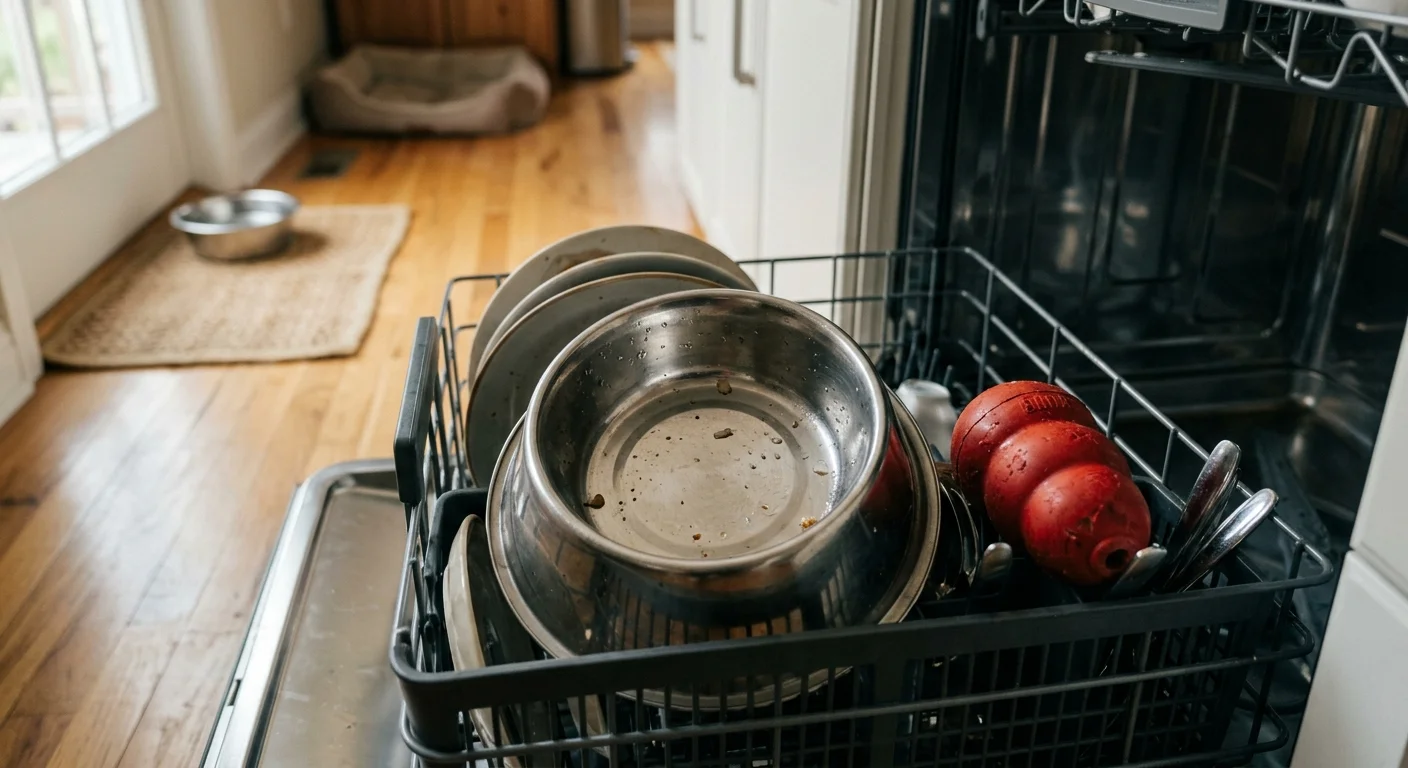
Hack 6: Disinfect Pet Bowls and Hard Rubber Chew Toys
Pet food bowls and chew toys develop a slimy, invisible layer of bacteria known as biofilm. This gross residue not only smells unpleasant but can also cause painful dental issues or upset stomachs for your furry friends. Standard hand washing with a sponge rarely cuts through the slick biofilm effectively. Stainless steel and ceramic bowls belong safely on the bottom rack, where the most intense water jets operate. Hard rubber chew toys fit perfectly on the top rack. Do not include soft plastic toys, woven ropes, or anything containing a squeaker, as the internal water saturation will ruin them permanently. Running these essential pet supplies through a hot sanitizing cycle keeps your animals healthy and your home smelling much fresher.
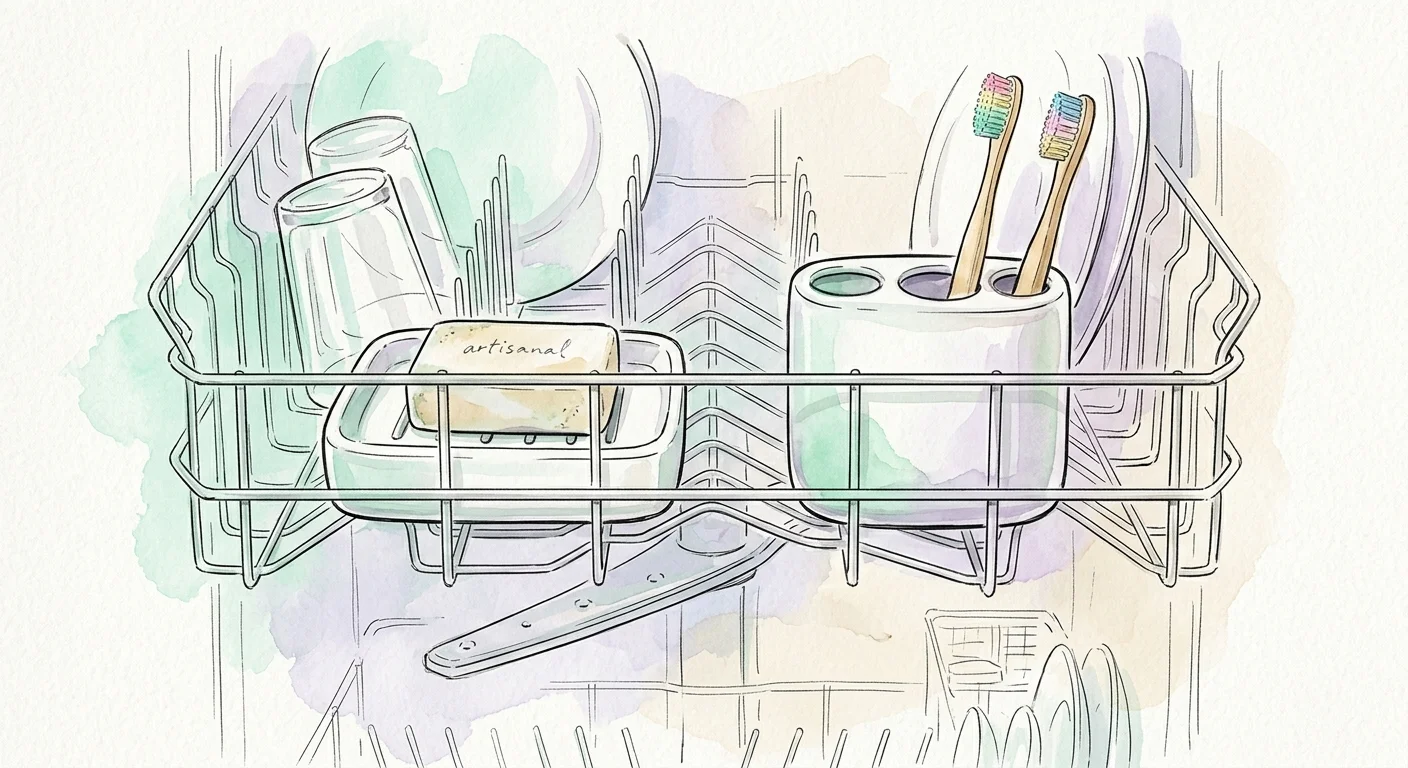
Hack 7: De-Gunk Soap Dishes and Toothbrush Holders
Moist, humid bathroom environments strongly encourage the rapid growth of mold, mildew, and pink bacteria. Your toothbrush holder catches dripping water and excess toothpaste every single morning, eventually creating a foul, hardened sludge at the bottom of the cup. Soap dishes suffer a very similar fate, becoming heavily encrusted with slick, immovable soap scum. Bring these stubborn bathroom accessories straight into the kitchen for a deep clean. Disassemble your toothbrush holder if it features a removable lid, and place all the separate pieces upside down on the top rack. The strong detergent breaks down the hardened toothpaste and eradicates the mildew, returning your bathroom accessories to a pristine state without requiring you to scrub tight corners with a tiny brush.
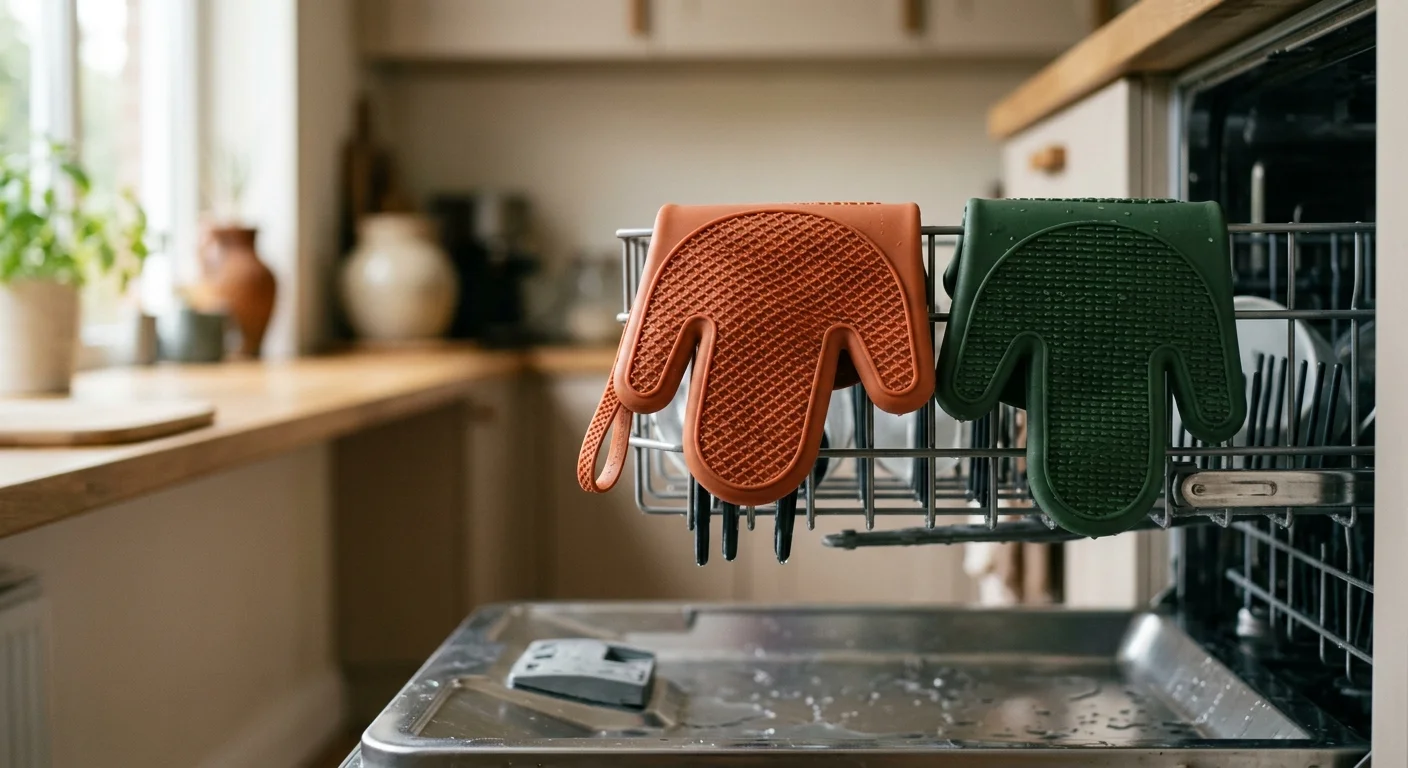
Hack 8: Revive Silicone Oven Mitts and Trivets
Silicone kitchen tools have completely revolutionized modern cooking, offering incredible heat resistance and flawless non-stick properties. Silicone oven mitts and thick trivets protect your hands and countertops from scorching temperatures, but they also attract a large amount of greasy fingerprints and heavy food splatters. While traditional cloth oven mitts require a trip through the clothes washing machine, modern silicone versions clean up beautifully in the dishwasher. Stand the flexible mitts upright over the vertical tines on the top rack to ensure the water jets spray directly inside the gloves. The intense heat of the wash cycle poses absolutely no threat to the highly durable silicone, allowing you to remove grease and stubborn food odors effortlessly.
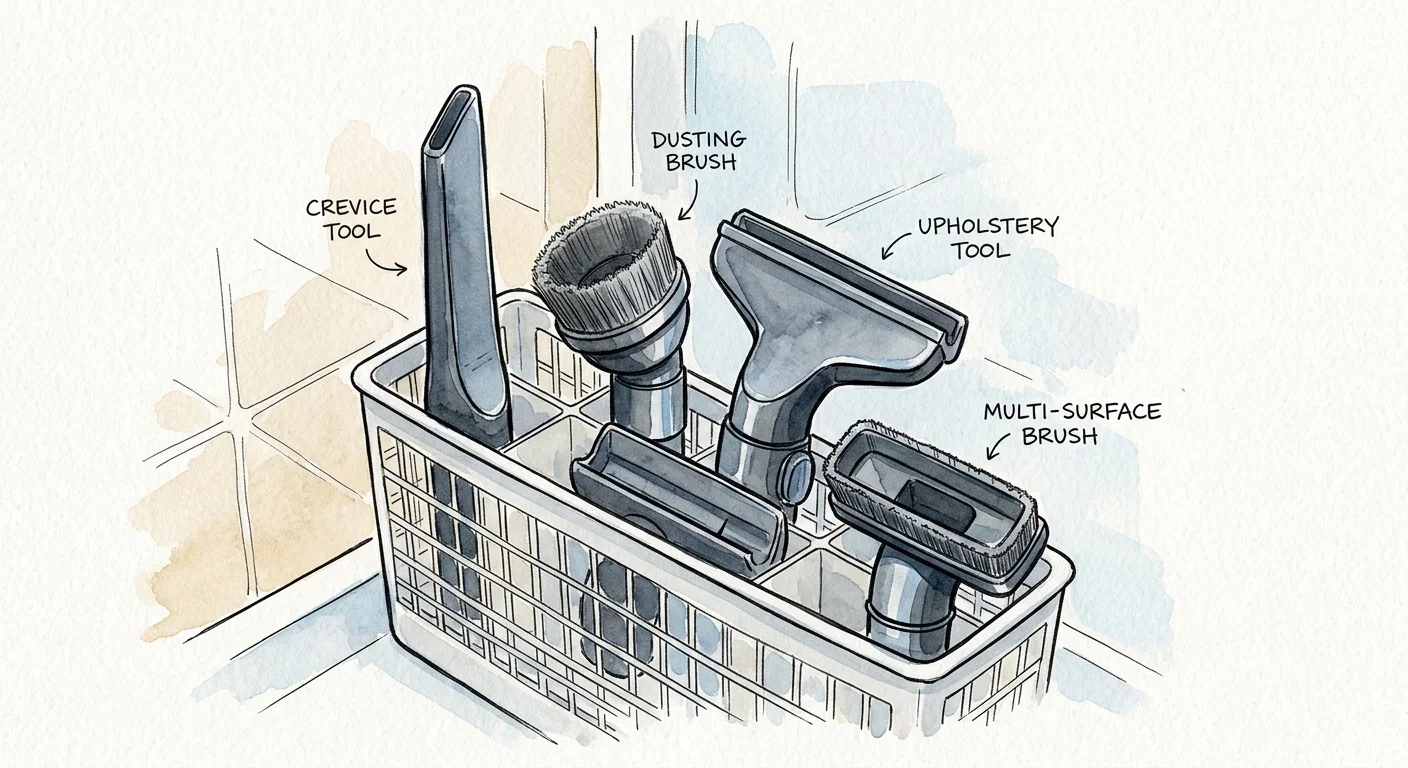
Hack 9: Wash Plastic Vacuum Attachments
Your trusted vacuum cleaner keeps your floors spotless, but the machine’s smaller attachments take a serious beating in the process. Narrow crevice tools and upholstery nozzles plunge deep into dusty corners and rub vigorously against dirty baseboards. Static electricity naturally causes fine dust and pet dander to cling stubbornly to the plastic surfaces. Before placing them in your dishwasher, thoroughly remove any large clumps of hair or heavy debris from the bristles. Place solid plastic attachments securely on the top rack. The hot water easily breaks the static bond and washes away the accumulated grime. Never wash attachments containing motorized parts, batteries, or natural bristles. Allow all washed pieces to air-dry completely for at least twenty-four hours before reattaching them to your vacuum.
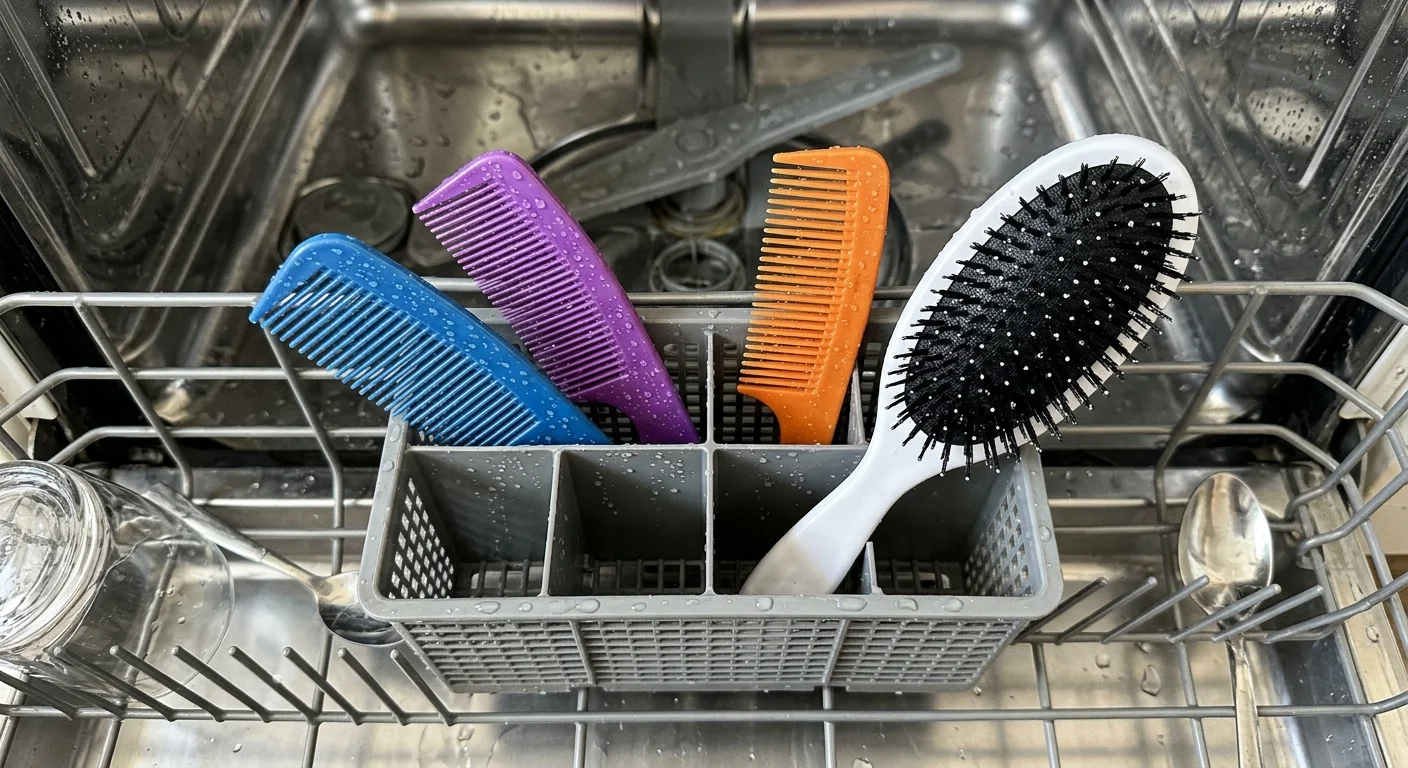
Hack 10: Clean Plastic Hairbrushes and Combs
Hairbrushes and daily combs accumulate a disturbing mixture of dead skin cells, scalp sebum, dandruff, and sticky hair product residue over time. A quick rinse under the running bathroom sink simply cannot cut through this stubborn, greasy buildup. Medical experts at WebMD note that solid plastic combs and hairbrushes belong on the top rack of your dishwasher, where the detergent strips away the accumulated oils and leaves the bristles perfectly clean. However, you must meticulously remove every single strand of hair before putting them in the machine. Loose hair will quickly bypass the filter, wrap tightly around the drain pump, and cause catastrophic damage to the appliance. Additionally, never place wooden brushes or natural boar bristle brushes in the dishwasher, as the extreme moisture will destroy them entirely.
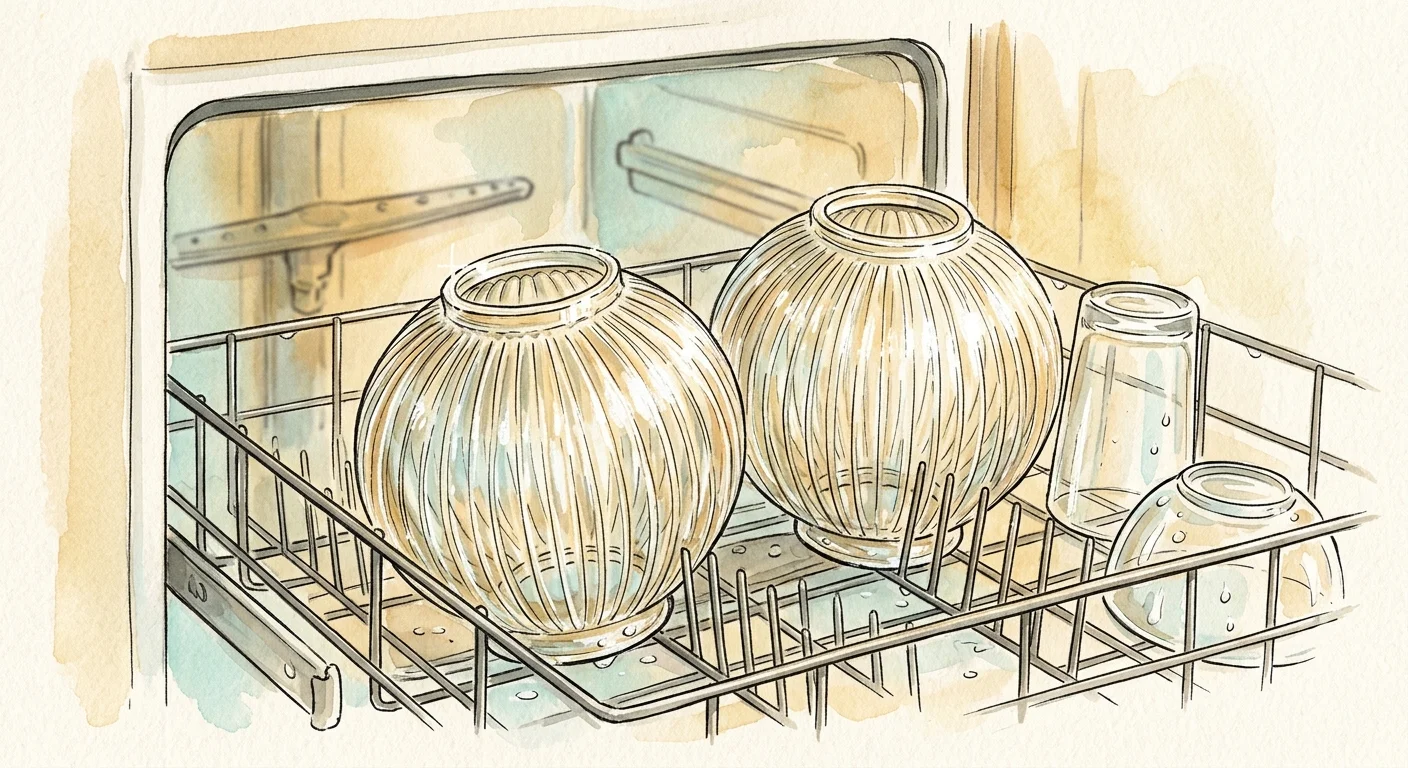
Hack 11: Dust Glass Light Fixture Globes
Ceiling fan globes and bathroom vanity shades sit high above your eye level, quietly collecting a thick layer of sticky household dust and dead insects. Taking them down to clean them by hand in a soapy sink often results in slippery hands and tragically shattered glass. Let your dishwasher handle this highly fragile task instead. Remove the plain glass globes from your light fixtures and secure them firmly over the tall tines on the top rack. Ensure they do not touch each other during the cycle to prevent accidental chipping from the vibrations. Use a gentle wash setting and make sure you skip the heated dry. This clever trick works wonders for plain, sturdy glass, but you should always hand-wash vintage, painted, or delicate crystal shades to preserve their finish.
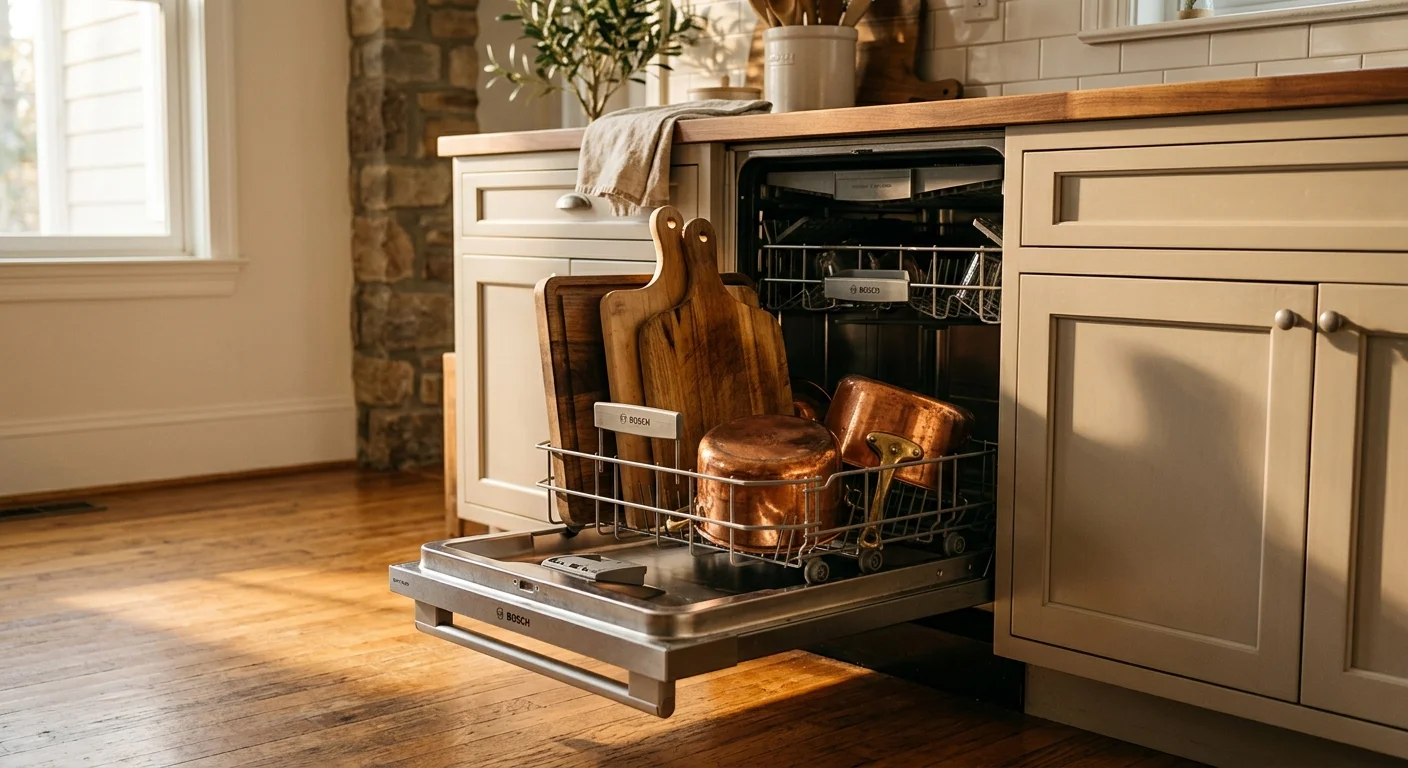
Hack 12: Use the Appliance as a Hidden Drying Rack
When you cook a massive holiday meal or prep food for the entire upcoming week, your kitchen sink fills up with dirty dishes rapidly. Washing oversized pots, giant roasting pans, and sharp chef’s knives by hand immediately creates a frustrating new problem: where do you put them to dry? Standard countertop drying racks look incredibly cluttered and consume your precious workspace. Reclaim your flat counters by using your empty dishwasher as a hidden, high-capacity drying rack. Simply pull out the upper and lower racks, load your hand-washed items onto them, and leave the door cracked open to allow for proper airflow. The dripping water falls safely into the basin and straight down the drain, keeping your countertops completely clear and your kitchen looking immaculately tidy.
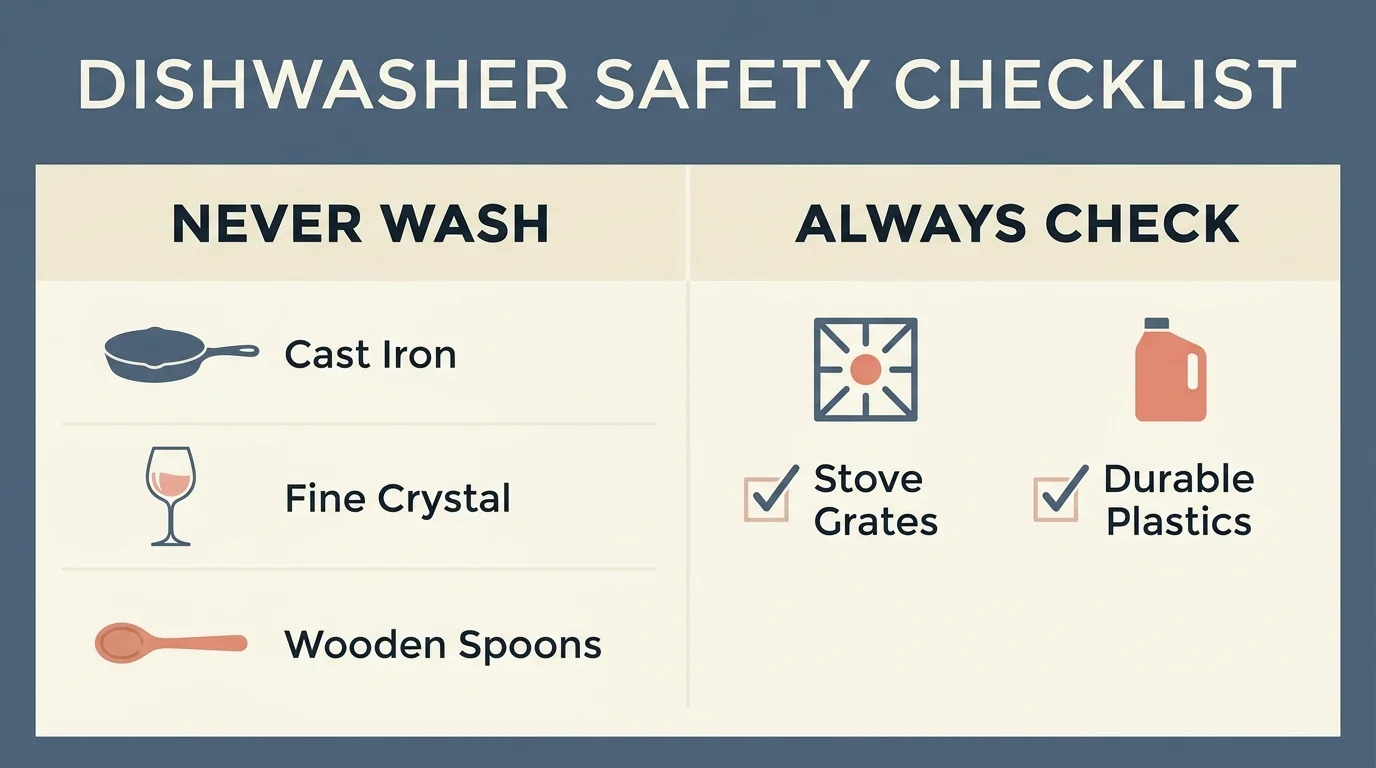
Pre-Wash Safety Checklist: What Never to Put in the Dishwasher
While your dishwasher excels at cleaning unusual household items, the combination of harsh alkaline detergents, sustained high heat, and intense water pressure will permanently destroy certain materials. Before you load anything unconventional into your machine, review this essential checklist to protect your belongings and your expensive appliance.
- Wooden Items: Wooden cutting boards, mixing spoons, and natural brush handles rapidly absorb water during the cycle, causing them to warp, swell, crack, and splinter beyond repair.
- Cast Iron Cookware: Uncoated cast iron skillets, pans, and raw stove grates rely on a carefully seasoned layer of baked-on oil to prevent rust. Dishwasher detergent strips this protective oil completely.
- Insulated Drinkware: The intense, sustained heat easily degrades the vacuum seal on insulated travel mugs and stainless steel water bottles, permanently ruining their ability to retain temperature.
- Delicate Glass and Crystal: Thin wine glasses, valuable lead crystal, and hand-painted china will easily etch, fade, or shatter under the high-pressure spray of a standard wash cycle.
- Items with Adhesives: Paper labels on glass jars, glue on specific kids’ toys, and adhesives holding certain brushes together will melt away, potentially clogging your machine’s vital filter and drain pump.
Make Your Home Work For You
Your major appliances hold untapped potential to simplify your daily chores and reduce your household stress. By confidently washing exhaust filters, sanitizing pet bowls, and cleaning dusty vacuum attachments in your dishwasher, you reclaim hours of your valuable time each month. Take a quick walk around your home today, gather up your grimy plastic bathroom accessories or dusty light fixture globes, and run your first unconventional wash cycle tonight.