

Dust mites, pet dander, and pollen might be treating your home like a resort, and your daily cleaning routine could be handing them the room keys. Even if you scrub floors regularly, using the wrong tools or techniques can blast hidden allergens right back into the air you breathe. When you dry dust the mantle, skip the vacuum filter change, or overload the air with heavy chemical fragrances, you unknowingly fuel the very allergy symptoms you want to escape. By making a few practical adjustments to your home cleaning habits, you can stop circulating irritants, dramatically improve your indoor air quality, and finally find relief during peak allergy seasons.
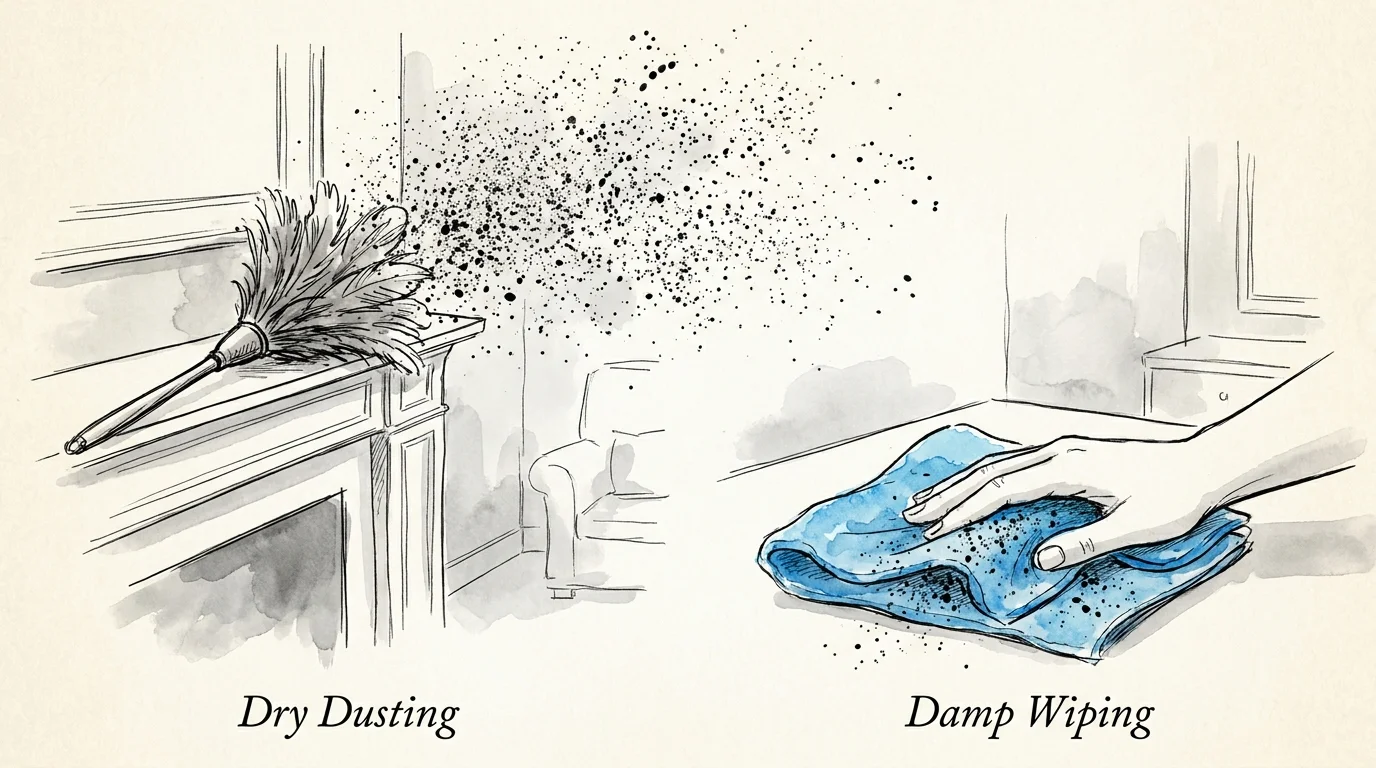
01 Dry Dusting Surfaces Instead of Damp Wiping
Many people grab a classic feather duster or a dry cotton rag to quickly tidy up a room. While this habit makes the surface look clean momentarily, it fundamentally fails to remove the irritants from your home. Dust consists of dead skin cells, pet dander, insect parts, and pollen. When you swipe a dry cloth across a bookshelf or mantle, you scatter these microscopic particles directly into your breathing zone. They float in the ambient air for hours before eventually settling back down onto the exact surfaces you just cleaned. You inhale them during this entire floating period, triggering sneezing, itchy eyes, and congestion.
To fix this, permanently retire your feather dusters. Dampen a high-quality microfiber cloth with plain water or a mild, unscented all-purpose cleaner before you wipe down any hard surface. Microfiber materials feature tiny synthetic fibers that naturally create a static charge, grabbing and locking onto microscopic particles rather than pushing them around. When you finish dusting a room, immediately toss the dirty cloth into the laundry to ensure the allergens exit your living space for good.
02 Ignoring the Exhaust on Your Vacuum Cleaner
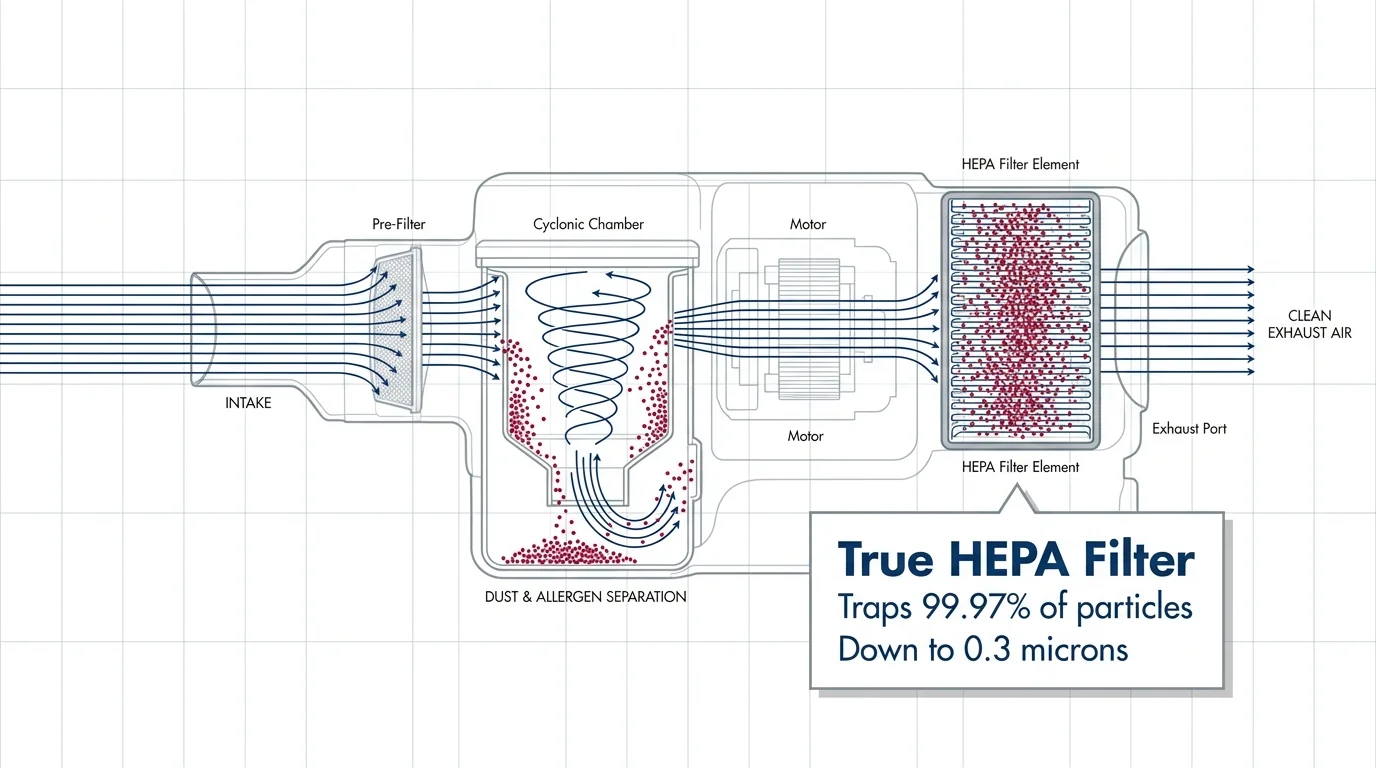
Your vacuum cleaner is your first line of defense against household allergens, but it can easily become your worst enemy. Standard vacuums pull in dirt and debris from your floors, but if the machine lacks a sealed system and a high-efficiency filter, the exhaust blows the smallest, most irritating allergens right back out into the room. You might pick up the visible crumbs, but you aerosolize the microscopic dust mite waste and pet dander that actually trigger your symptoms.
For effective allergy management, you must use a vacuum equipped with a True HEPA filter. The Asthma and Allergy Foundation of America certifies vacuums that meet strict indoor air quality standards, requiring filters that trap 99.97 percent of particles down to 0.3 microns in size. Even the best filter is useless if air leaks out of the plastic casing before reaching it; therefore, ensure your machine features a completely sealed system.
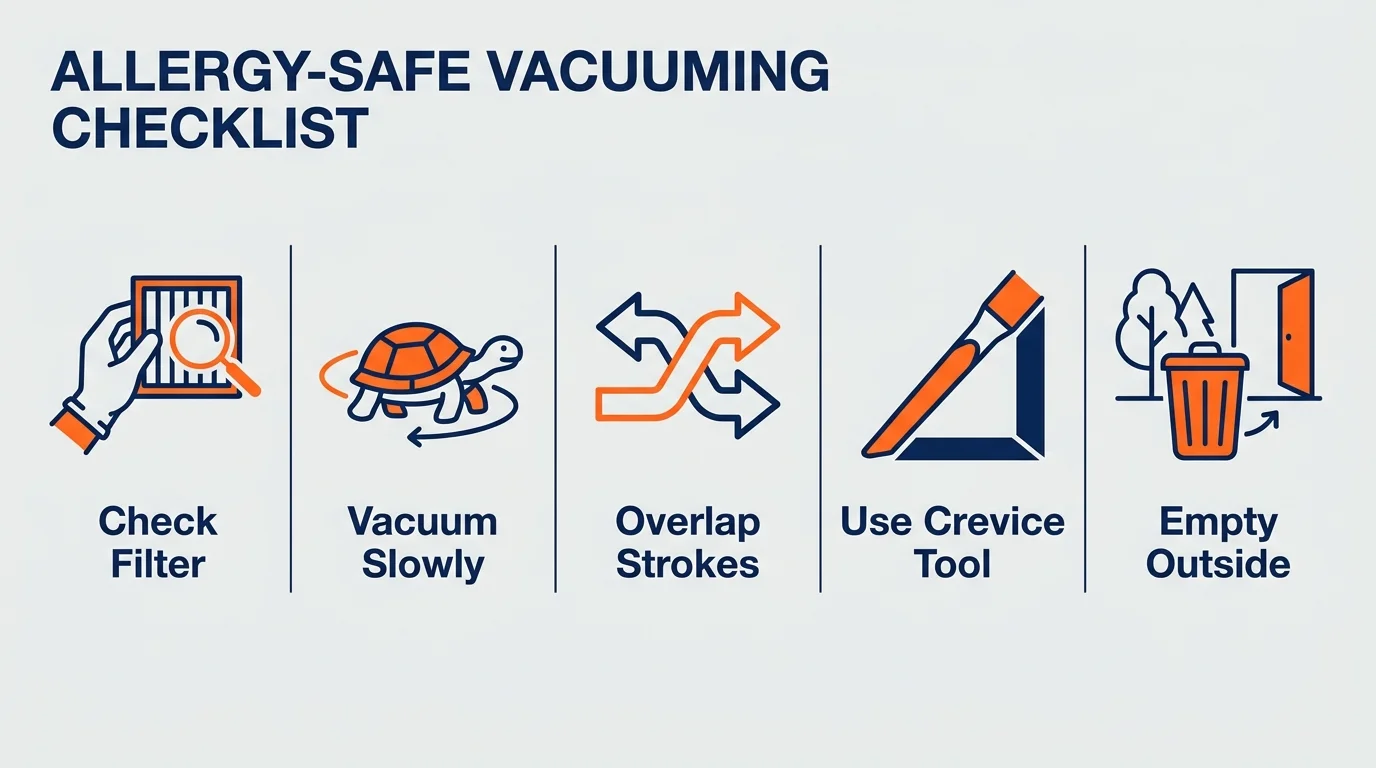
Proper Vacuuming Checklist for Allergy Sufferers
- Check the filter before every use and replace or wash it exactly according to the manufacturer schedule.
- Vacuum slowly to give the suction enough time to pull embedded allergens out of the carpet fibers.
- Overlap your strokes, pushing forward and pulling backward over the same area at least twice to ensure a deep clean.
- Use the crevice tool attachment along baseboards and under furniture where pet hair and dust naturally accumulate.
- Empty the vacuum canister outside directly into a trash bag to prevent dust plumes from re-entering your home.
03 Washing Bedding in Cool Water
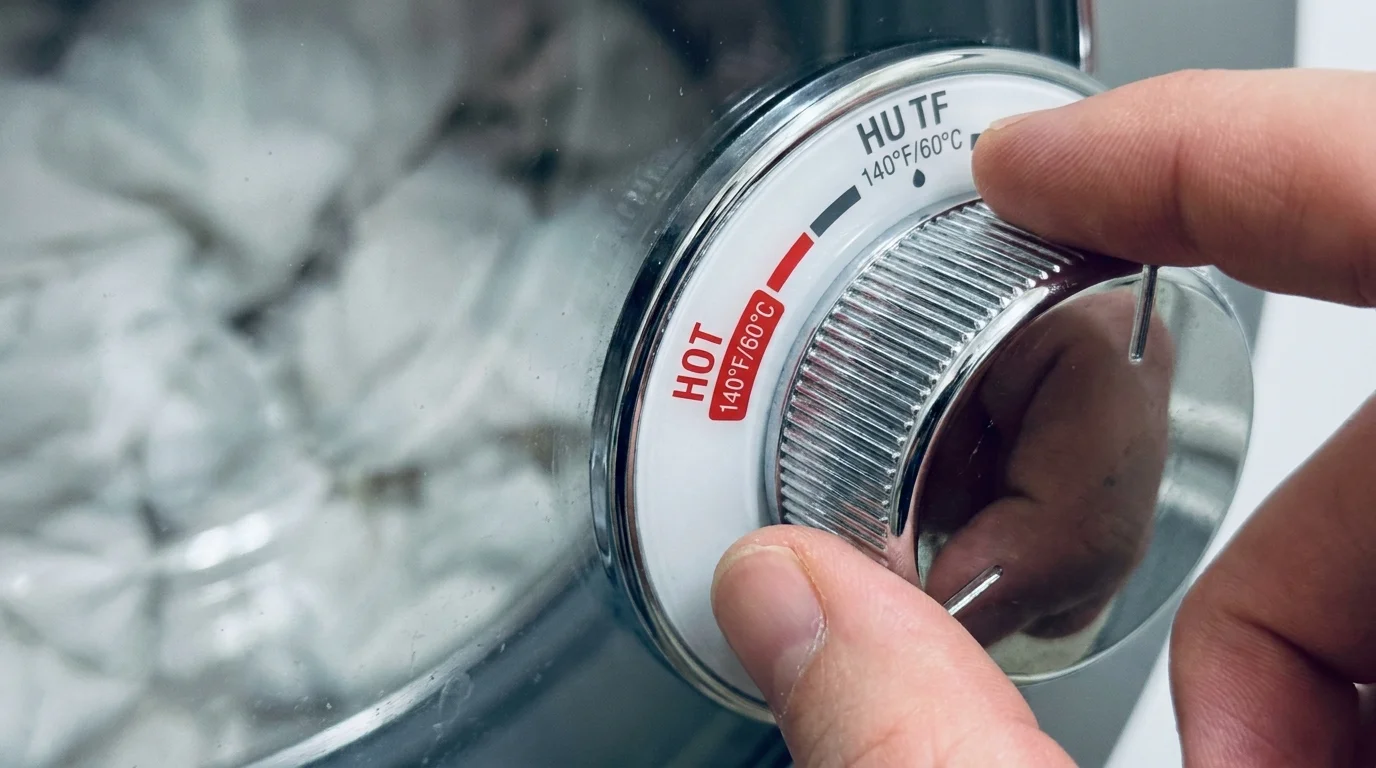
Washing your laundry in cool water preserves fabric colors and saves on energy costs, but it fails to eliminate the most stubborn bedroom allergen: the house dust mite. Dust mites thrive in the warm, dark, and humid environment of your mattress and bedding, feeding on the skin cells you shed every night. When you wash your sheets in cold or warm water, you wash away the visible sweat and dirt, but the live mites easily survive the cycle and return to your bed.
To effectively neutralize these microscopic pests, water temperature is critical. The Mayo Clinic advises that temperatures must reach at least 130 degrees Fahrenheit to kill dust mites completely. Check the temperature settings on your washing machine and water heater. Wash your sheets, pillowcases, and duvet covers weekly using the hot water cycle. If you own delicate bedding that cannot withstand a hot wash, place the dry linens into your clothes dryer on the highest heat setting for fifteen minutes to kill the mites before running them through a standard cool wash.
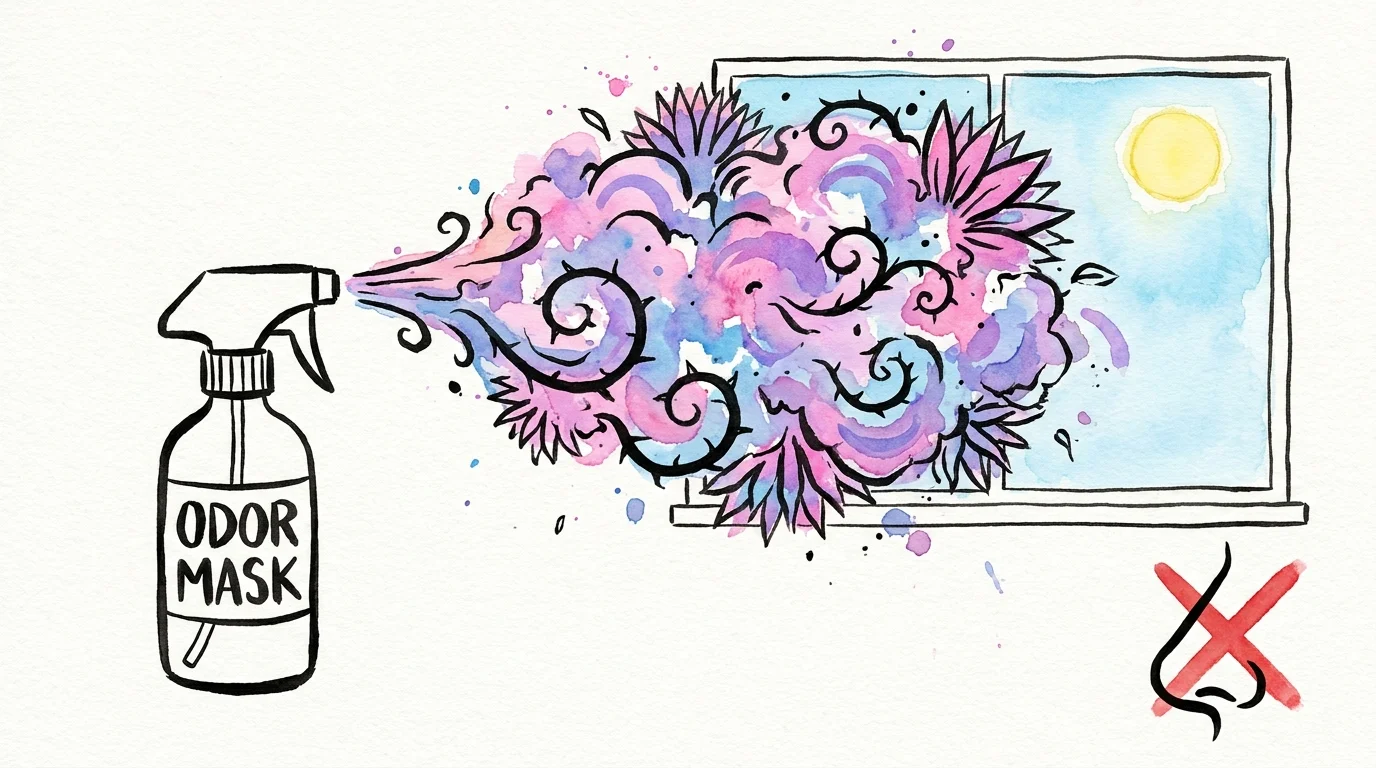
04 Masking Odors with Heavily Scented Cleaning Products
Nothing feels quite as rewarding as a home that smells like fresh pine or blooming lavender after a long cleaning session. Unfortunately, that lingering fragrance often comes from synthetic chemicals that severely degrade your indoor air quality. Spraying scented glass cleaners, air fresheners, and floor polishes introduces volatile organic compounds (VOCs) into your enclosed living spaces. These chemicals evaporate at room temperature and easily irritate your respiratory system, triggering headaches, asthma flare-ups, and allergy-like symptoms.
The data on indoor pollution is striking. The Environmental Protection Agency reports that concentrations of many VOCs are consistently two to five times higher indoors than outdoors, largely due to the everyday household products we use. Protect your lungs by switching to fragrance-free, plant-based cleaning solutions. Rely on natural ventilation by opening windows while you clean to flush out stale air. If you need to tackle foul odors in your carpets or trash cans, sprinkle plain baking soda to absorb the smells rather than masking them with an aerosol spray.
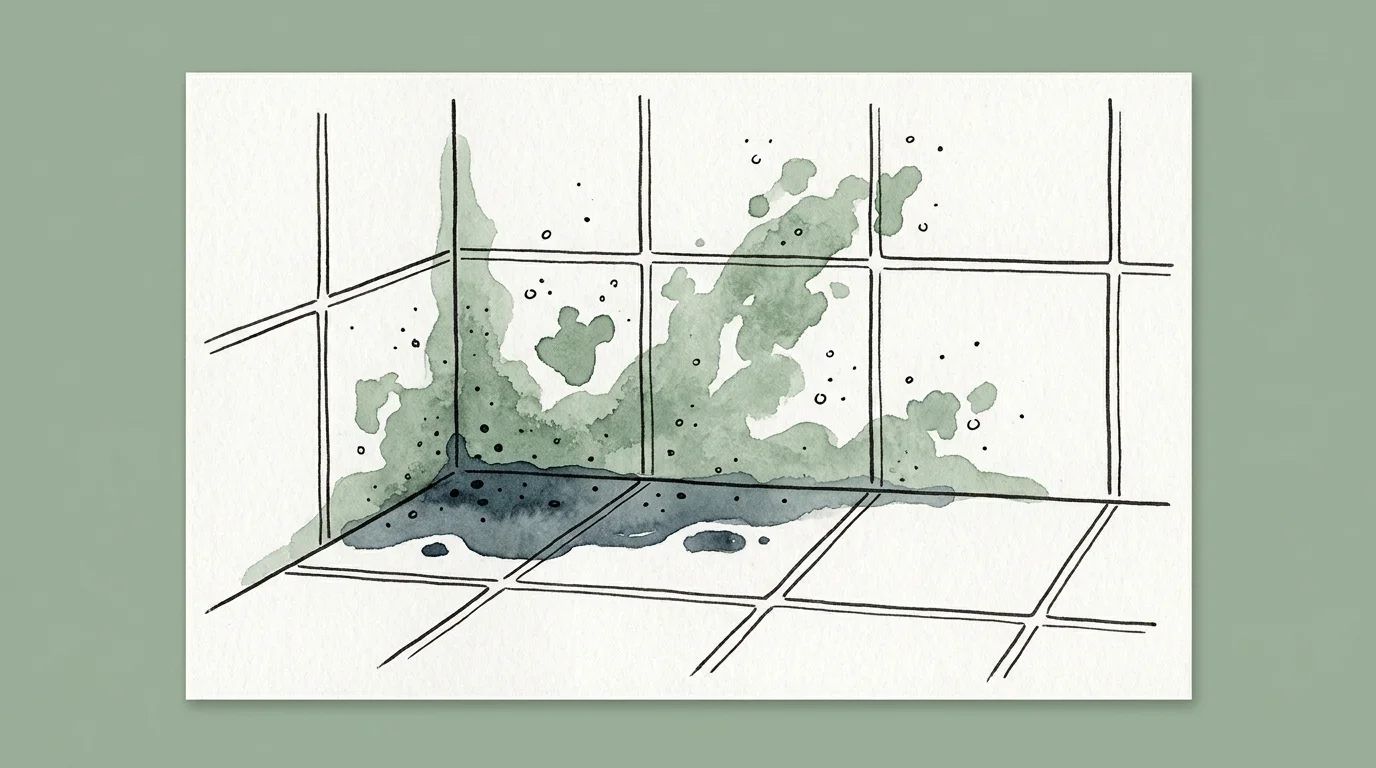
05 Leaving Wet Surfaces to Air Dry in Humid Rooms
Mold and mildew spores represent one of the most potent triggers for chronic indoor allergies, and they require only one primary ingredient to thrive—moisture. When you finish scrubbing the shower and leave the walls dripping wet, or when you let water pool around the base of the kitchen faucet, you create the perfect microclimate for mold proliferation. Airborne mold spores settle on these damp surfaces and quickly multiply, releasing irritants that you inhale every time you enter the room.
Controlling indoor moisture provides the most effective defense against mold growth. The Environmental Protection Agency recommends keeping your indoor relative humidity between 30 and 50 percent to discourage mold colonies and dust mites from settling in your home. Take immediate action to dry wet surfaces after use. Keep a small rubber squeegee inside your shower stall and wipe down the glass and tile before you step out. Always run your bathroom exhaust fan during your shower and leave it running for at least twenty minutes afterward to pull the lingering humidity out of the air.
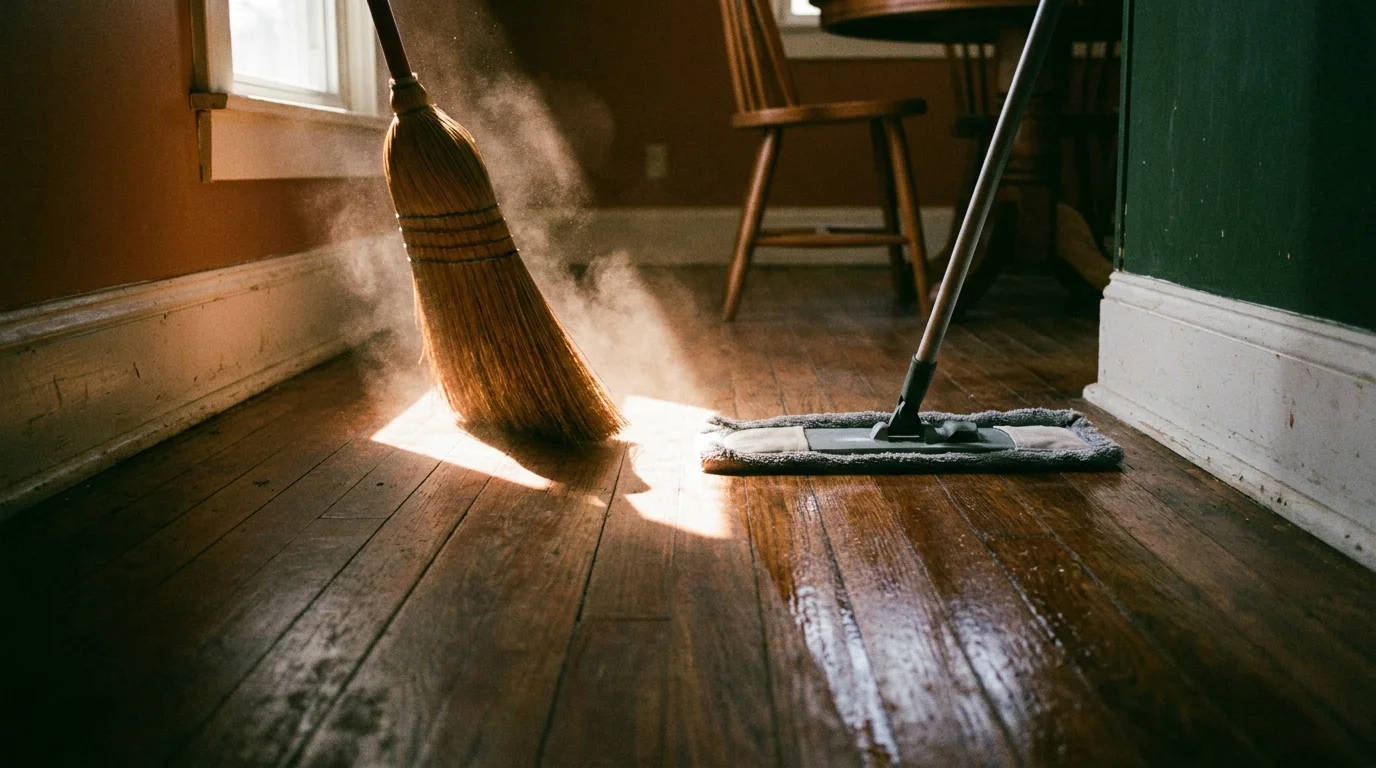
06 Sweeping with a Traditional Broom Instead of a Microfiber Dust Mop
The classic bristle broom is a staple in almost every utility closet, but sweeping your hard floors with one is a massive mistake if you suffer from allergies. The aggressive flicking motion of stiff broom bristles launches pet hair, fine dust, and pollen grains high into the air. While you might successfully sweep large food crumbs into your dustpan, the microscopic allergens simply become airborne. They circulate through your rooms and eventually settle onto your countertops, furniture, and carpets.
Ditch the standard broom for your indoor cleaning routine and upgrade to a flat microfiber dust mop. Microfiber holds a static charge that acts like a magnet for tiny particles. Keep the mop head pressed firmly against the hardwood or tile and push it in a continuous figure-eight motion across the floor. This deliberate technique traps dirt and allergens against the leading edge of the mop pad without launching a dust cloud into your breathing zone. Once you finish, carefully peel the microfiber pad off the mop handle and wash it in hot water.
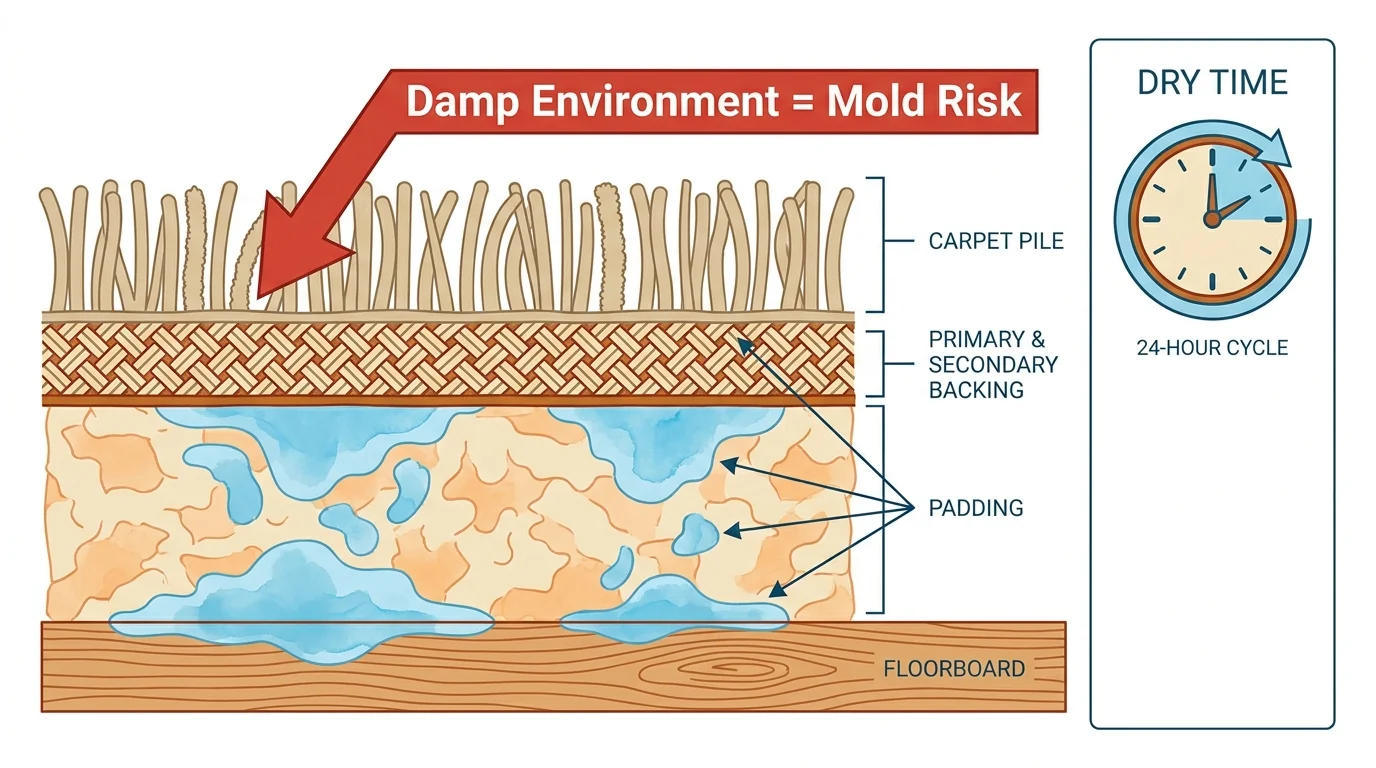
07 Shampooing Carpets but Leaving Them Damp
Deep cleaning your carpets with a shampooer effectively removes embedded grime and pet dander that regular vacuuming misses. However, drenching the carpet fibers without proper water extraction introduces an entirely new allergy nightmare. When carpet padding stays wet for more than twenty-four hours, mold and mildew begin to grow deep beneath the surface where you cannot see them. Every time you walk across the room, the pressure pushes invisible mold spores up into the air.
If you rent a carpet cleaning machine, pay close attention to the extraction process. Do not over-saturate the floors with cleaning solution. Make a first pass with the trigger pulled to dispense the water, and then make at least two additional slow passes over the exact same area without pulling the trigger to suck up as much moisture as possible. Turn on your ceiling fans, set up portable floor fans, and open your windows to ensure the carpet dries completely within a few hours. If the humidity is high outside, turn on your air conditioning system to help pull moisture from the indoor air.
08 Overlooking Soft Furnishings and Heavy Curtains
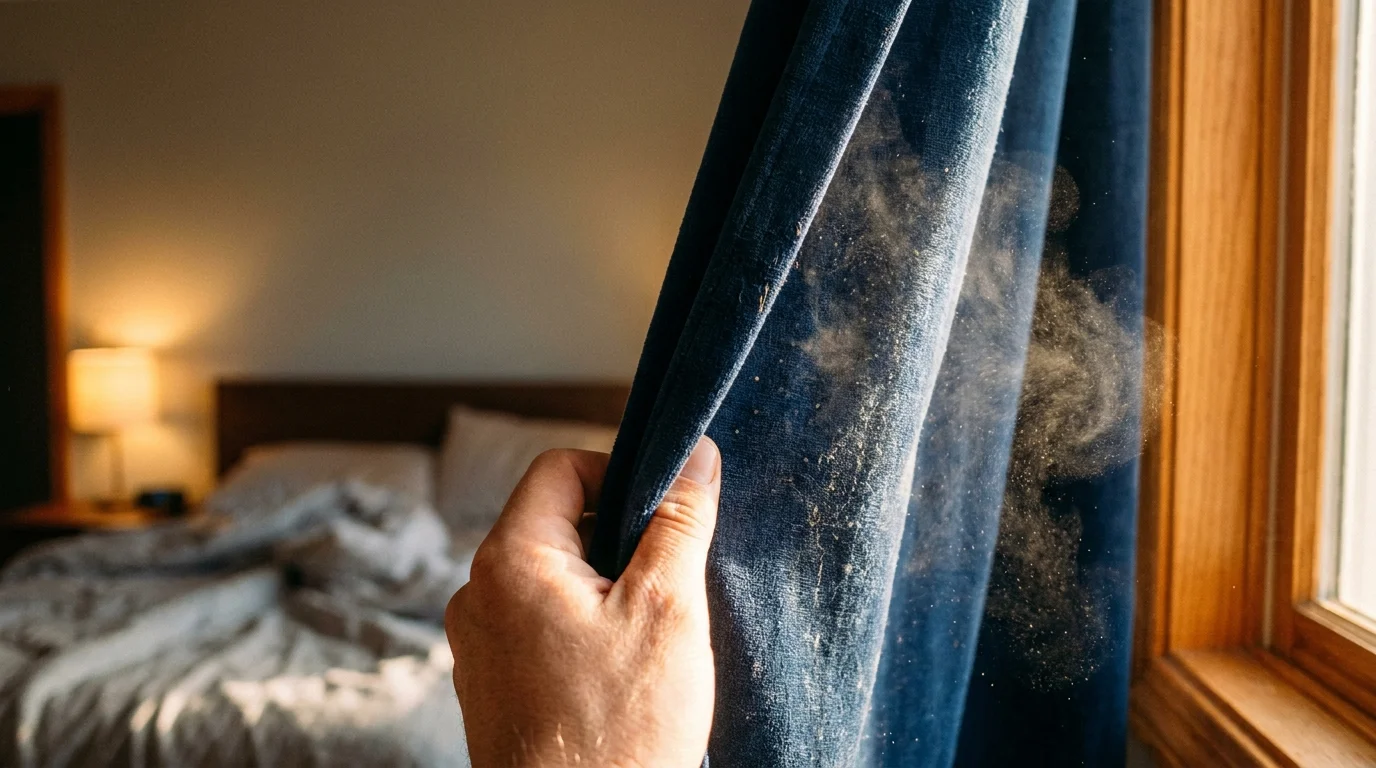
You likely wipe down your coffee table and mop your kitchen floors on a strict schedule, but it is easy to forget about the fabric surfaces in your home. Couches, throw pillows, upholstered dining chairs, and heavy drapes act like giant sponges for airborne allergens. Over time, they absorb vast amounts of pet dander, pollen, and dust. Every time you plop down onto a dusty sofa, a microscopic cloud of irritants puffs into the air right next to your face.
Incorporate soft furnishings into your weekly cleaning rotation to dramatically reduce your allergy symptoms. Use the upholstery brush attachment on your HEPA vacuum to clean your sofa cushions, paying special attention to the deep crevices and seams where dust naturally accumulates. Take down heavy fabric curtains and run them through the washing machine every few months. For a lower-maintenance solution that benefits allergy sufferers, consider replacing fabric drapes with smooth roller shades or blinds that you can easily wipe down with a damp cloth.
09 Forgetting to Clean Your Cleaning Tools
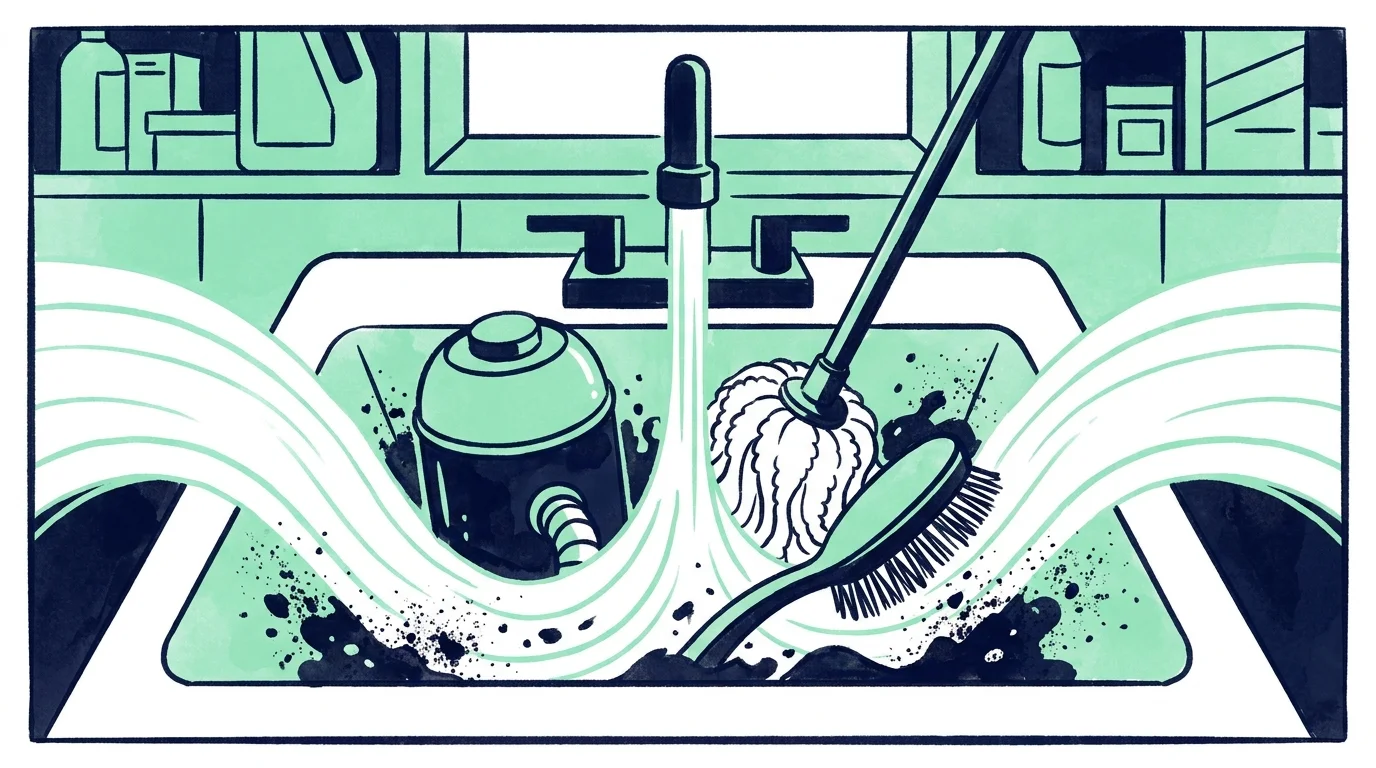
A cleaning tool is only effective if it is actually clean. Using a dirty sponge, a saturated dust cloth, or a clogged vacuum brush simply redistributes allergens from one room to another. A mop head that sits damp in a bucket grows sour with bacteria and mold, smearing those spores across your kitchen floor the next time you use it. A vacuum cleaner with a tangled roller brush loses its ability to agitate carpet fibers, leaving pet hair and dust mites deeply embedded in your rugs.
Maintain your cleaning equipment just as diligently as you maintain your home. Wash your reusable microfiber cloths and mop pads in hot water after every single cleaning session, and dry them thoroughly before storing them. Sanitize your sponges in the dishwasher on the high-heat cycle. Once a month, flip your vacuum cleaner over and use a pair of scissors to snip away tangled hair and strings from the beater bar. Wash the plastic vacuum attachments in warm, soapy water to remove accumulated dust.
Your Next Practical Step
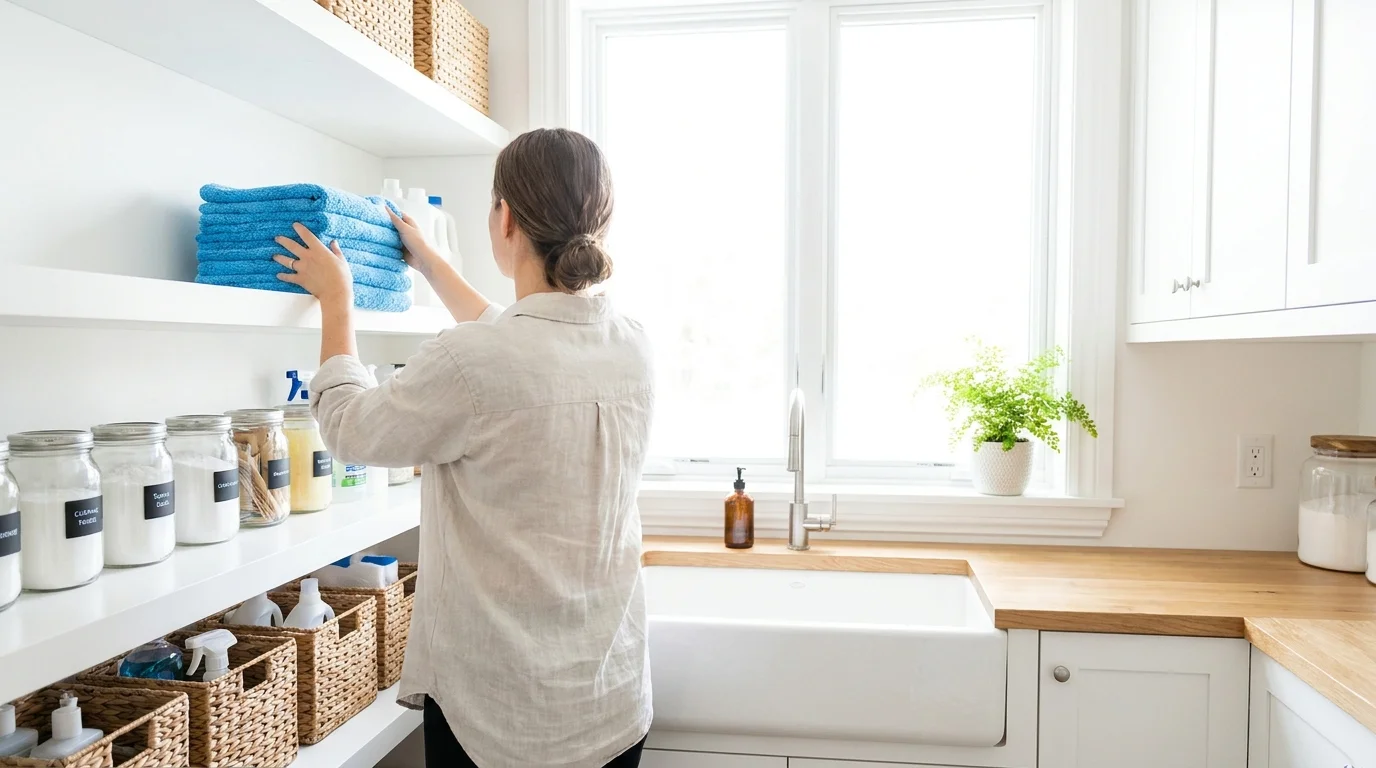
Walk into your laundry room or utility closet right now and inspect your primary vacuum cleaner. Check the manufacturer label to confirm whether it features a True HEPA filter and a sealed system. If the filter is washable, take it out and rinse it under warm water until the water runs clear, then let it air dry completely before reinstalling it. If your vacuum relies on disposable filters, order a replacement today. Starting your next cleaning session with a fresh, high-efficiency filter is the easiest way to immediately trap allergens and start breathing easier in your own home.




9 Cleaning Habits That Make Allergies Worse is a great post.