You can achieve a sparkling, fresh-smelling home without exposing your family to harsh fumes or spending a fortune on specialized sprays. By switching to natural cleaners that work, you save money, simplify your daily routine, and create a safer environment. Many simple pantry staples possess remarkable properties that cut through grease, dissolve mineral deposits, and neutralize stubborn odors far more effectively than commercial counterparts. This guide details the science and practical uses behind the best natural home cleaners so you can easily adopt chemical free cleaning practices. Armed with these powerful, eco friendly cleaning solutions, you will learn exactly how to tackle tough messes and discover why natural cleaning products better handle everyday household grime.
01 Distilled White Vinegar: The Ultimate Mineral and Mold Dissolver
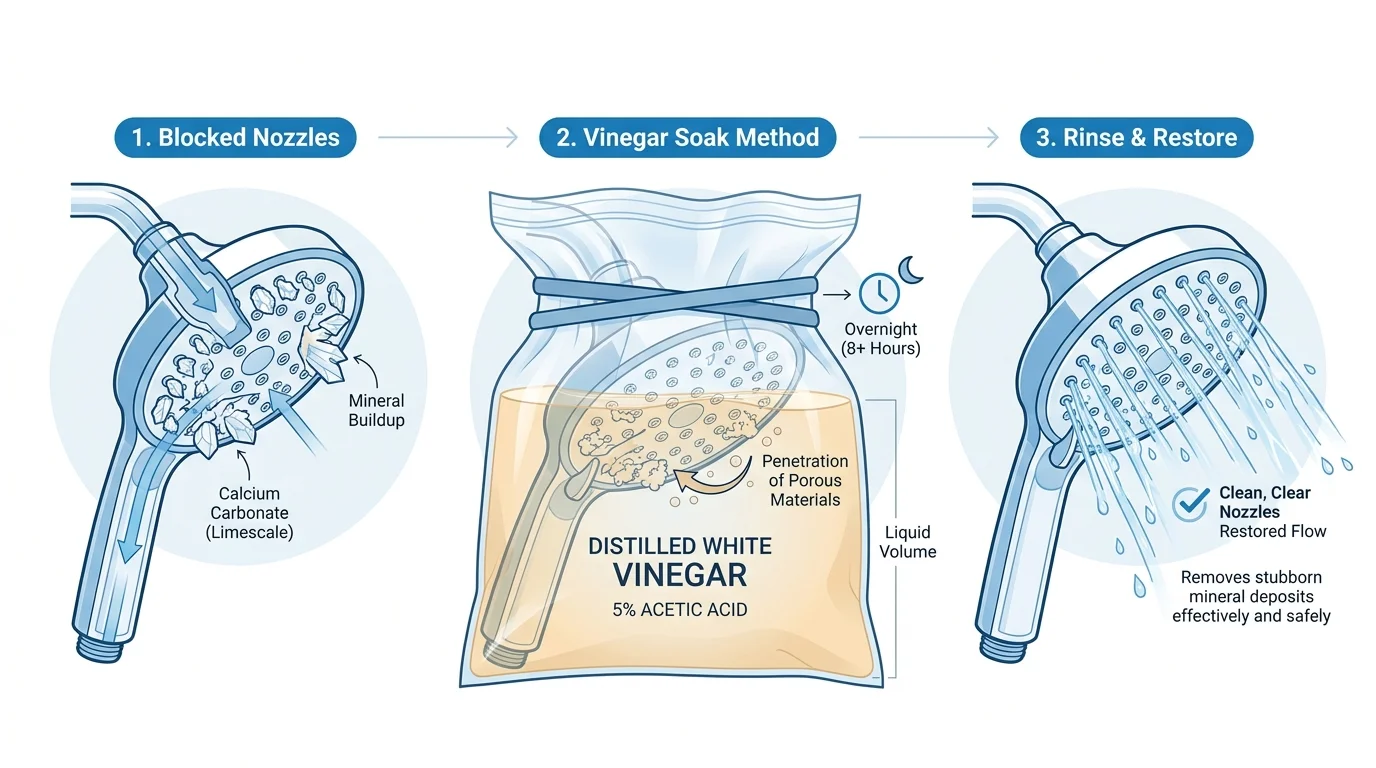
Distilled white vinegar is a powerhouse of acetic acid, typically diluted to a 5 percent concentration. This specific acidity level allows it to dissolve hard water stains, cut through stubborn soap scum, and break down mineral deposits with remarkable ease. When you encounter chalky white buildup around your faucets or showerheads, commercial descalers often rely on harsh chemicals that emit noxious fumes. Vinegar accomplishes the exact same chemical breakdown safely and naturally.
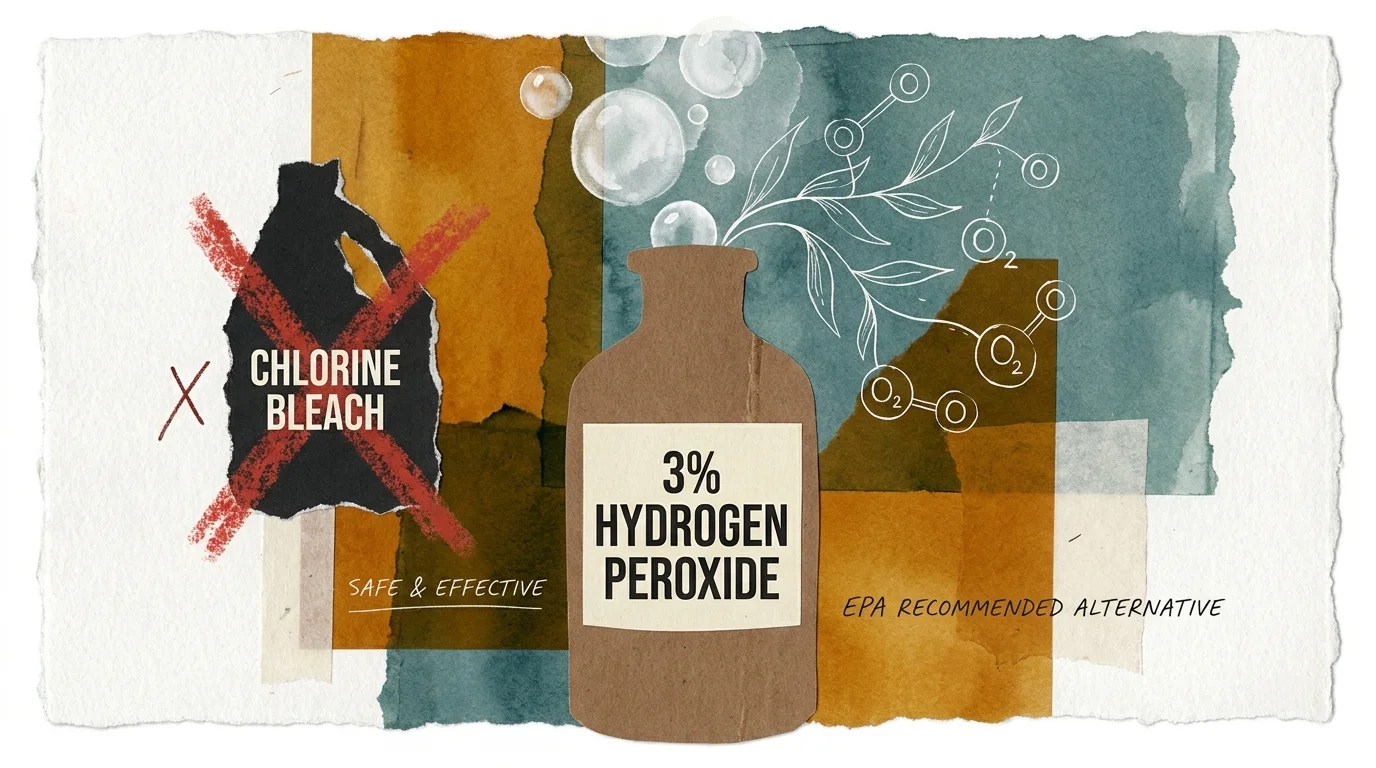
Beyond tackling calcium carbonate, vinegar proves highly effective against household mold. You might intuitively reach for bleach when you spot mold in damp basement corners or bathroom ceilings. However, the Environmental Protection Agency (EPA) advises that using chlorine bleach is not recommended as a routine practice during mold cleanup. Bleach primarily removes the visible color of mold on the surface but fails to penetrate porous materials like wood or drywall. Vinegar, on the other hand, actively penetrates these porous surfaces to disrupt the cellular growth of many fungal species.
To clean a mineral-encrusted showerhead, fill a plastic bag with distilled white vinegar, submerge the fixture inside the bag, and secure it tightly with a rubber band. Leave it overnight. By morning, the acid will have dissolved the blockages completely; you simply rinse the fixture with warm water. Keep in mind that you should never use vinegar on natural stone surfaces, such as granite or marble; the acid will etch the stone and permanently ruin its polished finish.
02 Baking Soda: A Gentle Abrasive and Odor Neutralizer
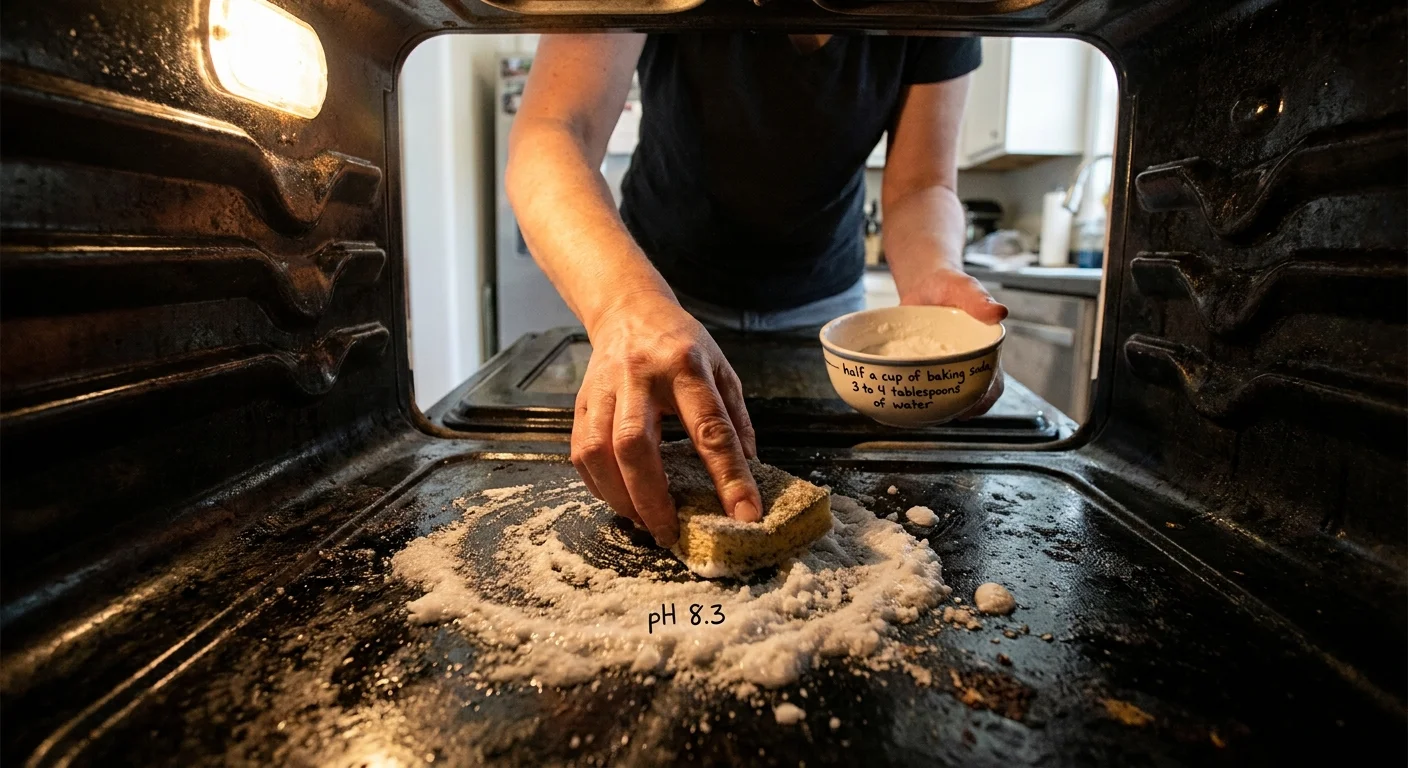
Sodium bicarbonate, universally known as baking soda, operates as a gentle alkaline abrasive and a highly effective odor neutralizer. While commercial air fresheners merely mask unpleasant smells with synthetic phthalates and artificial fragrances, baking soda physically interacts with the offending odor molecules. Most foul household odors—like sour milk, sweat, or decaying food—are acidic in nature. Baking soda possesses a pH of around 8.3, allowing it to neutralize these acids and completely eliminate the smell rather than just covering it up.
In addition to its incredible deodorizing capabilities, the fine crystalline structure of baking soda provides the perfect mechanical scrubbing power. It is abrasive enough to dislodge baked-on carbon and heavy grease but soft enough that it will not scratch stainless steel, enamel, or glass stovetops. This unique balance makes it an ideal candidate for heavy-duty kitchen tasks that typically require toxic aerosol sprays.
Follow this step-by-step method to clean your oven without relying on caustic lye-based commercial cleaners:
- Mix half a cup of baking soda with three to four tablespoons of water in a small bowl until it forms a thick, spreadable paste.
- Coat the entire interior of your oven with the paste, making sure to avoid the electrical heating elements.
- Allow the mixture to sit overnight; you will notice it turning brown as it absorbs the grease and breaks down the stubborn carbon deposits.
- Wipe the interior completely clean the next morning using a damp microfiber cloth.
- Lightly spray any stubborn remaining paste with white vinegar to trigger a gentle foaming action, then wipe the surface completely dry.
03 Hydrogen Peroxide (3%): The Safer Bleach Alternative
When you need a chemical-free alternative to household bleach, 3 percent hydrogen peroxide stands as your absolute best option. Hydrogen peroxide is essentially water with an extra oxygen molecule attached. When it comes into contact with bacteria, fungi, or viruses, that extra oxygen atom is rapidly released. This reaction produces destructive hydroxyl free radicals that vigorously attack the membrane lipids and essential components of germ cells. Once the oxidation process is complete, hydrogen peroxide breaks down completely into harmless water and oxygen, leaving zero toxic residue behind.
The Centers for Disease Control and Prevention (CDC) confirms that commercially available 3 percent hydrogen peroxide is a stable, highly effective disinfectant suitable for inanimate surfaces. You can use it confidently to sanitize raw meat cutting boards, disinfect family toothbrushes, or brighten discolored tile grout without filling your home with stinging chlorine gas.
For dingy bathroom grout, spray 3 percent hydrogen peroxide directly onto the mortar lines. Let it dwell for ten minutes to allow the oxidation process to lift the deep stains and kill any underlying mildew. Scrub the lines lightly with a stiff bristle brush and rinse clean.
Always store hydrogen peroxide in its original opaque brown bottle; exposure to natural light accelerates its breakdown into plain water. Furthermore, you must never mix hydrogen peroxide and vinegar in the same container. Combining these two liquids creates peracetic acid, a corrosive and dangerous compound that can severely irritate your skin, eyes, and respiratory system.
04 Microfiber Cloths: Mechanical Cleaning Without Chemicals
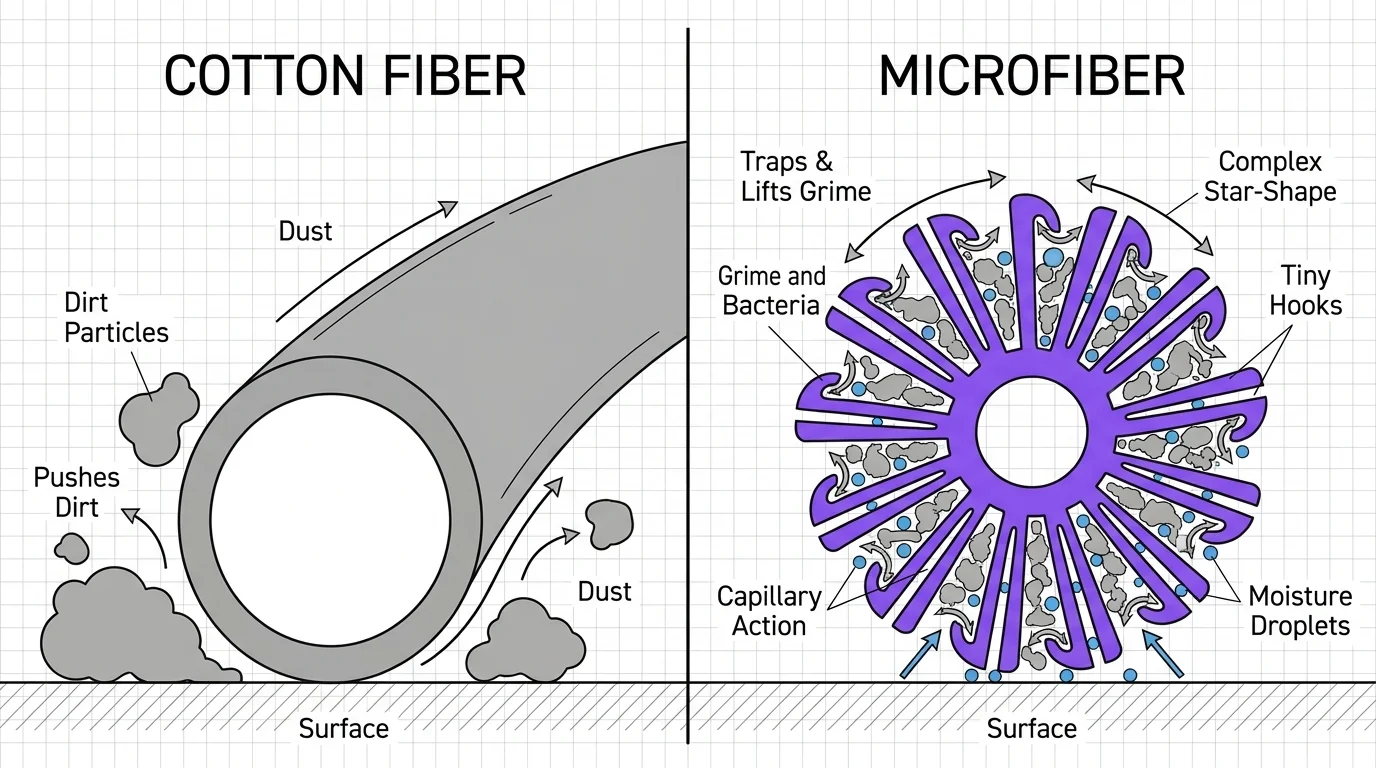
Sometimes, the most powerful cleaning tools are not liquids at all. High-quality microfiber cloths rely on mechanical action rather than chemical reactions to achieve a pristine, sanitized surface. Manufactured from a finely woven blend of polyester and polyamide, these cloths undergo a splitting process during production to create fibers up to one hundred times finer than a human hair. This microscopic splitting creates a massive surface area and a capillary effect that physically scoops up dirt, heavy grease, and microscopic pathogens from your countertops.
The clinical data strongly supports making the switch to this reusable tool. Studies evaluated by environmental health agencies and conducted by institutions like the University of California, Davis Medical Center demonstrate that a microfiber cloth or mop can remove up to 99 percent of surface bacteria using only tap water. In stark contrast, standard cotton cloths and mops remove roughly 30 percent of bacteria, merely pushing the remaining dirt around the surface.
To maintain their trapping efficacy, you must launder your microfiber cloths properly. Wash them separately from cotton items to prevent them from attracting heavy lint, and never use fabric softeners or high heat in the dryer; these treatments will melt the delicate synthetic fibers and destroy their cleaning abilities.
| Feature | Microfiber Cloths | Standard Cotton Cloths |
|---|---|---|
| Bacteria Removal (with water only) | Up to 99 percent reduction | Approximately 30 percent reduction |
| Water and Chemical Usage | Requires 95 percent less liquid | Requires heavy soaking and chemical aids |
| Surface Residue | Virtually zero lint left behind | High lint transfer on glass and mirrors |
| Durability | Can survive 500+ machine washes | Degrades rapidly after 100 washes |
05 Castile Soap: Plant-Based Surfactant for Heavy Grease
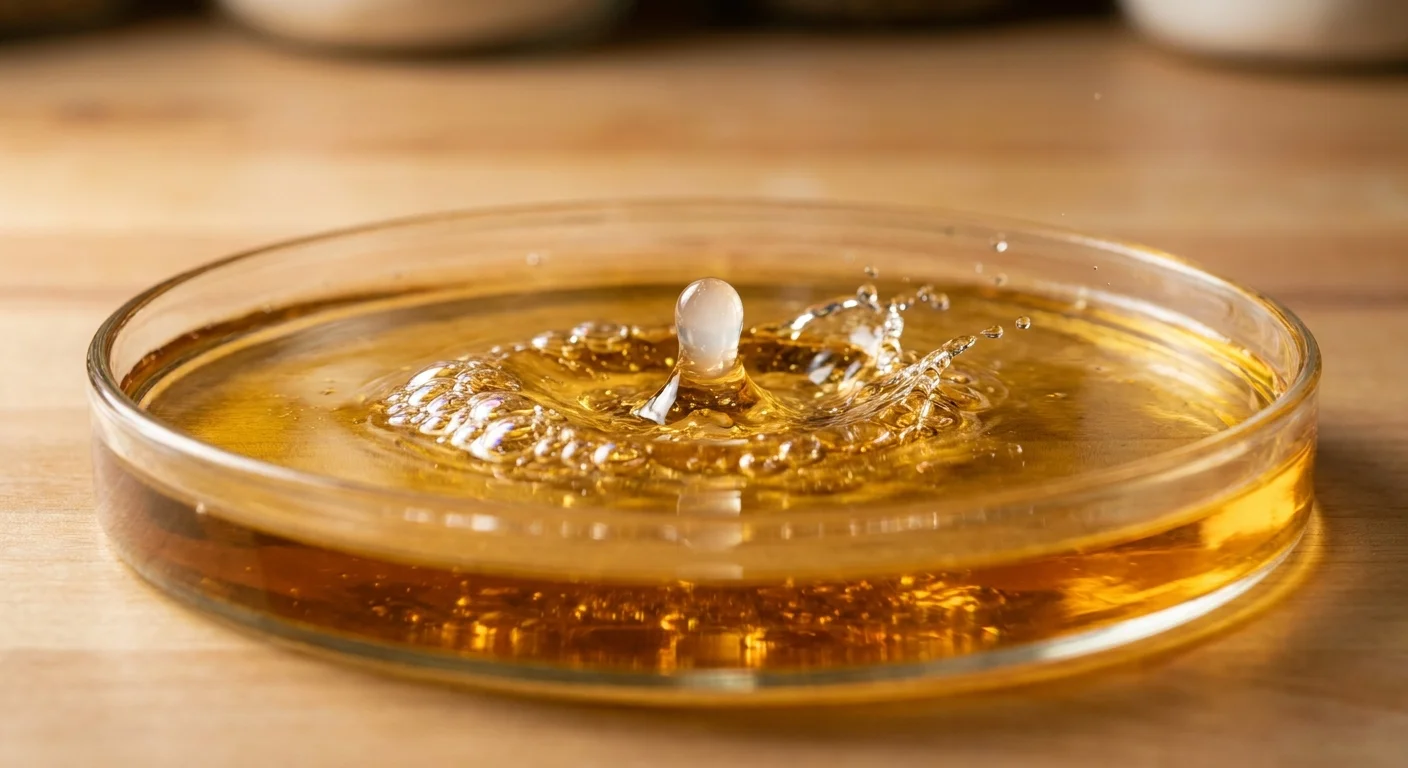
Liquid castile soap is a highly concentrated, completely vegetable-based soap that originated in the Castile region of Spain, where artisans traditionally crafted it from pure olive oil. Today, most high-quality castile soaps blend olive oil with coconut or hemp oils to create a rich, biodegradable lather. Unlike harsh synthetic detergents containing sodium lauryl sulfate and artificial fragrances, castile soap acts as a natural surfactant without stripping your skin or leaving behind a film of toxic residue on your floors.
Surfactants work by drastically lowering the surface tension of water. This chemical change allows the water to penetrate, lift, and suspend dirt and oil so you can easily wipe them away. Because castile soap is inherently alkaline—sitting at about 8.9 on the pH scale—it serves as an exceptional degreaser for messy kitchen stovetops, greasy range hoods, and muddy entryways.
To create an effective, gentle all-purpose cleaning spray, add one tablespoon of liquid castile soap to a quart of warm water. You can safely use this mild mixture on sealed hardwood floors, laminate planks, and natural stone countertops where acidic cleaners like vinegar would cause structural damage. Remember to never mix castile soap directly with vinegar; the acid will unsaponify the soap, turning it back into a messy, separated puddle of useless oil.

06 Thymol (Thyme Oil): Genuine Botanical Disinfection
When transitioning your household to eco-friendly options, finding a robust, safe disinfectant often poses the biggest mental hurdle. Enter thymol, a potent botanical compound derived directly from the essential oil of the thyme plant. While many commercial essential oils are added to homemade cleaners simply for their pleasant, earthy aroma, thymol possesses documented, scientifically proven antimicrobial properties that literally rupture the cell walls of harmful bacteria.
You do not have to sacrifice hospital-grade sanitation when you abandon toxic sprays. The Environmental Protection Agency formally registers thymol as an active ingredient in botanical disinfectants, noting its exceptional ability to kill 99.9 percent of household germs, bacteria, and viruses. Furthermore, the EPA places thymol in Toxicity Category IV—the lowest possible hazard level—meaning it does not require the alarming warning labels associated with traditional quaternary ammonium or bleach-based disinfectants.
You can purchase commercial botanical disinfectants featuring thymol, or you can enhance your own DIY surface sprays by adding high-quality thyme essential oil. Use this solution to safely disinfect the high-touch areas in your home, such as doorknobs, light switches, and bathroom fixtures, leaving behind a fresh, herbaceous scent instead of stinging chemical fumes.
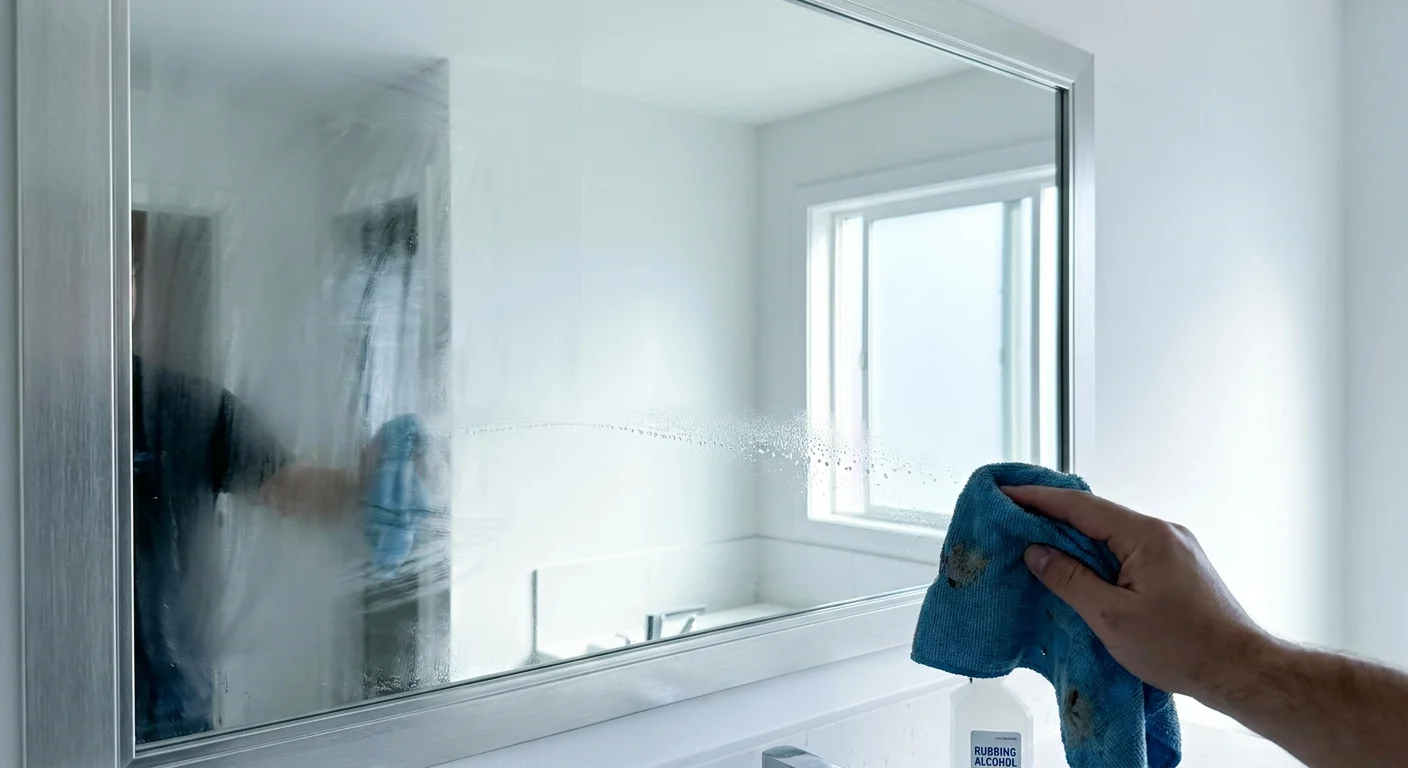
07 Rubbing Alcohol (Isopropyl): Fast-Drying Glass and Shine Enhancer
Isopropyl alcohol, commonly known as rubbing alcohol, is a superb natural solvent that deserves a prominent place in your daily cleaning routine. Because it evaporates incredibly rapidly at room temperature, it leaves behind absolutely no streaks or water spots, making it the premier choice for cleaning mirrors, windows, and smudged stainless steel appliances.
When selecting rubbing alcohol for sanitization purposes, you should opt for a 70 percent concentration rather than the 90 percent or 99 percent varieties. This distinction might seem counterintuitive, but the 30 percent water content is chemically crucial. The water acts as a catalyst, slowing the evaporation rate just enough to allow the alcohol to deeply penetrate the bacterial cell wall and coagulate the proteins inside, effectively killing the organism. Solutions containing 90 percent alcohol evaporate too quickly to thoroughly sanitize a heavily soiled surface.
To create an exceptional, quick-drying glass cleaner, combine one cup of distilled water, one cup of 70 percent rubbing alcohol, and a single drop of liquid castile soap in a clean spray bottle. The trace amount of soap lifts the surface dirt, the water provides necessary volume, and the alcohol immediately dissolves greasy fingerprints before evaporating into a brilliant, streak-free shine.
08 Lemons and Citric Acid: Fresh Natural Degreasers
Fresh lemons and powdered citric acid offer distinct, powerful cleaning properties rooted entirely in nature. Lemon rinds contain d-limonene, a highly effective organic solvent that effortlessly cuts through sticky adhesive residues, stubborn grease, and polymerized cooking oils. This natural compound is exactly why so many commercial heavy-duty degreasers boast a bright lemon scent, though they typically rely on synthetic lab-made chemicals rather than the real fruit extract.
Meanwhile, citric acid acts as a formidable descaler and rust remover. You can use half of a fresh lemon dipped in coarse kosher salt as a disposable, natural scrubbing pad to polish tarnished copper pots, dull brass fixtures, or heavily used wooden cutting boards. The salt provides the abrasion while the acid lifts the tarnish.
For a completely hands-off approach to cleaning a filthy microwave, place a microwave-safe bowl containing one cup of water and several fresh lemon slices inside the appliance. Heat the bowl on high for three to five minutes until the water boils vigorously and the interior fills with thick steam. Keep the door closed for an additional five minutes. The steam, heavily infused with citric oils, will soften and detach all the crusted, baked-on food splatters, allowing you to easily wipe the entire interior clean with a single damp cloth.
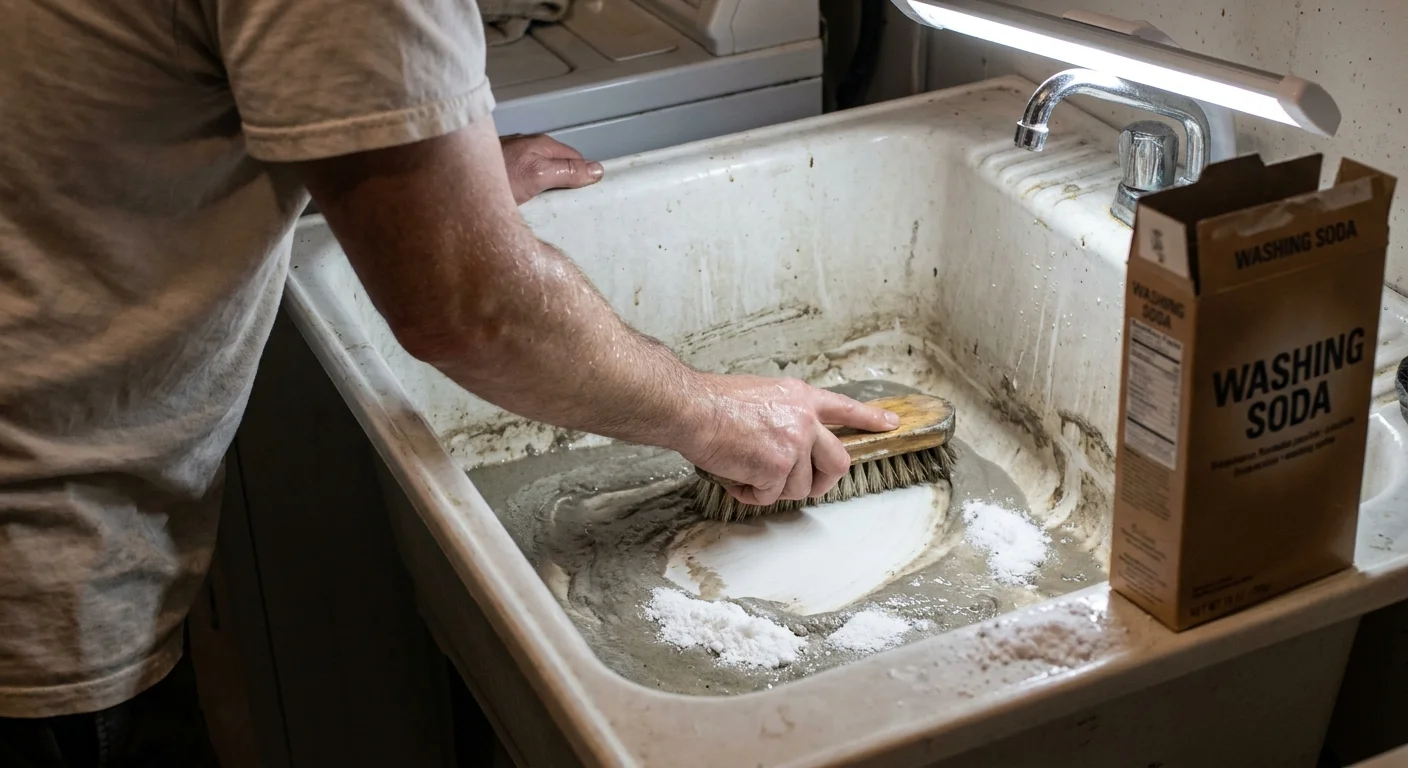
09 Washing Soda: Heavy-Duty Grime Fighter
Do not confuse washing soda with its milder pantry cousin, baking soda. Sodium carbonate, or washing soda, undergoes a heating process that fundamentally alters its chemical structure, making it highly alkaline with a pH of exactly 11. This elevated alkalinity makes it a significantly more aggressive solvent, capable of breaking down complex, heavy-duty greases and stubborn proteins that ordinary dish soaps cannot even dent.
Washing soda physically softens hard water by binding to floating calcium and magnesium minerals. When these hard water minerals are securely suspended, your detergents can lather fully and clean much more effectively; this is exactly why washing soda remains a legendary laundry booster for stripping sweat stains and body oils from fabrics.
In the kitchen, washing soda performs miracles on heavily soiled items. If your stove’s metal range hood filters are completely clogged with yellow, sticky grease, simply fill your kitchen sink with boiling water and dissolve half a cup of washing soda into the bath. Submerge the metal filters and watch the alkaline solution literally melt the polymerized grease away in less than fifteen minutes. Rinse the metal thoroughly, and your filters will look completely brand new without requiring a single drop of toxic commercial degreaser.
Start by replacing just one product this week. Swap your commercial blue glass cleaner for a simple mix of distilled water, rubbing alcohol, and a drop of soap in a spray bottle. You will immediately see the streak-free results, simplify your daily chores, and breathe easier in your freshly cleaned home.