
Your laundry room should be a highly functional workspace, yet hidden messes easily turn this essential area into a frustrating bottleneck. Removing the exact items causing chaos immediately streamlines your chores and restores calm to your weekly washing routine. From overflowing lint bins to half-empty detergent bottles, lingering clutter slows you down and introduces hidden safety hazards. Reclaiming this space requires a ruthless approach to organizing your essential supplies and tossing what you no longer need. You deserve a laundry area that feels clean, efficient, and exceptionally safe. Let us tackle the eight worst offenders dragging down your laundry room so you can wash, dry, and fold with absolute ease.
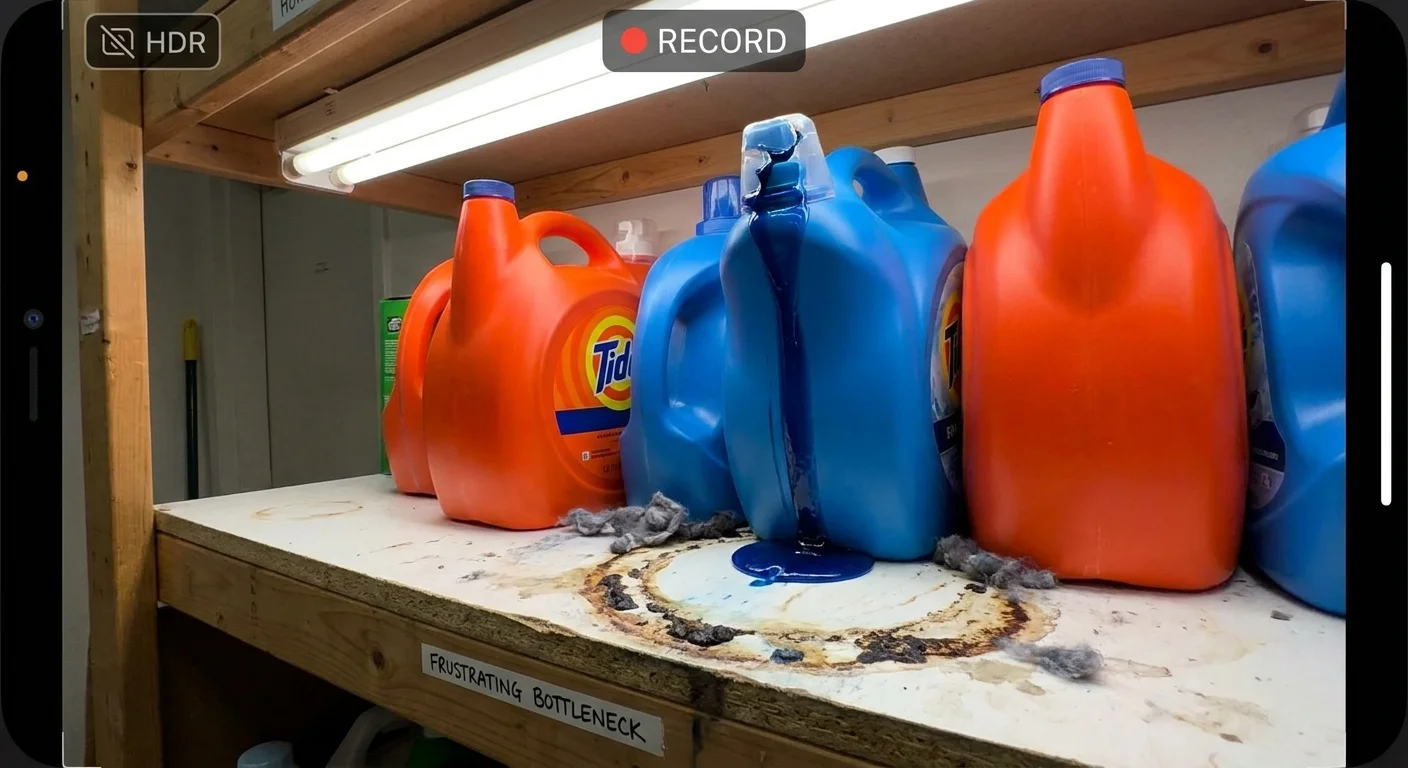
01 Too Many Half-Empty Detergent Bottles
Bulk-buying laundry supplies makes financial sense; however, storing massive detergent jugs dominates your shelving and makes the room feel incredibly cramped. When you wrestle with a heavy jug, you inevitably spill sticky liquid down the side. This rogue detergent forms rings on your shelves and attracts airborne lint, creating a stubborn grime that takes serious elbow grease to remove. You might also find yourself holding onto almost-empty bottles simply because you forget to rinse and recycle the plastic. Stop letting bulky packaging dictate the flow of your space. If you prefer liquid detergents, consider decanting them into clear, easy-to-pour glass or acrylic dispensers placed over a dedicated silicone drip tray. This method allows you to see exactly how much soap remains while keeping messy drips contained. If you want to eliminate the plastic jug problem entirely, switch to eco-friendly laundry detergent sheets or concentrated powders stored in airtight canisters. Condensing your cleaning liquids instantly frees up physical space, removes chaotic visual clutter, and makes your daily chores feel significantly lighter.
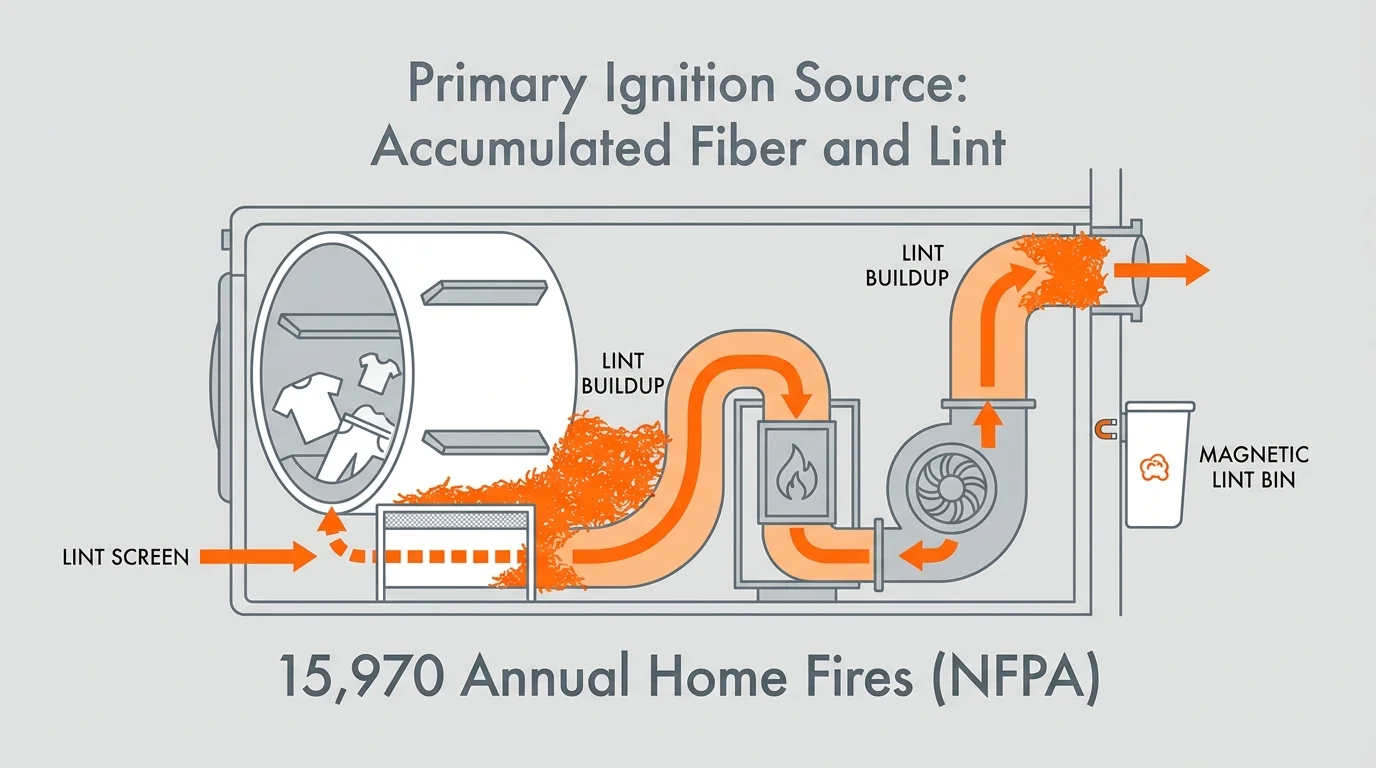
02 A Dangerous Buildup of Dryer Lint
Every time you pull a load of warm towels from the dryer, a small cloud of lint floats into the air and settles on your countertops, machines, and freshly washed clothes. If you just leave that lint sitting on top of the dryer or let it accumulate behind the machines, you create a perpetual mess that requires constant dusting and sweeping. Beyond the annoyance of surface dirt, neglecting your lint trap and the surrounding exhaust duct presents a critical danger to your household. The National Fire Protection Association reports that U.S. fire departments respond to an estimated 15,970 home structure fires each year involving washing machines and clothes dryers. Dryers cause the vast majority of these terrifying incidents, with accumulated dust, fiber, and lint acting as the primary ignition source. To stop the airborne mess and mitigate this severe fire risk, you must clean the lint screen before every single load. Mount a sleek, magnetic lint bin directly to the side of your dryer so you always have a convenient place to discard the fuzz.
03 Unsafe Storage of Laundry Pods and Chemicals
Vibrantly colored laundry packets offer indisputable convenience, but leaving them out in the open creates both visual clutter and a serious household hazard. Because these concentrated pods resemble candy or small toys, they naturally attract inquisitive young children and adults experiencing cognitive decline. When you store these packets haphazardly in flimsy plastic tubs or leave them spilled across a low shelf, you inadvertently turn your laundry room into a danger zone. According to data collected by the National Poison Data System, poison control centers received over 114,000 exposure calls regarding liquid laundry detergent packets between 2014 and 2022. Most of these dangerous exposures involved children under the age of six. You must prioritize safety over aesthetics when managing highly concentrated cleaning formulas. Ditch the precarious stacks of manufacturer packaging and store your laundry pods in opaque, child-resistant containers. Place these secure containers on the highest shelf available or lock them securely inside a sturdy cabinet. By treating these powerful cleaners with the respect they demand, you clear off your lower work surfaces and guarantee a safer environment for your entire family.
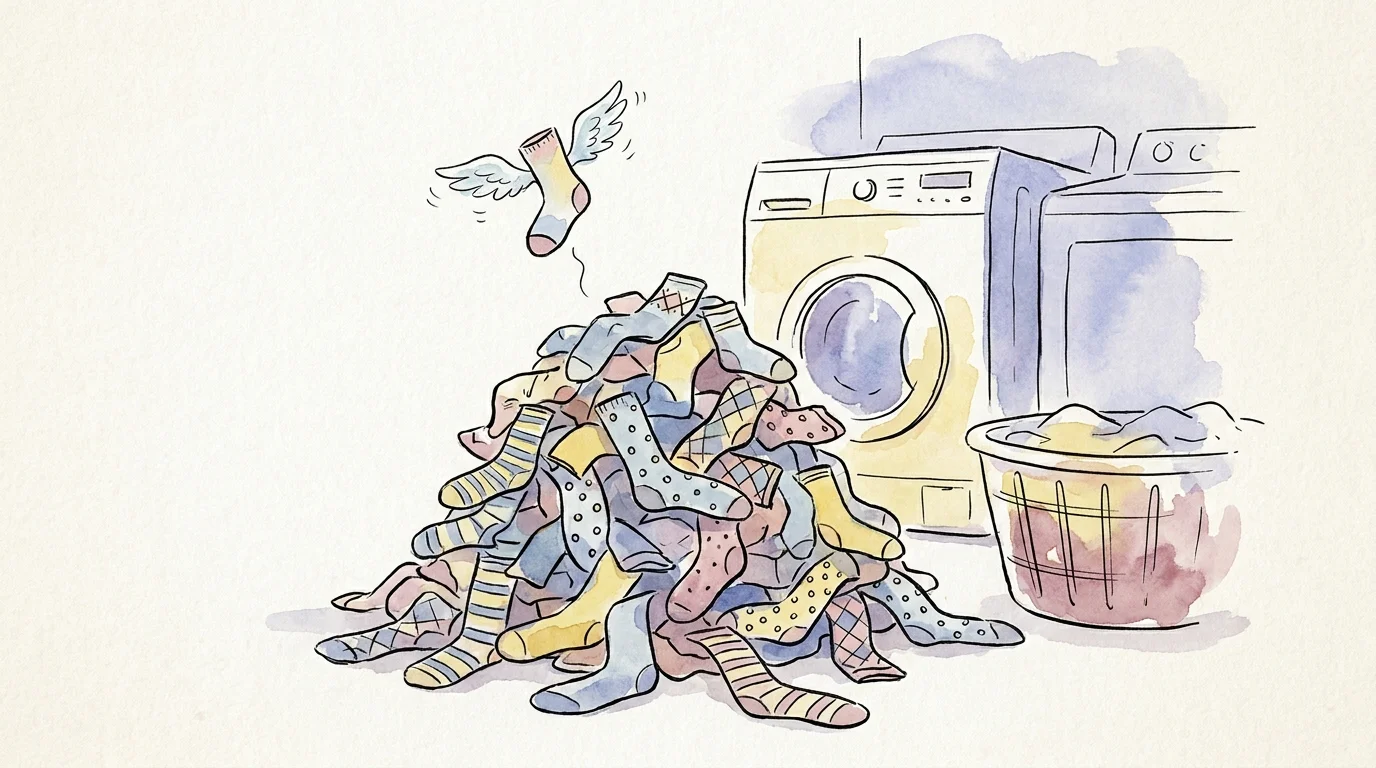
04 Endless Piles of Orphan Socks and Abandoned Clothes
You pull a mountain of clean clothes from the dryer, sort them out, and inevitably discover several socks missing their partners. Instead of dealing with them immediately, you leave those orphan socks sitting on the edge of the folding counter, hoping their mates will magically appear in the next load. As weeks pass, that tiny pile morphs into a tangled heap of abandoned clothing, completely eating up your valuable workspace. This unmanaged pile often becomes a dumping ground for shirts missing buttons, pants that need a zipper repair, or sweaters requiring special stain treatments. You need a decisive, organized system to handle this frustrating laundry limbo. Mount a small, attractive wire basket on the wall specifically designated for single socks and garments needing minor repairs. At the end of every month, force yourself to audit the basket. If a sock still lacks a match, repurpose it as a dusting mitt or throw it away immediately. To prevent the orphan sock problem from recurring, provide zip-up mesh wash bags to everyone in your household so pairs stay together through the entire wash cycle.
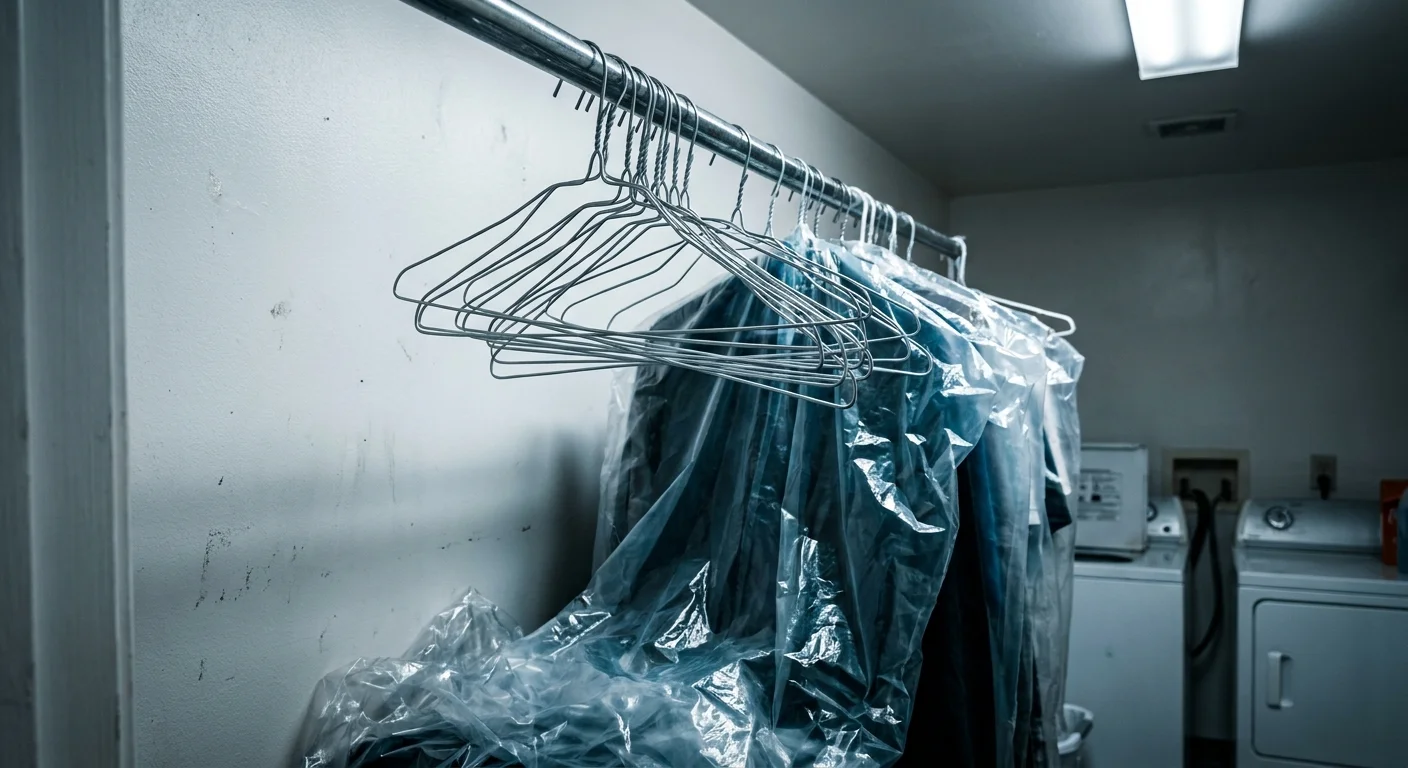
05 Flimsy Dry-Cleaning Bags and Wire Hangers
Bringing your garments home from the dry cleaner feels satisfying until you hang them up and leave the thin plastic wrapping intact. Those flimsy dry-cleaning bags trap humidity, encouraging mildew growth on your favorite tailored fabrics. They also create a chaotic, slippery mess in your closet and laundry room, tangling with cheap wire hangers and generating frustrating static electricity that clings to everything. Furthermore, these flexible films pose a severe risk to young children; the U.S. Consumer Product Safety Commission consistently warns that thin plastic bags create a deadly suffocation hazard, as the material can easily seal over a child’s nose and mouth. Establish a strict routine to discard this commercial packaging the moment you walk through the door. Strip the plastic covers off your garments immediately and bundle them for recycling at a local grocery store that accepts thin film plastics. While you are organizing, remove the cheap wire hangers provided by the cleaner. They warp easily, snag delicate fabrics, and visually clutter your hanging rod. Transfer your freshly cleaned clothing to sturdy velvet or wooden hangers for a polished, uniform look.
06 Clunky Ironing Boards and Forgotten Accessories
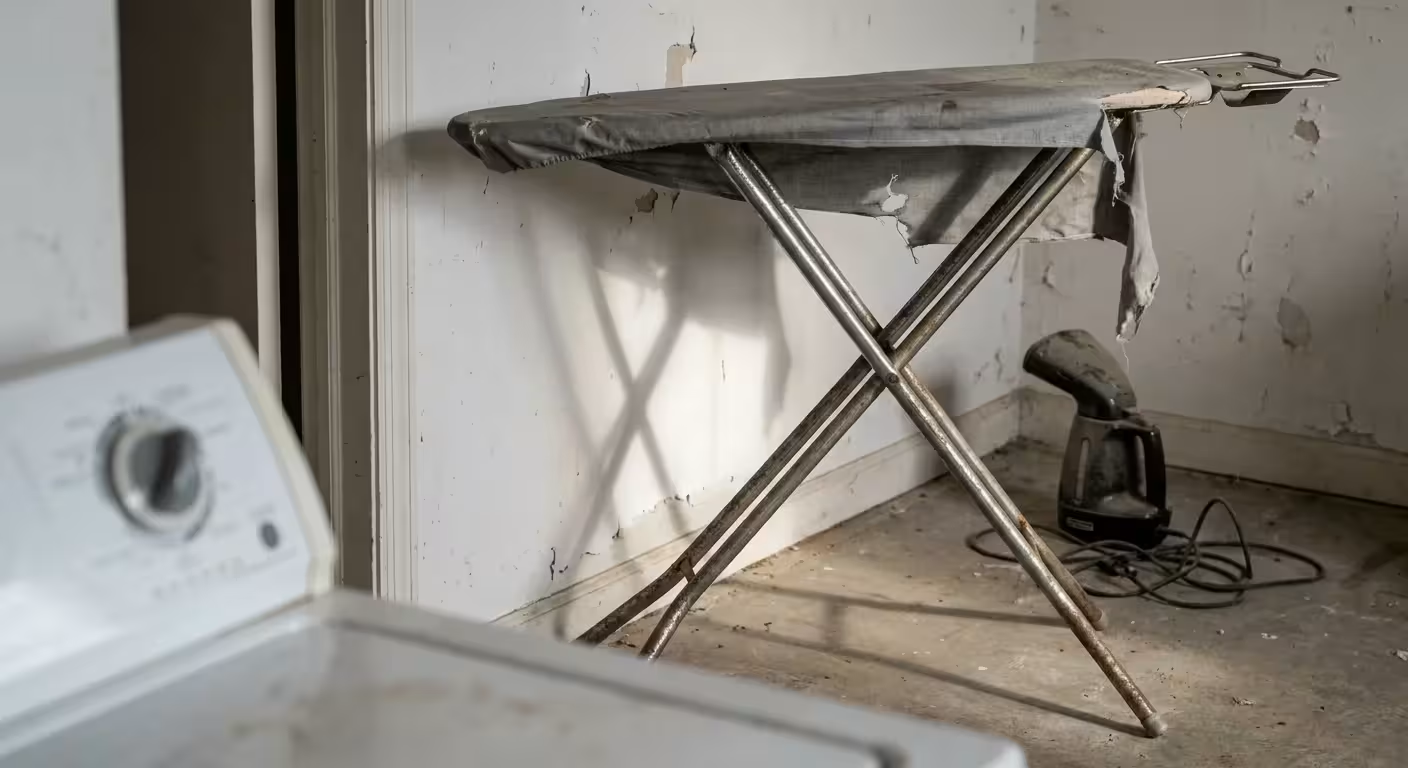
An ironing board leaning precariously in the corner of the room is an accident waiting to happen. Every time you reach past it to grab the fabric softener, the tall board clatters to the ground, taking the broom and a bottle of stain remover down with it. The board itself is bulky, awkward, and demands an unfair share of your limited floor space. Accompanying that massive board is usually a graveyard of neglected ironing supplies—crusty bottles of spray starch, calcified steam water, and frayed press cloths from a decade ago. Take back your valuable floor space by hanging the ironing board on a sturdy over-the-door hook or a heavy-duty wall bracket. If you realize you only iron garments a few times a year for special occasions, consider donating the bulky board entirely. You can easily replace it with a heat-resistant ironing mat that rolls up and tucks neatly into a drawer. Pair the flexible mat with a compact handheld steamer to effortlessly remove wrinkles without dedicating half your laundry room to the task.
07 Improperly Stored Brooms, Mops, and Tangled Cords
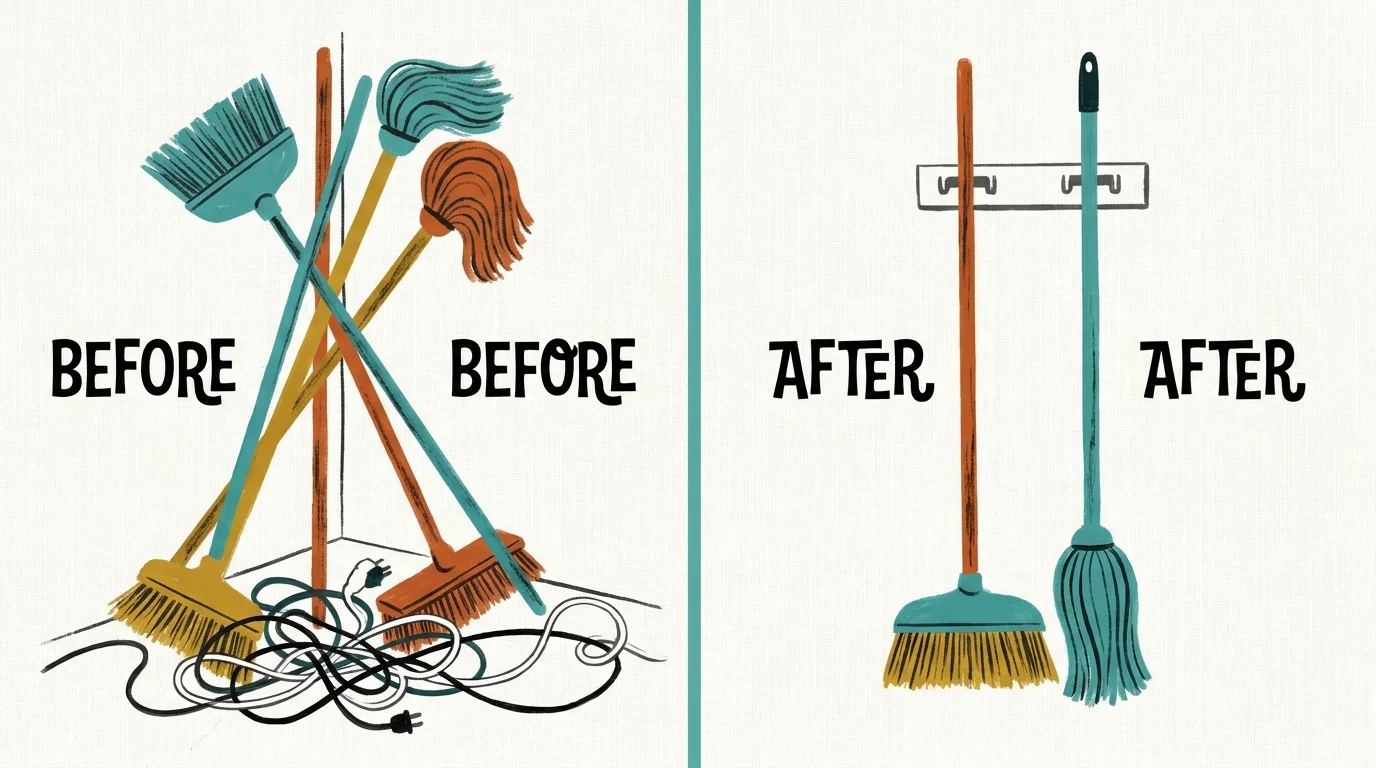
Because space is often limited, many laundry rooms pull double duty as a primary utility closet, housing wet mops, push brooms, vacuum attachments, and dustpans. When you lean these long-handled tools against the wall, they inevitably slide down and crash to the floor, creating an impassable barrier. Trying to maneuver a heavy laundry basket around a tangled web of mop handles and vacuum cords adds unnecessary friction to a chore that already feels tedious. Leaving wet string mops bunched up on the floor also ruins the mop head and breeds foul-smelling bacteria that permeates the room. You can instantly elevate the functionality of your space by installing a wall-mounted track organizer equipped with spring-loaded friction grips. Snapping your brooms and mops securely onto the wall lifts them entirely off the floor, allowing wet cleaning heads to air dry properly while keeping handles locked securely in place. Use heavy-duty reusable hook-and-loop straps to bundle wandering vacuum cords, keeping your walkways completely clear of tripping hazards.
08 Expired Cleaners and Mystery Stain Removers
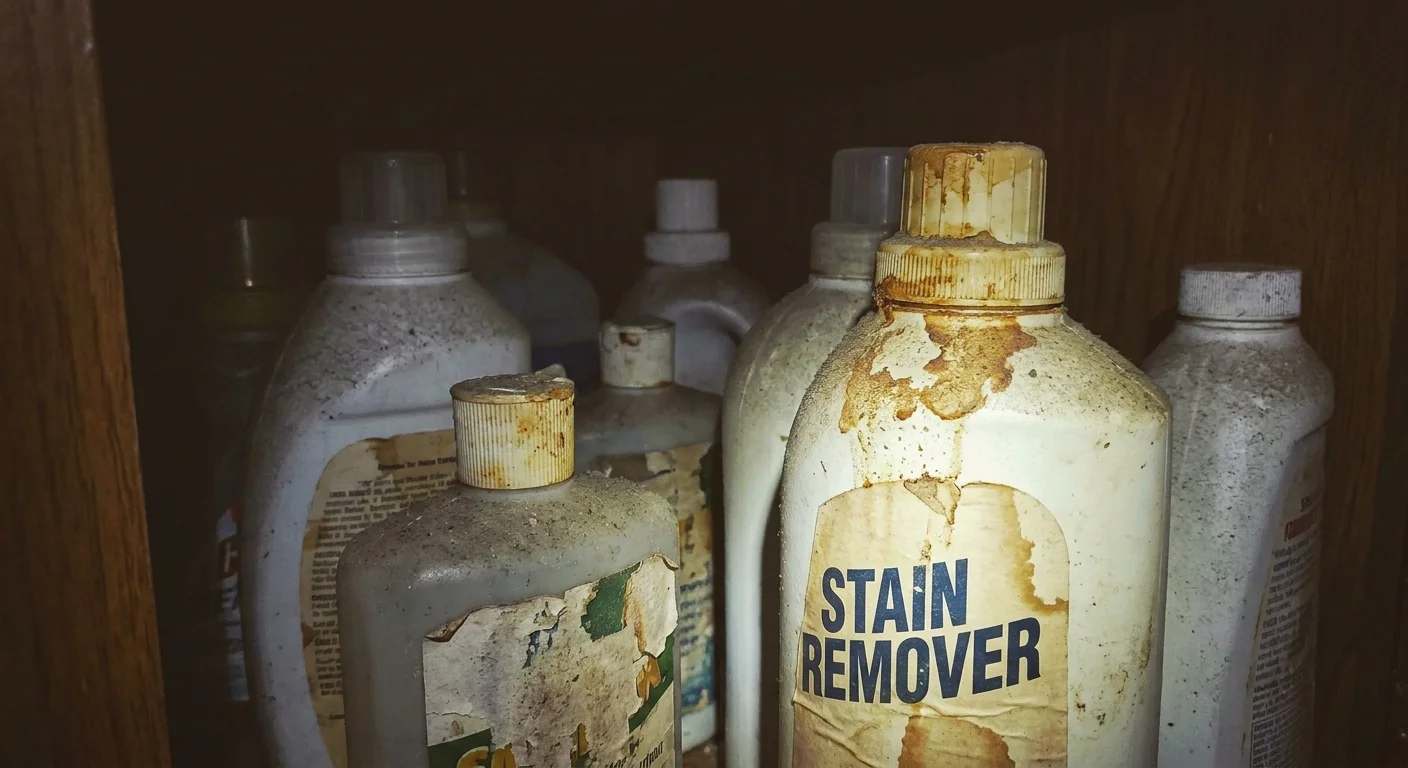
Look in the very back of your laundry room cabinets and you will likely uncover a dusty museum of expired chemical cleaners. You might find a bottle of bleach from three years ago, a specialized rust remover you used exactly once, and several dried-out stain pens. Hoarding old cleaning products wastes valuable shelf space and creates a toxic, sticky mess when aging plastic bottles inevitably degrade and leak their contents onto the wood below. What many people do not realize is that household chemicals lose their chemical efficacy over time; for instance, standard liquid bleach begins to break down and lose its powerful disinfecting properties after just six months of storage. Clinging to useless products makes it incredibly frustrating to locate the specific spray you actually need when treating a fresh coffee stain. Pull every single bottle out of your cabinets and ruthlessly evaluate the inventory. Consolidate duplicates, discard anything past its prime, and keep only the versatile, active cleaners you reach for on a weekly basis.
Step-by-Step Guide to Safely Disposing of Old Laundry Chemicals
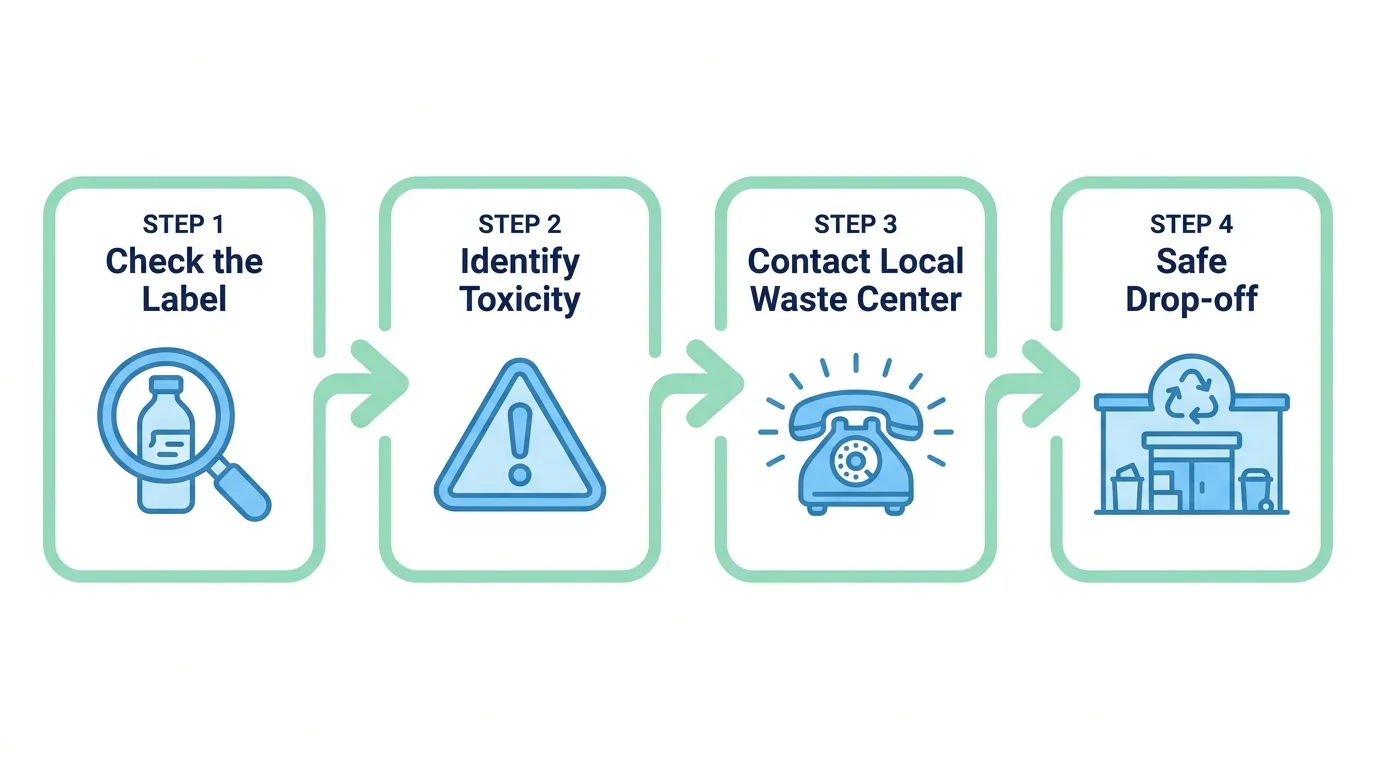
Once you decide to clear out the expired clutter from your cabinets, you must dispose of the chemicals responsibly to protect your home plumbing and the local water supply.
- Read the warning labels carefully: Look closely for specific disposal instructions or extreme hazard warnings such as caution, danger, or poison printed on the back.
- Flush liquid detergents safely: The U.S. Environmental Protection Agency advises that you can safely pour standard, water-soluble liquid laundry detergents and mild fabric softeners down the household drain. Keep the cold tap running continuously to dilute the soapy solution.
- Dissolve leftover powders slowly: Dispose of powdered laundry detergents in small, manageable batches down the sink with plenty of running hot water. Pouring too much powder at once will form rock-hard clumps and severely clog your pipes.
- Never mix cleaning products: Empty one bottle completely before moving to the next. Mixing household chemicals during disposal—especially bleach and ammonia-based products—creates highly toxic chloramine gas that poses an immediate, life-threatening danger.
- Utilize hazardous waste facilities: Do not pour heavy-duty solvents, harsh rust removers, or unidentified chemical mixtures down the drain. Take these dangerous items to your local household hazardous waste collection site for safe, professional processing.

Make Your Next Wash Day Effortless
Now that you know exactly what is cluttering your laundry room, grab a large trash bag and a recycling bin to start clearing the space. Focus on removing the empty bottles and safely disposing of expired chemicals first. Reclaiming this essential room transforms laundry from a frustrating chore into a smooth, streamlined process.