Washing specific household items in hot water is the only reliable way to break down heavy body oils, eliminate lingering odors, and kill microscopic allergens. While modern cold-water detergents handle everyday clothing perfectly, they cannot sanitize fabrics harboring high bacteria loads or hidden dust mites. To achieve a truly clean home, you must harness the sanitizing power of a hot wash cycle for your hardest-working linens. High temperatures ensure that stubborn grime dissolves completely, which protects your skin and keeps your living spaces healthier. By moving these five specific items to a hot cycle, you will immediately upgrade your routine and maintain the freshness of your essential fabrics.
The Science of Temperature in Your Laundry Routine
To understand why certain items demand a high-temperature wash, you have to look at how water heat interacts with human biology and fabric mechanics. Everyday wear like t-shirts, jeans, and sweaters do perfectly fine in cold water; in fact, cold water preserves their colors and prevents shrinkage. However, cold water falls completely short when tasked with dissolving complex lipids—specifically, the sebum (body oil) your skin produces every day and night.
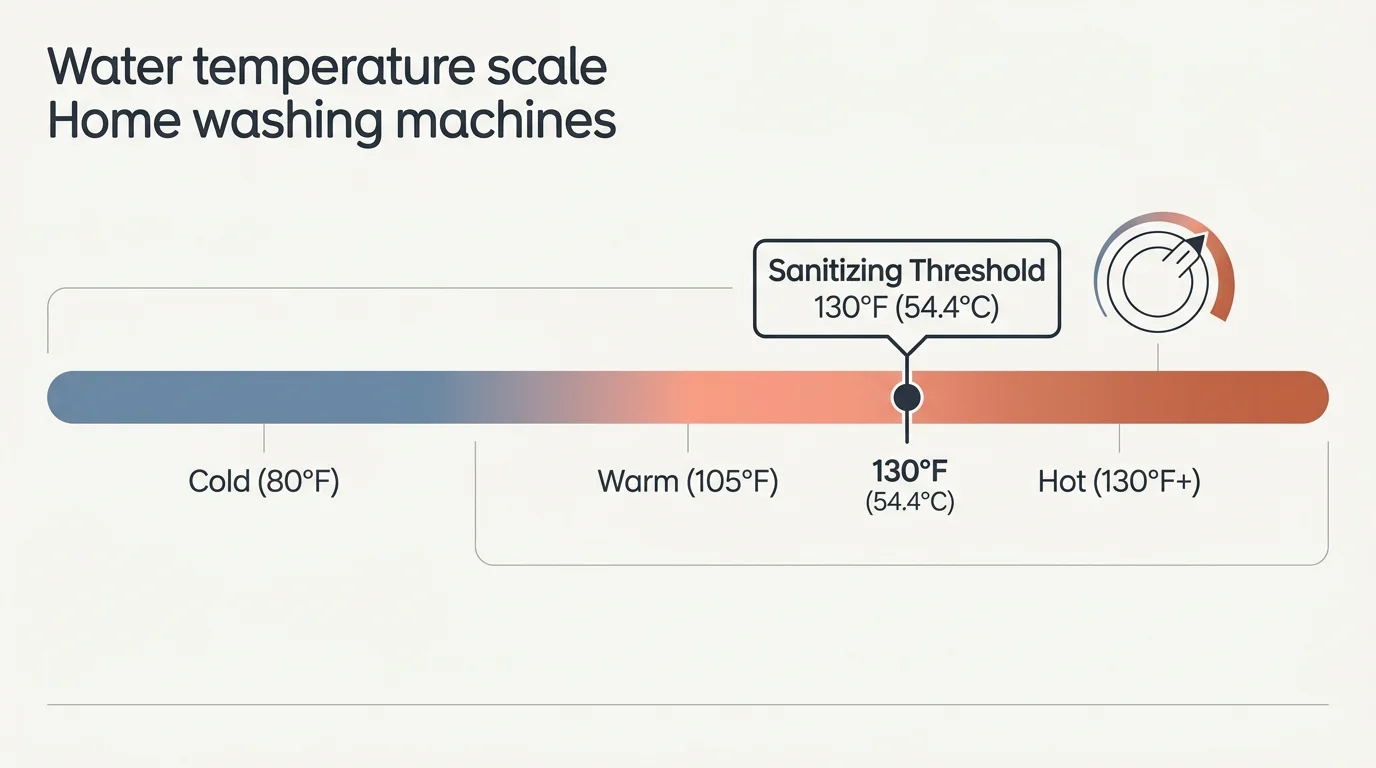
Think of it like washing a greasy frying pan. If you run cold water over bacon grease, the fat solidifies, turns white, and sticks stubbornly to the metal. If you use hot water, the grease melts, allowing the soap to lift it away and wash it down the drain. The exact same principle applies to the fabrics that sit in direct contact with your body for extended periods. Hot water—typically classified as 130 degrees Fahrenheit (54.4 degrees Celsius) or higher—melts trapped body oils, opens up the fabric fibers, and allows your laundry detergent to penetrate deeply.
Furthermore, hot water possesses a lethal property that cold water lacks: it actively kills biological contaminants. Fungal spores, common household bacteria, and highly allergenic dust mites survive cold and warm washes easily. When you run a hot cycle, you create a hostile thermal environment that sanitizes the load, ensuring your fabrics come out hygienically clean rather than just visibly spotless.
1. Your Daily Bath Towels and Washcloths
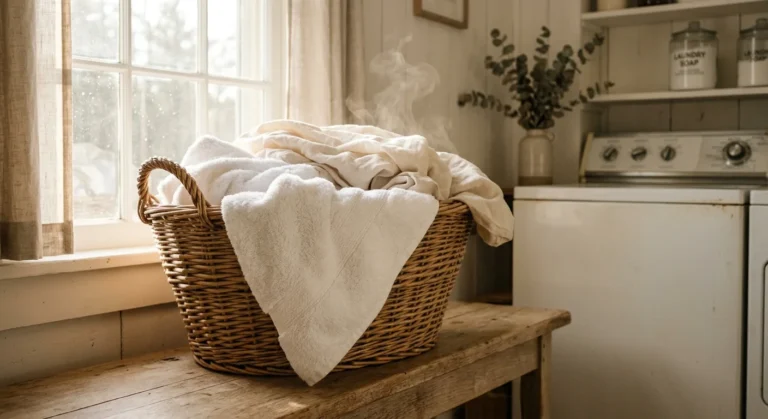
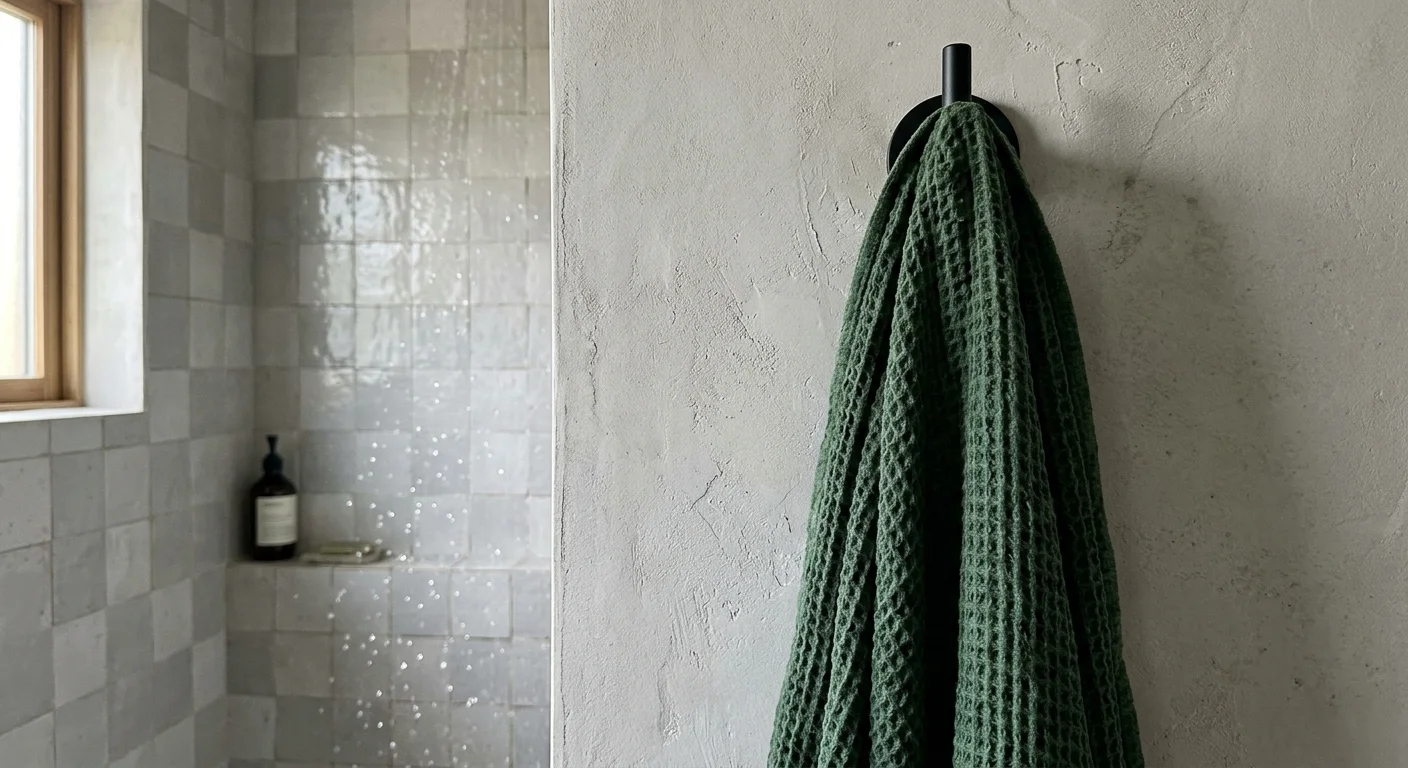
Bath towels and washcloths endure some of the toughest conditions of any textile in your home. Every time you step out of the shower and dry off, you rub dead skin cells, lingering body oils, and moisture directly into the thick, absorbent terry cloth fibers. You then hang that damp towel in a bathroom—a naturally warm, humid environment—which creates the ultimate breeding ground for mildew and bacteria.
If your towels ever develop a sour, musty smell the moment they get damp, you are smelling a buildup of bacteria and trapped oils that cold water failed to remove. To permanently banish that locker-room odor, you must wash your cotton bath towels and washcloths in hot water. The heat melts the accumulated sebum and strips away the invisible layer of grime feeding the mildew.
To maximize the effectiveness of your hot water towel washes, skip the liquid fabric softener entirely. Fabric softeners coat cotton fibers in a thin, waterproof layer of silicone and animal fats. This coating prevents the hot water from fully penetrating the towel and permanently destroys the fabric’s ability to absorb water. Instead, wash your towels in hot water with a standard dose of heavy-duty detergent, and add half a cup of distilled white vinegar to the rinse cycle. The hot water removes the oils, and the vinegar dissolves mineral buildup, leaving you with fluffy, highly absorbent, and fresh-smelling towels.

2. Bed Sheets and Pillowcases
You spend a third of your life in bed, shedding thousands of dead skin cells and producing sweat every single night. This constant supply of moisture and organic matter attracts a microscopic nuisance: the house dust mite. Dust mites do not bite, but their waste products are one of the most common triggers for indoor allergies and asthma.
You cannot eliminate dust mites with a simple cold-water wash. To effectively kill these microscopic pests and denature the proteins in their allergens, you must expose them to high temperatures. According to the Mayo Clinic’s environmental allergy guidelines, you should wash your sheets, pillowcases, and blankets in hot water heated to at least 130 degrees Fahrenheit (54.4 degrees Celsius).
For individuals with severe allergies, this hot-water protocol is non-negotiable. Strip your bed once a week and run the sheets on the longest hot water cycle your machine offers. If you use a mattress protector—which you absolutely should to keep mites from colonizing the actual mattress—wash that in hot water once a month as well. To guarantee the eradication of any surviving mites, dry your bedding on a high-heat tumble cycle until completely dry. Air-drying sheets outdoors might smell nice, but it risks re-infestation and does not provide the secondary thermal blast required to keep your sleep environment sterile.
3. Underwear
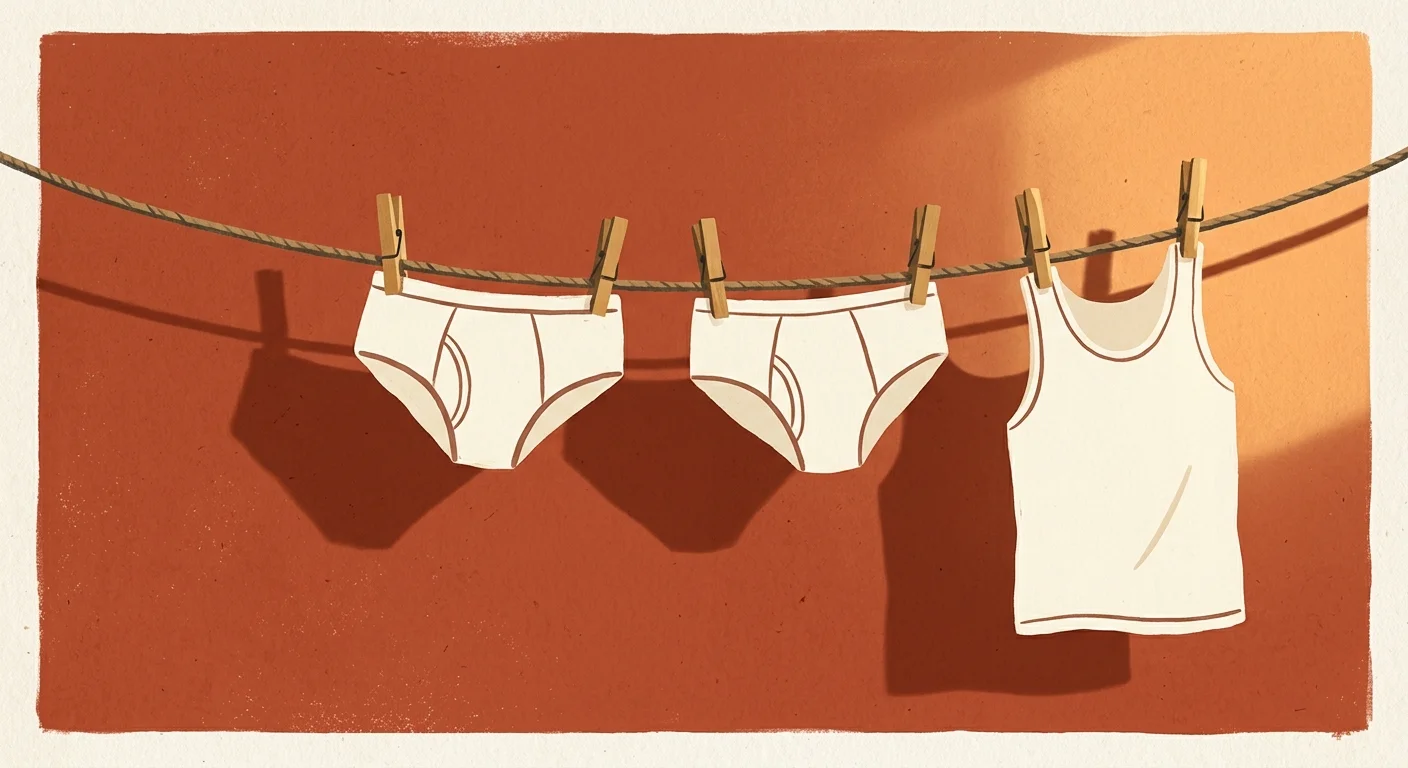
Undergarments require a heavy-duty cleaning approach because they sit in direct contact with the most bacteria-heavy areas of the human body. Even with excellent personal hygiene, standard daily wear transfers sweat, yeast, and microscopic amounts of fecal matter directly into the fabric of your underwear.
When you wash underwear in cold water, you simply agitate those bacteria around in a lukewarm pool. If you wash your underwear in the same cold load as your kitchen dish towels or face cloths, you risk cross-contaminating your entire laundry batch. A hot water wash is mandatory for undergarments to destroy these bacteria and thoroughly wash away bodily fluids.
Many people hesitate to wash underwear in hot water out of fear that the heat will degrade elastic waistbands or shrink delicate fabrics. While extreme heat can shorten the lifespan of spandex and lace over years of washing, the hygienic tradeoff is heavily skewed in favor of hot water. To protect the structural integrity of your undergarments while still getting them sanitary, wash them in hot water, but skip the high-heat dryer setting. Hang them on a drying rack or tumble dry them on a low-heat setting. The hot water in the washing machine does the heavy lifting for sanitization, while air-drying protects the stretch and elasticity of the garments.
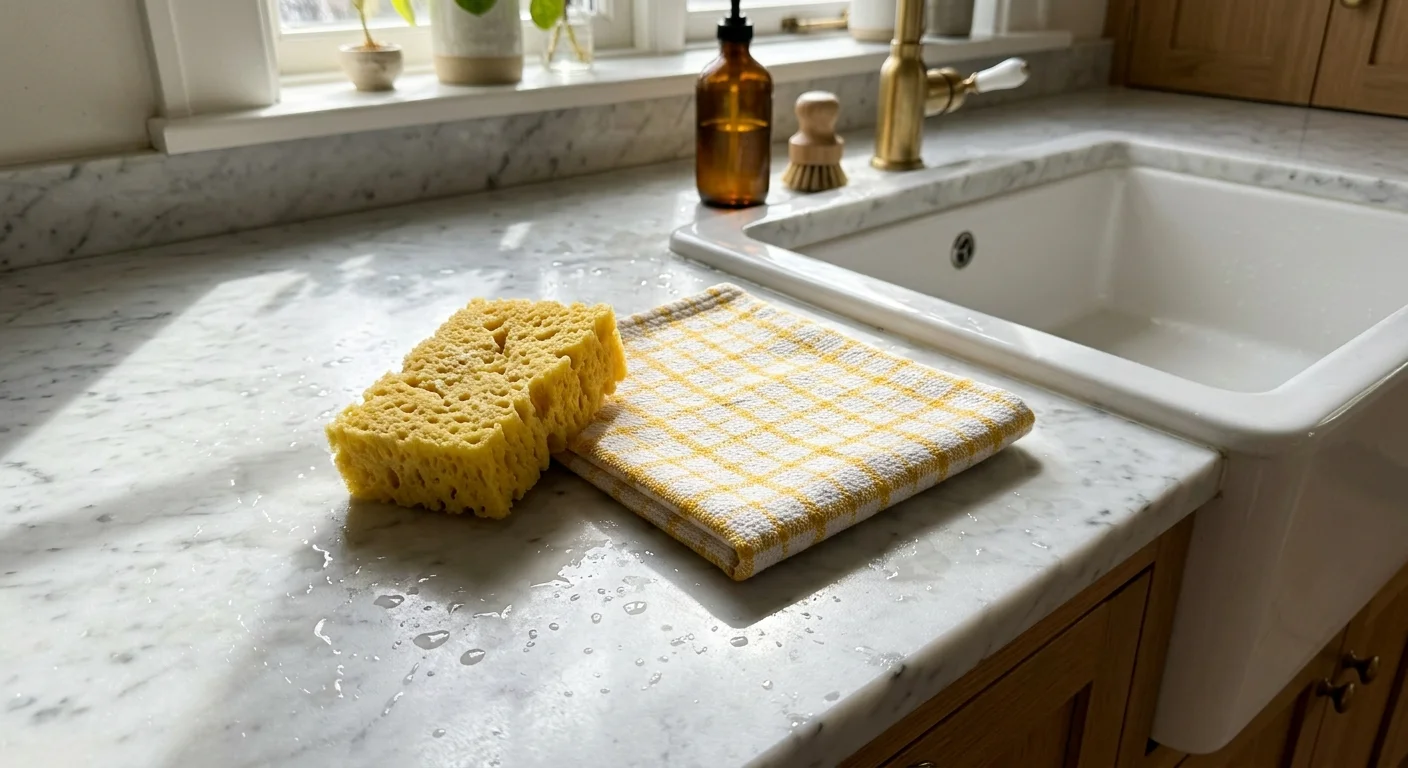
4. Cotton Kitchen Cleaning Cloths and Sponges
Your kitchen sink and countertops harbor more dangerous bacteria than most bathroom toilets. When you wipe up raw chicken juice, egg spills, and everyday food debris with a kitchen cloth, you load that fabric with aggressive pathogens like Salmonella, E. coli, and Campylobacter. Rinsing the cloth in the sink and hanging it over the faucet only allows these bacteria to multiply rapidly at room temperature.
To prevent cross-contamination and foodborne illness, your cotton kitchen cloths, rags, and reusable mop pads must go through a hot water cycle. The high temperature, combined with a strong detergent, breaks down the stubborn food greases and neutralizes the pathogens. For an extra layer of safety, you can add a laundry sanitizer or standard chlorine bleach to this specific load.
A Critical Warning About Microfiber: While cotton rags thrive in hot water, you must never put microfiber cleaning cloths in a hot wash. Microfiber is spun from synthetic plastics—polyamide and polyester. Hot water will literally melt these microscopic plastic fibers, causing the towel to shrink, stiffen, and permanently lose its static charge and absorbency. Sort your cleaning rags carefully; send the heavy cotton to the hot wash, but keep your synthetic microfiber in a dedicated cold or warm wash.
5. Laundry from a Sick Household Member
When stomach bugs, influenza, or respiratory viruses sweep through your home, your laundry room becomes the first line of defense against the infection spreading to other family members. Bed linens, pajamas, and towels used by a sick person become heavily contaminated with viral particles and bacteria.
During and immediately after an illness, standard washing rules go out the window. The Centers for Disease Control and Prevention (CDC) guidelines for cleaning and disinfecting explicitly state that you should wash items used by an ill person using the warmest appropriate water setting and dry them completely.
When handling this infectious laundry, take a practical approach to protect yourself. Do not hug the dirty laundry basket to your chest, and absolutely do not shake the dirty bedding or clothes before putting them in the machine. Shaking fabrics can disperse infectious viral particles into the air, which you then inhale. Simply drop the garments directly into the drum, select the hot water cycle, and use a heavy-duty detergent. You do not necessarily need to wash the sick person’s clothing separately from the rest of the household’s laundry—the combination of hot water, detergent, and high-heat drying is powerful enough to safely sanitize the entire load.
How to Make Sure Your “Hot” Wash is Actually Hot
You can push the “Hot” button on your washing machine panel all you want, but if your home’s internal plumbing is not set up correctly, you might just be washing your clothes in lukewarm water. Most residential washing machines do not have internal water heaters; they rely entirely on the hot water piped in from your home’s water heater.
Many modern water heaters are set to 120 degrees Fahrenheit by default to prevent accidental scalding at the tap and to improve energy efficiency. However, as established by the American Lung Association’s guidance on indoor allergens, you need water temperatures of at least 130 degrees Fahrenheit to successfully kill dust mites and achieve thermal sanitization.
If you want your hot water cycles to function as intended, you need to adjust your water heater thermostat slightly upward to reach that 130-degree threshold. Alternatively, if you are purchasing a new washing machine, look for a model that features a dedicated internal water heater or a specific “Sanitize” cycle. These advanced machines draw in standard hot water and use an internal heating element to boost the temperature up to 150 or 160 degrees, guaranteeing a hospital-grade clean for your toughest loads.
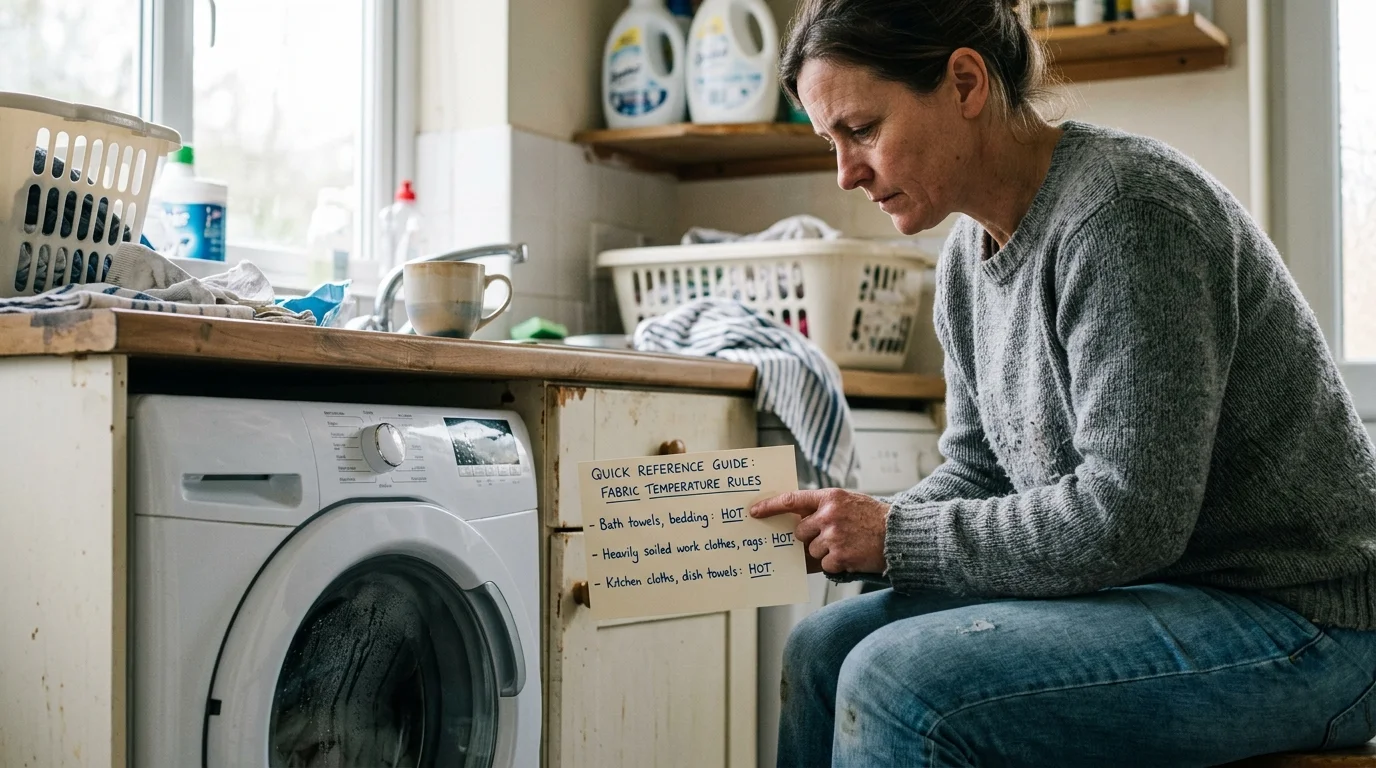
Quick Reference Guide: Fabric Temperature Rules
Managing the laundry can easily become overwhelming, especially when trying to remember which fabrics require heat and which will be destroyed by it. Use this practical reference table to quickly sort your weekly loads and avoid costly laundry mistakes.
| Item / Fabric Type | Required Water Temp | Why This Matters |
|---|---|---|
| Cotton Bath Towels | Hot (130°F+) | Melts thick body oils and destroys mildew-causing bacteria trapped in terry cloth loops. |
| Bedding & Pillowcases | Hot (130°F+) | Lethal to house dust mites; removes heavy overnight sweat and dead skin buildup. |
| Underwear | Hot (130°F+) | Sanitizes high levels of personal bacteria and removes biological soils effectively. |
| Microfiber Cleaning Cloths | Cold or Warm | Hot water melts the synthetic plastic fibers, ruining their cleaning power permanently. |
| Dark Clothing & Denim | Cold | Hot water relaxes the fabric dye bonds, causing rapid fading and unwanted shrinkage. |
| Wool Sweaters & Silk | Cold | Heat actively damages natural animal fibers, causing them to felt, warp, and shrink instantly. |
The Hidden Benefit of Hot Water Washing
Implementing a routine where you wash specific items in hot water does not just protect your health and your linens—it also protects your washing machine. High-efficiency (HE) front-loading washing machines are notorious for developing foul, swampy odors over time. This happens because cold-water washes leave behind a thin film of undissolved detergent, fabric softener, and trapped dirt on the inside of the drum and behind the rubber door gasket.
When you run your towels or bed sheets through a hot cycle once or twice a week, you naturally flush out the internal mechanics of your washing machine. The high heat dissolves the slimy soap scum buildup inside the drum and kills the mildew spores taking root in the drainage hoses. By utilizing the hot water setting for these five essential items, you effectively automate the maintenance of your expensive appliance, ensuring it never develops that dreaded washing machine stink.
Your Next Step for a Cleaner Home
Go to your linen closet right now, gather up all your heavily used bath towels and washcloths, and run them through a long, hot wash cycle using a heavy-duty detergent and a half-cup of white vinegar. You will instantly notice they feel fluffier, absorb water faster, and smell completely fresh, proving just how much trapped oil the cold water was leaving behind.