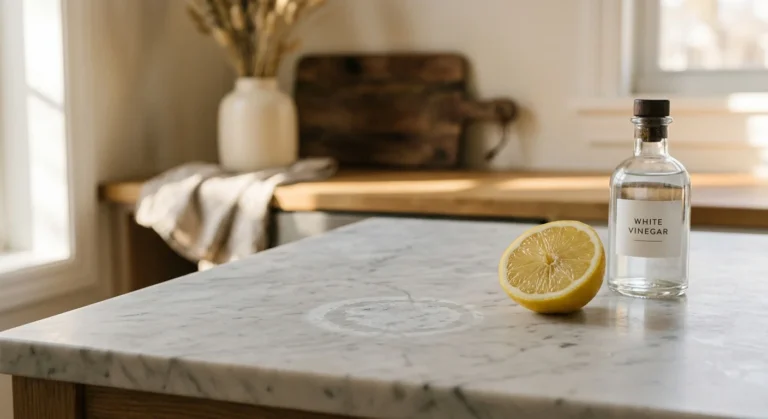
Swapping commercial spray bottles for kid safe cleaning solutions protects your family’s health without sacrificing a spotless home. Standard household cleaners contain harsh chemicals that linger on floors, countertops, and toys; young children and pets absorb these residues quickly through frequent skin contact and hand-to-mouth habits. By making non-toxic homemade cleaners with pantry staples like baking soda, castile soap, and hydrogen peroxide, you create a safer living space while cutting your grocery bill. These six reliable recipes deliver deep cleaning power for everyday messes, stubborn stains, and lingering odors; they keep your toddlers and four-legged companions completely protected while simplifying your daily routine.
The Hidden Health Risks of Commercial Cleaners in Your Home
Conventional cleaning products often contain synthetic fragrances, volatile organic compounds (VOCs), phthalates, and harsh surfactants. While these chemicals break down grease and grime quickly, they create hidden hazards for vulnerable family members who spend hours playing directly on floors and rugs.
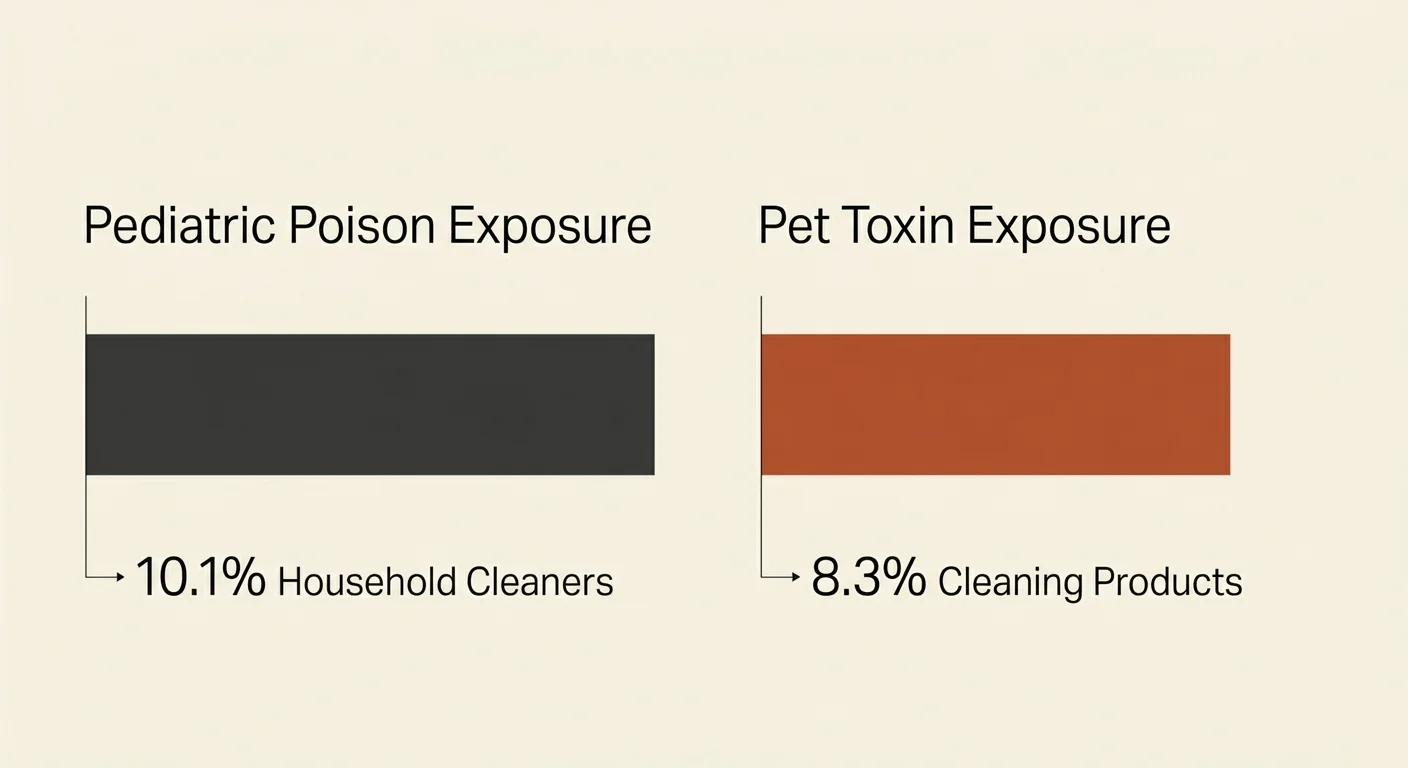
According to the National Poison Data System (NPDS) 2023 Annual Report published by America’s Poison Centers in December 2024, household cleaning substances represent the number one most common exposure category for children aged five and under. These everyday chemicals accounted for 10.1% of all pediatric poison exposure calls that year. Furthermore, overall 2024 NPDS data reveals that U.S. poison centers managed 2,092,689 human poison exposures—with children and teens (ages 0 to 19) making up 54.8% of all incidents, totaling 1,146,538 reported cases.
Our domestic animals face similar vulnerabilities. In 2025, the ASPCA Animal Poison Control Center handled calls regarding more than 376,000 pet toxin exposures. Household cleaning items consistently rank among the top sources of toxicity, generating approximately 8.3% of all pet poison calls. Dogs lick their paws after walking across freshly mopped floors, and cats groom their fur constantly—ingesting whatever chemical residues linger on household surfaces.
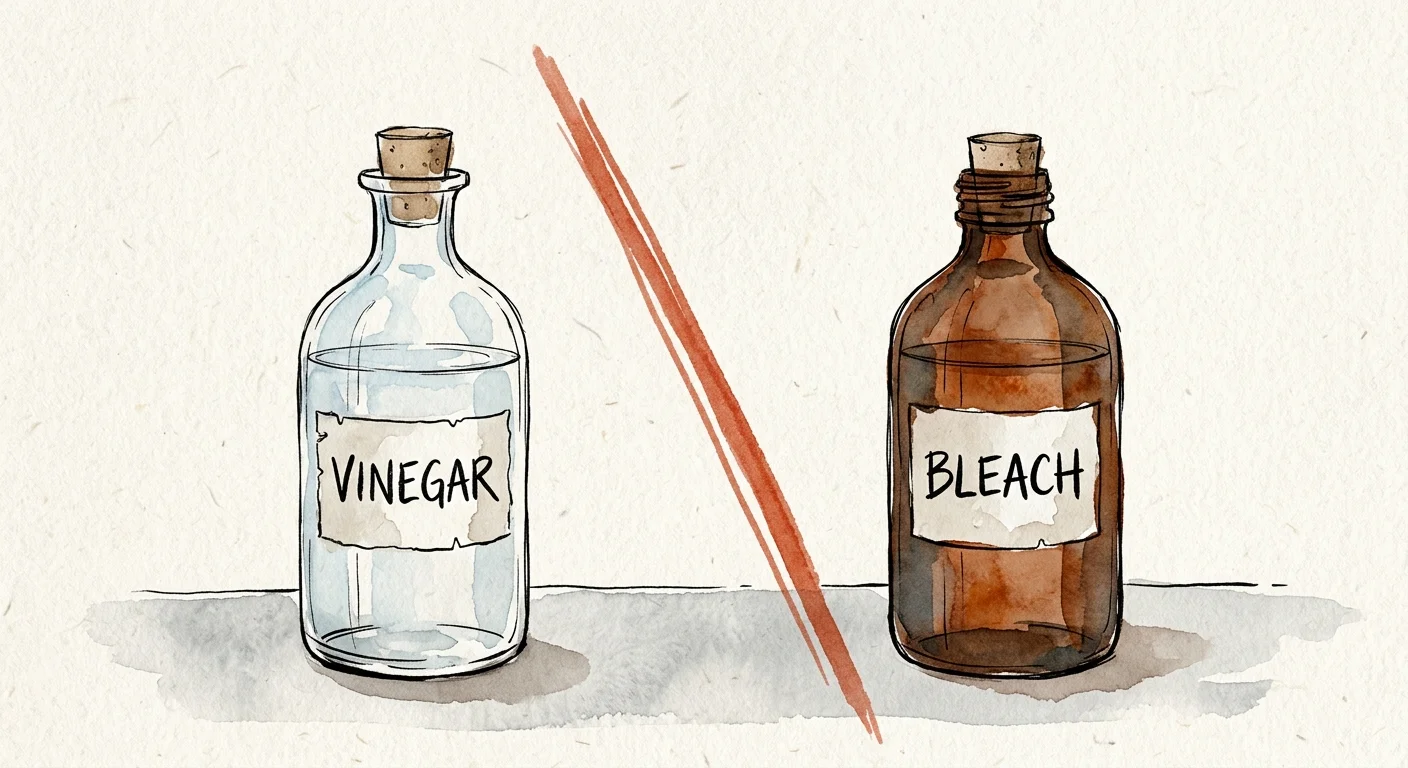
Essential Safety Rules Before Mixing DIY Cleaners
Mixing your own safe diy cleaners saves money and eliminates unnecessary toxins; however, you must follow basic chemistry safety rules to prevent accidental chemical reactions in your kitchen.
Never mix chlorine bleach (sodium hypochlorite) with acidic natural cleaners like distilled white vinegar, lemon juice, or ammonia. Guidelines from the Centers for Disease Control and Prevention warn that combining bleach with acids produces toxic chlorine gas. Inhaling chlorine gas causes immediate, severe respiratory distress in humans and acute toxicity in small animals.
Exercise strong caution when adding essential oils to natural cleaners for pets. While essential oils like tea tree (melaleuca), peppermint, and citrus (d-limonene) offer pleasant scents and antimicrobial properties, veterinary toxicologists at the ASPCA note that these oils are toxic to dogs and cats. High concentrations can trigger central nervous system depression, muscle tremors, and acute liver damage through ingestion, skin contact, or heavy inhalation. Keep your homemade solutions unscented or stick to ultra-mild, verified pet-safe formulas.
Look for ingredients that meet the strict standards outlined by the EPA Safer Choice Program to ensure your raw ingredients provide maximum performance with zero health compromise.
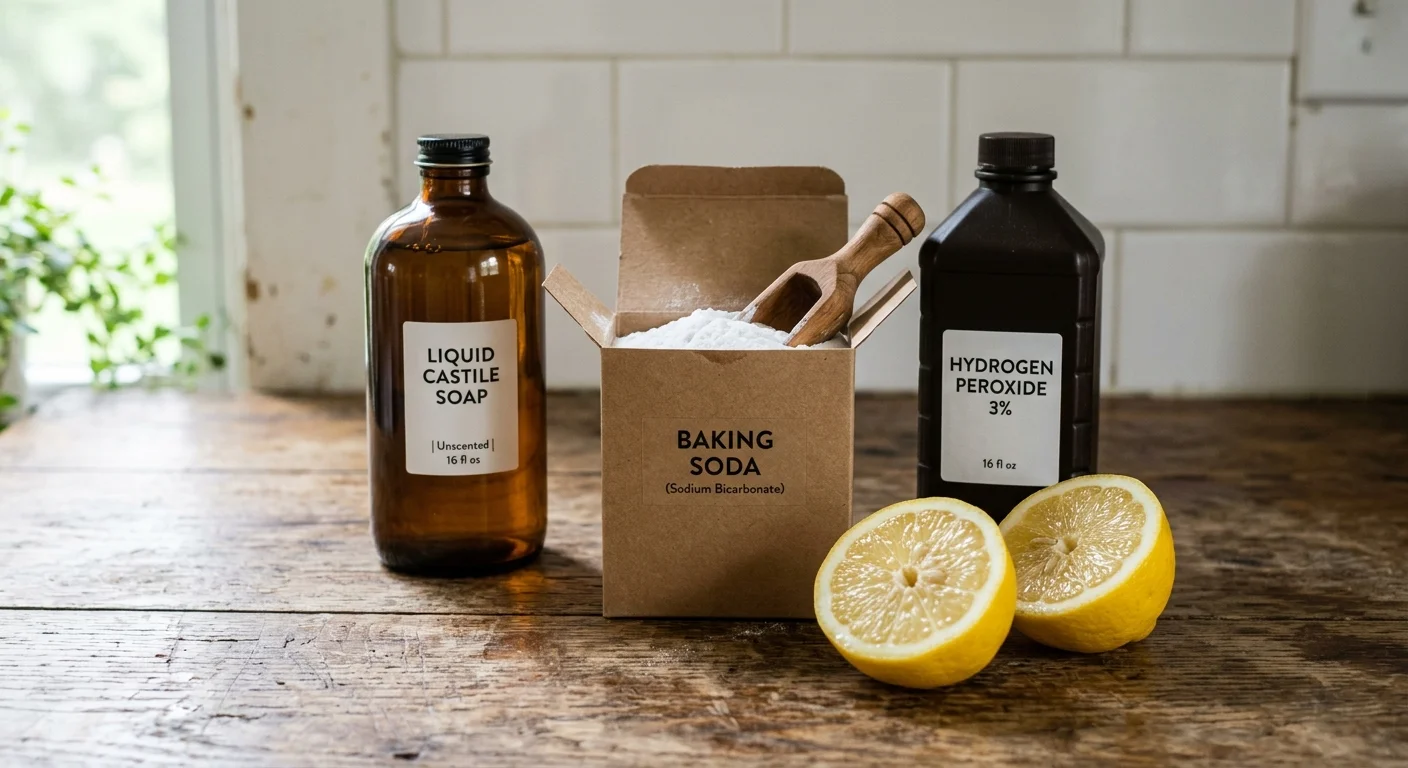
Master Pantry Ingredients for Non-Toxic Cleaning
You only need a few simple, inexpensive ingredients to build a complete non-toxic cleaning kit. Keep these core items stocked in your pantry:
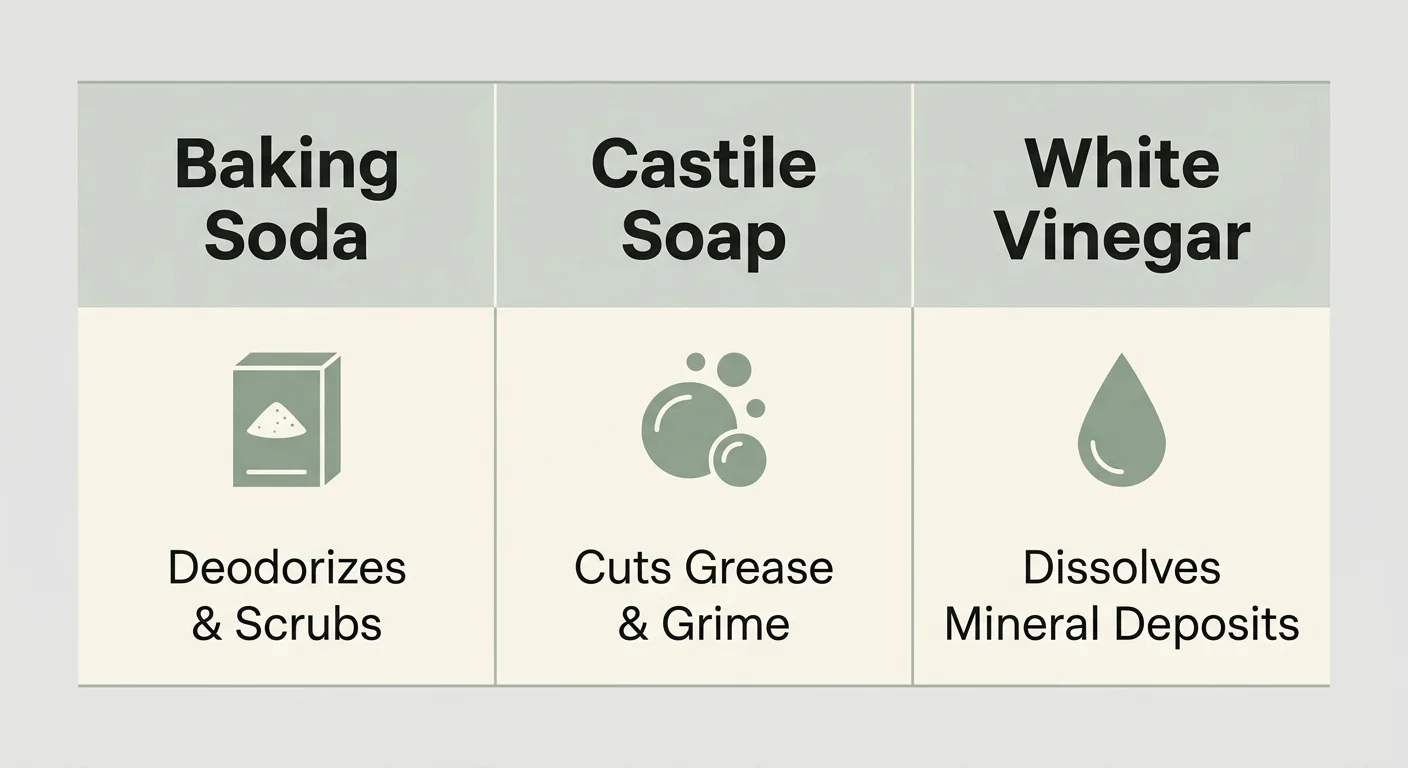
- Distilled White Vinegar: A mild acid (5% acetic acid) that cuts through grease, dissolves mineral buildup, and strips away hard water deposits.
- Baking Soda (Sodium Bicarbonate): A gentle, non-abrasive alkaline powder that neutralizes tough acidic odors and scrubs away baked-on grime without scratching surfaces.
- Liquid Castile Soap: A natural, vegetable-based soap (often made from olive, hemp, or coconut oil) that acts as an effective surfactant to lift dirt and oil.
- 3% Hydrogen Peroxide: A non-toxic oxidizing disinfectant that breaks down into harmless water and oxygen while lifting organic stains and brightening grout.
- Cornstarch: A natural plant starch that acts as a fine micro-abrasive to lift grease and leave glass completely streak-free.
- Distilled Water: Pure water free of minerals and bacteria, which extends the shelf life of your mixed spray bottles.
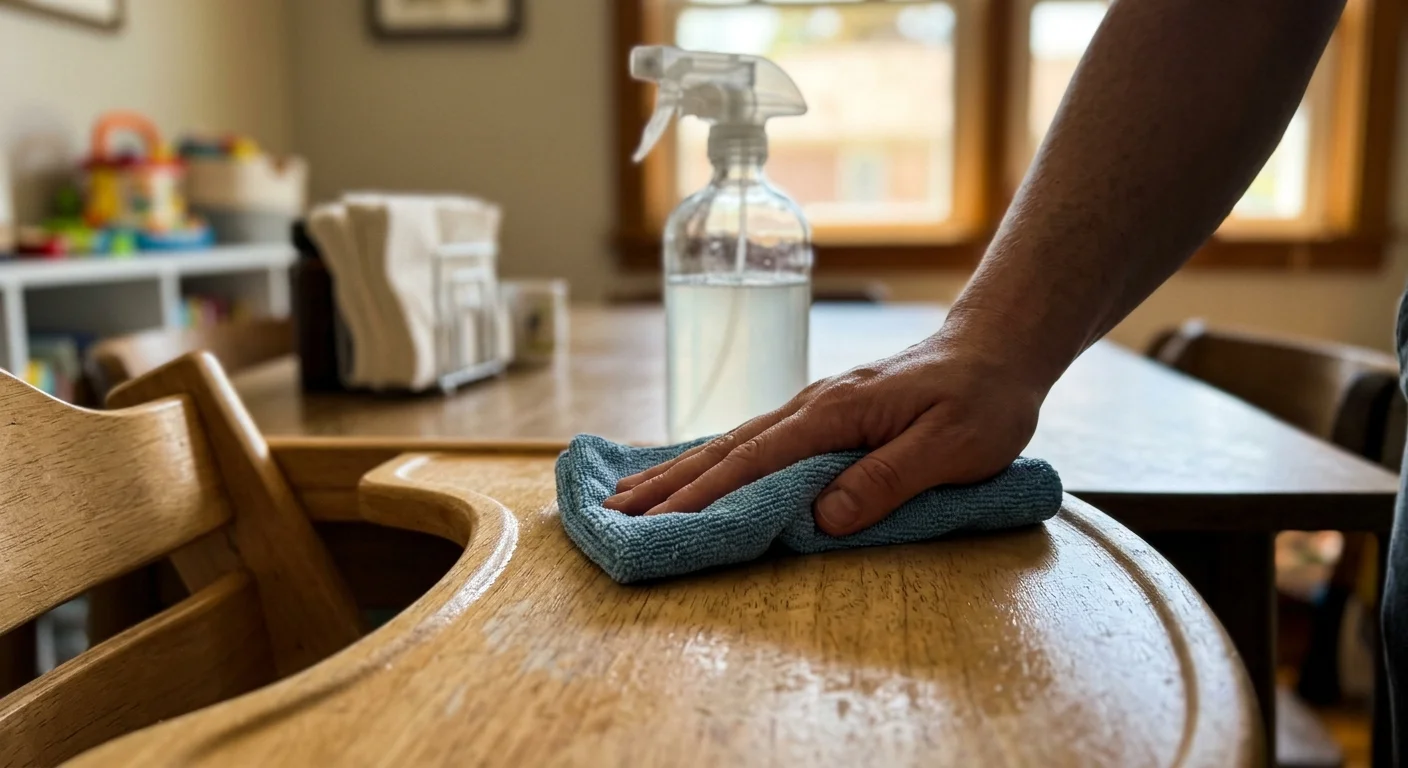
Recipe 1: All-Purpose Castile Surface Spray
This gentle, unscented spray acts as your daily workhorse for kitchen counters, dining tables, high chairs, and plastic toys. It lifts sticky fingerprints, grease, and food spills without leaving toxic chemical residues behind.
Ingredients:
- 2 cups distilled water
- 2 tablespoons unscented liquid castile soap
Step-by-Step Instructions:
- Pour 2 cups of distilled water into a clean 16-ounce spray bottle.
- Add 2 tablespoons of unscented liquid castile soap to the water. Always add the soap after the water to prevent excess suds from bubbling over.
- Cap the bottle tightly and shake gently to combine the ingredients.
- Spray directly onto granite, quartz, laminate, or plastic surfaces.
- Wipe clean with a damp microfiber cloth, then dry with a soft towel.
Safety Note: Castile soap is mild and safe for homes with crawling infants and nose-curious pets. Avoid mixing castile soap directly with vinegar; combining an acid with a natural soap un-saponifies the soap, turning your cleaner into a greasy, chunky mixture.
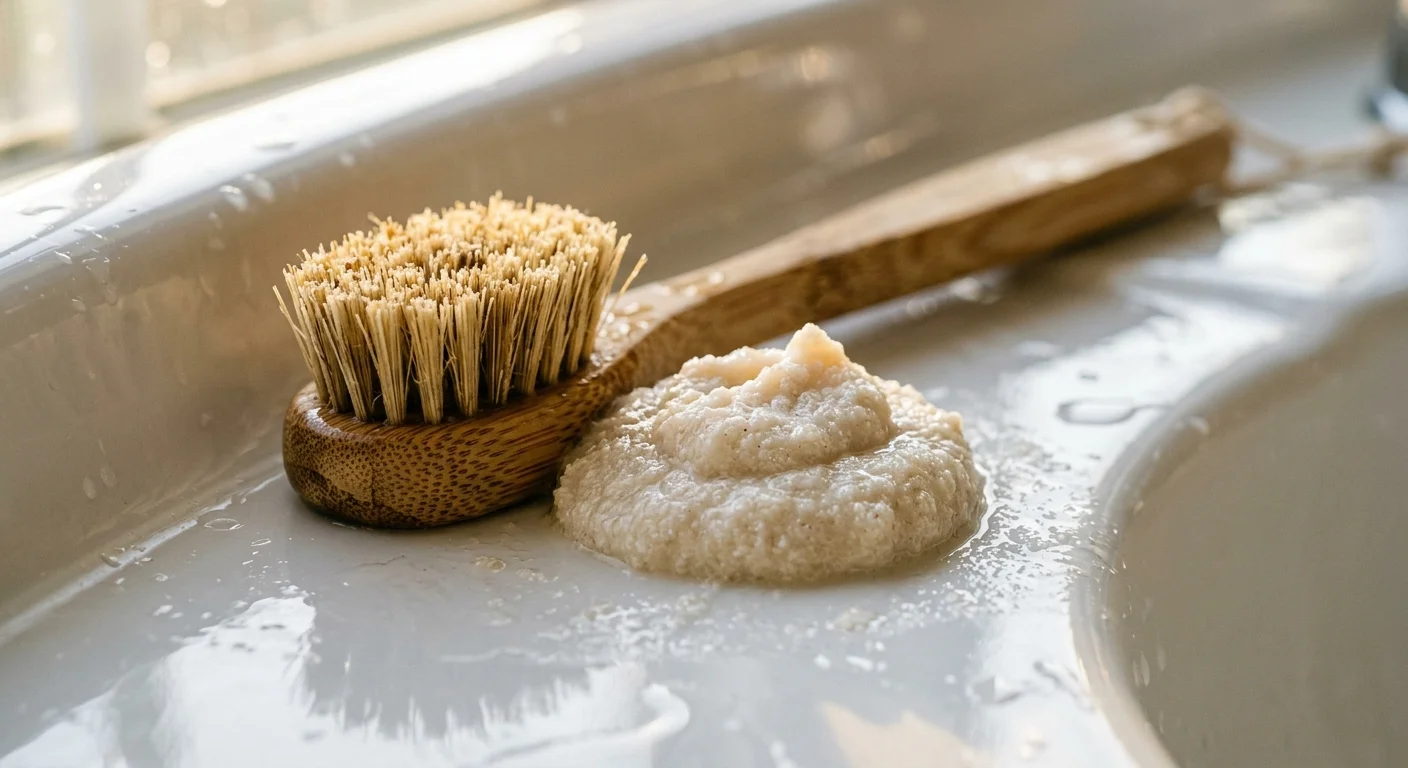
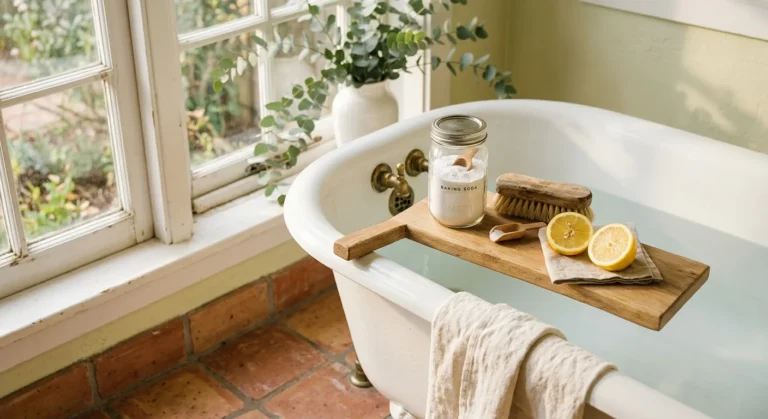
Recipe 2: Heavy-Duty Soft Scrub for Tubs and Sinks
Commercial tub-and-tile scrubs often emit heavy chemical fumes that irritate sensitive lungs. This creamy baking soda scrub cuts through soap scum, iron stains, and sink grime effortlessly while keeping your bathroom air clean and fresh.
Ingredients:
- 1 cup baking soda
- 1/4 cup unscented liquid castile soap
- 1 to 2 tablespoons warm water
Step-by-Step Instructions:
- Combine 1 cup of baking soda and 1/4 cup of liquid castile soap in a small mixing bowl.
- Stir the mixture with a fork until it forms a smooth, frosting-like paste. Add 1 tablespoon of warm water if the paste feels too thick.
- Scoop a golf-ball-sized portion onto a damp sponge or microfiber cloth.
- Scrub porcelain tubs, stainless steel sinks, ceramic tiles, and glass shower doors using gentle circular motions.
- Rinse thoroughly with warm water to reveal a shiny, residue-free surface.
Safety Note: This paste uses mild physical abrasion rather than harsh acids; it will not scratch enamel, porcelain, or stainless steel, making it safe when kids help with household chores.
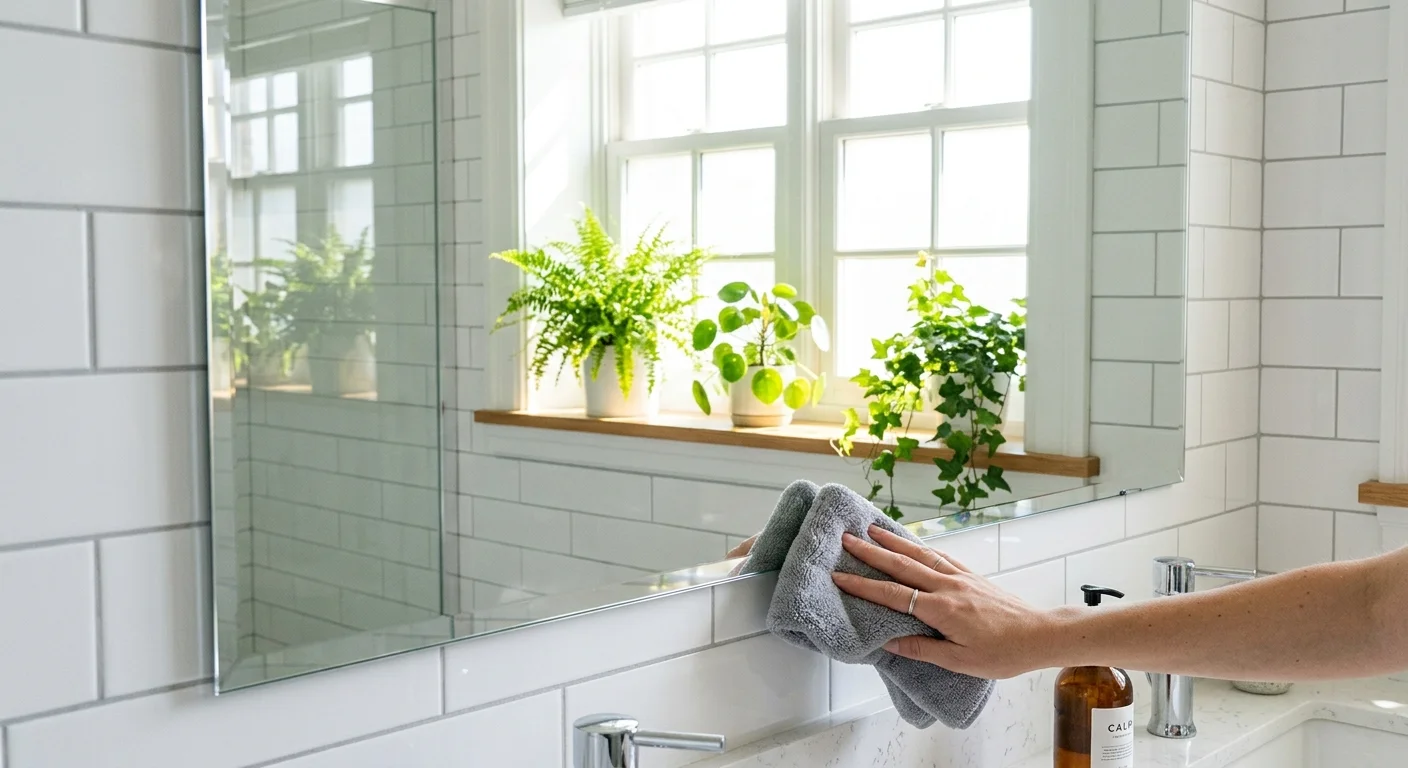
Recipe 3: Streak-Free Glass and Mirror Cleaner
Conventional glass cleaners rely on synthetic blue dyes and strong synthetic ammonia that off-gasses into your home. This simple vinegar spray dissolves nose prints, sticky fingerprints, and water spots, drying to a crystal-clear finish without streaking.
Ingredients:
- 1 cup distilled white vinegar
- 1 cup distilled water
- 1 tablespoon cornstarch
Step-by-Step Instructions:
- Add 1 tablespoon of cornstarch to your spray bottle first.
- Pour in 1 cup of distilled water and 1 cup of distilled white vinegar.
- Screw the spray nozzle on tightly and shake vigorously for 15 seconds to suspend the cornstarch in the liquid.
- Mist windows, bathroom mirrors, and glass cabinet doors lightly.
- Wipe the glass clean using a clean microfiber cloth or crumpled newspaper. Shake the bottle occasionally between sprays to keep the cornstarch mixed.
Safety Note: Cornstarch breaks the surface tension of water droplets on smooth glass; it prevents water marks without leaving synthetic films behind. Keep this spray off natural marble or granite surfaces, as acetic acid can etch unsealed natural stone.
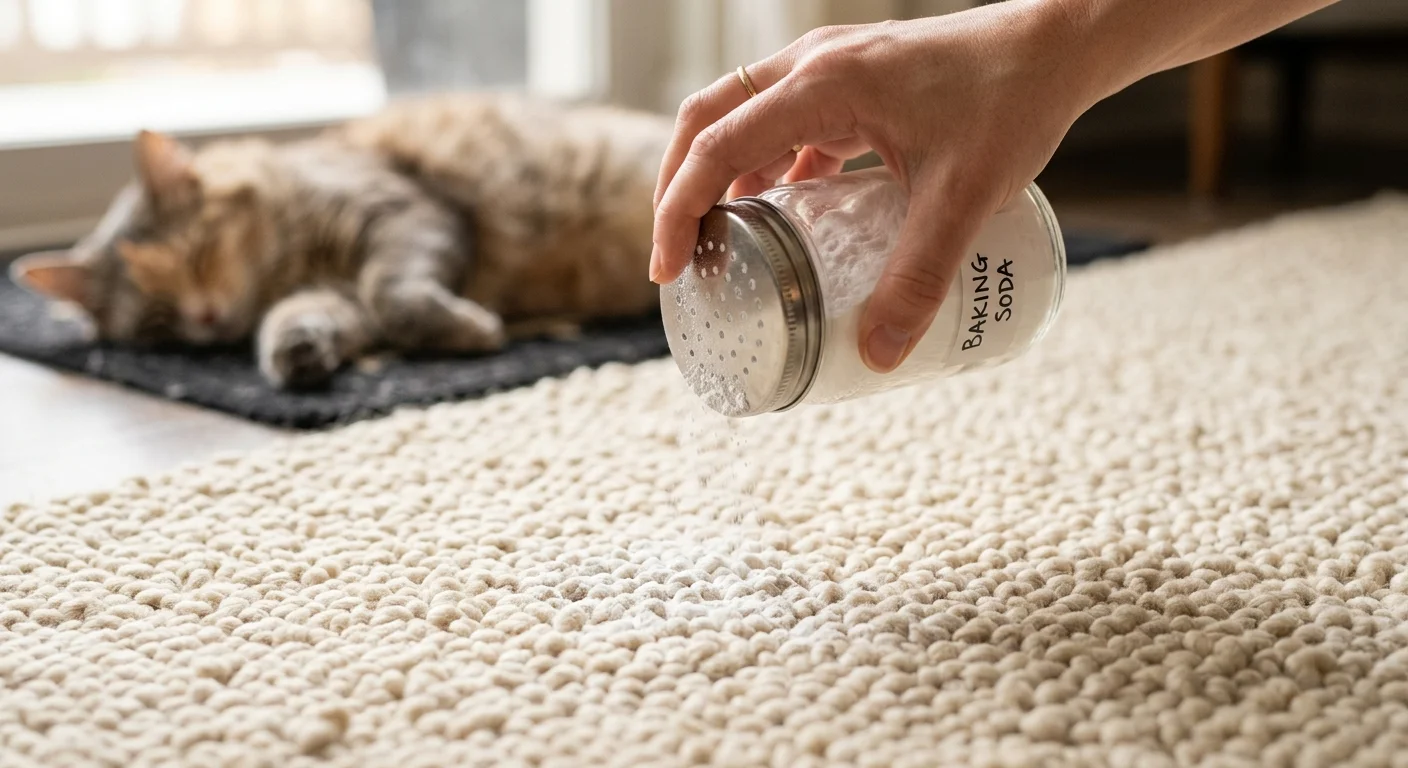
Recipe 4: Pet-Safe Carpet Deodorizer and Spot Stain Remover
Accidents happen—especially during puppy house-training or toddler juice spills. This two-part treatment lifts biological stains, removes deep odor molecules, and neutralizes spot discolorations without using harsh spot-cleaning chemicals.
Ingredients:
- 1/2 cup 3% hydrogen peroxide
- 1 teaspoon mild clear dish soap or castile soap
- 1/2 cup baking soda
Step-by-Step Instructions:
- Blot liquid spills or pet accidents immediately using dry paper towels. Never rub carpet fibers, as rubbing pushes organic matter deeper into the carpet backing.
- Sprinkle a generous layer of baking soda directly over the damp spot to absorb initial moisture and neutralize acidity.
- Mix 1/2 cup of 3% hydrogen peroxide with 1 teaspoon of dish soap in a small measuring cup.
- Pour the liquid mixture slowly over the baking soda. The mixture will fizz gently as it releases oxygen molecules.
- Work the fizzing paste gently into the carpet fibers using a soft-bristled scrub brush.
- Allow the area to dry completely for 4 to 6 hours. Once dry, vacuum up the hardened baking soda residue completely.
Safety Note: Test this spot treatment on an inconspicuous corner of your carpet first to ensure colorfastness. Hydrogen peroxide acts as a mild, oxygen-based brightener that breaks down organic matter into harmless water and oxygen molecules.
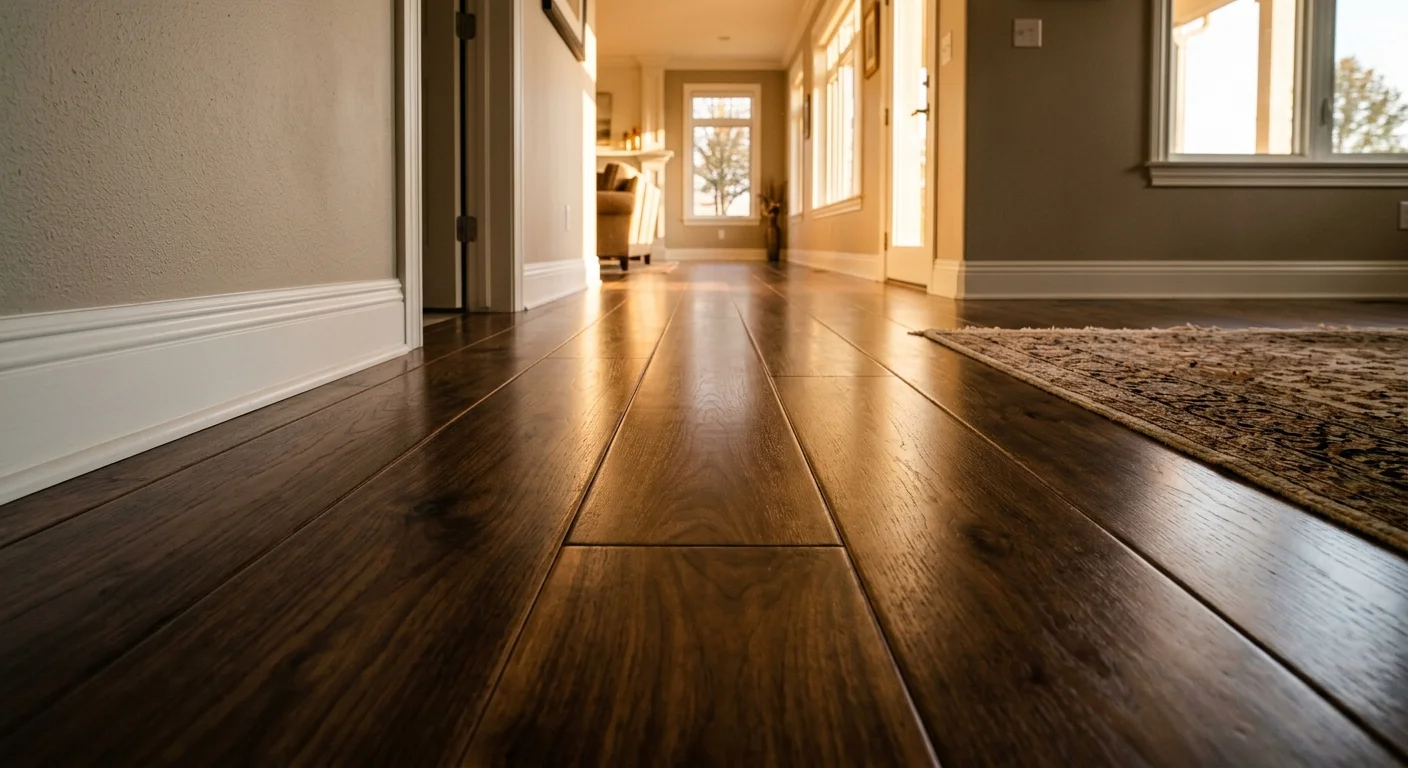
Recipe 5: Residue-Free Floor Cleaner for Hard Surfaces
Because dogs, cats, and toddlers spend substantial time playing on hard floors, your floor cleaner must dry clean without sticky residue. This mild solution cuts through muddy paw prints and spilled juice while protecting hardwood, laminate, vinyl, and tile.
Ingredients:
- 1 gallon warm water
- 2 tablespoons unscented liquid castile soap (for hardwood, laminate, or natural stone)
- Alternative option for vinyl and ceramic tile: Substitute castile soap with 1/2 cup distilled white vinegar.
Step-by-Step Instructions:
- Fill a clean mop bucket with 1 gallon of warm water.
- Stir in 2 tablespoons of unscented liquid castile soap until evenly distributed.
- Dip a microfiber mop into the solution and wring it out thoroughly until it feels slightly damp to the touch. Avoid saturating wood or laminate flooring.
- Mop the floor using smooth, overlapping strokes.
- Allow the floor to air-dry completely before opening the room to pets or children to prevent accidental slipping on wet surfaces.
Safety Note: Keeping your mop damp rather than soaking wet prevents moisture from penetrating hardwood seams; it also ensures the floor dries within 2 minutes so pets do not walk through damp soap solutions.
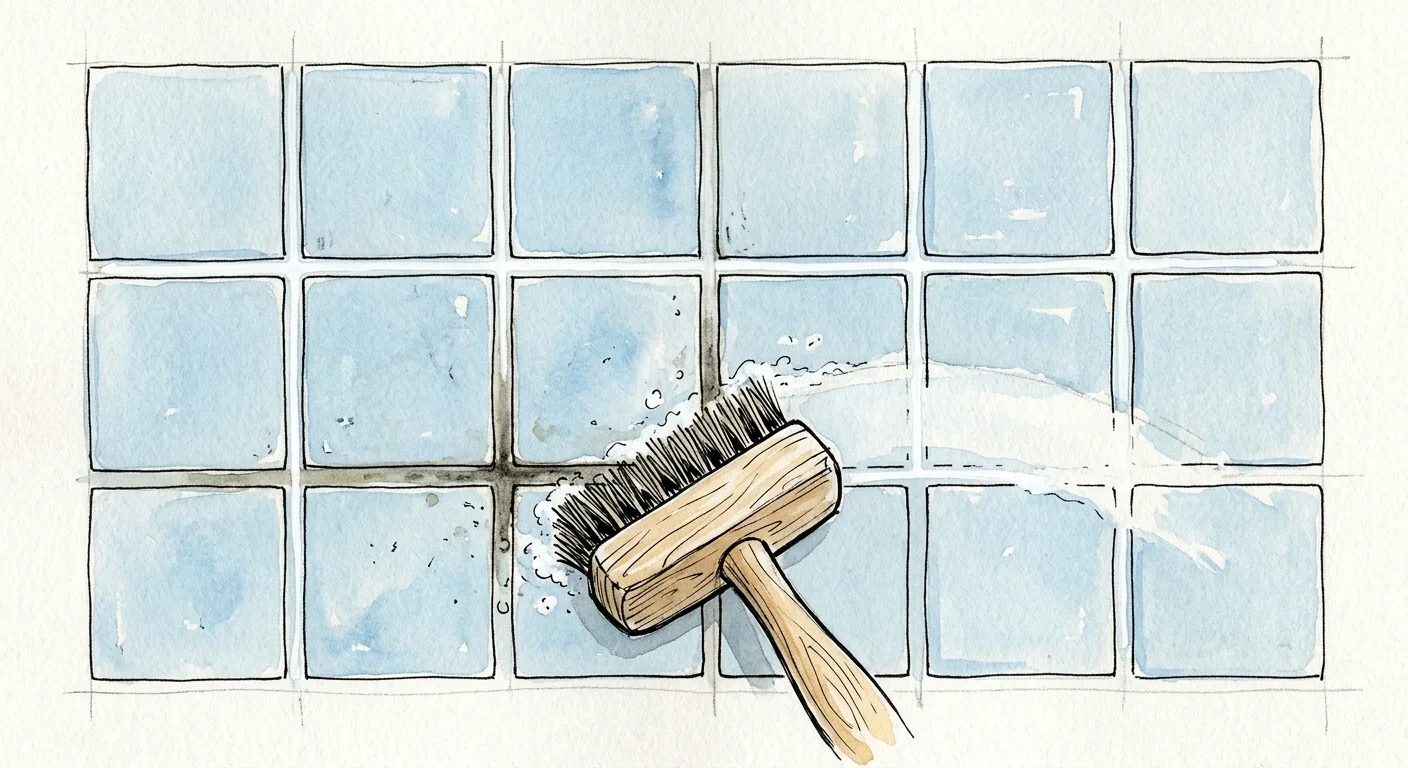
Recipe 6: Deep-Cleaning Tile Grout Brightener
Dirty grout lines collect dirt, spilled liquids, and pet dander over time. This oxygenated paste penetrates porous grout lines, pulling out trapped grime and killing surface mold without emitting toxic bleach fumes into your living space.
Ingredients:
- 1/2 cup baking soda
- 1/4 cup 3% hydrogen peroxide
- 1 teaspoon unscented liquid castile soap
Step-by-Step Instructions:
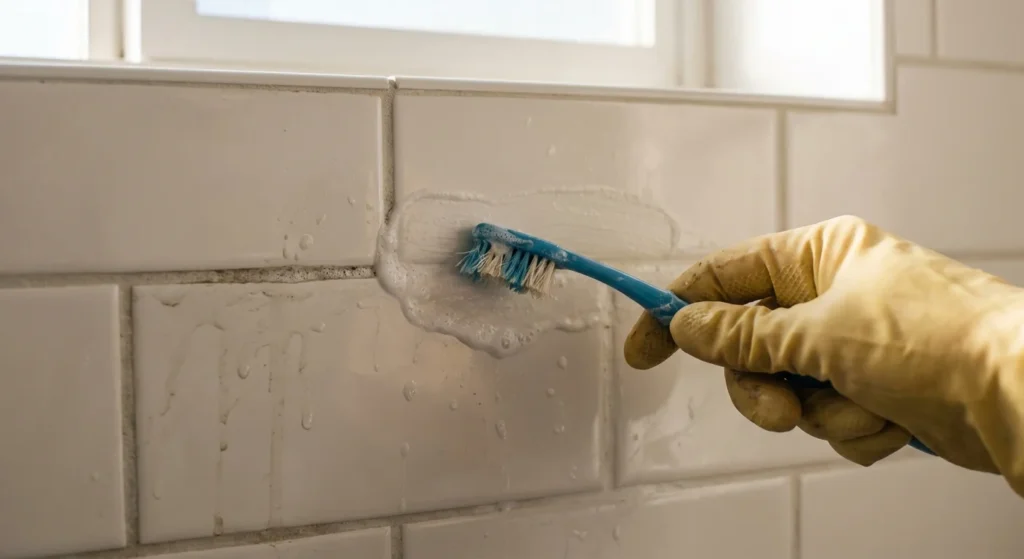
- Mix 1/2 cup baking soda, 1/4 cup 3% hydrogen peroxide, and 1 teaspoon castile soap in a small bowl until it forms a thick paste.
- Spread the paste directly along discolored tile grout lines in your kitchen or bathroom.
- Let the paste sit undisturbed for 10 to 15 minutes. The hydrogen peroxide lifts embedded dirt while baking soda softens dried grime.
- Scrub the grout lines firmly using a stiff-bristled grout brush or an old toothbrush.
- Wipe away the spent paste with a warm, damp sponge, rinsing the sponge frequently in clear water.
Safety Note: This solution releases natural oxygen bubbles that bleach out grout stains without damaging surrounding ceramic tiles or irritating sensitive pet paws.
Safe Ingredients Quick-Reference Guide
Use this quick guide to select the right DIY solution for every surface in your home while keeping safety restrictions in mind:
| Ingredient | Primary Cleaning Benefit | Best Surface Applications | Surface & Safety Cautions |
|---|---|---|---|
| Distilled White Vinegar | Dissolves minerals, cuts grease, strips film | Glass, ceramic tile, laminate, sealed vinyl | Avoid on marble, granite, quartz, and hardwood |
| Baking Soda | Absorbs odors, provides gentle abrasive scrub | Sinks, tubs, carpet spot treatments, grout | Rinse thoroughly to prevent a cloudy white powder film |
| Liquid Castile Soap | Lifts oil, dirt, and dust as a gentle surfactant | Hardwood, countertops, high chairs, plastic toys | Do not combine directly with vinegar or lemon juice |
| 3% Hydrogen Peroxide | Brightens stains, neutralizes biological odors | Tile grout, carpet spot stains, cutting boards | Store in original dark bottle away from light |
Smart Storage, Labeling, and Shelf-Life Best Practices
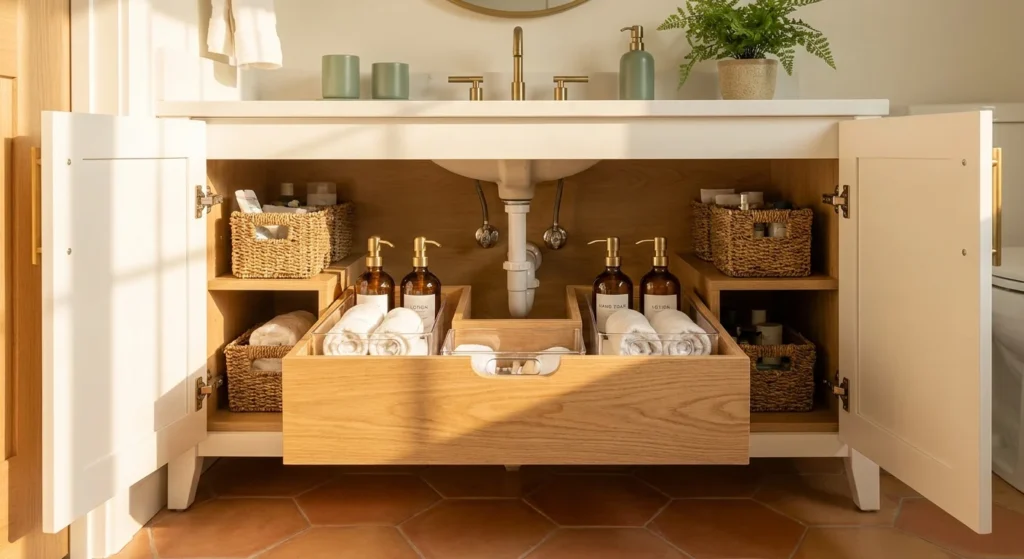
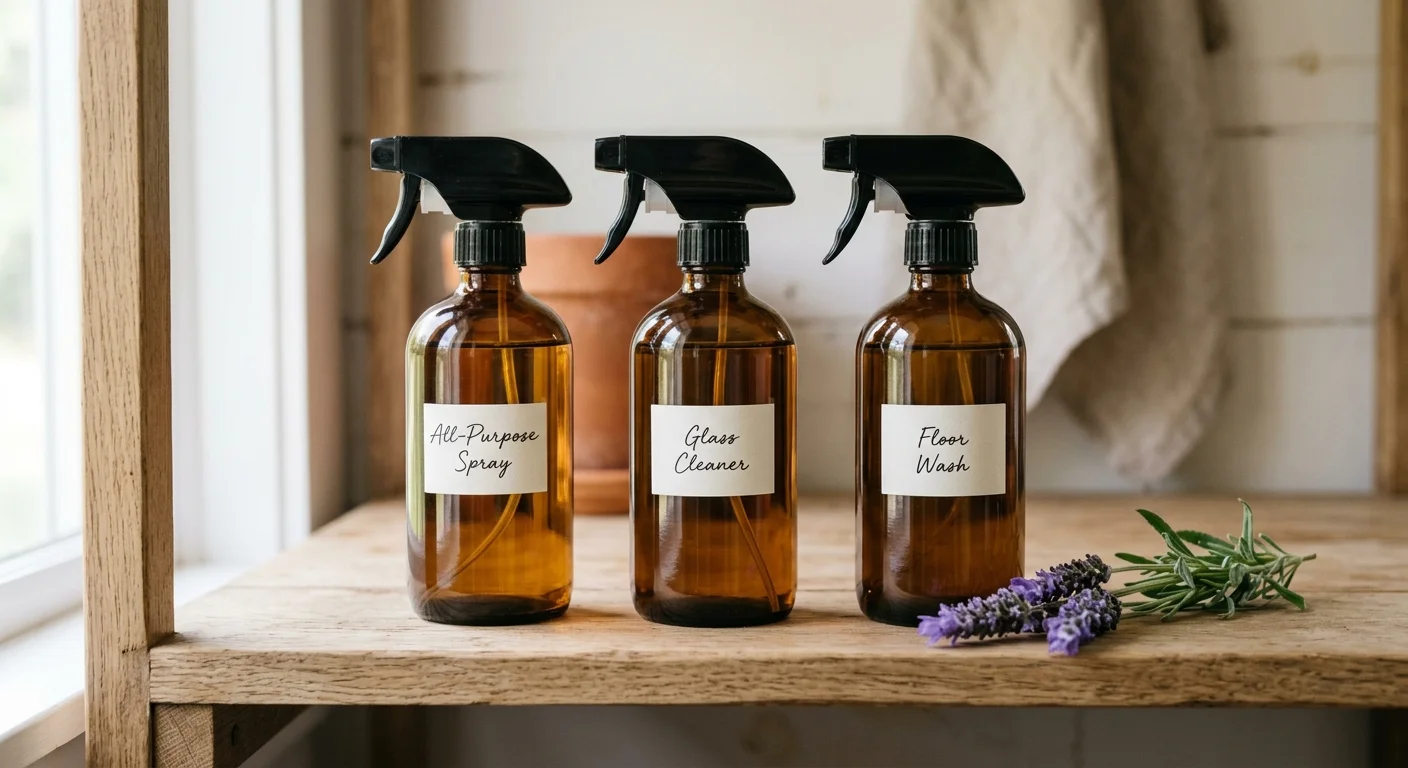
Even pet safe cleaning products demand organized storage habits. Proper labeling and storage prevent accidents and ensure your DIY solutions maintain maximum cleaning strength.
Follow these essential storage rules in your home:
- Use Dark Amber Spray Bottles: Hydrogen peroxide loses its effectiveness quickly when exposed to sunlight. Store peroxide-based mixtures in dark amber glass or opaque plastic bottles.
- Label Every Bottle Clearly: Write the full ingredient list, date of preparation, and primary use on a waterproof label attached to each spray bottle.
- Store Out of Reach: Keep all cleaning mixtures—even non-toxic homemade cleaners—locked in high cabinets or behind child-proof safety latches away from curious toddlers and pets.
- Mix Fresh Batches Monthly: Because homemade mixtures lack synthetic chemical preservatives, mix smaller batches every 30 days using distilled water to prevent bacterial growth.
Your Next Step Toward a Safer Home
Select one single commercial spray bottle currently sitting under your kitchen sink today—such as your glass cleaner or countertop spray—and replace it with one of these safe diy cleaners. Mixing your first simple batch of all-purpose castile spray takes less than two minutes, uses basic pantry items, and gives you immediate peace of mind knowing your home is clean, fresh, and completely safe for your pets and children.