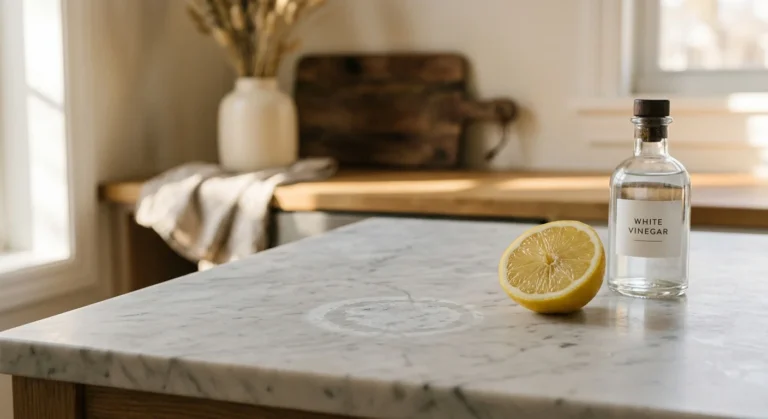
Tough carpet stains like red wine, pet messes, and grease do not require expensive commercial spray cans packed with harsh synthetic chemicals. You can create a high-performance diy carpet stain remover using affordable pantry staples like baking soda, white vinegar, and liquid dish soap. Commercial carpet cleaners often leave sticky chemical residues that attract fresh dirt faster, forcing you to clean repeatedly. By mixing your own homemade carpet cleaner, you customize effective solutions for specific fiber types while protecting your household from volatile organic compounds. Conquer carpet spots permanently and restore your living space using simple, science-backed formulas that cost pennies per bottle.
Why Homemade Carpet Cleaners Outperform Commercial Sprays
Store-bought carpet spotters market themselves as quick fixes, yet they frequently create long-term problems for your flooring. Most commercial sprays rely on heavy surfactants and synthetic fragrances. When you spray these chemical solutions onto your carpet, removing them entirely from the deep pile proves almost impossible; the sticky soapy residue remains behind in the fibers. As you walk across the room, this dry residue acts like a magnet for dirt, dust, and shoe oils. Within weeks, the original spot reappears darker than before—a technical phenomenon known in the flooring industry as surfactant re-soiling.
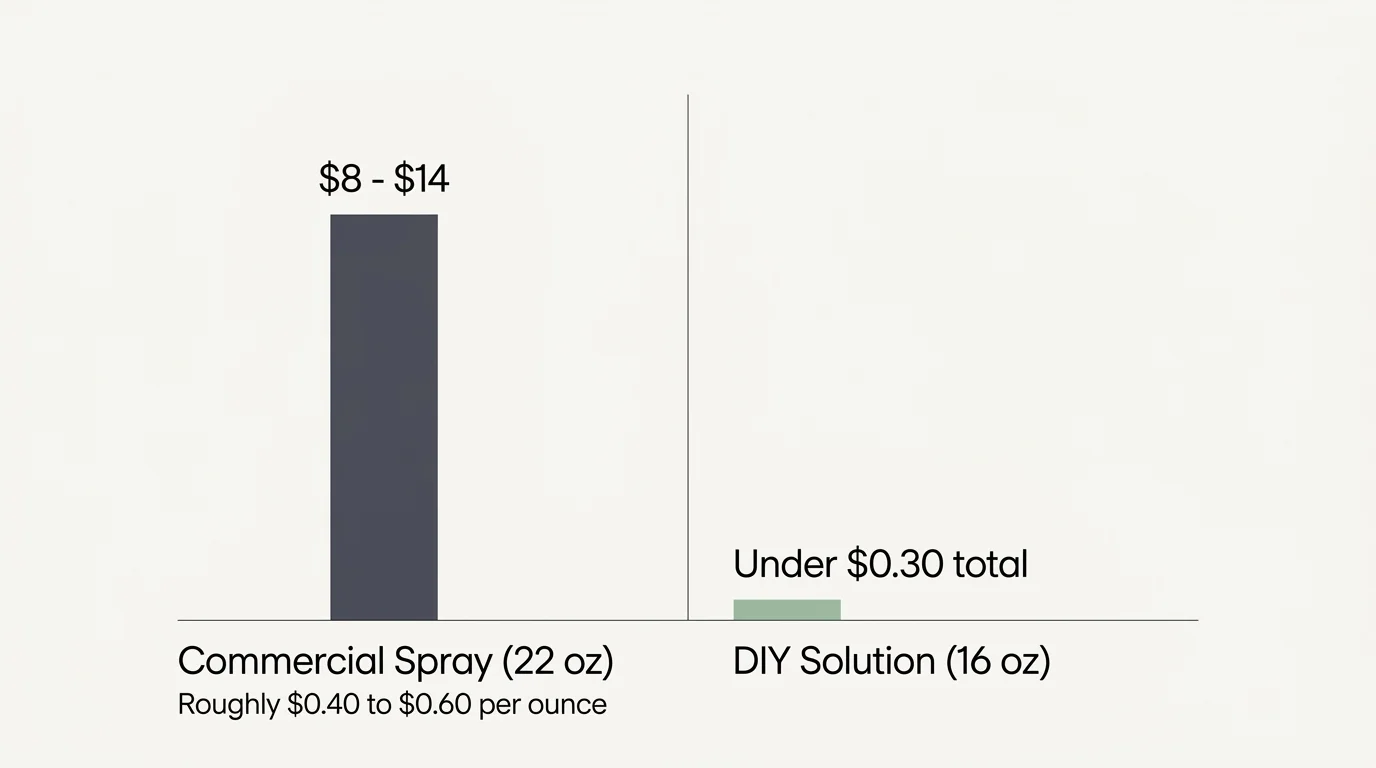
DIY solutions avoid this trap entirely. By using properly diluted natural ingredients, you break down the stain and rinse the fibers cleanly without leaving adhesive residues behind. Cost comparison further highlights the advantage of homemade options. A brand-name 22-ounce carpet spray costs between $8 and $14, translating to roughly $0.40 to $0.60 per ounce. In contrast, a 16-ounce batch of mixed white vinegar, water, and clear dish soap costs under $0.30 total to produce.
Indoor air quality presents another compelling reason to switch to natural stain removal. Synthetic spot removers often emit volatile organic compounds (VOCs) that linger in enclosed living spaces. According to the U.S. Environmental Protection Agency, indoor air pollutants can trigger respiratory discomfort, headaches, and eye irritation. Mixing mild household ingredients allows you to maintain a clean home environment without exposing children, aging relatives, or pets to harsh chemical vapors.
The Chemistry of Pantry-Based Stain Removal
Effective stain removal is not about aggressive scrubbing; it relies on target chemical interactions that break bonds between pigments and carpet fibers. Understanding how household ingredients work allows you to mix the best carpet stain remover for any specific mess.
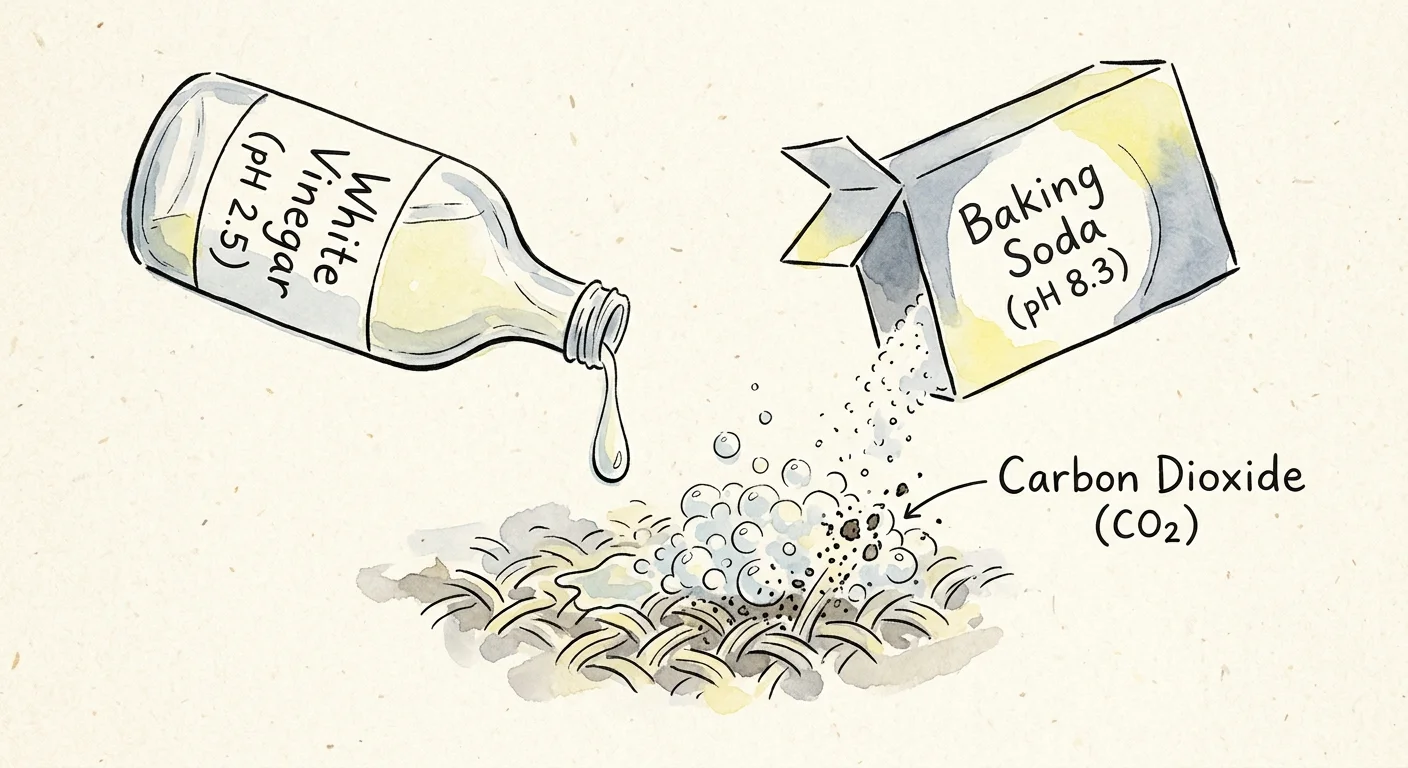
Distilled white vinegar contains roughly 5% acetic acid, giving it a pH level around 2.5. This mild acidity makes vinegar exceptional at neutralizing alkaline deposits, such as the uric acid salts found in pet urine. Acids also dissolve water-soluble pigments and cut through stubborn mineral deposits without damaging synthetic carpet construction.
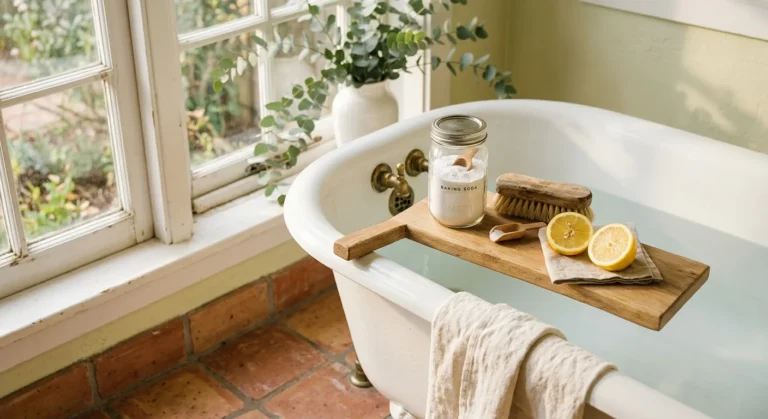
Baking soda—sodium bicarbonate—sits on the opposite end of the spectrum with an alkaline pH near 8.3. Its powder structure acts as a gentle, non-abrasive absorbent that draws moisture and oily compounds out of dense carpet piles. When baking soda meets vinegar, an immediate acid-base reaction produces carbon dioxide gas. The physical bubbling action of these expanding gas bubbles mechanically lifts trapped dirt particles to the surface of the carpet fibers.
Liquid dish soap serves as a powerful surfactant. Water molecules naturally cling together due to surface tension, which prevents plain water from penetrating deep carpet yarns. Dish soap lowers this surface tension, allowing liquid solutions to reach deeper layers. Soap molecules possess a dual structure: one end attaches to water, while the other end bonds with grease and oils. This structure traps oil droplets inside water molecules so you can easily blot them away.
Hydrogen peroxide (specifically a standard 3% concentration) acts as a mild oxygen bleach. It breaks the molecular double bonds that give dark stains like red wine, blood, and berry juice their color. Unlike chlorine bleach, 3% hydrogen peroxide breaks down into harmless water and oxygen molecules, making it a safe choice for light-colored carpets when used correctly.
The Master All-Purpose DIY Carpet Solution
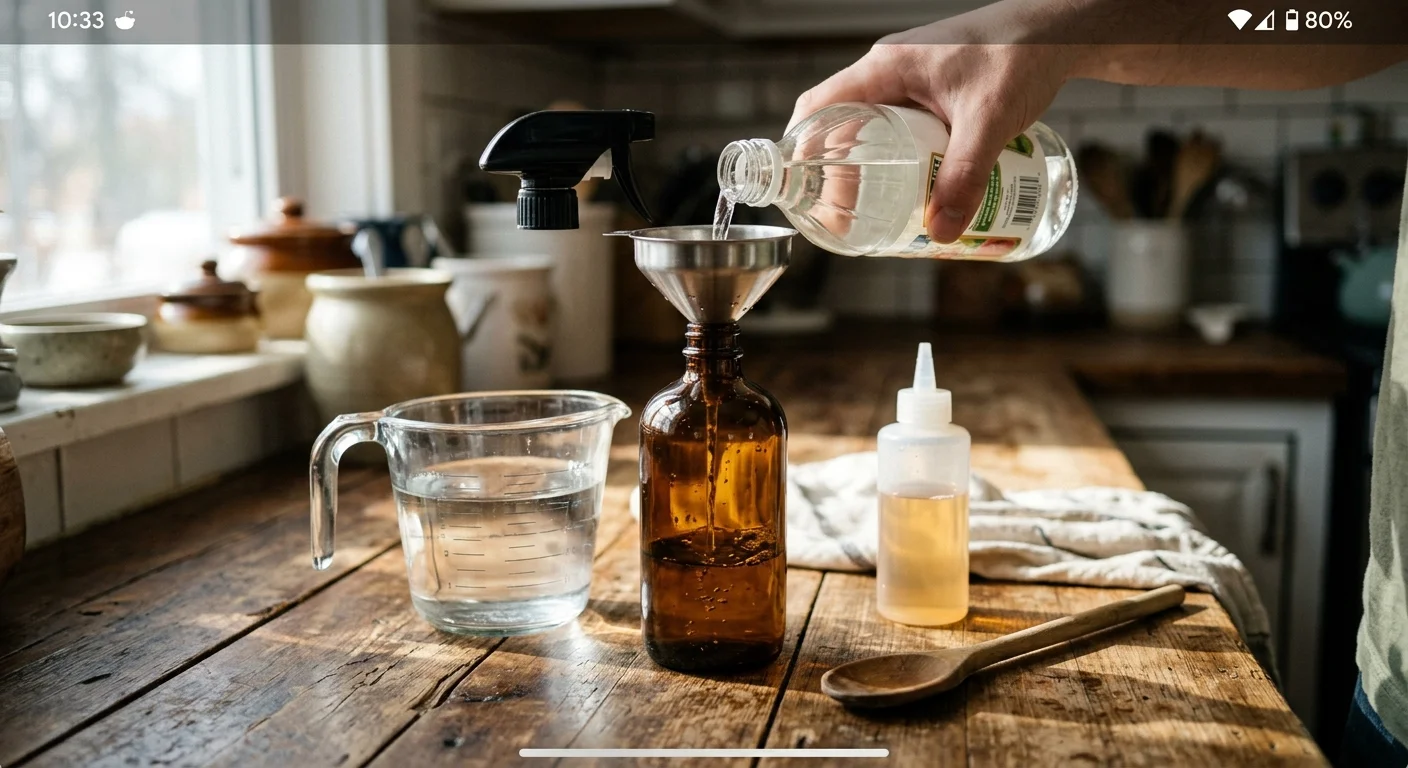
For general spills, tracked-in dirt, food drops, and everyday spots, this balanced formula acts as your primary diy carpet cleaning solution. It combines mild acidity with grease-cutting surfactants to lift spots cleanly without oversaturating your flooring.
Ingredients and Equipment Needed
- 1 cup warm distilled water (warm water dissolves surfactants better than cold water)
- 1/2 cup distilled white vinegar
- 1 tablespoon clear liquid dish soap (avoid blue or green soaps to prevent fiber dye transfer)
- 16-ounce clean plastic spray bottle
- 2-3 clean, white microfiber towels
Preparation and Step-by-Step Application
- Pour the warm distilled water into your spray bottle first. Adding liquid components after water prevents excessive foam generation inside the container.
- Add the distilled white vinegar and clear dish soap to the bottle. Gently swirl the container to combine the ingredients; do not shake vigorously.
- Lightly mist the solution directly onto the target spot until the fibers feel damp, but avoid soaking through to the carpet backing.
- Allow the solution to dwell on the stain for 5 to 7 minutes. This contact time allows the acetic acid and surfactants to break down stubborn dirt bonds.
- Press a clean white microfiber towel firmly onto the wet area. Blot inward from the outer edges toward the center of the spot to prevent spreading the pigment.
- Rinse the area by spraying a small amount of plain cold water, then blot again with a dry towel to remove remaining soap traces.
Targeted Formulas for Stubborn Carpet Stains
Different types of stains require tailored chemical approaches. Using the wrong blend can set a stain permanently, so match your method to the specific mess you face.
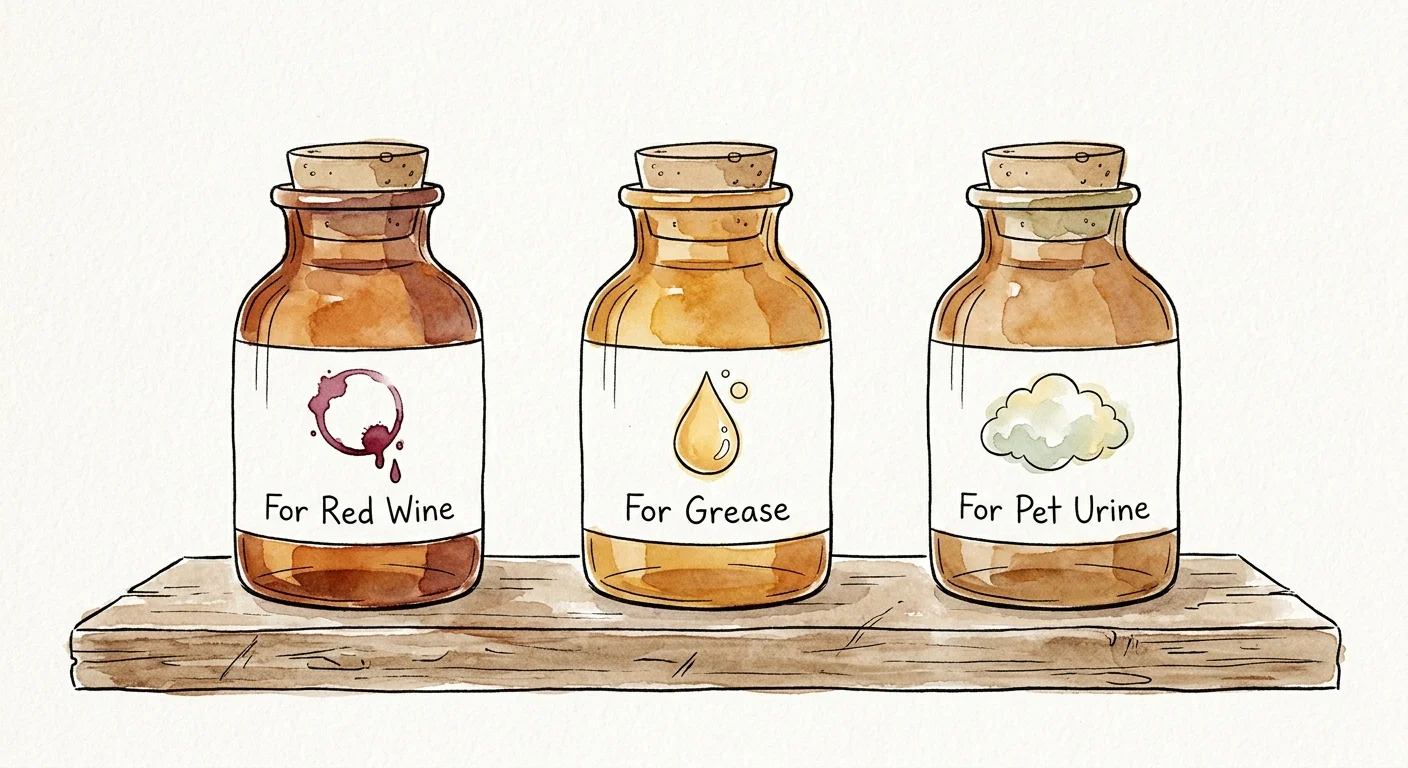
Pet accidents contain organic pigments, proteins, and uric acid crystals. To tackle fresh pet messes, absorb excess liquid first using dry paper towels. Spray the area thoroughly with a solution of equal parts white vinegar and cold water. Sprinkle a generous layer of baking soda directly over the damp area. The acid-alkali reaction will bubble, drawing uric acid out of the carpet backing. Let the powder dry completely into a crust over 12 to 24 hours, then vacuum up the residue. University extension research from Utah State University Extension confirms that neutralizing alkaline salts effectively eliminates lingering pet odors.
Red wine, berry juices, and dark fruit stains demand immediate treatment with carbonation and oxygenation. Pour plain club soda directly onto fresh wine spots; carbonation forces pigment particles to the surface. Blot liquid away immediately. If color remains, mix 2 tablespoons of 3% hydrogen peroxide with 1 tablespoon of clear dish soap. Dab this mixture onto the spot using a clean white cloth. Let it sit for 10 minutes before blotting away with a cold, damp towel.
Grease, butter, oil, and cosmetics will not dissolve in water alone. Cover fresh oil spills with a thick layer of cornstarch or baking soda to draw grease out of the fibers. Allow the dry powder to sit undisturbed for 30 minutes, then vacuum thoroughly. Next, mix 1 teaspoon of grease-cutting clear dish soap with 1 cup of warm water. Apply this solution directly to the oil spot using a soft sponge, working in gentle circular motions before blotting dry.
| Stain Type | Recommended DIY Recipe | Key Active Mechanism | Ideal Dwell Time |
|---|---|---|---|
| Pet Urine & Odors | 1 cup vinegar, 1 cup water, baking soda cap | Acid neutralizes uric salts; soda absorbs odor | 12 to 24 hours (until dry) |
| Red Wine & Berries | 2 tbsp 3% hydrogen peroxide + 1 tbsp dish soap | Oxygenation breaks pigment color bonds | 10 minutes |
| Grease, Oil & Makeup | Dry cornstarch pretreatment, then dish soap spray | Absorbs lipid base, then emulsifies residual oil | 30 min powder / 5 min liquid |
| Coffee & Dark Tea | 1 tbsp white vinegar + 1 cup warm water | Mild acid dissolves tannins without bleaching | 5 to 8 minutes |
| Dried Mud & Dirt | Let dry fully, vacuum, then master vinegar spray | Mechanical removal followed by surfactant lifting | 5 minutes after vacuuming |
Protecting Your Carpet Fibers: Synthetic vs. Wool Requirements
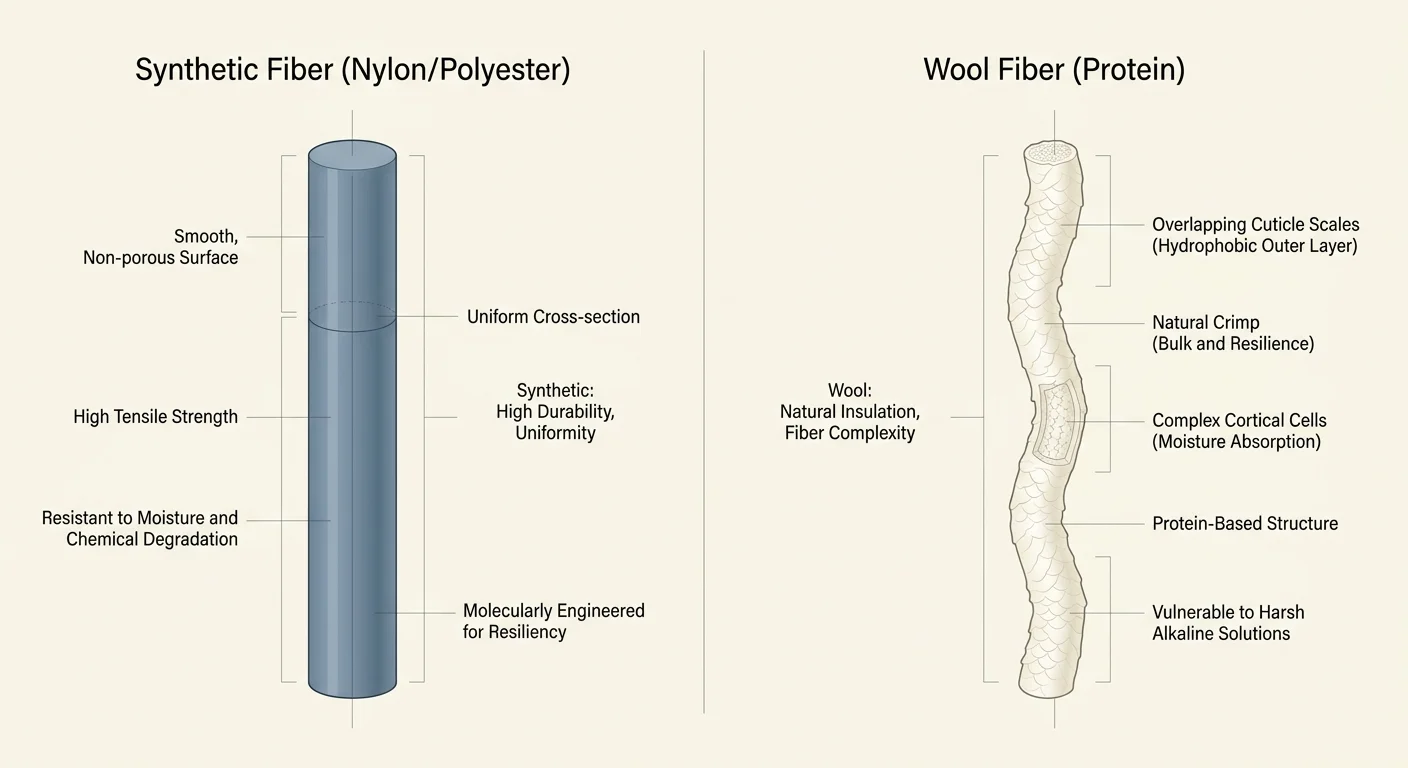
Not all carpets share the same fiber construction, and applying the wrong cleaning mixture can cause permanent color loss or fiber degradation. Modern residential homes generally feature synthetic materials like nylon, polyester, triexta, or polypropylene. Synthetic fibers withstand mild acetic acid solutions and oxygenating peroxide agents relatively well without losing structural strength.
Natural fibers like wool, silk, and jute require extreme caution. Wool fibers consist of protein structures sensitive to both high alkalinity and strong acids. Standard vinegar solutions or hydrogen peroxide mixes can weaken natural wool yarns, strip protective lanolin coatings, or cause color bleeding. Guidelines established by the WoolSafe Organization state that carpet products applied to wool should maintain a neutral pH between 5.5 and 8.0. When cleaning wool carpets, omit vinegar and hydrogen peroxide entirely; stick to cold water mixed with small amounts of mild, neutral pH liquid dish soap.
Always conduct a patch test before treating any carpet spot, regardless of fiber type. Apply two drops of your mixed solution to an inconspicuous area, such as inside a closet or along a baseboard. Press a clean white cloth against the spot for 30 seconds. If color transfers to your towel or the carpet shade changes, discard that specific solution and consult professional cleaning standards outlined by the Institute of Inspection Cleaning and Restoration Certification.
Step-by-Step Emergency Response Protocol
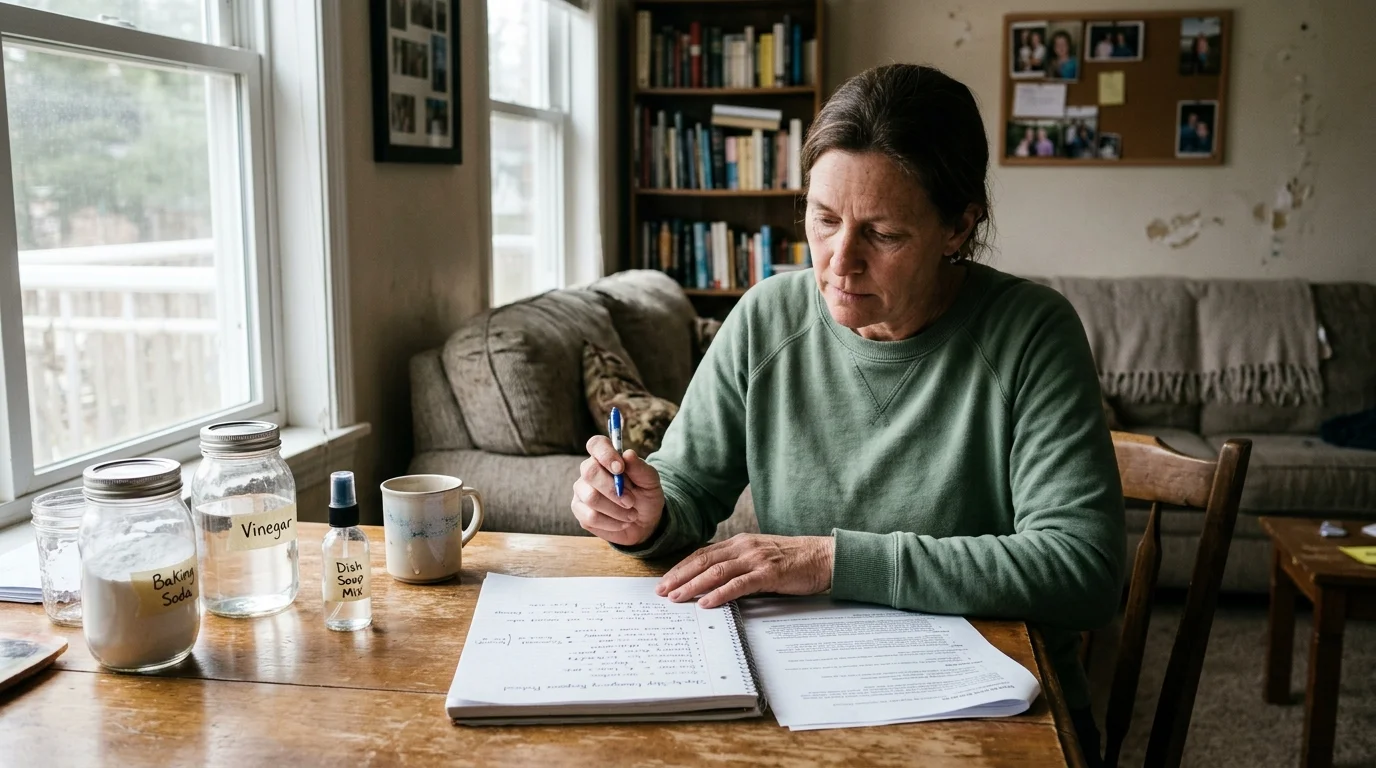
When a spill occurs, speed and technique matter just as much as your choice of cleaning solution. Follow this standardized protocol to prevent minor accidents from turning into permanent floor damage.
- Step 1: Scrape solids immediately. Use the edge of a dull butter knife or a spoon to pick up solid food, mud, or thick messes. Never push solids deeper into carpet yarns.
- Step 2: Absorb liquid surface pools. Press dry white paper towels directly onto liquid spills. Continue replacing saturated towels until no fresh liquid transfers to paper.
- Step 3: Apply your targeted DIY cleaner. Spray your custom solution onto a white microfiber towel rather than saturating the carpet directly. This controls liquid application precisely.
- Step 4: Blot from the outside inward. Press the damp towel into the carpet spot starting around outer edges, moving progressively toward the center to contain color spreading.
- Step 5: Rinse the area with clean water. Mist the treated spot with clear cold water and blot with a dry cloth to eliminate leftover cleaning agents.
- Step 6: Extract remaining moisture. Place a thick, dry white towel over the wet area and set a heavy object—such as a ceramic bowl or heavy book—on top for two hours to draw out moisture.
Common DIY Mistakes That Damage Carpets
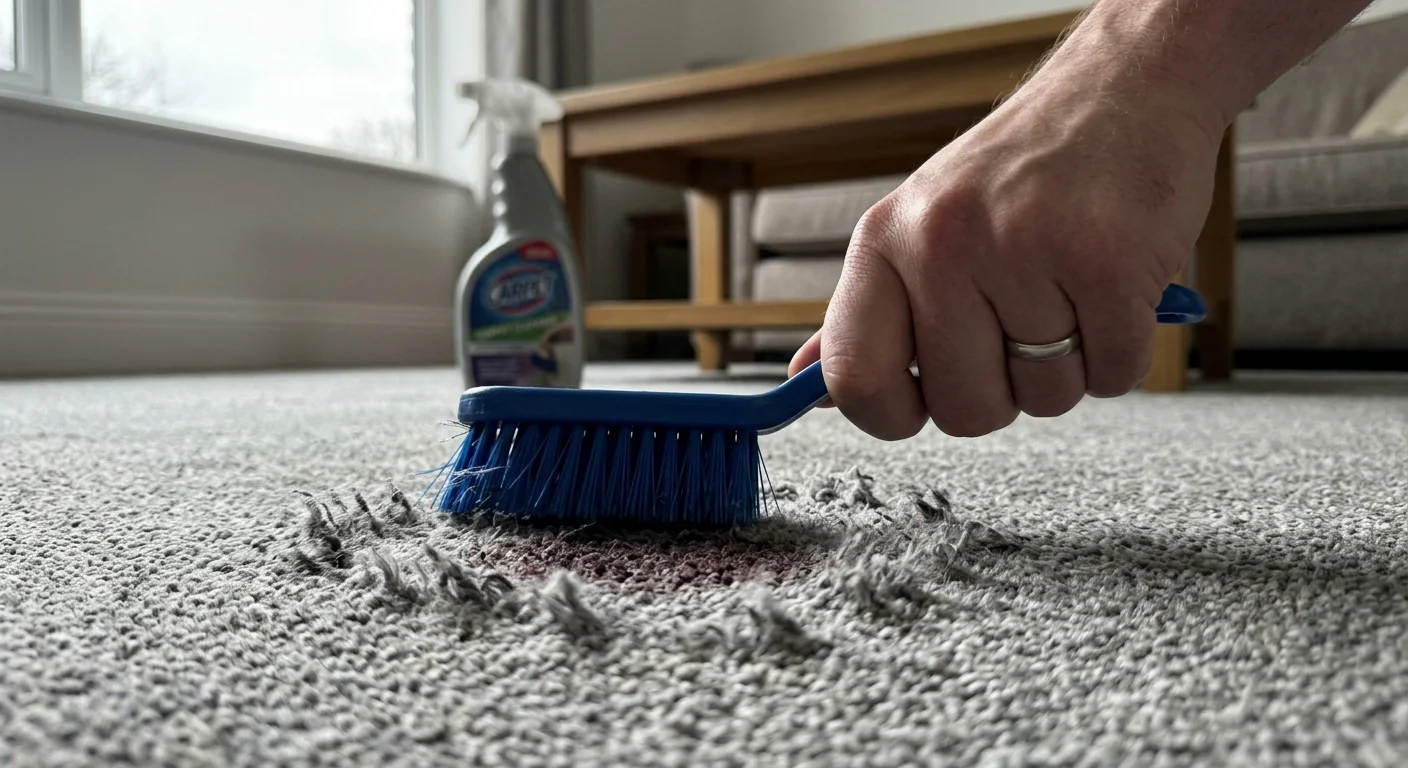
Avoid vigorous rubbing or scrubbing action. Friction twists individual carpet fibers, fraying Yarns and creating permanent fuzzy patches known as blooming. Always use firm, downward pressing motions when blotting spots.
Resist the urge to over-saturate your floor. Excess liquid seeps through carpet primary backing down into latex adhesive layers and foam underlayment padding. Trapped water under carpets creates ideal conditions for hidden mold growth, backing rot, and persistent musty smells that require professional subfloor remediation.
Never apply hot water to protein-based stains like blood, milk, or eggs. Heat cooks proteins, binding them permanently to carpet fibers. Always use cool or lukewarm water when mixing cleaning solutions for organic messes.
Avoid using colored washcloths or dyed paper towels during stain removal. Vinegar and alcohol solutions can release dye from cheap fabrics directly onto your carpet, creating a brand-new stain that proves far harder to remove than the original spill.
Practical Next Step
Assemble your emergency carpet kit today before a spill happens. Mix one batch of the master all-purpose vinegar and dish soap solution inside a clean 16-ounce spray bottle, clearly labeling the contents with a permanent marker. Store your spray bottle inside a utility cabinet alongside a fresh box of baking soda and a stack of clean, white microfiber towels so you can act within seconds when accidents occur.