If you are keeping an inherited mahogany dining set or your grandmother’s china because you think it holds a fortune, you might need to reconsider. Antique experts warn that several once-prized vintage decor items are rapidly losing market value as modern lifestyles shift toward casual living. While these heirlooms carry deep sentimental meaning, their financial worth has plummeted due to an oversaturated market and younger buyers rejecting formal styles. Before you pay to store or move these heavy collections, it pays to understand what is actually selling today. Here are the six vintage decor items that estate liquidators say are currently dropping in value, plus practical steps to handle them.
1. Massive “Brown Furniture” and Formal Dining Sets
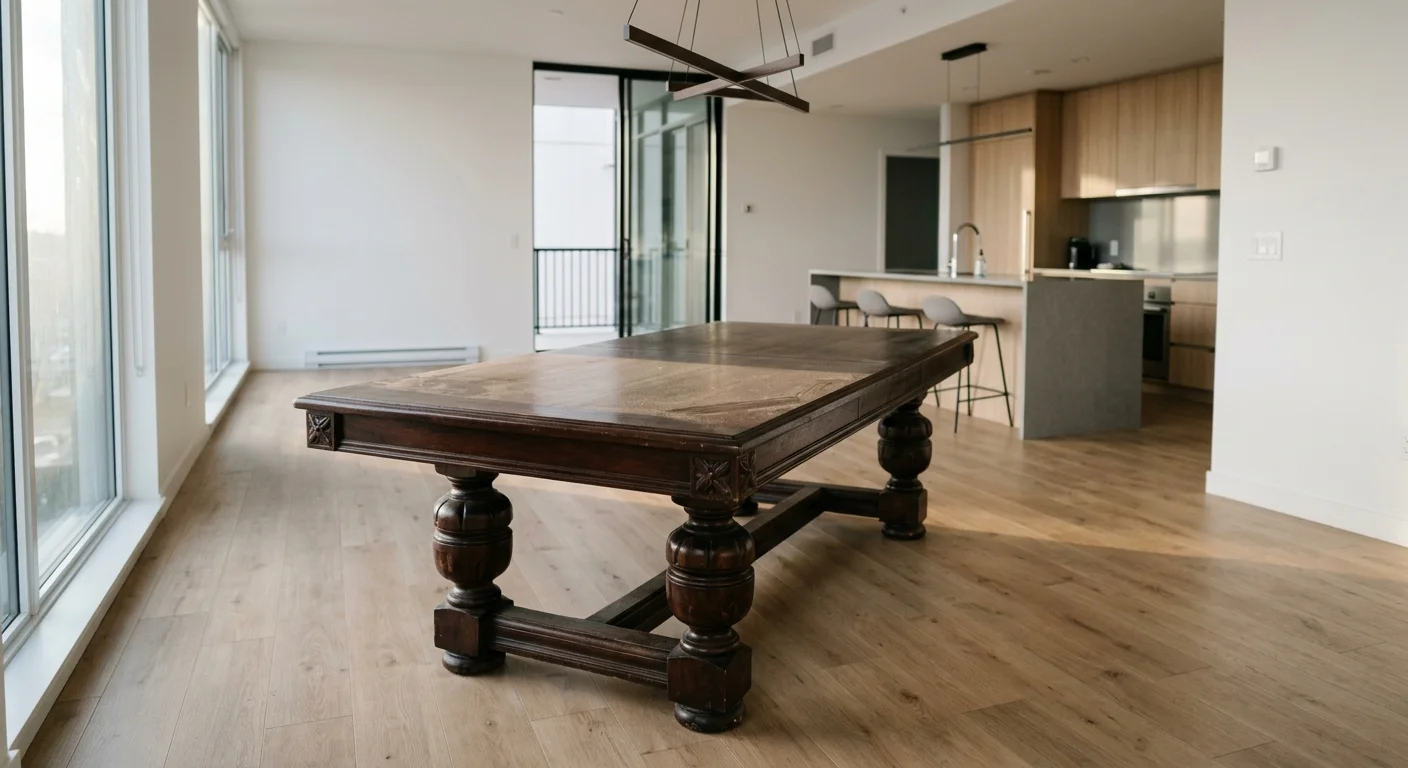
For decades, a massive mahogany dining table with matching chairs served as the ultimate status symbol for a well-appointed home. You might remember these sets dominating the dining rooms of your parents or grandparents, standing as prized possessions meant to be passed down through generations. Today, antique experts and estate liquidators refer to these large, dark wood items simply as “brown furniture” — and their market value has taken a tremendous hit over the past decade.
As modern homeowners embrace open-concept floor plans and casual lifestyles, the demand for formal, twelve-seater dining sets has nearly vanished. Families now prefer eating at kitchen islands or gathering around versatile, light-colored tables that fit seamlessly into everyday life. A heavy mahogany sideboard or a sprawling dark oak dining table simply feels out of place in a modern home that prioritizes flexibility and airy design.
According to appraisers featured on programs like the PBS Antiques Roadshow, discretionary income drives the collectibles market, and younger buyers prefer to spend their money on mid-century modern pieces, sustainable “fast furniture,” or travel experiences rather than traditional antiques. If you try to sell a massive dark wood dining set, you will likely find that local consignment shops and auction houses routinely turn them down because they take up too much showroom space and sit unsold for months. Rather than counting on these pieces to fund your retirement, you might need to accept significantly lower offers or consider donating them to local charities that help families furnish their homes.
2. Complete Fine China Sets
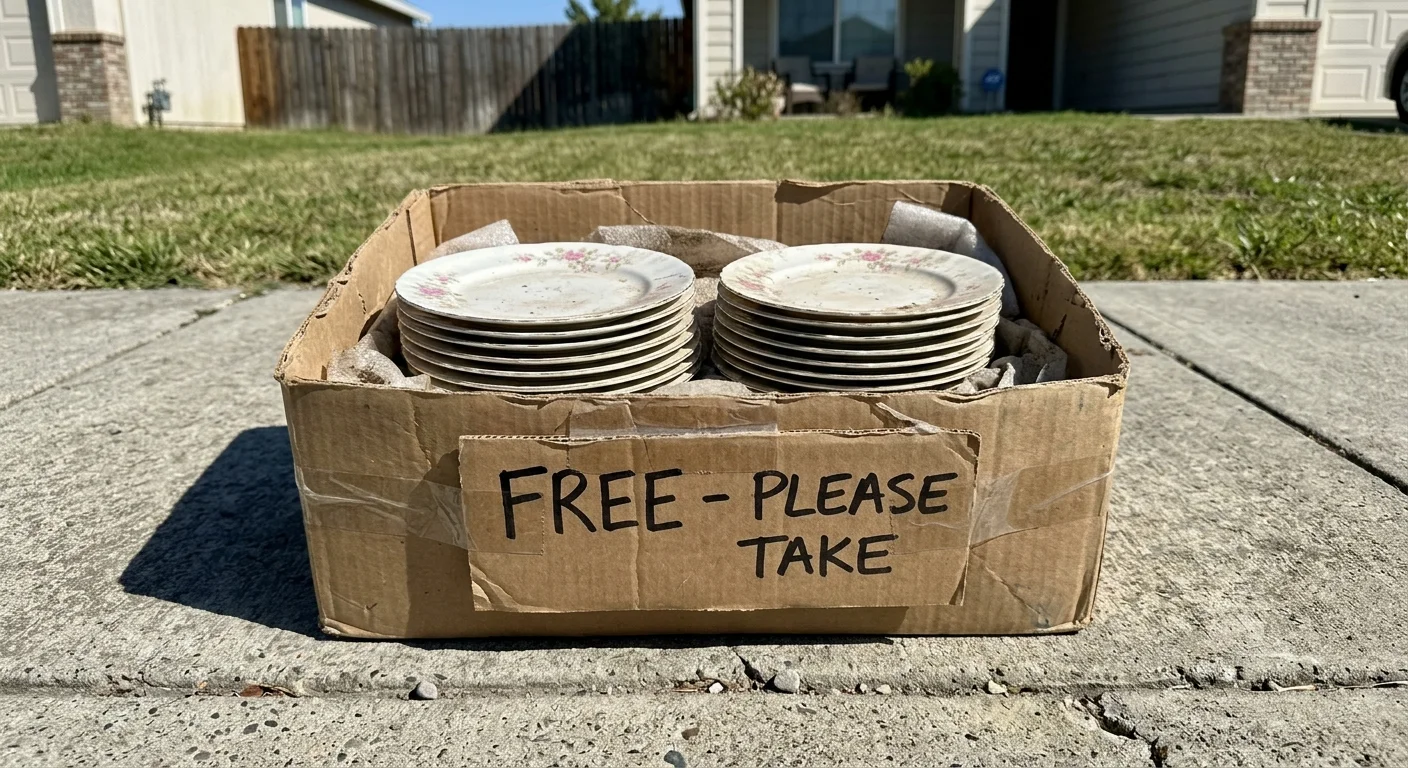
Much like formal dining tables, expansive sets of fine china are rapidly losing their appeal and financial value. In the past, registering for a delicate, floral-patterned china set was a rite of passage for newlyweds. Families carefully stored these sets in illuminated china cabinets, bringing them out only for major holidays. Now, those same sets are flooding the secondary market, driving prices down to a fraction of their original cost.
The modern host prefers durable, dishwasher-safe dishware that transitions easily from a casual Tuesday dinner to a festive weekend gathering. Very few people want the burden of hand-washing seventy-two pieces of delicate porcelain with fragile gold-leaf rims. Because the market is incredibly oversaturated, complete sets from once-prestigious brands are sitting stagnant at estate sales; they are often priced under a hundred dollars for the entire collection yet still fail to attract a buyer.
Furthermore, safety concerns have cast a shadow over some older dishware. Certain vintage ceramic and porcelain pieces contain lead in their glazes, which can leach into food, especially when exposed to acidic ingredients or high heat. The U.S. Food and Drug Administration (FDA) routinely warns consumers about the risks of using antique or handmade pottery for food preparation and storage. While not all vintage china is dangerous, the potential health risks give modern buyers another reason to pass on your grandmother’s tea set. If you love your family china, use it as decorative wall art or repurpose the teacups as small planters; just do not expect it to fetch top dollar from an antique dealer.
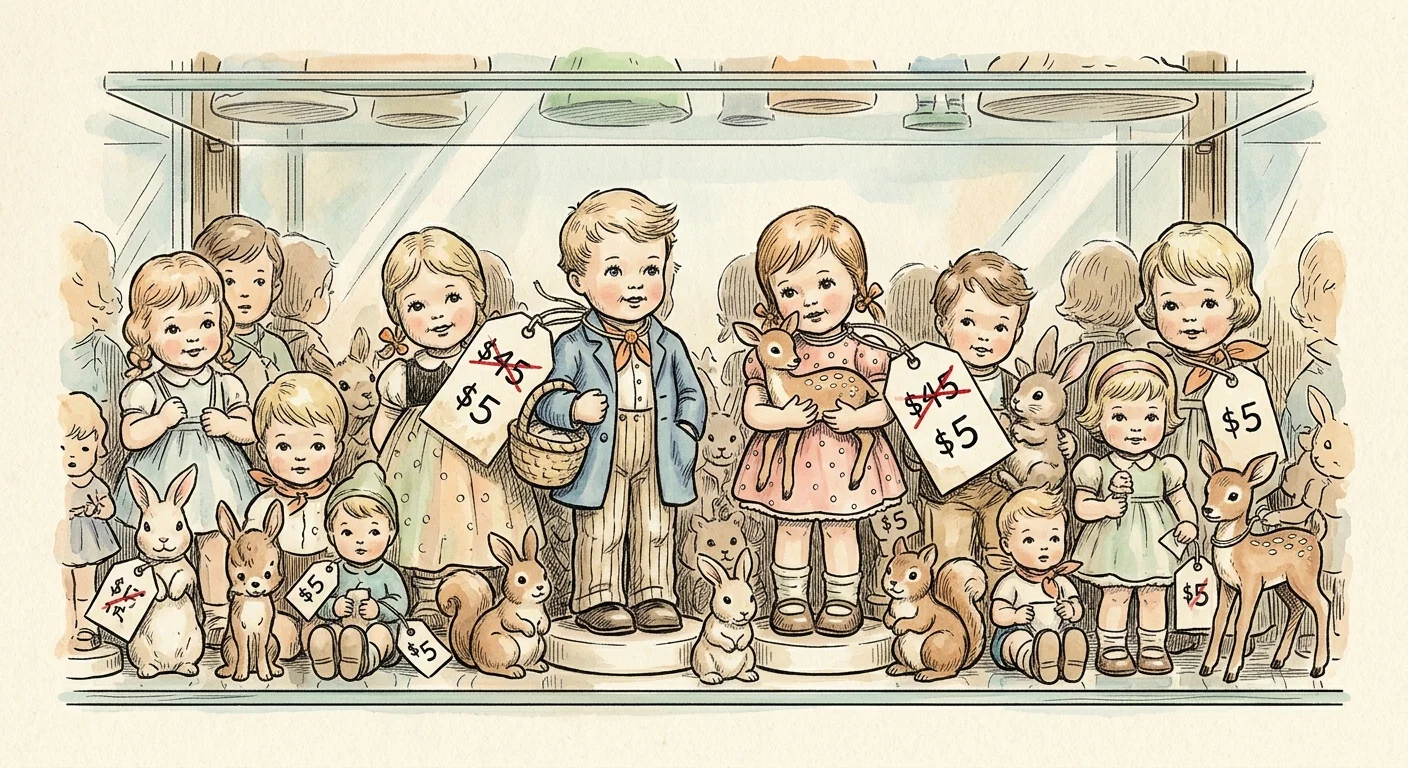
3. Mass-Produced Collectible Figurines
During the late twentieth century, companies successfully marketed porcelain figurines as surefire investments. Brands like Hummel, Precious Moments, and Lladró convinced collectors that these delicate statues would steadily appreciate in value over time. People lined their curio cabinets with these figurines, carefully saving the original boxes and certificates of authenticity in anticipation of a future windfall.
Unfortunately, that windfall never materialized. The core issue with these collectibles is right in the name: mass production. Because companies produced millions of these figurines, true scarcity does not exist for the vast majority of pieces. While a handful of rare prototypes or early, limited-run models still command a respectable price, the average figurine you find in a typical estate sale is worth very little today.
Aesthetics also play a massive role in their declining value. The intricate, highly sentimental designs of these figurines clash with the clean lines and minimalist decor favored by today’s homeowners. They require constant dusting and are perceived as visual clutter rather than curated art. If you are liquidating an estate and uncover boxes of these figurines, you will save yourself a lot of frustration by adjusting your expectations. You can often sell them in bulk lots through online marketplaces, but attempting to sell common pieces individually will likely waste your time and yield very little profit. Enjoy them for their nostalgic charm if you like them, but recognize that the collector market has largely moved on to different trends.
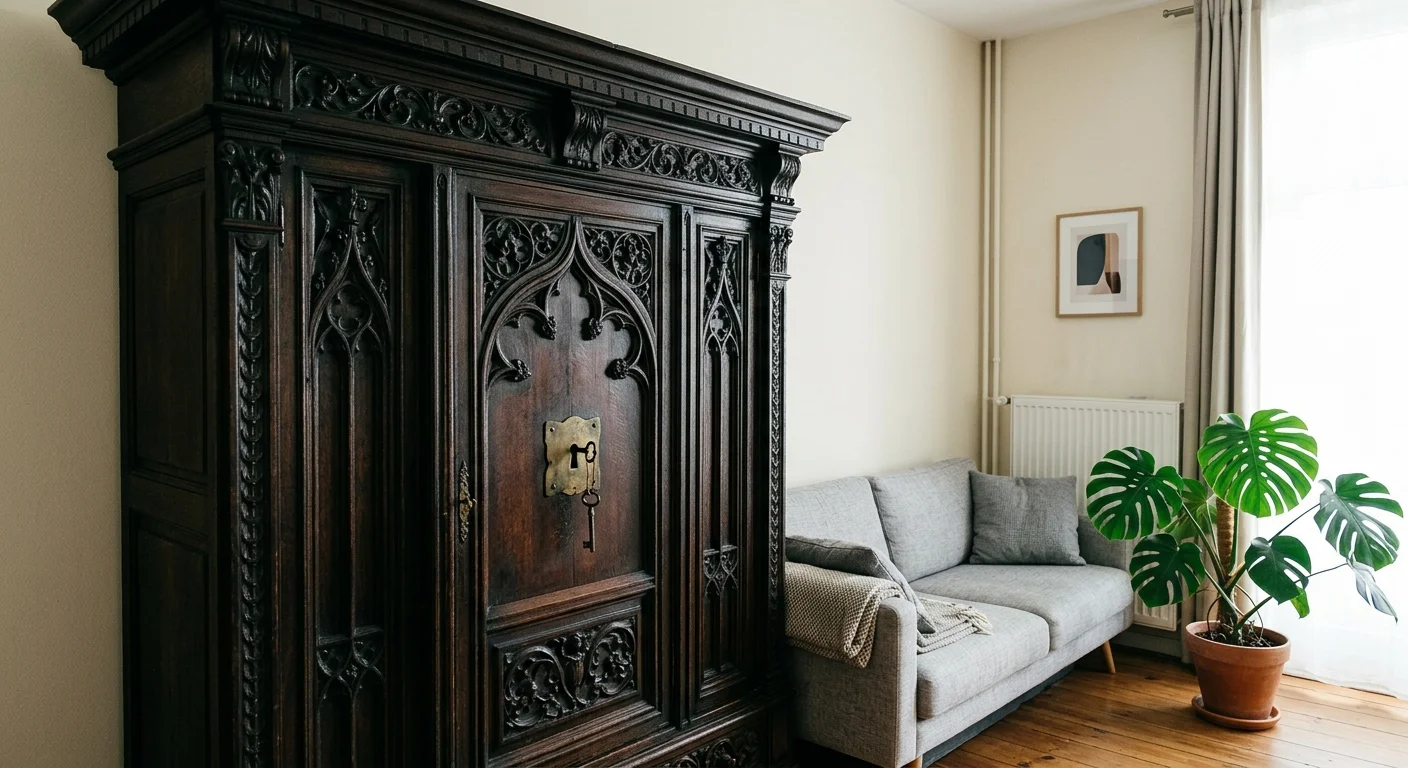
4. Heavy Victorian Furniture and Oversized Armoires
If you have ever tried to move a solid wood Victorian wardrobe or a 1990s entertainment center, you understand exactly why these pieces are losing value. They are incredibly heavy, difficult to transport, and fundamentally incompatible with modern living spaces. In an era when a massive flat-screen television mounts flush against the living room wall, a bulky wooden armoire designed to hide a tube television is entirely obsolete.
Victorian furniture, characterized by dark woods, ornate carvings, and heavy proportions, suffers from a similar lack of demand. Modern apartments and downsized homes simply do not have the square footage or the ceiling height to accommodate a massive, imposing wardrobe. Today’s buyers prioritize sleek, functional, and modular furniture that can adapt to different rooms and uses as their needs change.
Beyond the aesthetic and practical drawbacks, large, heavy pieces of furniture pose a significant safety risk if not properly managed. Unsecured wardrobes and armoires are notorious for tipping over, especially in homes with young children who might try to climb them. The U.S. Consumer Product Safety Commission (CPSC) strongly advises anchoring all heavy furniture to the wall to prevent tragic accidents. Because modern buyers are highly conscious of these safety hazards, they frequently bypass towering antique pieces in favor of low-profile dressers and built-in closet systems. Unless an armoire boasts exceptional craftsmanship from a highly desirable maker, you will likely struggle to find a buyer willing to haul it out of your home.
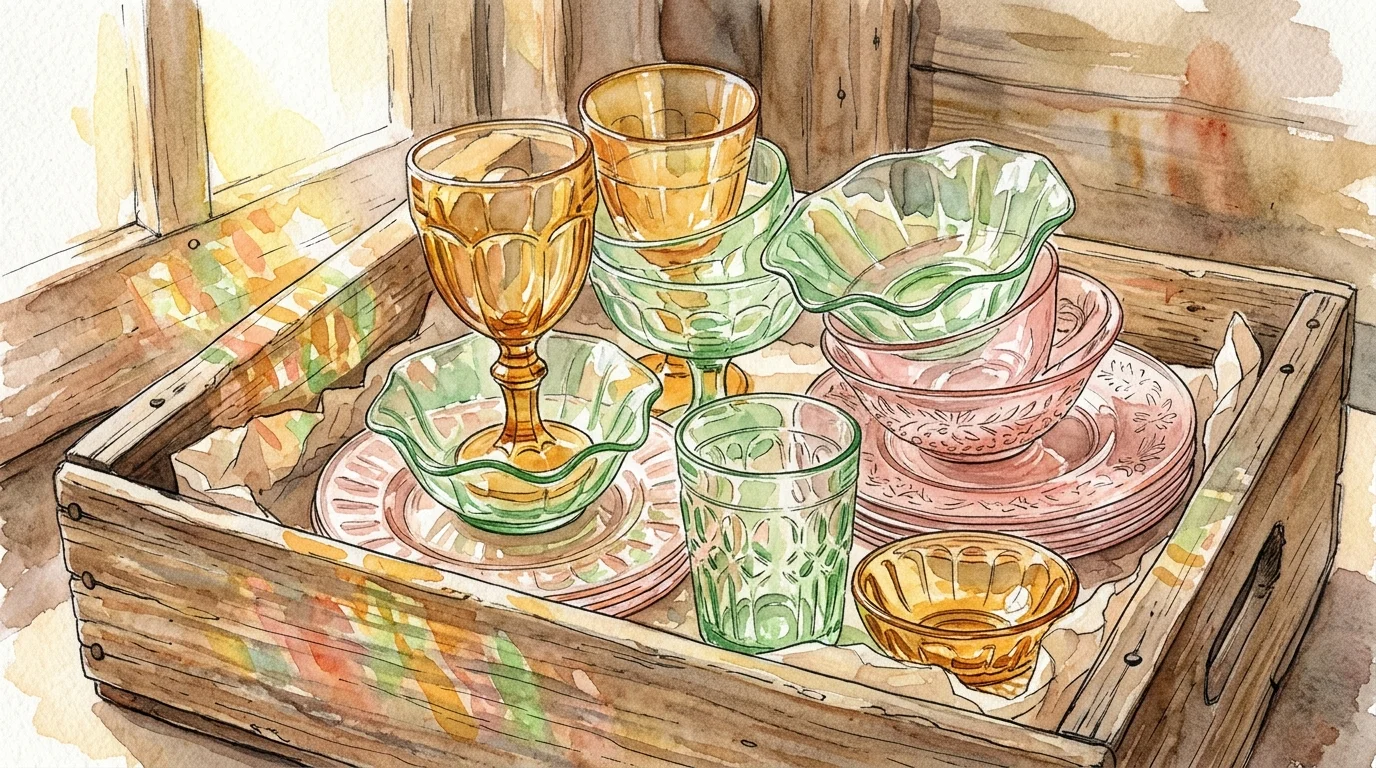
5. Common Decorative Glassware
Wander through any local antique mall or thrift store, and you will immediately notice shelves overflowing with colorful glass pieces. Items like brilliant-cut glass, carnival glass, and bright red Royal Ruby glassware were once highly sought-after staples of vintage decor. Collectors hunted for specific patterns and colors, proudly displaying their finds on illuminated glass shelving to catch the sunlight.
Today, the market for common decorative glassware is drastically cooling. While a few rare patterns or unique colors still generate interest among dedicated niche collectors, the vast majority of these pieces suffer from massive oversupply. When everyone who collected carnival glass in the 1980s and 1990s downsizes at the same time, the secondary market becomes flooded. Younger decorators generally view these items as fragile dust-catchers that clutter up shelves and mantlepieces; they prefer instead to decorate with practical items, indoor plants, or a single, striking piece of original art.
You should also be aware that the sheer volume of glass on the market drives the price down to a few dollars per piece for common items. If you own a large collection, selling it piece by piece online requires meticulous packing, high shipping costs, and a significant risk of breakage during transit. The effort required to sell individual glass bowls or vases often eclipses the meager financial return. For those looking to declutter, grouping common glassware by color and selling them as “decorator lots” can occasionally attract buyers looking for wedding centerpieces or colorful shelf accents, but expecting high antique valuations will only lead to disappointment.
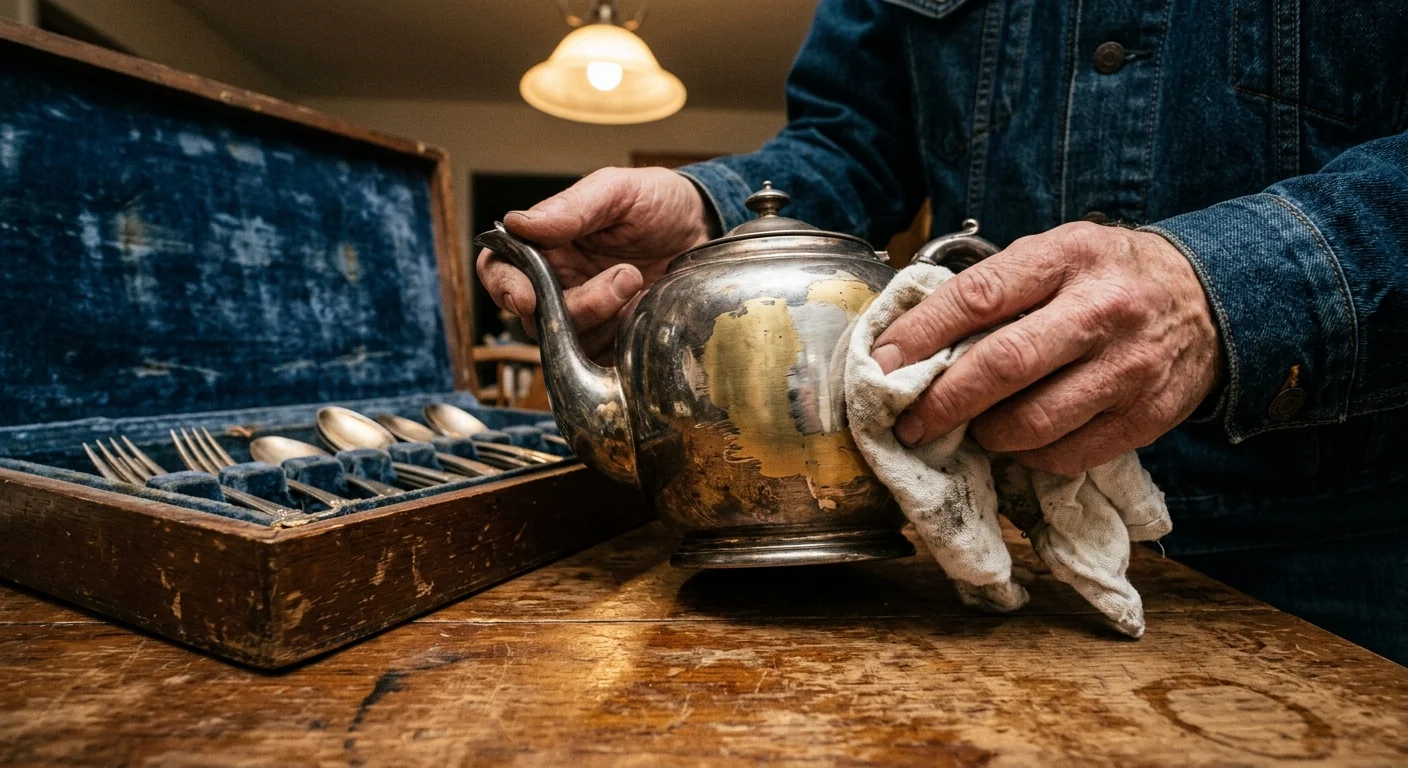
6. Silver-Plated Flatware and Tea Sets
It is easy to look at a tarnished, ornate tea set and assume you have struck gold — or rather, silver. However, antique appraisers constantly have to break the bad news to optimistic sellers: silver-plated items hold very little financial value. Unlike sterling silver, which is made of 92.5 percent pure silver and holds intrinsic value based on the precious metals market, silver-plated items consist of a cheap base metal, like copper or brass, coated in a microscopic layer of silver.
Because the actual silver content in a plated tray or fork is so minimal, metal refiners will not buy these pieces for scrap. Their value relies entirely on their appeal as decorative or functional items. Unfortunately, modern hosts rarely want to spend their weekends polishing heavily tarnished tea sets or elaborate candelabras. The high maintenance required to keep silver plate looking its best, combined with a cultural shift away from formal entertaining, means these items frequently languish on the shelves of secondhand stores.
If you are sorting through inherited flatware, look closely at the hallmarks stamped on the back of the pieces. The Federal Trade Commission (FTC) notes that genuine sterling will be stamped with the word “Sterling” or the numbers “925,” indicating true precious metal content. If you see marks like “EPNS” (Electroplated Nickel Silver), “IS” (International Silver), or “A1,” you are dealing with silver plate. While you might still get a few dollars for a complete, well-maintained set, you should not expect it to significantly pad your bank account.
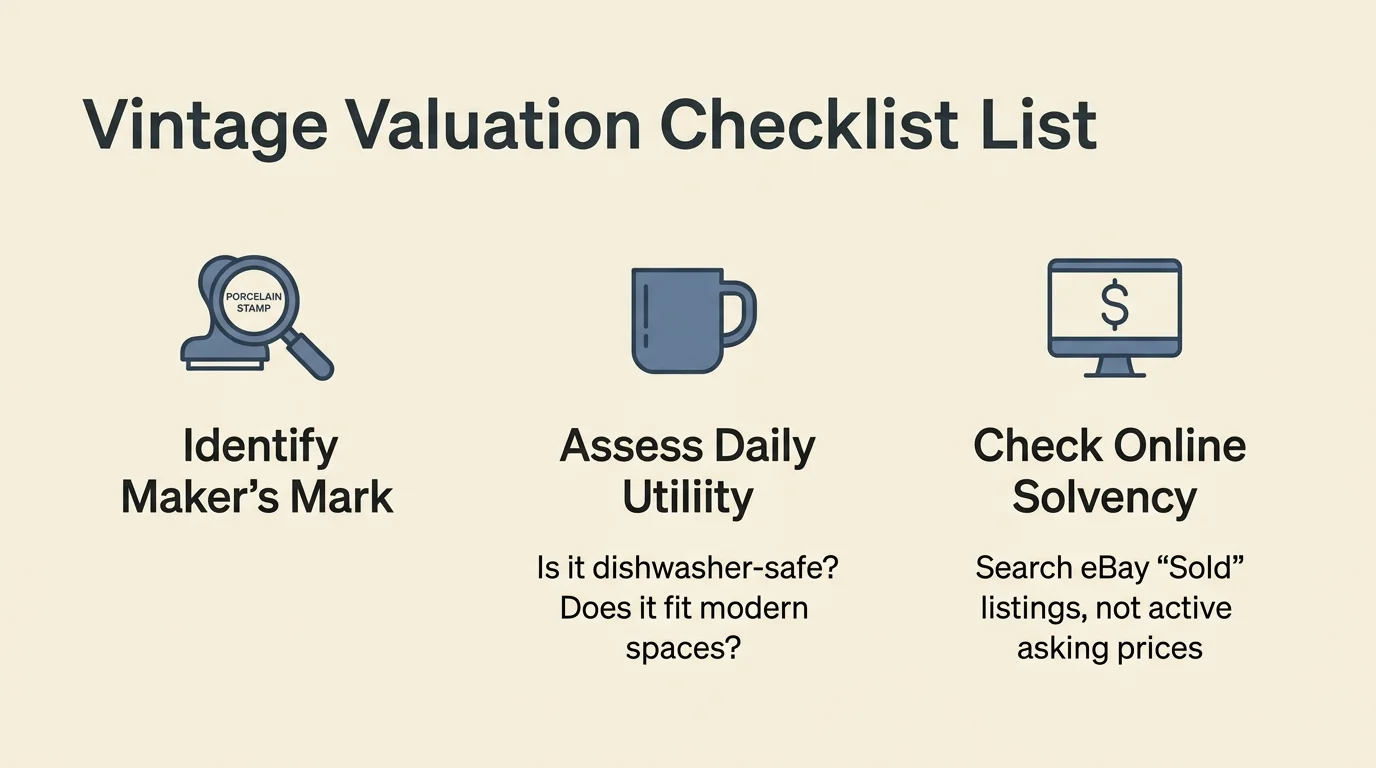
Checklist: How to Evaluate Your Vintage Decor
When you find yourself tasked with clearing out a home filled with older furniture and decor, the process easily becomes overwhelming. Use this practical step-by-step checklist to evaluate your vintage items efficiently and determine what is actually worth your time to sell.
- Inspect for Maker’s Marks: Turn over dishes, check the backs of furniture, and look closely at the stems of glassware. Use a magnifying glass to locate brand names, signatures, or hallmark stamps.
- Separate Sterling from Silver Plate: Check all silver-colored metals for the “Sterling” or “925” stamp. Set the verified sterling pieces aside in a secure location, as these always retain baseline value based on their metal weight.
- Assess the Condition Objectively: In the antiques market, condition dictates price. Check glass and china for chips, cracks, or discoloration. Look for deep scratches, water rings, or missing hardware on wood furniture. Damaged items rarely sell, regardless of their age.
- Research Sold Listings, Not Asking Prices: Do not assume an item is valuable just because someone listed it for a high price online. Search for your specific item on auction sites, filter the results to show “Sold Items,” and look at the actual prices buyers paid within the last ninety days.
- Consider the Shipping Logistics: Ask yourself how difficult an item will be to ship. If a glass bowl sells for twenty dollars online but requires fifteen dollars in packing materials and carries a high risk of breaking, it is better off donated or sold locally.
- Evaluate Local Demand: Large furniture must be sold locally. Call a few local consignment shops and ask if they are currently accepting large brown furniture or armoires. If they decline, you know the local market is saturated.
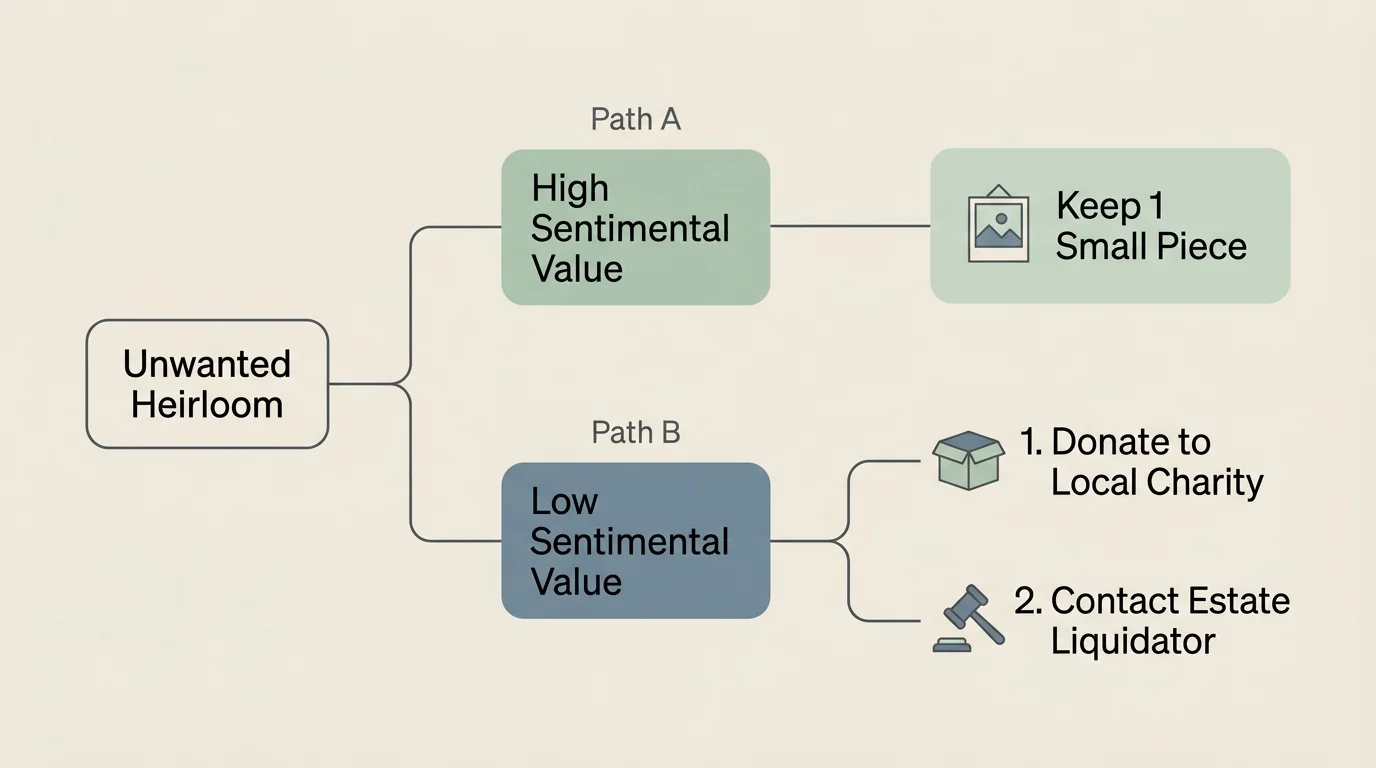
Practical Next Steps for Your Unwanted Antiques
Letting go of items that have been in your family for generations is an emotional process, even when you know they lack financial value. The key is to separate the memory of your loved one from the physical object itself. You do not have to keep a massive china cabinet just because your grandmother loved it; you can honor her memory by keeping one small teacup and donating the rest.
If you have items that are no longer selling on the antique market, you still have several practical options. Consider offering pieces to younger family members who might want a single item for a first apartment, but do not pressure them to take entire sets. For large furniture, contact local theater groups or high school drama departments; they often need sturdy, period-appropriate furniture for stage sets. You can also donate to local charities, thrift stores, or organizations that help people transition out of homelessness into furnished apartments.
Ultimately, your home should be a sanctuary that reflects your current lifestyle, not a storage unit for the past. Take a hard look at the vintage decor taking up your valuable square footage. Pick one category — like the mass-produced figurines or the unused silver-plated platters — and commit to boxing them up this weekend. Freeing up that space will make your home feel lighter, cleaner, and significantly easier to manage.