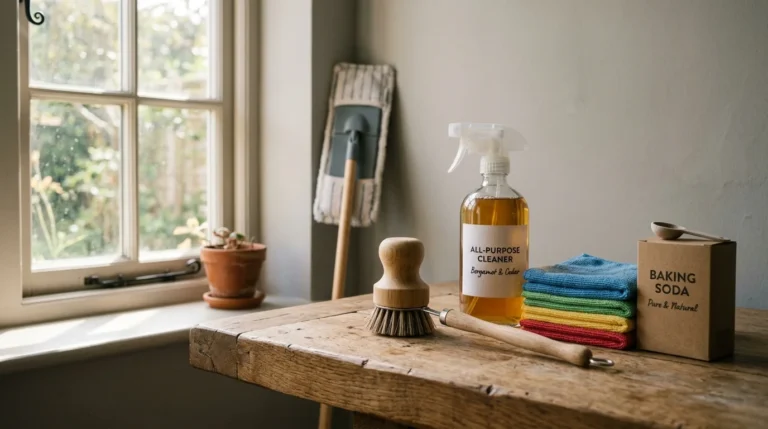
You open your closet doors every morning hoping to easily find your favorite sweater, only to be met by a tangled wall of fabric, rogue hangers, and a floor completely covered in shoes. By implementing a few straightforward closet organization ideas, you can instantly reclaim your space and start your day with less stress. A streamlined wardrobe saves you time, protects the clothes you love, and eliminates the dangerous tripping hazards hiding at the bottom of your storage areas. Whether you want to gain more hanging room or simply make a daily dressing routine less physically demanding, these proven fixes will permanently transform your storage from chaotic to calm.

1. Ditch the Toxic Mothballs for Natural Cedar
Many people grew up trusting the sharp, distinct smell of mothballs to protect their heavy winter coats and delicate wool sweaters from fabric-eating insects. However, relying on these chemical spheres is an outdated and unsafe approach to wardrobe maintenance. Mothballs are essentially solid pesticides—most commonly formulated with the chemicals naphthalene or paradichlorobenzene. As they sit in your storage bins, they transition directly from a solid state into a toxic gas, permeating your clothing and the air you breathe.
According to the Environmental Protection Agency, mothball products are strictly regulated because inhaling these accumulated pesticide fumes over long periods can cause respiratory distress, dizziness, and nausea. This is an especially dangerous hazard for older adults with compromised respiratory systems or households with curious pets.
You can effectively protect your seasonal garments without sacrificing your indoor air quality. Replace harsh chemicals with natural Eastern Red Cedar blocks, rings, or sachets. Cedar naturally repels moths through its aromatic oils, leaving your clothing smelling fresh and woodsy instead of steeped in chemicals. Because cedar dries out over time, you can quickly refresh its insect-repelling power by lightly rubbing the wood with fine-grit sandpaper every few seasons. For ultimate protection, always launder your wool garments before packing them away; clothes moths are primarily attracted to the microscopic dead skin cells and body oils left behind on worn fabrics.
2. Maximize Space with Slim Velvet Hangers
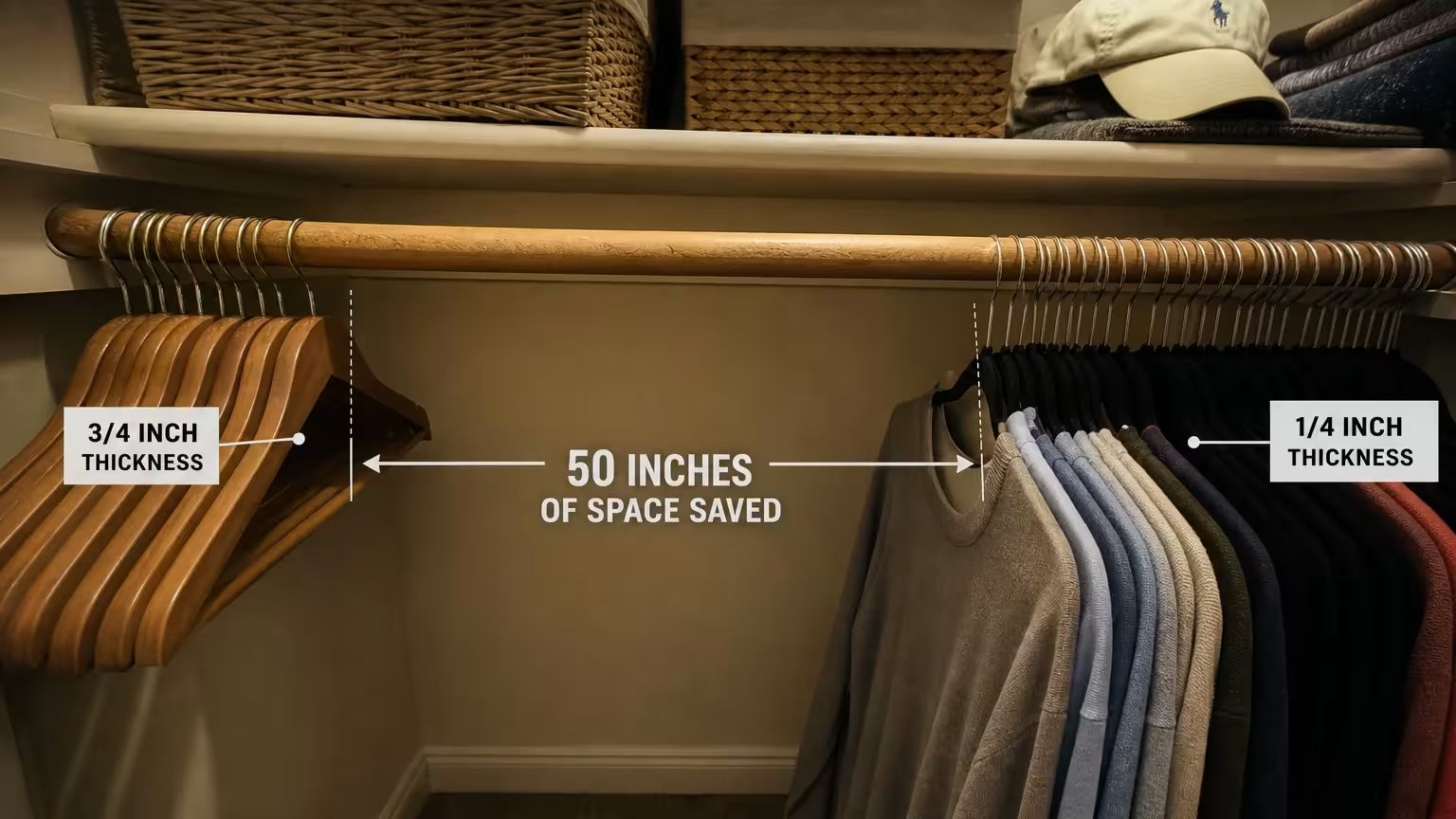
The hangers you choose dictate the entire architecture of your wardrobe. Thick wooden hangers look luxurious in high-end boutiques, but they consume a massive amount of lateral space on your closet rod. Flimsy plastic tubular hangers break easily under the weight of winter coats and allow wide-necked blouses to slip off constantly, creating frustrating piles of fabric on your floor.
Upgrading your entire closet to slim velvet hangers is one of the most effective closet storage solutions you can implement. Standard wooden hangers measure about three-quarters of an inch thick, while velvet hangers measure a mere quarter of an inch. If you hang one hundred garments, switching to a slim profile can free up twenty-five to fifty inches of horizontal bar space. This simple swap instantly alleviates cramped rods, making it vastly easier to slide your garments back and forth when searching for an outfit.
Beyond saving space, the velvet flocking provides exceptional grip. Heavy cardigans, slippery silk blouses, and wide-collared shirts stay firmly anchored to the hanger. If you struggle with arthritis or limited mobility, eliminating the need to constantly bend down and retrieve slipped clothing from the floor is a massive relief. Purchasing these hangers in a single, uniform color also reduces visual clutter, tricking your brain into perceiving the space as highly organized and meticulously curated.
3. Respect Your Shelf and Rod Weight Limits
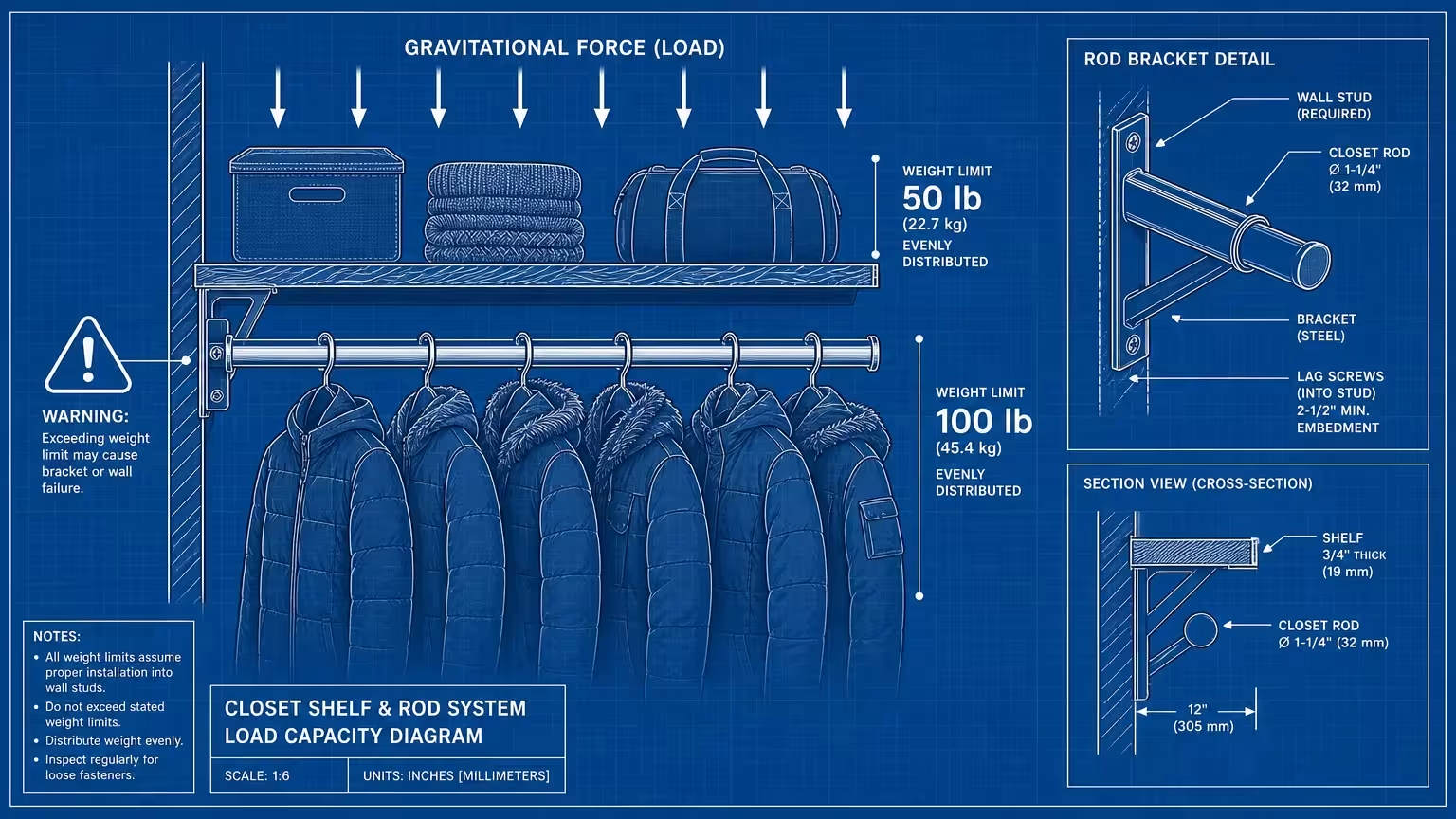
When searching for extra storage, it is tempting to stack heavy items directly onto the top shelf of your closet. Suitcases, heavy boxes of family photographs, and dense plastic bins full of winter gear often end up teetering overhead. If your home features builder-grade ventilated wire shelving, overloading these structures is a serious safety hazard.
Standard wire shelves are surprisingly strong when installed perfectly, but they have definitive breaking points. Most heavy-duty wire shelving systems can support between forty and eighty pounds per linear foot, provided the mounting brackets are driven directly into solid wooden wall studs. Unfortunately, many shelving units are installed using only cheap plastic drywall anchors. Over time, the constant downward pull of a heavy winter wardrobe weakens the drywall, causing the entire shelf system to pull away from the wall and collapse.
Take a few minutes to inspect the hardware holding up your closet rod. Look for signs of stress, such as sagging horizontal wires, bowing support poles, or plastic wall clips that are pulling away from the paint. To prevent a catastrophic shelf collapse—which could ruin your belongings or cause severe physical injury—distribute the weight in your closet evenly. Relocate your heaviest items, such as document safes, heavy toolboxes, or luggage, firmly onto the solid floor. Reserve your overhead shelving for lightweight items like hats, extra pillows, and out-of-season linens.

4. Let the Reverse Hanger Hack Make Decisions for You
You cannot organize a space if it is completely overwhelmed by inventory. Decluttering is mandatory, yet deciding what to keep and what to discard is an exhausting emotional process. We often hold onto expensive suits we no longer wear due to the guilt of the purchase price, or we keep uncomfortable jeans hoping they will fit again someday. Instead of relying on your emotions, let data dictate your wardrobe decisions.
The reverse hanger method is a brilliant, entirely objective closet hack. Today, go into your closet and turn every single hanger backward, so the open part of the hook faces you rather than the wall. Whenever you wear an item, wash it, and return it to the closet, hang it up the normal way, with the hook facing the wall.
Set a reminder on your calendar for exactly one year from today. Waiting a full year ensures you account for all four seasons of weather. When your calendar alert goes off, look at your closet rod. Any garment hanging on a backward-facing hook is an item you have not touched in 365 days. You can confidently pull those unworn clothes from the rack and donate them, knowing with absolute certainty that you do not use them. This completely removes the stressful guesswork from your decluttering process.

5. Add a Permanent Donation Bin to Capture Discards
We try on clothes every day that no longer serve us. You pull a shirt off the rack, try it on, and realize the shoulders pinch or a button is missing. Because walking all the way to the garage to find a garbage bag feels like a chore, you simply put the uncomfortable shirt back on the hanger, promising yourself you will deal with it later. Later never comes, and the clutter remains.
To break this cycle, you must make discarding items completely frictionless. Place a dedicated, structured fabric bin or wicker basket permanently inside your closet. The moment you try on a garment and realize it is itchy, unflattering, or damaged, toss it directly into the donation basket instead of hanging it back up.
When the basket inevitably fills to the brim, transfer the contents to your car trunk and drop them off at a local charity or textile recycling center. This step is vital for the environment. The Environmental Protection Agency reports that Americans generate over 17 million tons of textile waste annually. By routinely filtering out garments you no longer wear, you maintain an organized wardrobe while ensuring your gently used items find a second life rather than decomposing in a local landfill.
6. Install Tension Rods to Tame Floor Clutter
Shoes are notoriously difficult to organize. Bulky cardboard shoe boxes consume too much space, and large wooden shoe racks rarely fit well under hanging clothes. When left loose, shoes form a chaotic pile at the bottom of the closet, requiring you to dig through the dark to find a matching pair.
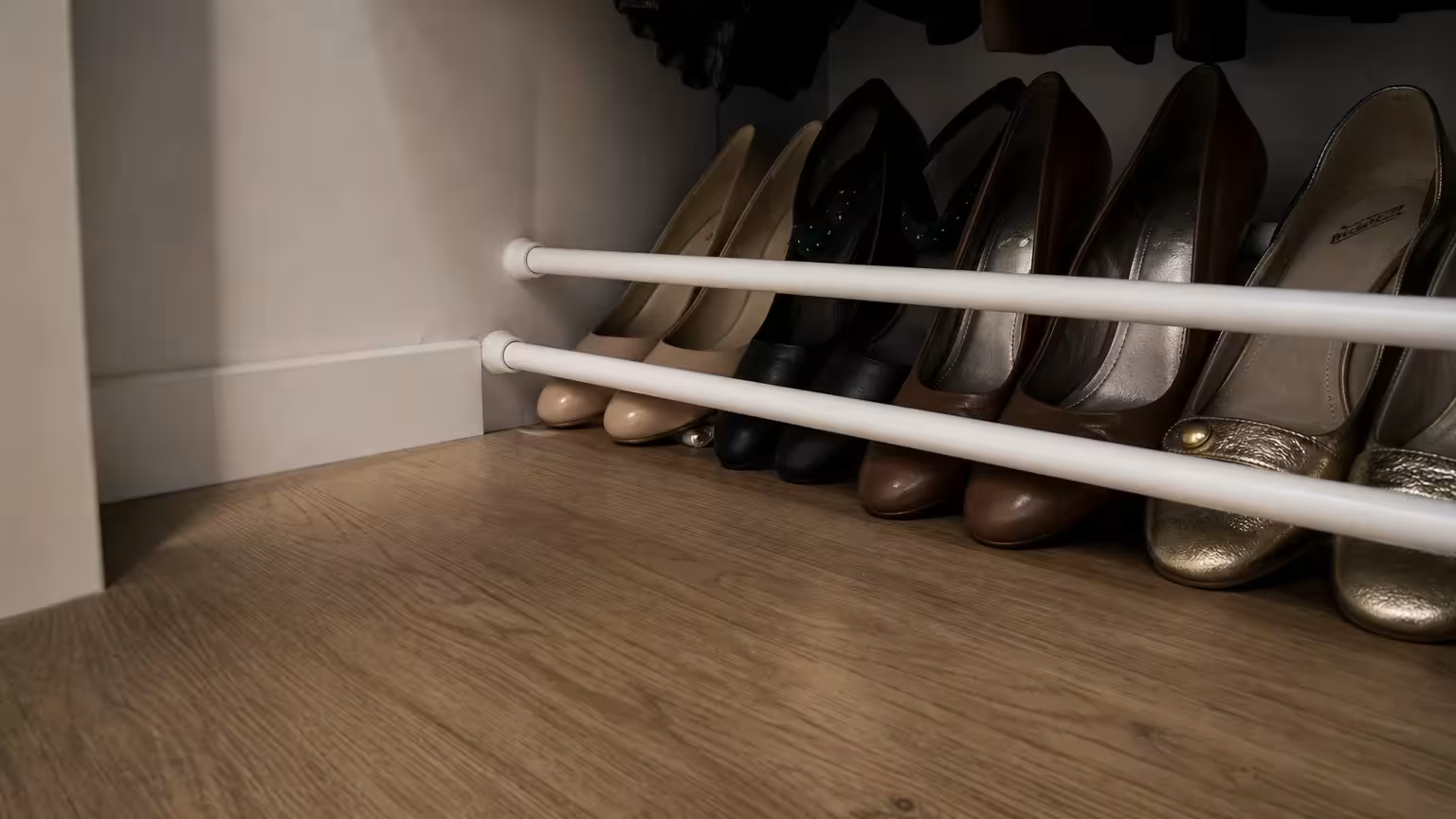
If you have a standard reach-in closet, you can build a custom, floating shoe rack using heavy-duty tension rods—the exact same kind you use to hang a shower curtain. Purchase two tension rods that match the width of your closet walls. Install them horizontally near the floor, running parallel to each other. Place the back rod about two inches higher than the front rod.
Rest the heel of your shoe over the elevated back rod, allowing the toe to rest securely on the lower front rod. This creates a beautifully tiered display for your footwear. Elevating your shoes off the floor provides two massive benefits. First, it brings your shoes closer to eye level, reducing the need to stoop over. Second, it completely clears the floor underneath, allowing you to easily sweep or run a vacuum across the baseboards without having to relocate heavy, dirty shoes.
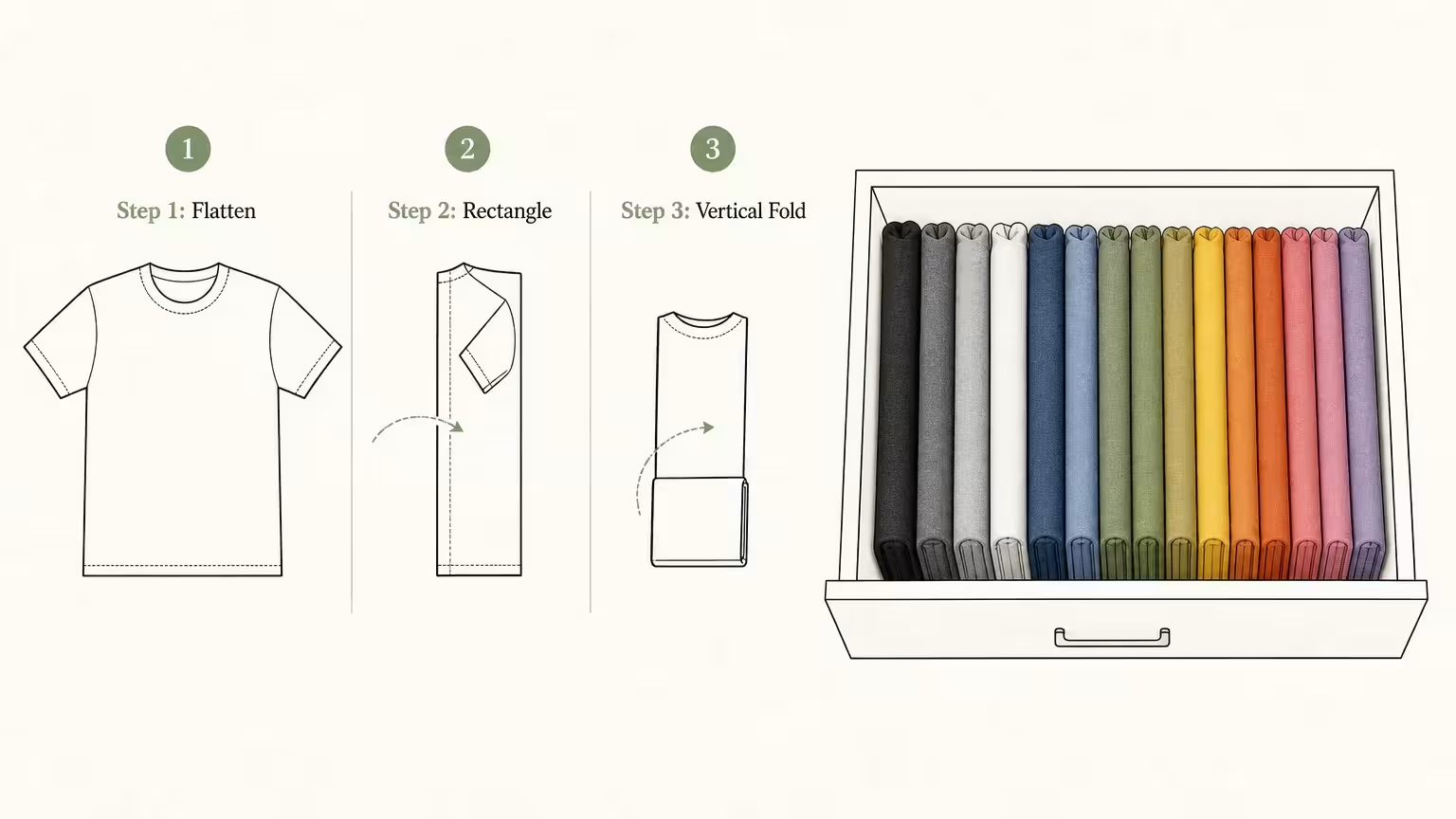
7. File-Fold Your Clothes in Drawers and Bins
Most of us fold our t-shirts and jeans flat, stacking them one on top of the other in a tall tower. While this looks neat initially, it creates a structural nightmare. When you want the bottom shirt, you have to lift the entire heavy stack, which inevitably causes the pile to unfold and collapse into a messy jumble.
File-folding solves this problem permanently. By folding your garments into compact, sturdy rectangles, you can stand them upright in your drawers or storage bins, just like manila folders in a filing cabinet. This technique allows you to view your entire inventory at a single glance, and you can pull out one shirt without disturbing the garments next to it.
Use the following table to master the basic file-folding technique for different garments:
| Garment Type | Step 1: Preparation | Step 2: The Fold | Step 3: The Finish |
|---|---|---|---|
| T-Shirts | Lay the shirt flat, face down. Smooth out all wrinkles with your hands. | Fold the left side and sleeve toward the center. Repeat with the right side to create a long, narrow rectangle. | Fold the rectangle in half lengthwise, leaving a small gap at the bottom hem. Fold again into thirds so it stands upright. |
| Jeans & Pants | Lay the jeans flat, face up. Fold one leg entirely over the other leg. | Tuck the protruding crotch triangle inward so the outer edge forms a straight, clean line. | Fold the bottom hems up toward the waistband, leaving an inch gap. Fold into thirds until the denim stands on its own. |
| Heavy Sweaters | Lay the sweater flat, face down. Smooth the fabric gently so you do not stretch the knit. | Fold the sides inward, bringing the arms straight down so they lay flat against the folded sides. | Fold the long rectangle in half, or into thirds for bulkier knits, storing them standing up in deep bins. |

8. Clear the Floor to Prevent Trips and Falls
Organizing your closet is not just about making the space look visually appealing; it is fundamentally about personal safety. For older adults focusing on aging in place, minimizing fall risks inside the home is paramount. The Centers for Disease Control and Prevention identifies falls as a leading cause of fatal and nonfatal injuries among older adults, emphasizing that environmental clutter is a primary driver of these accidents.
A poorly maintained closet floor creates a uniquely dangerous environment. Stray shoes, dropped belts, overflowing laundry hampers, and slippery plastic dry-cleaning bags often litter the walkway. When you reach up high to grab a coat from the top rod, your center of gravity shifts. If you lose your balance and attempt to step backward, a cluttered floor removes your ability to plant your foot firmly and catch yourself.
Commit to keeping your closet floor entirely bare. Use the tension rod hack or purchase an over-the-door hanging organizer to get shoes off the ground. Relocate bulky laundry hampers to a dedicated corner of the bedroom or bathroom rather than keeping them inside the closet doorway. Finally, improve your visibility by installing inexpensive, battery-operated LED motion lights along the doorframe. Illuminating the space ensures you can easily spot and avoid any items that might have fallen off a hanger overnight.
Take Action Now: Grab a trash bag and spend exactly fifteen minutes today clearing out any garbage, broken hangers, or unworn shoes currently sitting on your closet floor to immediately make your morning routine safer and easier.