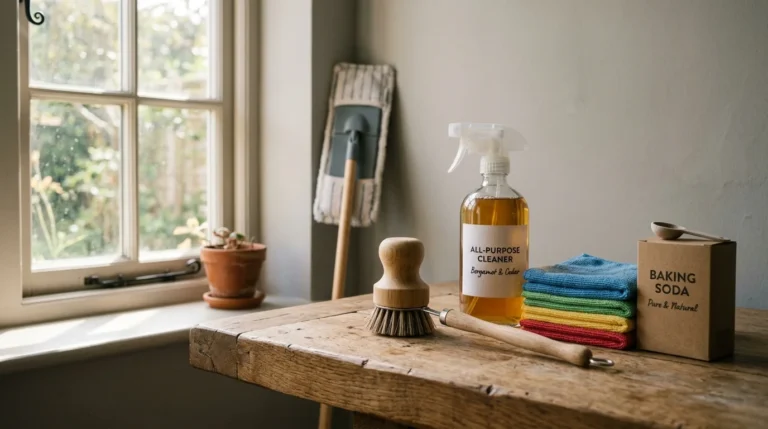
Your sink handles dirty dishes and endless hand washing, making it a magnet for grime and bacteria. You can easily cut through that buildup and restore a brilliant shine using simple, inexpensive ingredients you already have in your pantry. Making your own cleaning mixes gives you total control over the chemicals in your home, which is helpful if you want to simplify your daily routine or avoid harsh fumes. Whether you are dealing with a dull stainless steel basin, stubborn hard water spots, or a delicate natural stone sink, the right homemade solution makes maintaining a bare and bright kitchen effortless. Try these seven practical, safe, and highly effective DIY cleaning recipes to make your sink sparkle.
Understanding Your Sink Material Before You Mix
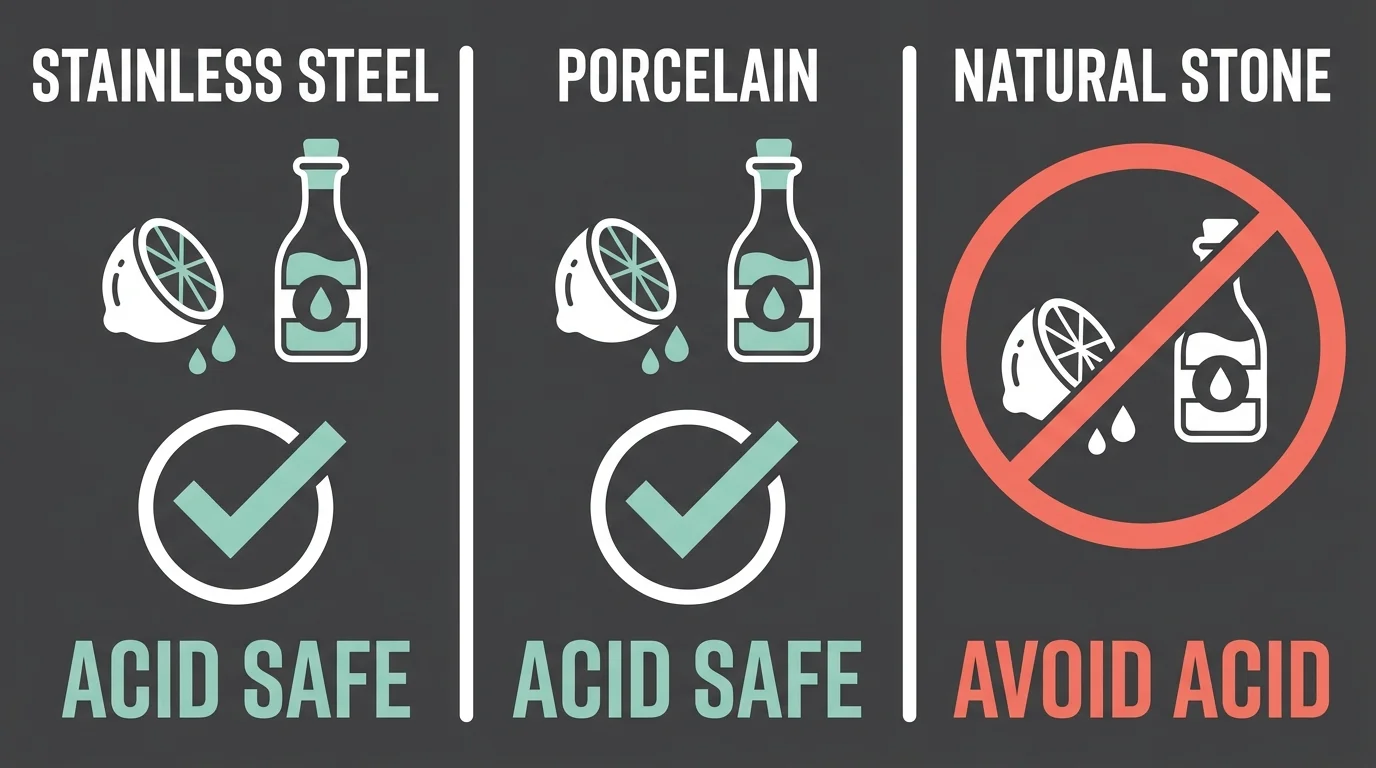
Before you start mixing ingredients from your pantry, you need to identify what your sink is made of. The surface material dictates exactly which natural cleaning agents will work and which ones could cause permanent damage. Not all natural ingredients are universally safe.
Stainless steel and porcelain sinks are incredibly durable and handle acidic cleaners like vinegar and lemon juice beautifully. These surfaces rarely etch, meaning you can scrub away tough mineral deposits without fear of ruining the finish. On the other hand, natural stone sinks—such as marble, travertine, or granite composite—are highly porous and chemically sensitive. Acidic cleaners strip the protective sealant from stone and cause a chemical reaction that results in dull, etched spots. If you have a natural stone sink, you must strictly avoid vinegar, lemon juice, and harsh commercial abrasives.
By tailoring your homemade cleaner to the specific needs of your sink basin, you protect your investment while achieving a flawless clean. Below, you will find targeted recipes that tackle grease, eliminate odors, and blast away hard water stains, along with clear guidelines on where to use them safely.
1. The Daily Dish Soap and Warm Water Degreaser
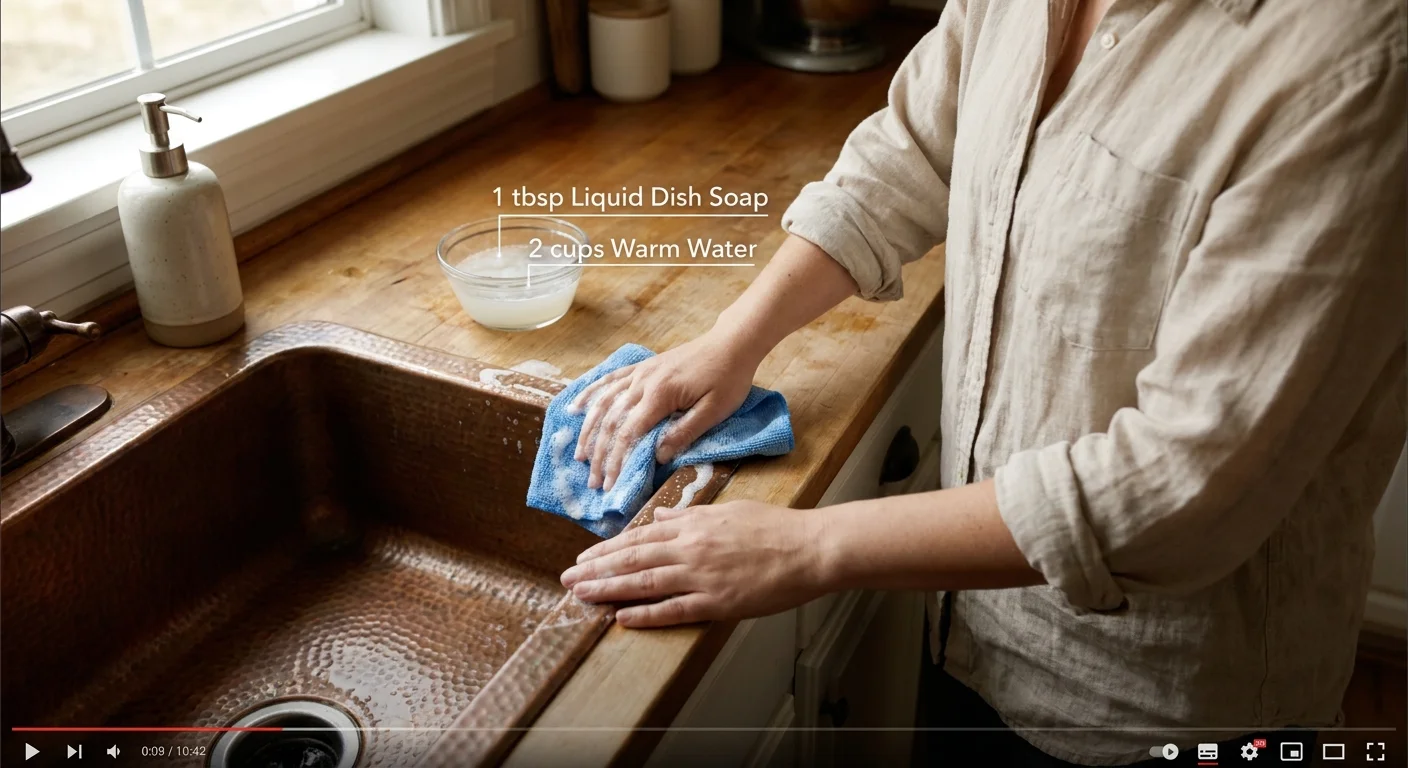
You do not always need a complex chemical reaction to achieve a clean sink. For your everyday maintenance routine, plain dish soap and warm water provide an exceptionally effective defense against grease and food residue. Dish soap contains surfactants—compounds that lower the surface tension of water, allowing it to grab onto oil and wash it down the drain.
Best for: All sink types, including delicate natural stone, copper, and stainless steel.
What you need:
- 1 tablespoon of liquid dish soap (opt for a mild, unscented formula)
- 2 cups of very warm water
- A clean microfiber cloth or a non-scratch sponge
How to use it:
- Clear your sink of all dishes, utensils, and food scraps.
- Mix the dish soap into the warm water until it forms a sudsy solution.
- Dip your sponge into the soapy water and wipe down the entire basin, starting from the top rim and working your way down to the drain.
- Pay special attention to the corners and the rim around the drain assembly, as these areas collect the most hidden grease.
- Rinse the sink thoroughly with warm tap water to remove all soap suds.
- Dry the basin immediately with a clean microfiber cloth to prevent water spots from forming.
Drying your sink is just as important as washing it. When tap water evaporates, it leaves behind trace minerals that create a cloudy appearance over time. A quick wipe-down with a dry cloth eliminates this issue entirely.

2. The Baking Soda and Vinegar Drain Refresher
A sparkling basin means nothing if your drain emits a foul odor. Food particles, soap scum, and oils easily build up inside your pipes, creating a breeding ground for bacteria. You can naturally clear minor blockages and neutralize stubborn smells using the classic combination of baking soda and white vinegar. This dynamic duo creates a vigorous fizzing reaction that helps loosen gunk stuck to the walls of your plumbing.
Best for: Deodorizing drains and clearing slow-draining pipes in any sink type (just pour carefully to avoid splashing vinegar on a natural stone surface).
What you need:
- 1/2 cup of baking soda
- 1 cup of distilled white vinegar
- 1 pot of boiling water
How to use it:
- Boil a large pot of water on your stove. Carefully pour half of the boiling water directly down the sink drain to soften oily residue.
- Pour the baking soda straight down the drain. You can use a funnel to ensure the powder goes into the pipe rather than sitting on the drain cover.
- Pour the white vinegar down the drain immediately after the baking soda. You will hear an aggressive fizzing sound; this is the acetic acid reacting with the sodium bicarbonate to release carbon dioxide gas.
- Let the mixture sit and work its magic for 15 minutes.
- Flush the drain with the remaining boiling water to wash away the loosened debris.
According to Good Housekeeping’s drain cleaning guide, using this baking soda and vinegar method regularly helps prevent future clogs and keeps your plumbing smelling fresh.
3. The Gentle Baking Soda Paste for Stuck-On Grime
When dried tomato sauce, sticky marinades, or stubborn coffee stains refuse to budge, you need a cleaner with a bit of friction. However, commercial scouring powders often contain harsh silica or bleach that can scratch your sink’s finish. Baking soda provides the perfect solution; it acts as a mild abrasive that physically lifts away dried food without scratching underlying surfaces.
Best for: Stainless steel, fireclay, porcelain, and enameled cast iron sinks.
What you need:
- 1/2 cup of baking soda
- 2 to 3 tablespoons of liquid dish soap
- 1 tablespoon of water (adjust as needed)
How to use it:
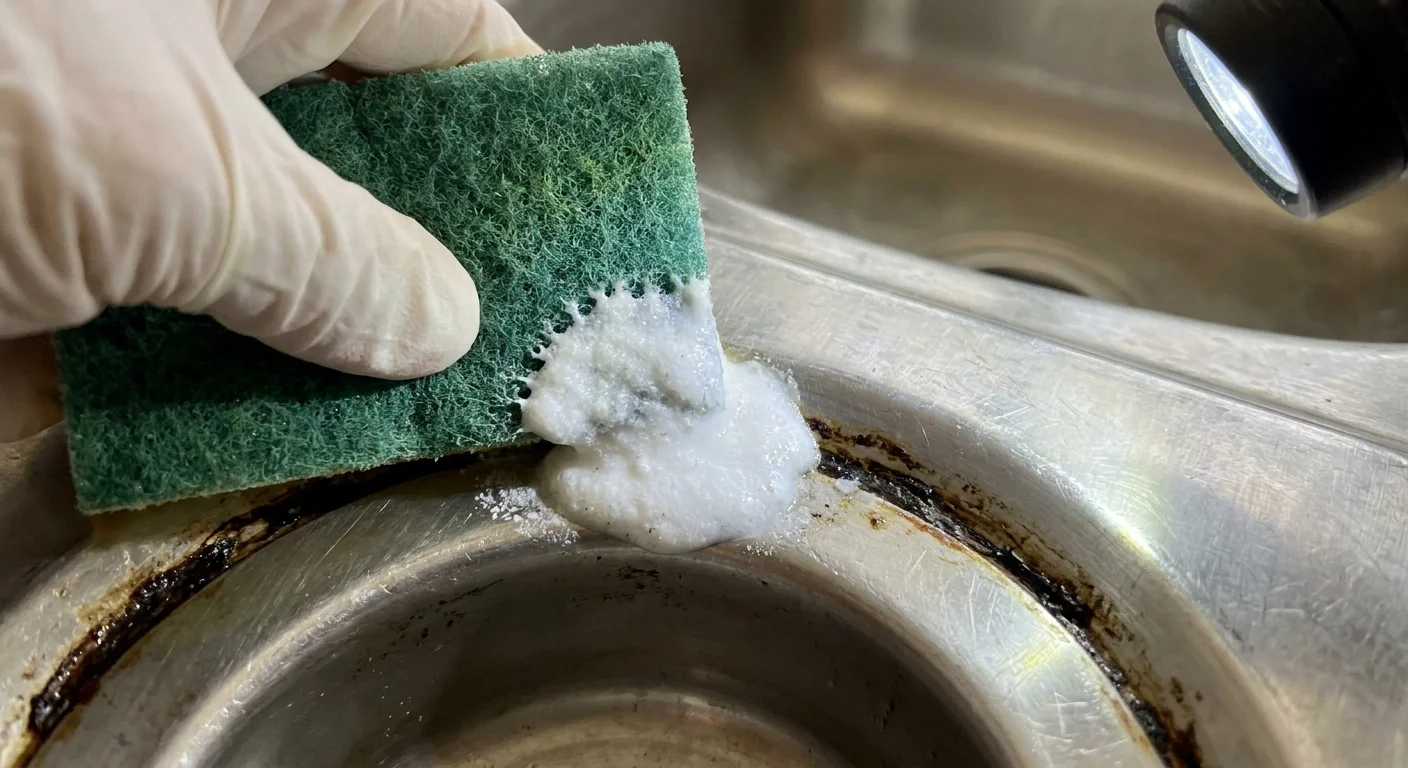
- Combine the baking soda and liquid dish soap in a small bowl. Stir the mixture, adding a few drops of water until it forms a thick, spreadable paste.
- Apply the paste directly to the stubborn stains or dried-on food spots in your sink.
- Let the paste sit for 5 to 10 minutes. This resting period gives the soap time to break down the oils while the baking soda softens the stain.
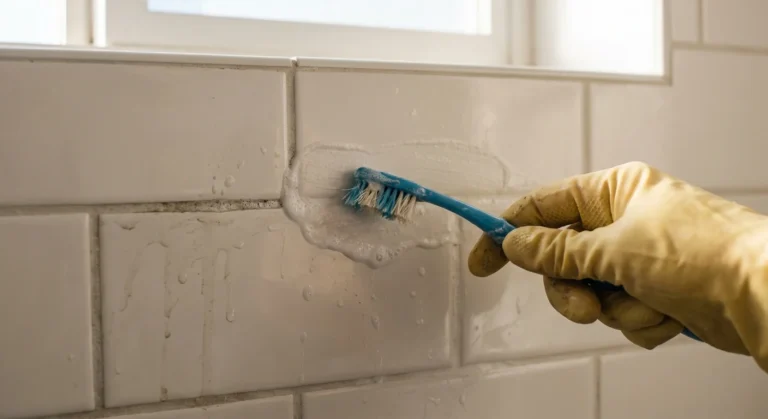
- Scrub the area gently using a soft-bristled brush or a non-scratch sponge. Work in circular motions. If you are cleaning a stainless steel sink, scrub in the direction of the metal’s grain to maintain its pristine finish.
- Rinse the paste away completely with warm water and buff the sink dry.
This paste is essentially a homemade version of popular cream cleansers, delivering the same heavy-duty scrubbing power without the toxic chemical additives.
4. The White Vinegar Hard Water Spot Remover
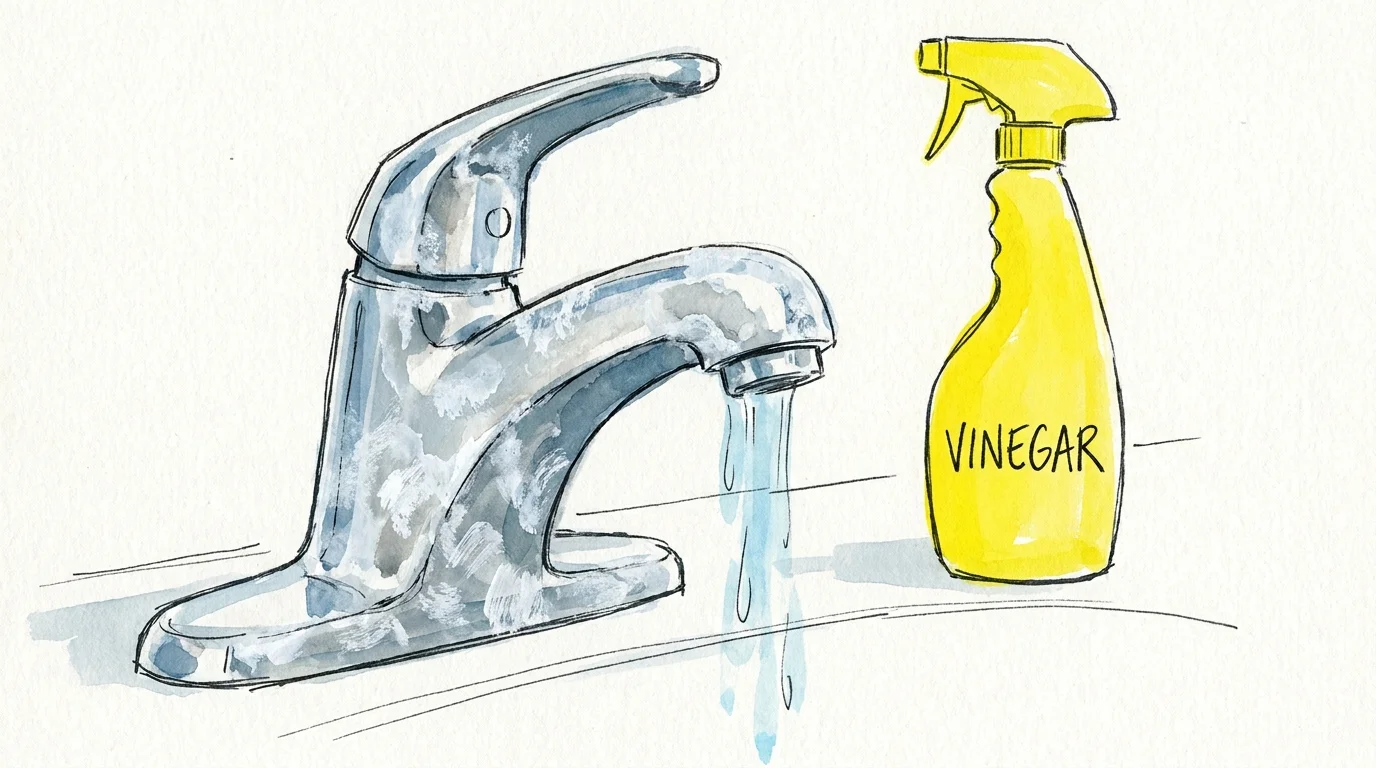
If you live in an area with hard water, you are likely familiar with the chalky, white buildup that forms around your faucet and coats your sink basin. These deposits consist of calcium and magnesium minerals left behind when water evaporates. Because these minerals are highly alkaline, you need an acidic cleaner to dissolve them. Distilled white vinegar cuts through hard water stains with incredible efficiency.
Best for: Stainless steel, porcelain, and ceramic sinks. Do not use this method on natural stone.
What you need:
- 1 cup of distilled white vinegar
- 1 cup of distilled water
- A spray bottle
- Paper towels or old rags
How to use it:
- Mix equal parts white vinegar and distilled water in your spray bottle. Using distilled water prevents you from adding more minerals to the surface you are trying to clean.
- Spray the solution generously over the entire sink basin, focusing heavily on cloudy areas and water spots.
- For severe crusty buildup around the base of the faucet, soak a paper towel or rag in pure white vinegar and wrap it tightly around the affected area.
- Allow the vinegar to sit for 15 to 20 minutes. The acetic acid needs time to break down the hard mineral bonds.
- Remove the rags and wipe down the sink with a sponge. The hard water stains should dissolve effortlessly.
- Rinse the sink thoroughly with water and dry it with a microfiber cloth.
Using this spray once a week prevents mineral scale from cementing onto your fixtures, keeping your stainless steel looking sharp and reflective.
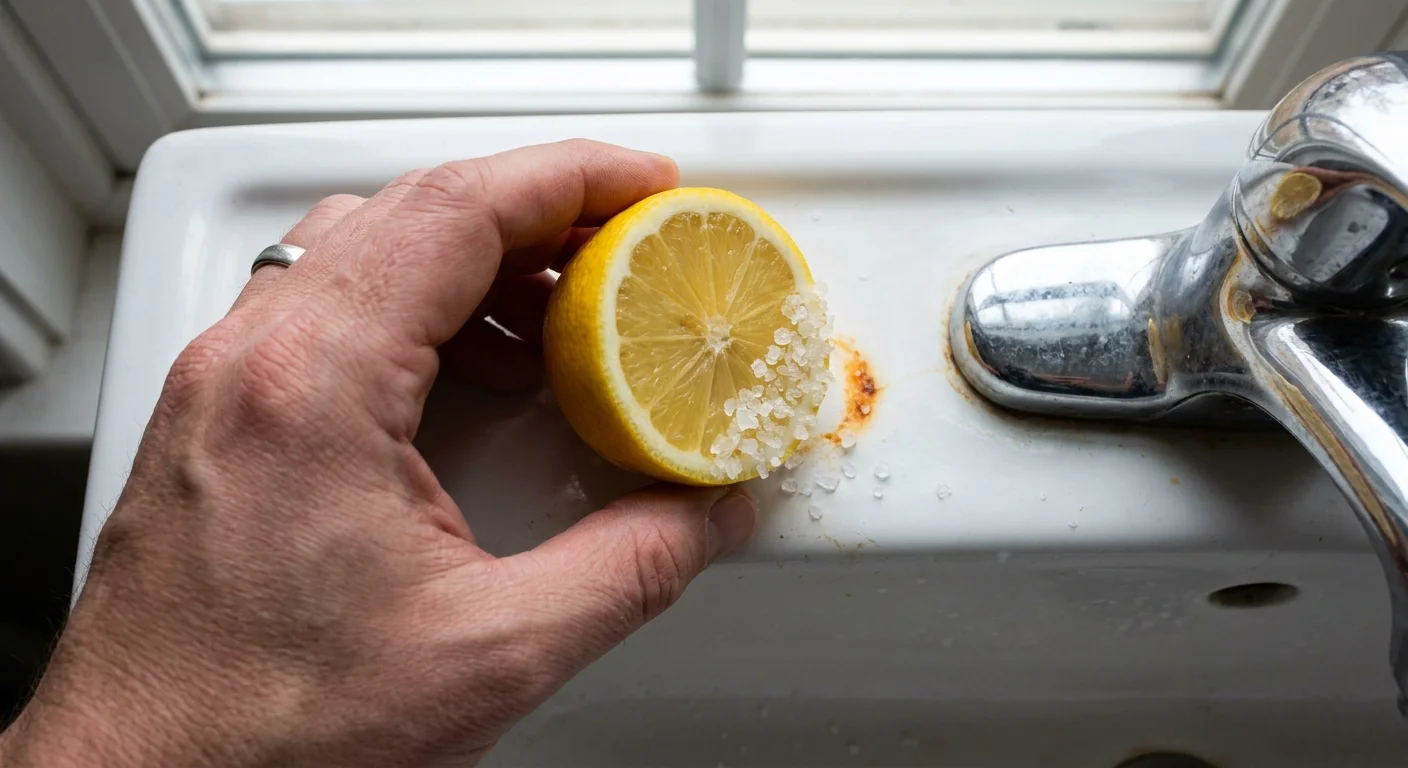
5. The Lemon and Salt Rust Scrub for Porcelain
White porcelain and fireclay sinks offer a beautiful, classic aesthetic, but they easily show rust rings left behind by wet cast iron pans or metal cans. When normal soap fails to remove these stubborn orange rings, you can leverage the natural bleaching power of citric acid combined with the mechanical scrubbing power of coarse salt.
Best for: White porcelain, fireclay, and heavily stained enameled sinks.
What you need:
- 1 fresh lemon, cut in half
- 1/4 cup of coarse sea salt or kosher salt
How to use it:
- Sprinkle a generous layer of coarse salt directly onto the rust stains or discolored areas of your sink.
- Take one half of the cut lemon and squeeze a small amount of juice over the salt to moisten it.
- Use the fleshy side of the lemon half as a scrubbing pad. Press it down into the salt and rub the stain vigorously in a circular motion.
- As you scrub, squeeze the lemon slightly to release more acidic juice. The citric acid attacks the rust chemically while the coarse salt grinds it away physically.
- Once the stain lifts, let the lemon juice and salt mixture sit on the surface for another 5 minutes for a final brightening effect.
- Rinse the area entirely with warm water and wipe it dry.
Keep in mind that lemon juice is highly acidic. While it works wonders on durable porcelain, you should never use this rust-removing trick on marble or granite sinks, as the acid will permanently etch the stone.
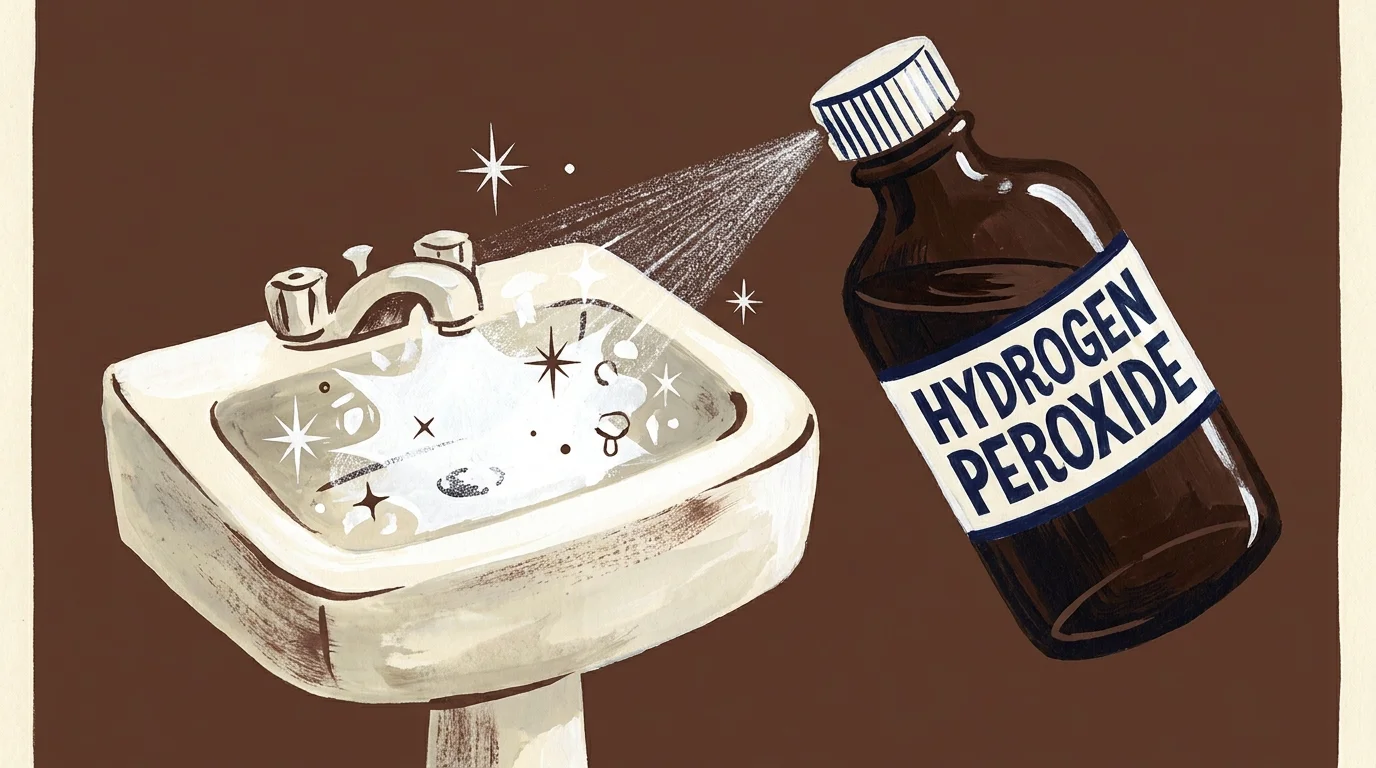
6. The Hydrogen Peroxide Brightening Spray
Sinks harbor bacteria from raw meat, unwashed produce, and dirty sponges. When you need to sanitize your sink without resorting to pungent bleach, standard 3 percent hydrogen peroxide is an outstanding alternative. Hydrogen peroxide is a powerful oxidizing agent that destroys bacterial cell walls; it breaks down safely into water and oxygen, leaving no toxic residue behind.
Best for: Sanitizing and brightening all sink types, including light-colored porcelain and stainless steel.
What you need:
- Standard 3% household hydrogen peroxide (the kind found in brown bottles at the pharmacy)
- An opaque spray bottle (or a spray nozzle attached directly to the peroxide bottle)
How to use it:
- Wash your sink first using the dish soap degreaser recipe. Disinfectants only work effectively on surfaces that are already free of physical dirt and grease.
- Spray the 3% hydrogen peroxide generously across the entire basin, the drain cover, and the faucet handles.
- Let the hydrogen peroxide sit undisturbed for at least 10 minutes. According to the CDC guidelines on chemical disinfectants, proper contact time is essential for effectively killing germs.
- After 10 minutes, simply rinse the sink with water and dry it with a clean cloth.
Because light degrades hydrogen peroxide and turns it into plain water, you must store this spray in a dark or opaque container. Never mix hydrogen peroxide with vinegar in the same container, as the combination creates peracetic acid, which can irritate your skin and respiratory system.
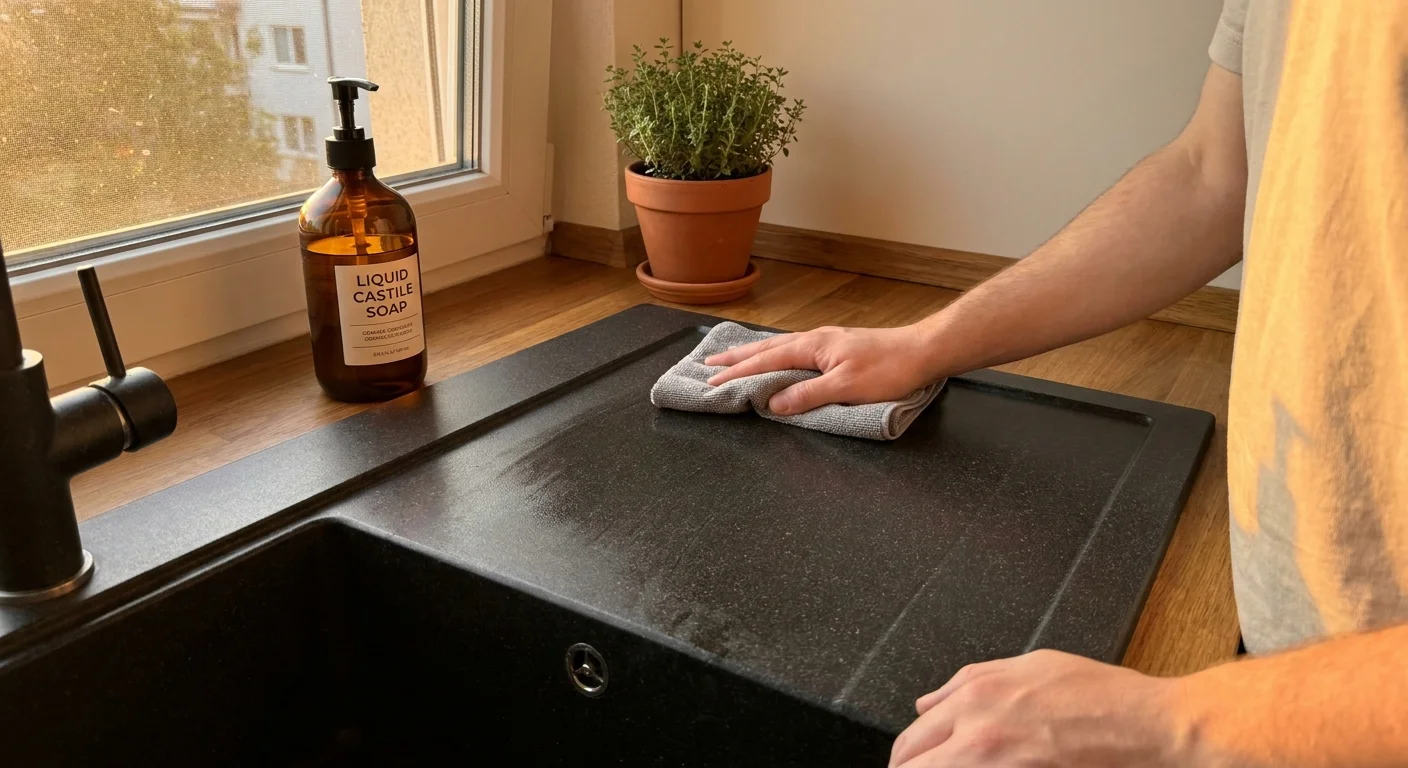
7. The Castile Soap Polish for Natural Stone Sinks
If your kitchen features a luxurious marble, granite, or travertine sink, your cleaning strategy requires a gentle touch. As noted earlier, you cannot use vinegar, lemon, or harsh scouring powders on these materials. Instead, you need a pH-neutral cleaner that lifts dirt without stripping away the stone’s protective seal. Liquid castile soap, made from plant oils, fits this requirement perfectly.
Many homemade recipes suggest adding essential oils for fragrance. However, you must exercise caution if you share your home with animals. The ASPCA warns that many popular essential oils—including tea tree, eucalyptus, and citrus—are highly toxic to cats and dogs. To keep your household entirely safe, stick to an unscented castile soap mix, or confirm with your veterinarian that your chosen oil is pet-safe.
Best for: Natural stone sinks, marble, travertine, and composite granite.
What you need:
- 1 tablespoon of unscented liquid castile soap
- 2 cups of warm water
- 1 teaspoon of olive oil (optional, for adding a protective sheen)
- A spray bottle
How to use it:
- Combine the warm water and liquid castile soap in your spray bottle. Swirl the bottle gently to mix the solution without creating excess foam.
- Spray the mixture lightly over your stone sink.
- Wipe the basin using a soft microfiber cloth. The soap effortlessly lifts away daily grease and food particles.
- Rinse the sink thoroughly with clean water to prevent soap film buildup.
- To restore a rich luster to dark granite or soapstone, apply a single drop of olive oil to a dry microfiber cloth and buff it into the dry sink basin in broad, circular motions.
This gentle recipe preserves the integrity of the stone while maintaining a flawlessly clean food prep area.
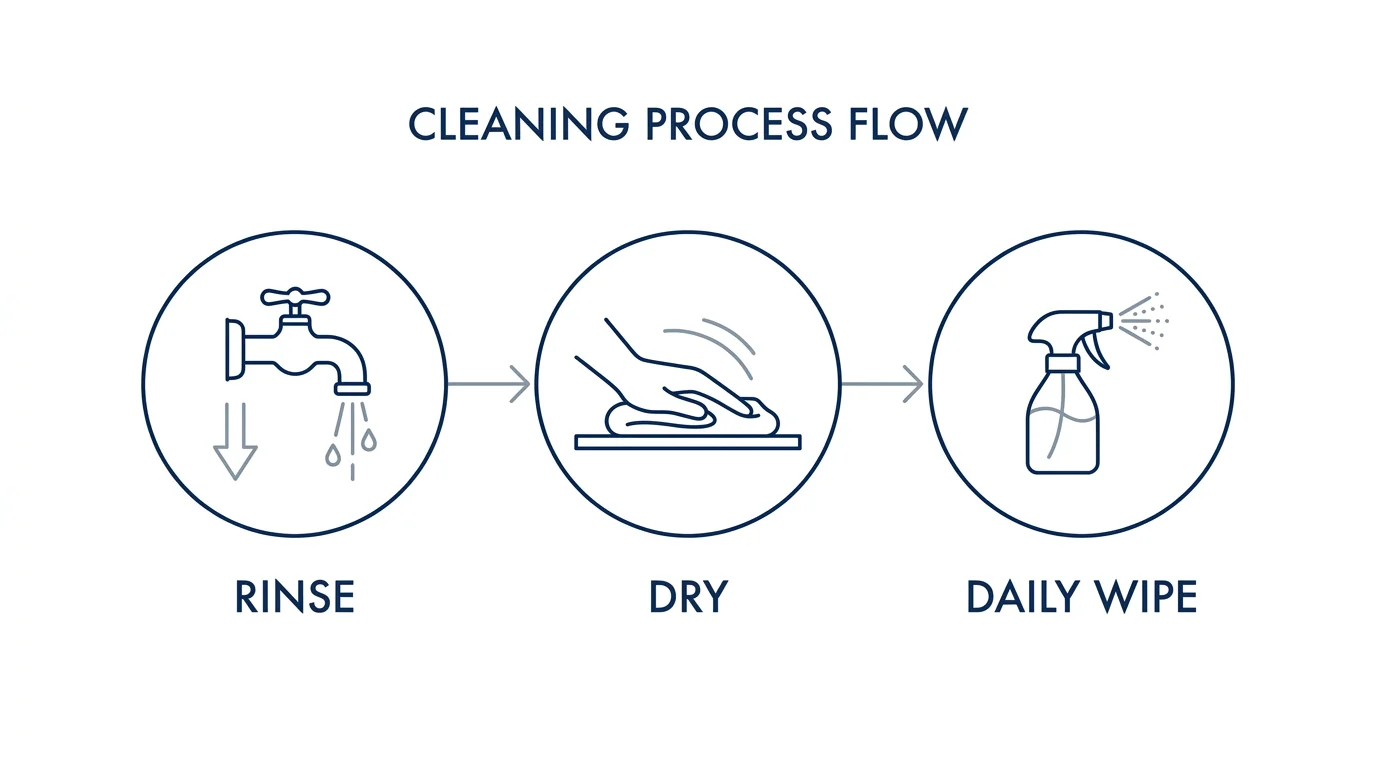
Simple Habits to Keep Your Sink Sparkling Longer
Cleaning your sink is only half the battle; keeping it clean requires a few low-effort daily habits. Implementing a basic maintenance routine prevents massive buildup, meaning you spend less time scrubbing on the weekends. Use the table below to structure your sink care routine.
| Frequency | Action Step | Why It Matters |
|---|---|---|
| Daily | Wipe the basin dry after washing the final dinner dishes. | Standing water evaporates and leaves behind mineral deposits, creating dull, cloudy spots on your finish. |
| Daily | Empty the drain strainer into the trash. | Leaving food in the strainer promotes bacterial growth, attracts pests, and causes unpleasant odors to fill the kitchen. |
| Weekly | Apply the hydrogen peroxide spray or the dish soap degreaser. | A weekly deep clean removes invisible bacteria and breaks down thin layers of grease before they harden into tough grime. |
| Monthly | Flush the plumbing with the baking soda and vinegar mix. | Regularly clearing the pipes prevents major clogs from forming and neutralizes lingering odors deep within the plumbing system. |
By sticking to this simple schedule, you will rarely need to rely on heavy-duty scrubbing to achieve a beautiful shine.
Take Action Today
Grab a bottle of dish soap and a clean microfiber cloth right now, and give your sink basin a quick two-minute wash and dry. Experiencing that instant, satisfying gleam will motivate you to keep your kitchen clean all week long.