Reclaiming your home from clutter starts by recognizing the difference between items that genuinely save effort and those that just gather dust. Many specialized cleaning tools promise to eliminate scrubbing and simplify daily chores, yet they demand more setup and storage space than traditional methods. By identifying these overhyped gadgets, you can stop wasting money on products you will barely touch and focus on versatile essentials that actually streamline your routine. Knowing which devices drain your budget empowers you to make smarter purchases, clear out precious cabinet space, and build a highly efficient system keeping your living spaces spotless without unnecessary frustration.
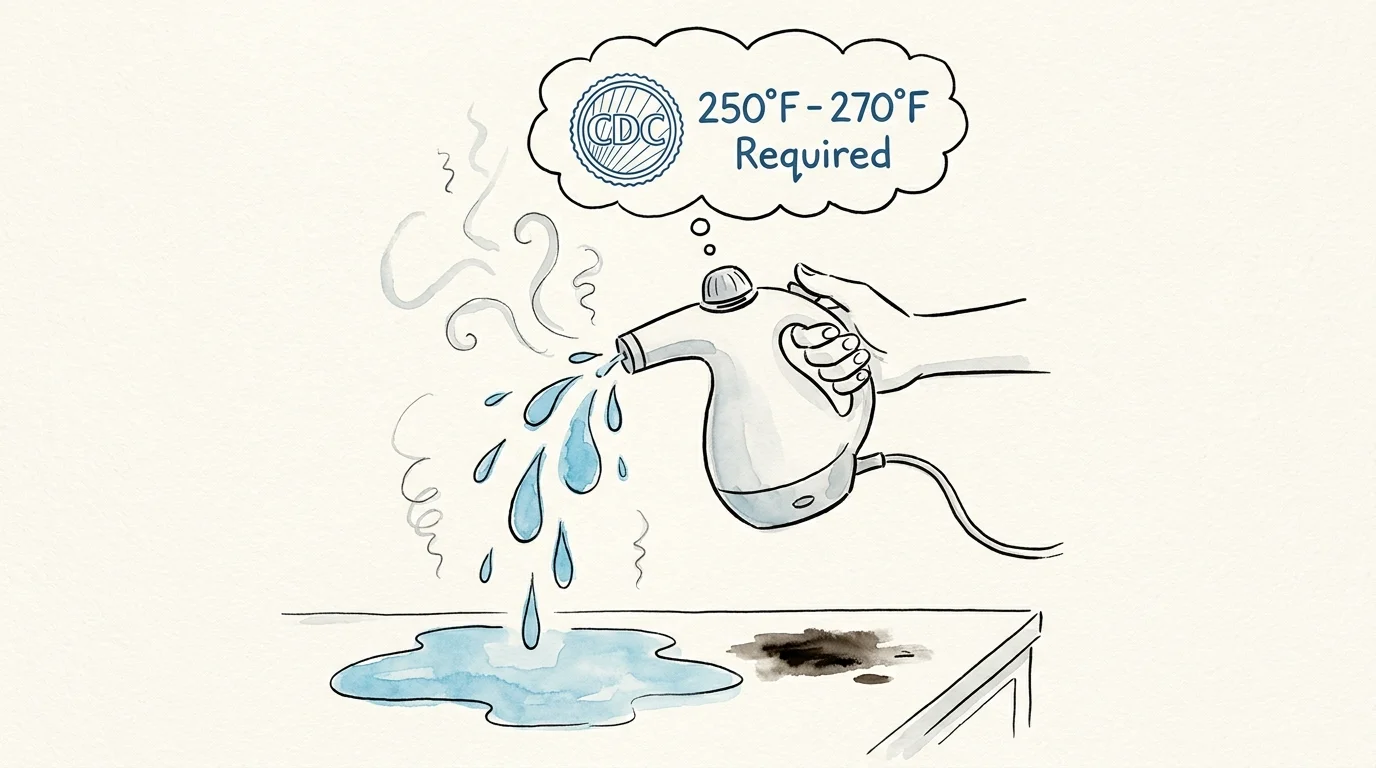
01 Handheld Steam Cleaners
You buy a handheld steamer envisioning a device that effortlessly blasts away years of baked-on kitchen grease and sanitizes your countertops with a quick wave. Social media makes these tools look like magic wands for grout lines and oven doors. In reality, compact handheld steamers lack the sustained pressure and high temperatures required for true sanitization or heavy-duty cleaning. According to the Centers for Disease Control and Prevention (CDC), achieving actual steam sterilization requires maintaining specific high temperatures—typically between 250 degrees Fahrenheit and 270 degrees Fahrenheit—for several minutes at a minimum under pressure. A small reservoir steamer loses heat the moment the steam hits the ambient air, meaning you are often just spraying warm moisture onto your counters.
Furthermore, the tiny water tanks deplete rapidly. You spend ten minutes waiting for the machine to heat up, use it for three minutes, and then have to wait for the pressurized cap to cool down before you can safely refill it. This start-and-stop process turns a twenty-minute chore into an all-day event. The nozzles frequently spit out scaling hot water alongside the steam, leaving puddles you still have to wipe up manually.
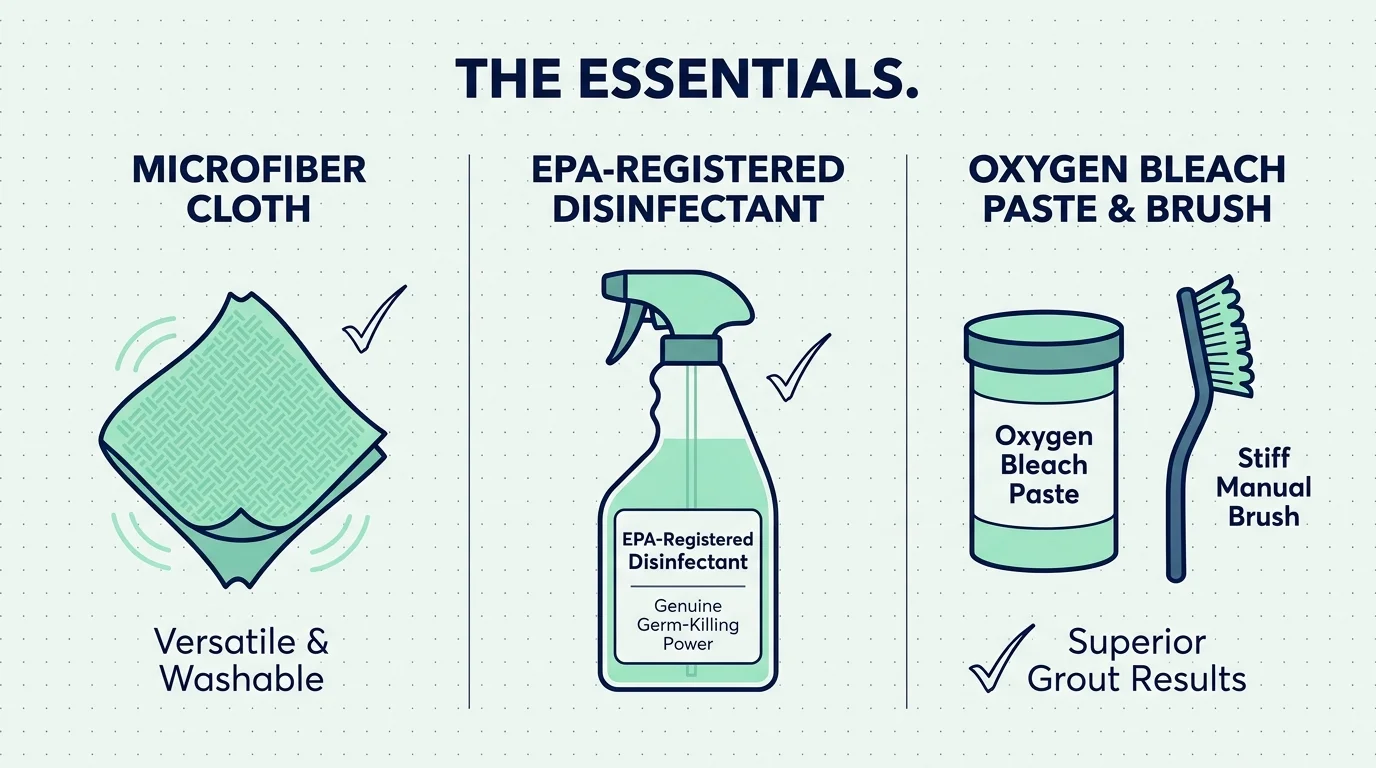
Instead of fighting with a heavy, sputtering gadget, opt for a high-quality chemical degreaser or an EPA-registered surface disinfectant for genuine germ-killing power. Spray the solution, let it sit for the recommended contact time on the label, and wipe it away with a dry microfiber cloth. If you need to tackle heavily soiled floor grout, an oxygen bleach paste and a stiff manual brush will yield vastly superior results compared to a small steamer. You will save significant time, physical effort, and utility closet space.
02 Bulky Upright Carpet Shampooers
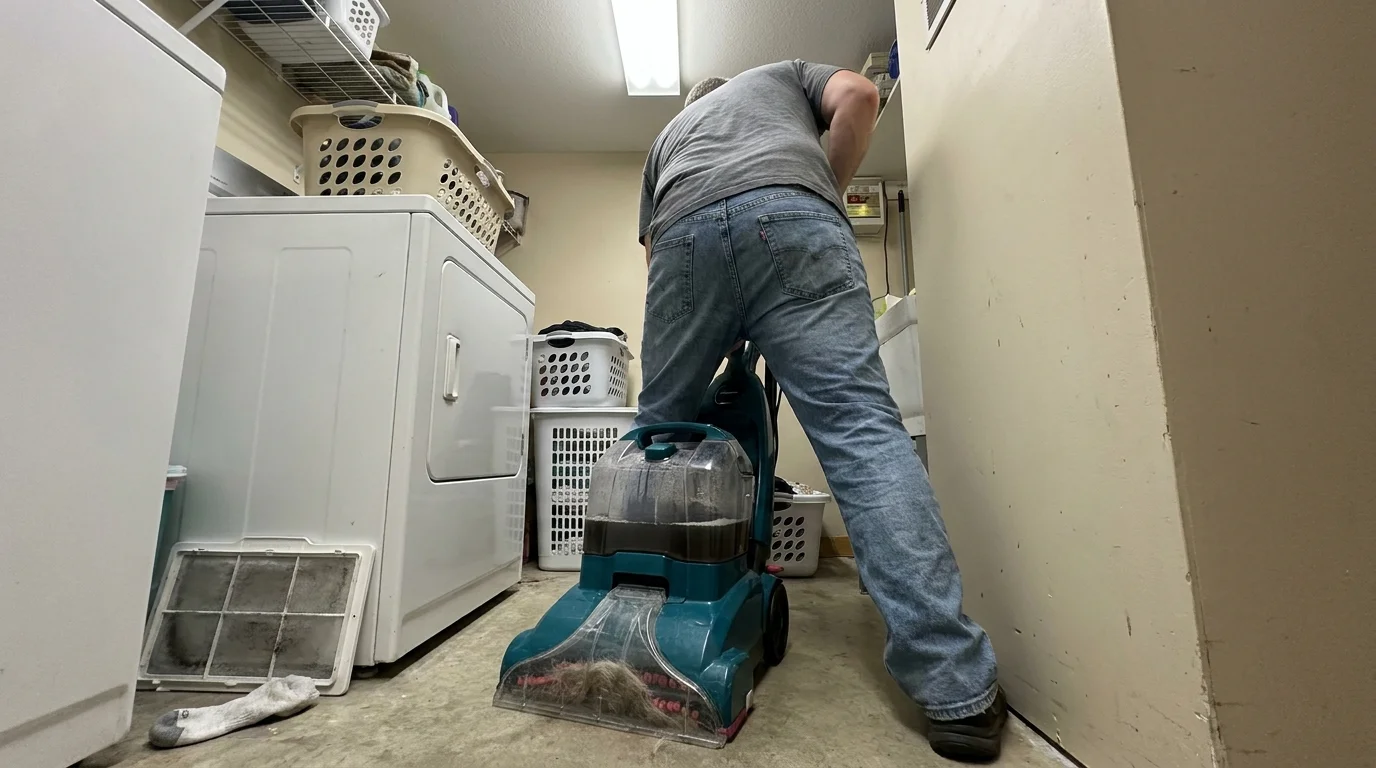
Owning a massive upright carpet cleaner seems like the ultimate move for maintaining pristine floors, especially if you share your home with pets or young children. The promise of pulling gallons of dirty water out of your living room rug is highly satisfying. However, these machines are incredibly bulky, heavy, and difficult to maneuver around your furniture. They dominate valuable real estate in your utility closet and usually only see action once or twice a year.
The hidden burden of owning a full-sized carpet shampooer lies in the rigorous maintenance it demands. After you finish cleaning your floors, you face the tedious task of cleaning the machine itself. You must rinse out the dirty water tank, scrub the brush rolls, and clear the nozzles of wet pet hair. If you fail to let the entire unit dry completely before putting it away, mold and mildew will grow inside the hoses. The next time you turn the machine on, it will blow a foul, musty odor directly into your carpets. Furthermore, the plastic water tanks and rubber squeegees frequently crack or degrade when stored in hot garages or freezing basements.
Instead of spending upwards of 200 to 350 dollars on a machine that will sit idle, rent a commercial-grade unit when you actually need one. For example, a Rug Doctor rental costs roughly 40 dollars for a 24-hour period at most grocery and hardware stores. You get a powerful, professional-level clean without the long-term storage or maintenance headaches. For daily maintenance and sudden spills, keep a small, portable spot-cleaning vacuum on hand; it takes up a fraction of the space and handles the vast majority of your routine carpet emergencies.

03 UV Light Sanitizing Wands
During heightened seasons of cold and flu, UV light wands flood the market with claims that they can kill germs, viruses, and bacteria on your phone, packages, and countertops in seconds. The idea of waving a light over your belongings to sterilize them appeals to our desire for quick, chemical-free cleaning. Unfortunately, the consumer-grade UV wands sold online are either entirely ineffective or dangerously overpowered.
To actually destroy pathogens, UV-C light requires a specific intensity and sustained exposure time. Quickly sweeping a wand over a surface does not provide enough dwell time to break down viral cells. Even more concerning, the U.S. Food and Drug Administration (FDA) issued severe safety warnings regarding several brands of these wands. FDA testing revealed that some products emit up to 3,000 times the recommended exposure limit of UV-C radiation. Using these defective devices can cause severe burns to your skin and permanent damage to your eyes in a matter of seconds.
Additionally, UV light cannot remove physical soil. If you wave a sanitizing wand over a sticky countertop or a raw chicken spill, the physical mess remains exactly where it was. Protect your health and your wallet by skipping these gimmicky wands entirely. If you need to sanitize high-touch items like your smartphone, keys, or doorknobs, use a simple isopropyl alcohol wipe or a standard household disinfectant spray. These proven methods require no batteries, pose zero radiation risks, and provide reliable, immediate results when used according to the package directions.
04 Motorized Spin Scrubbers on Extension Poles
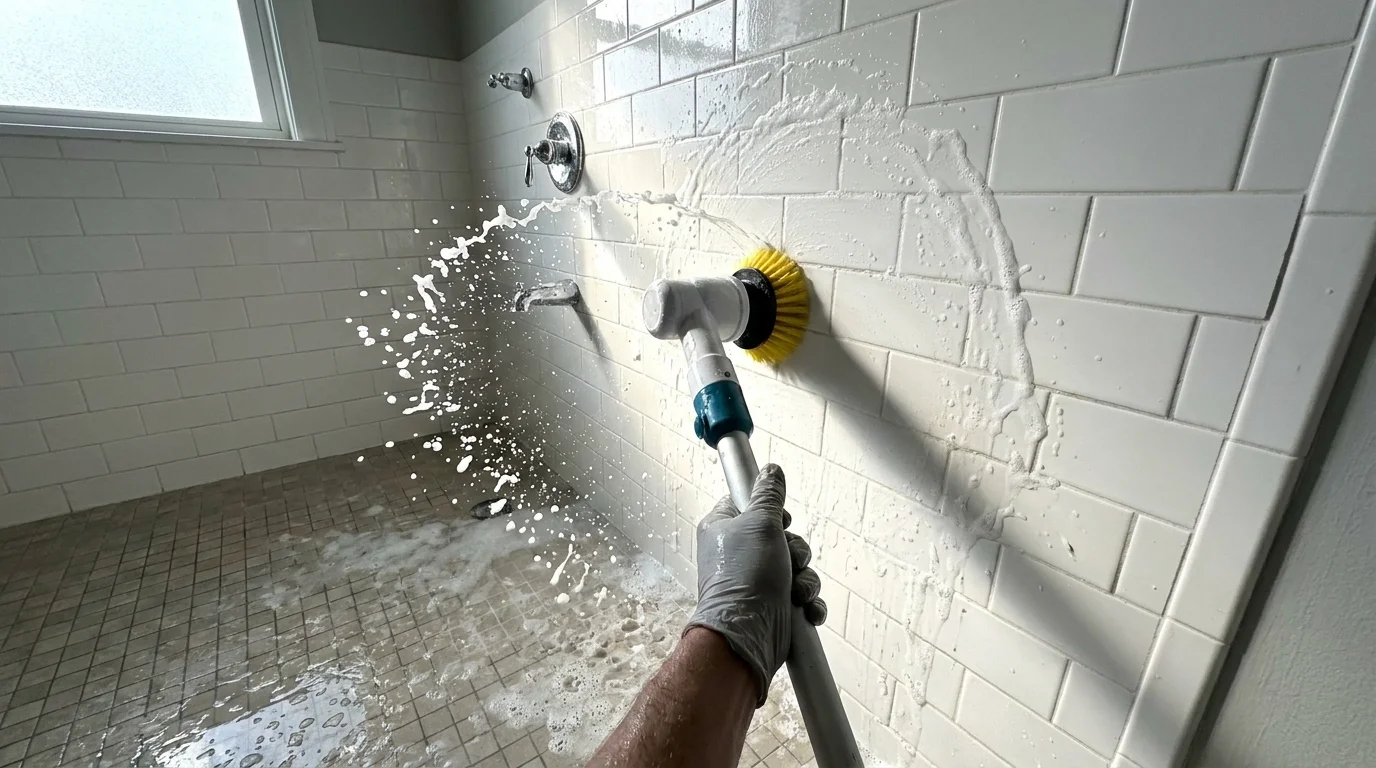
Bending over the bathtub to scrub soap scum off the tile is universally despised. Motorized spin scrubbers—featuring a rotating brush head attached to a long, telescoping pole—market themselves as the ultimate back-saving solution. You charge the battery, turn it on, and let the rotating bristles do the hard work while you stand comfortably outside the shower.
While they spin impressively in the air, often boasting speeds of 300 to 400 revolutions per minute, these devices suffer from a fatal flaw: a severe lack of torque. The moment you press the brush head firmly against a stubborn hard water stain, the motor bogs down or stalls completely. You cannot apply the necessary downward pressure to remove severe grime without stopping the brush. Furthermore, the long extension pole creates an awkward leverage point; wrestling a vibrating, spinning brush at the end of a four-foot stick quickly fatigues your arms and wrists. Battery degradation is another major issue. A tool you only use once a month will often have a dead battery right when you need it, forcing you to wait four hours for it to charge before you can clean your bathroom.
For light, weekly maintenance, they might suffice, but they fail utterly at deep cleaning tasks. If you want motorized scrubbing power without the weak motor, attach a specialized drill-brush to your cordless power drill. Your drill provides significantly more torque and will not stall under pressure. Alternatively, buy a high-quality manual scrub brush with a comfortable, ergonomic grip. Pair it with a foaming bathroom cleaner that breaks down soap scum chemically, allowing you to wipe away the grime without relying on physical force or battery-powered gadgets.
05 Automated Robot Mops
Robot vacuums have revolutionized daily floor maintenance, so it seems logical that a robot mop would eliminate the need for a bucket and a sponge. You fill the small tank, attach a pad, and let the machine navigate your kitchen while you relax on the couch. Yet, many buyers quickly realize that automated mopping is far more complicated and far less effective than automated vacuuming.
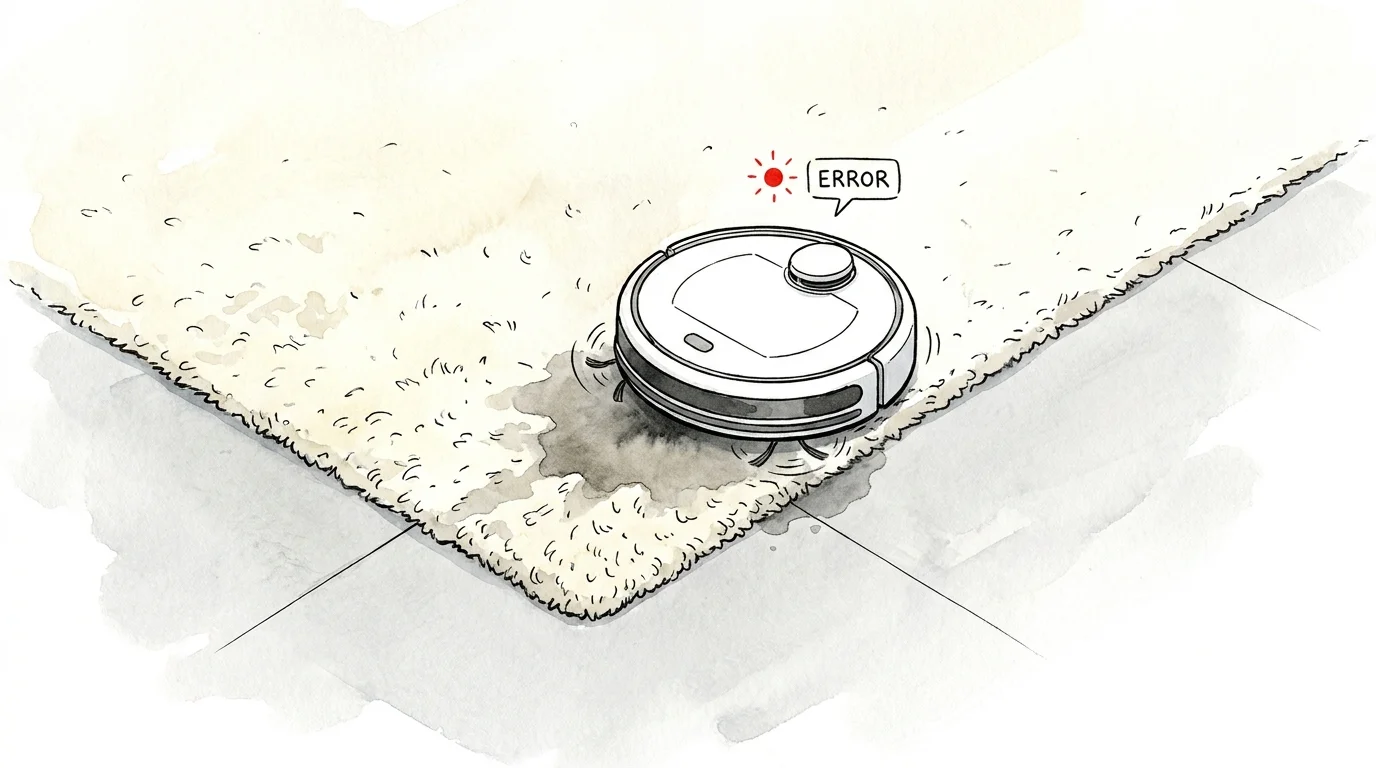
The primary issue is pad capacity. A robot mop drags a single, small cloth pad across your entire floor plan. It might effectively wipe up light dust in the first few feet, but once that pad becomes saturated with dirt, the machine spends the rest of its battery life smearing muddy water across your home. Unlike a human, the robot does not know when to stop and rinse the mop head. Floor topography creates another massive hurdle. If you have textured tile, the flat mop pad just glides over the high points, leaving the low points and grout lines completely untouched and filthy.
Additionally, the prep work is exhausting. You must roll up all your area rugs, move dining chairs, and ensure no cords are on the floor; otherwise, the robot will get stuck or soak your carpets. You will achieve a much cleaner floor with a manual flat microfiber mop system. These systems allow you to control the amount of liquid you apply to the floor. When the microfiber pad gets dirty, you simply rip it off the hook-and-loop base, toss it in the laundry basket, and attach a clean pad. You can successfully mop an average-sized kitchen manually in the exact same amount of time it takes just to prep the room for a robot.
06 Multi-Pronged Blind Dusters
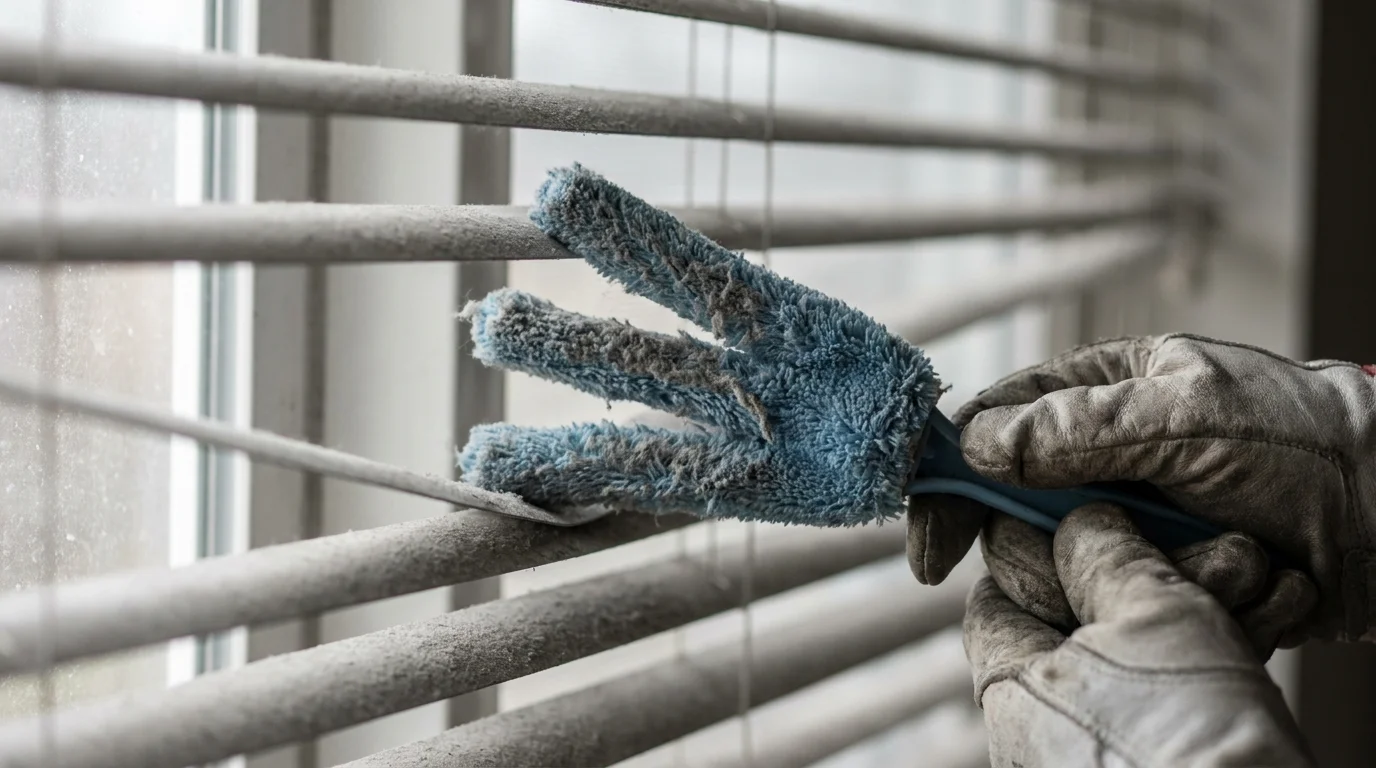
Venetian and faux-wood blinds act as absolute magnets for household dust, pet hair, and airborne cooking grease. To speed up the chore, people purchase specialized blind dusters featuring three or four microfiber-covered prongs designed to clean multiple slats simultaneously. In theory, wiping three slats at once cuts your cleaning time significantly.
In practice, using these gadgets requires frustrating, tedious precision. You have to carefully thread each prong over the individual slats, which often causes the blinds to sway, tangle, or unhook from their plastic clips entirely. Once the microfiber sleeves accumulate dust, they lose their static grip and simply push the dirt around, causing clumps of dust to fall onto your floors. Removing the tight microfiber sleeves to wash them—and then wrestling them back onto the plastic prongs once they are dry—adds an entirely unnecessary layer of maintenance to your laundry routine.
Skip the hyper-specialized gadget and utilize items you already own. Put a slightly damp microfiber cloth—or even an old, clean cotton sock—over your hand. Grip the blind slat between your thumb and fingers and slide your hand from left to right. Your hand naturally adapts to the shape and thickness of the slat, allowing you to clean both the top and bottom simultaneously without snagging the strings. You can even put a sock on both hands to work twice as fast. For heavier dust buildup, use the soft brush attachment on your vacuum cleaner to pull the dry debris away before you wipe.
07 Novelty Microwave Steamers
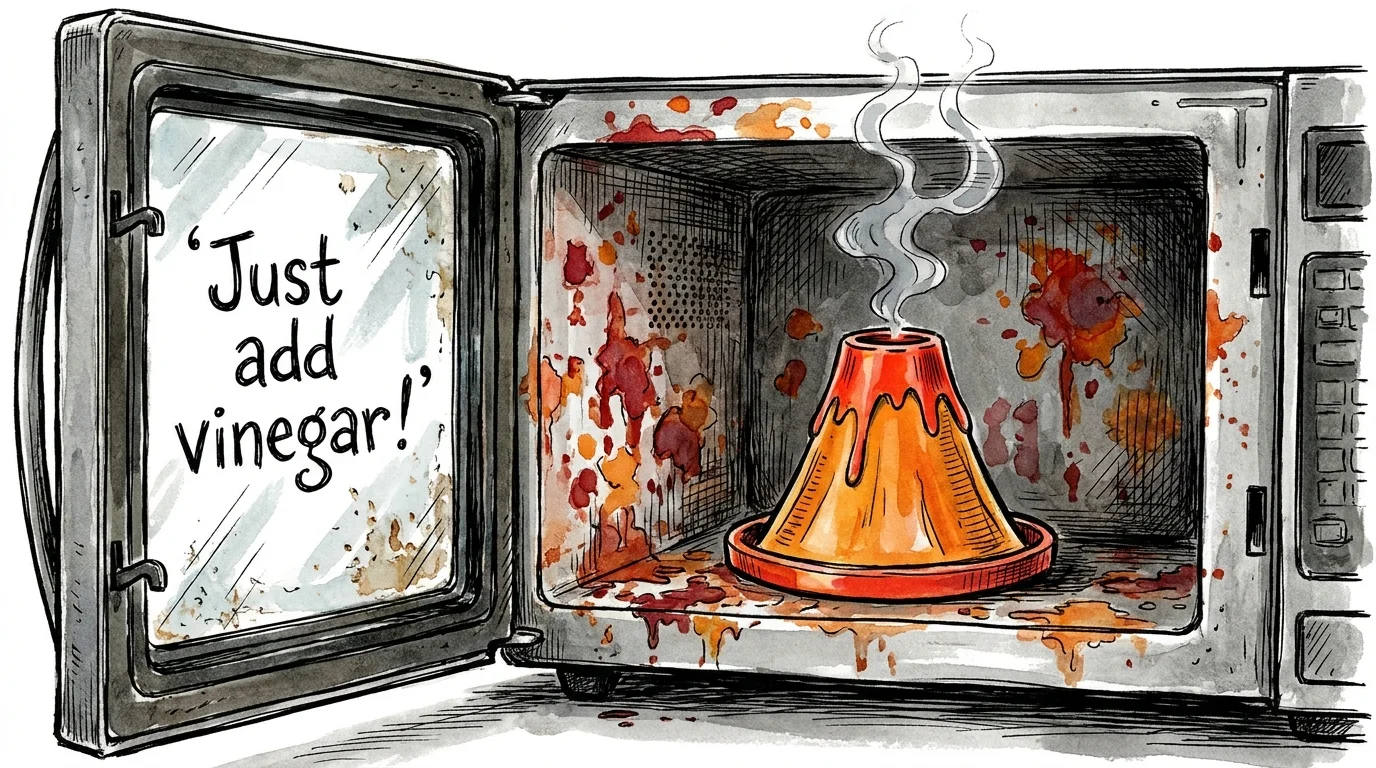
You have likely seen the brightly colored plastic gadgets shaped like an angry volcano or a little chef designed to sit inside your microwave. The instructions tell you to fill the hollow plastic body with water and vinegar, then run the microwave for a few minutes. As the liquid boils, steam shoots out of the gadget’s top, softening the dried spaghetti sauce and exploded butter coating the interior walls.
The steam-cleaning method itself is highly effective, but the plastic novelty gadget is a complete waste of money. It provides zero additional cleaning benefit while taking up unnecessary space in your crowded kitchen drawers. The gadget is often difficult to pry open when filling it, dangerously hot to the touch when removing it from the microwave, and just one more single-use item you have to hand-wash, dry, and store.
You can achieve the exact same steam-cleaning results using a standard kitchen bowl. Fill a microwave-safe ceramic or glass bowl with one cup of tap water and two tablespoons of white household vinegar. Microwave the mixture on high for five minutes until the liquid boils and heavily steams the interior. Leave the microwave door closed for an additional two minutes to trap the hot steam, allowing it to penetrate the stubborn food residue. Carefully remove the hot bowl using an oven mitt, and simply wipe the inside of your microwave clean with a damp cloth. You save money, conserve drawer space, and get a sparkling clean appliance.
What to Buy Instead: The Essential Cleaning Checklist
Instead of buying single-use gadgets that gather dust and drain your budget, build a streamlined cleaning kit based on versatility and reliable performance. A professional-grade clean relies on the following essential tools:
- Microfiber Cloths: Purchase a bulk pack of high-quality microfiber towels. They trap dust, polish glass without leaving streaks, and easily absorb liquid spills. Wash them separately from cotton towels to maintain their static charge.
- A Flat Microfiber Mop: Choose a sturdy mop with a telescoping aluminum handle and interchangeable, machine-washable pads. Use it dry to sweep up pet hair or damp for mopping hard floors.
- A Manual Scrub Brush: Invest in a stiff-bristled brush with an ergonomic, rubberized handle. You can control the pressure to tackle severe grout stains without relying on a weak battery.
- A Quality Vacuum with Attachments: A vacuum equipped with a crevice tool and a soft dusting brush eliminates the need for specialized dusters. Use it on baseboards, blinds, upholstery, and ceiling fans.
- A Cordless Drill Brush Kit: If you truly need motorized scrubbing power for severe shower grime or tire rims, a brush attachment on your standard power drill provides unmatched torque and speed.
Take ten minutes today to open your utility closet or under-sink cabinet and pull out one cleaning tool you have not used in the last six months. Donate it, recycle it, or throw it away to instantly create more breathing room in your storage spaces.