The cabinet beneath your kitchen or bathroom sink looks like the ideal storage spot, but treating it as a household catch-all puts your home and family at risk. Because this dark, confined area houses active plumbing and electrical lines, it is uniquely prone to hidden moisture, pipe leaks, and dangerous heat fluctuations. Storing the wrong items here inevitably leads to accidental poisonings, ruined appliances, and rapid mold growth. To protect your family and your belongings, you need to completely rethink what lives behind those lower doors. Here are the specific items professional organizers and safety experts immediately remove from under the sink, why they are dangerous, and exactly where you should store them instead.
Harsh Chemicals and Bleach
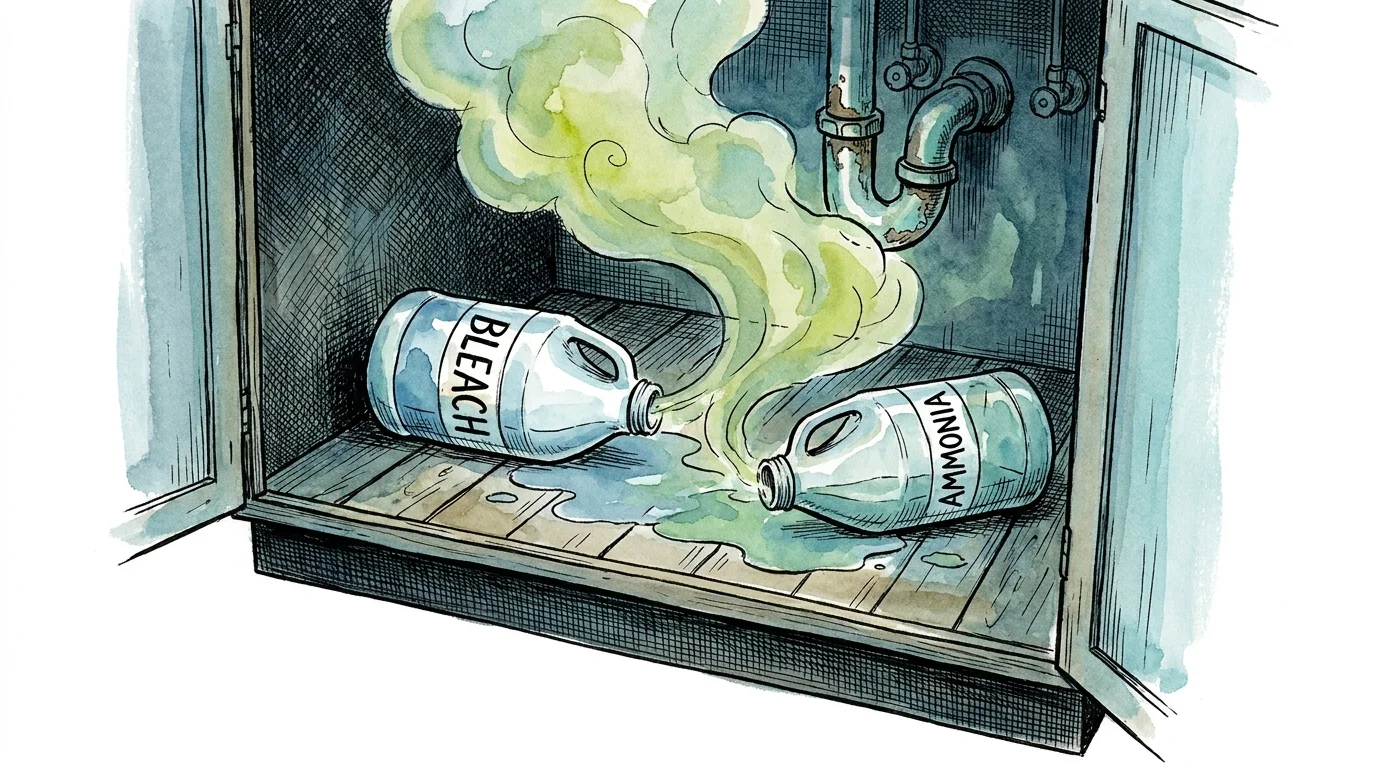
You might assume the space beneath your kitchen sink is the logical home for heavy-duty cleaners, but keeping harsh chemicals like bleach, ammonia, and oven degreasers in this low-level cabinet is a severe safety hazard. First and foremost, this location is highly accessible to young children and pets who naturally explore at ground level. Plumbers and home organizers also warn against the structural risks of storing reactive chemicals in a cramped, dark space. Because you frequently reach into this cabinet to grab dish soap or a fresh sponge, it is incredibly easy to knock over unsecured, heavy bottles.
Over time, plastic containers naturally degrade in the humid under-sink environment, and heavy spray bottles can easily crack if they fall against a hard plumbing pipe. The real danger emerges if different chemical compounds mix due to a leak. If a bottle of bleach tips over and leaks into a puddle of spilled ammonia-based glass cleaner, the combination instantly produces chloramine gas—a highly toxic vapor that causes immediate respiratory distress. To prevent dangerous chemical reactions and accidental exposures, follow Environmental Protection Agency (EPA) guidelines for managing household hazardous waste. Store your aggressive chemical cleaners in a dedicated, high-level cabinet in your utility room or garage. Ensure this alternative location remains cool and dry, and always keep toxic liquids locked securely out of reach of curious hands.
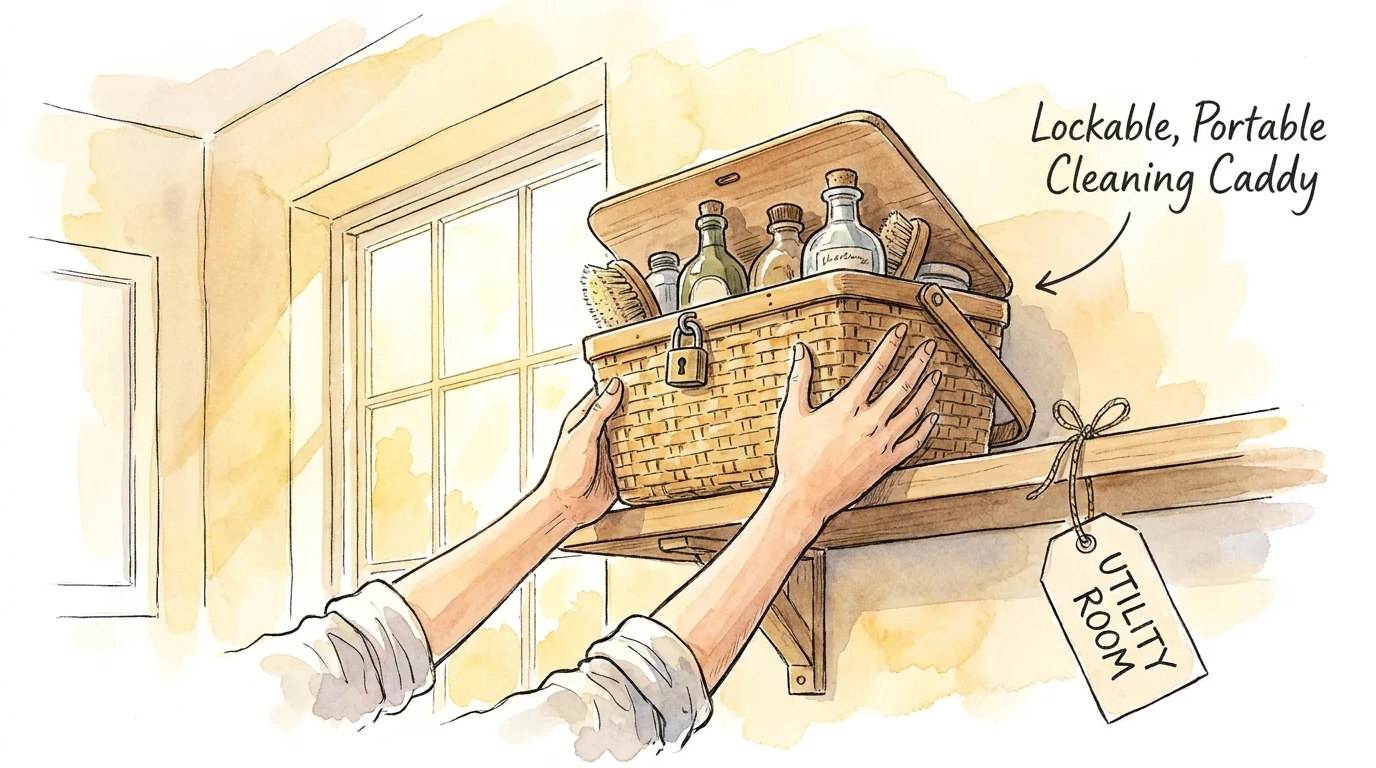
If you prefer to keep a few powerful cleaners indoors for routine deep cleaning, invest in a lockable, portable cleaning caddy. A rigid plastic caddy allows you to carry exactly what you need to the kitchen or bathroom, and then safely return the entire batch of chemicals to a locked laundry room shelf when you finish the job. By treating your harsh cleaners like specialty tools rather than permanent kitchen fixtures, you drastically reduce the risk of accidental chemical exposure in your main living space.
Dishwasher Pods and Colorful Detergents
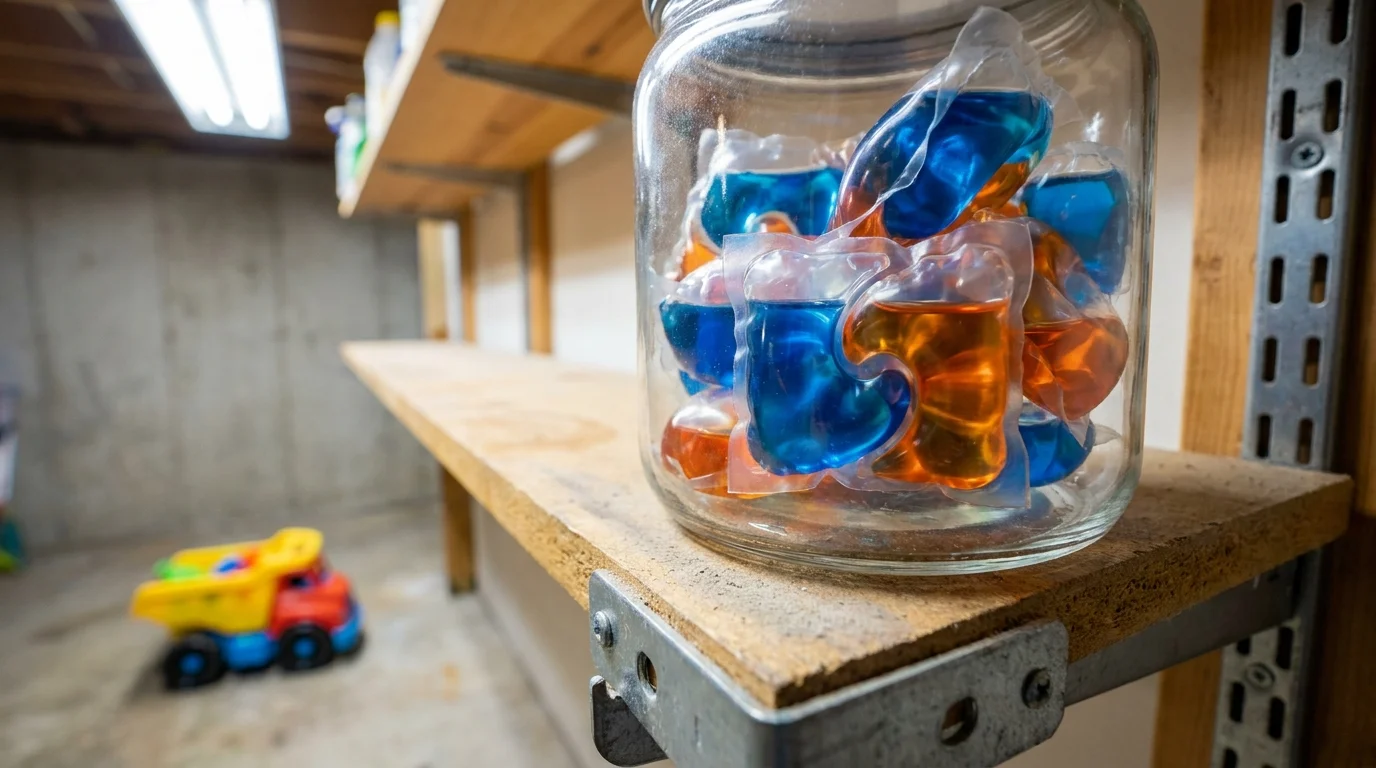
Single-use dishwasher and laundry pods have revolutionized daily chores, but they are incredibly dangerous when stored below waist level. These highly concentrated detergent packets are engineered to dissolve quickly in water, meaning the outer membrane begins to melt the second it touches saliva or wet hands. To a toddler or a curious dog, these squishy, brightly colored packets look exactly like candy or a chew toy. Because the liquid inside is pressurized and highly caustic, biting into a pod shoots the concentrated detergent directly into the throat and lungs, causing severe internal chemical burns and life-threatening airway swelling.
The danger is so prevalent that the American Association of Poison Control Centers—reachable at Poison.org or 1-800-222-1222—routinely handles thousands of emergency calls each year regarding young children who have ingested detergent pods. Never rely on the under-sink cabinet doors to keep kids out, even if you install standard childproof latches. Resourceful toddlers frequently figure out how to bypass basic plastic locks.
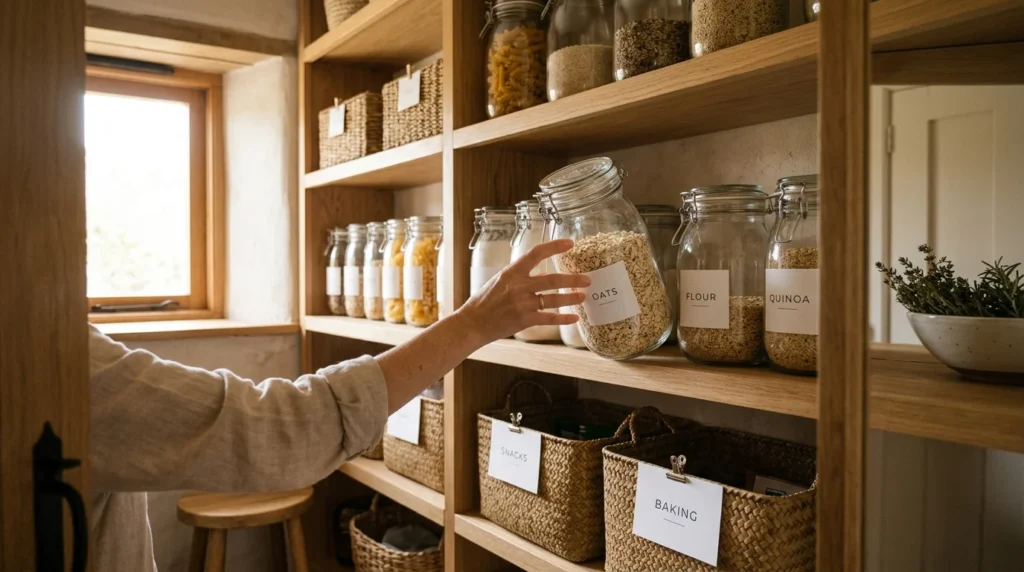
Instead of risking an emergency room visit, immediately relocate all detergent pods, colorful liquid soaps, and scented cleaning beads to a high cabinet located far above the reach of children. Keep the pods in their original, opaque, child-resistant packaging. While transferring brightly colored pods into clear glass jars looks aesthetically pleasing on social media, doing so removes critical safety warnings and makes the toxic contents look even more appetizing to young children. Store them high, keep them hidden, and preserve their original safety labels.
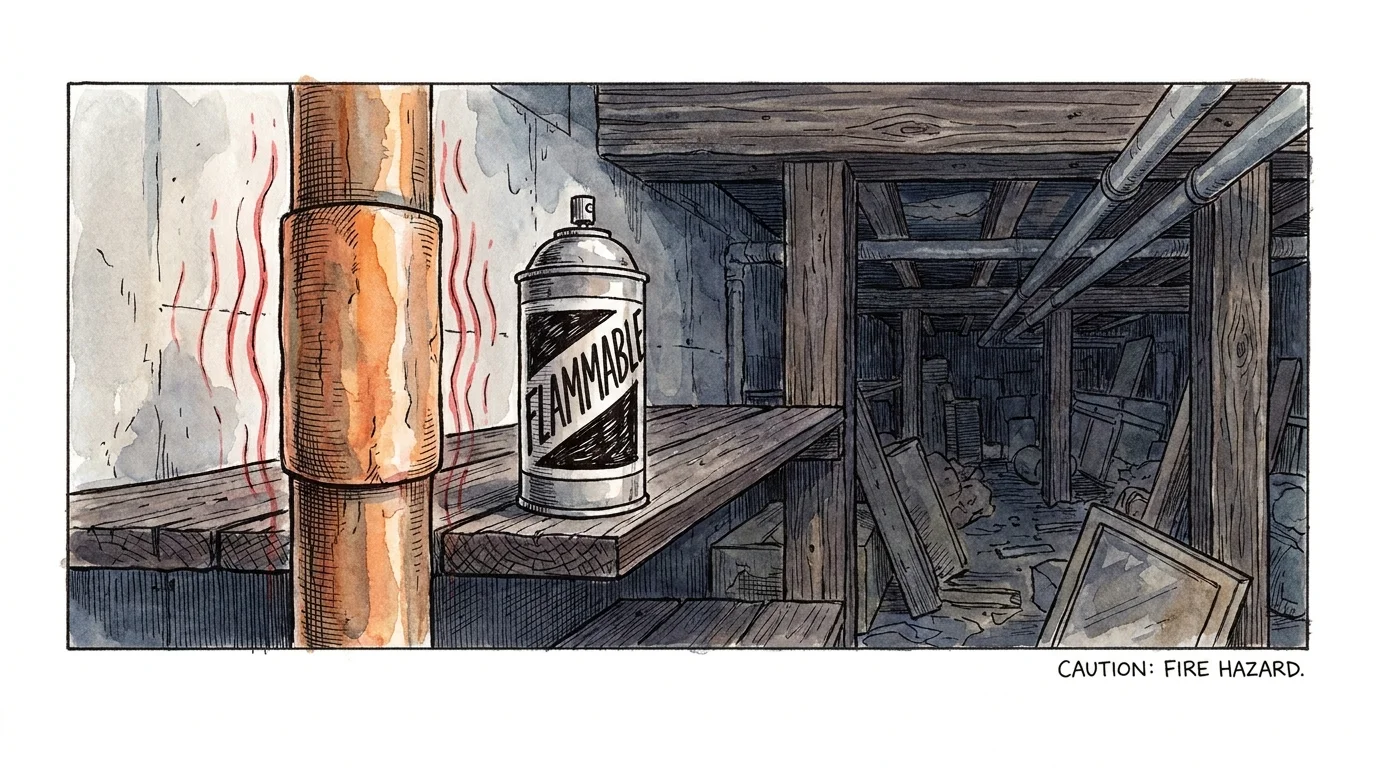
Flammable Solvents and Aerosol Sprays
The cabinet below your sink often serves as a hidden mechanical room for your kitchen. In most modern homes, this cramped space houses the electrical motor for a heavy-duty garbage disposal, the plug for a hot water dispenser, or the wiring for a built-in dishwasher. Because these electrical components generate heat and occasional microscopic sparks when they cycle on, storing flammable items nearby creates a major fire hazard.
Items like aerosol furniture polishes, spray disinfectants, WD-40, paint thinners, and even highly concentrated rubbing alcohol emit volatile vapors. If a rusted aerosol can develops a micro-leak, or if the cap on a bottle of solvent loosens, those flammable vapors will pool inside the unventilated cabinet. The moment you flip the switch to run your garbage disposal, the motor can generate a tiny electrical arc. If flammable vapors have collected in the enclosed space, that single spark can ignite the gas, causing a flash fire directly inside your kitchen cabinetry.
According to general electrical safety guidelines from the Consumer Product Safety Commission (CPSC) and local fire departments, flammable liquids and pressurized aerosols must be kept entirely away from heat sources and electrical appliances. Gather up any aerosol cans, oil-based wood polishes, and chemical solvents currently sitting under your sink. Move them to a well-ventilated, detached garage or a specialized metal storage cabinet in a utility shed. Keeping flammables away from indoor plumbing appliances ensures your home remains safe from entirely preventable combustion risks.
Paper Towels and Cardboard Products
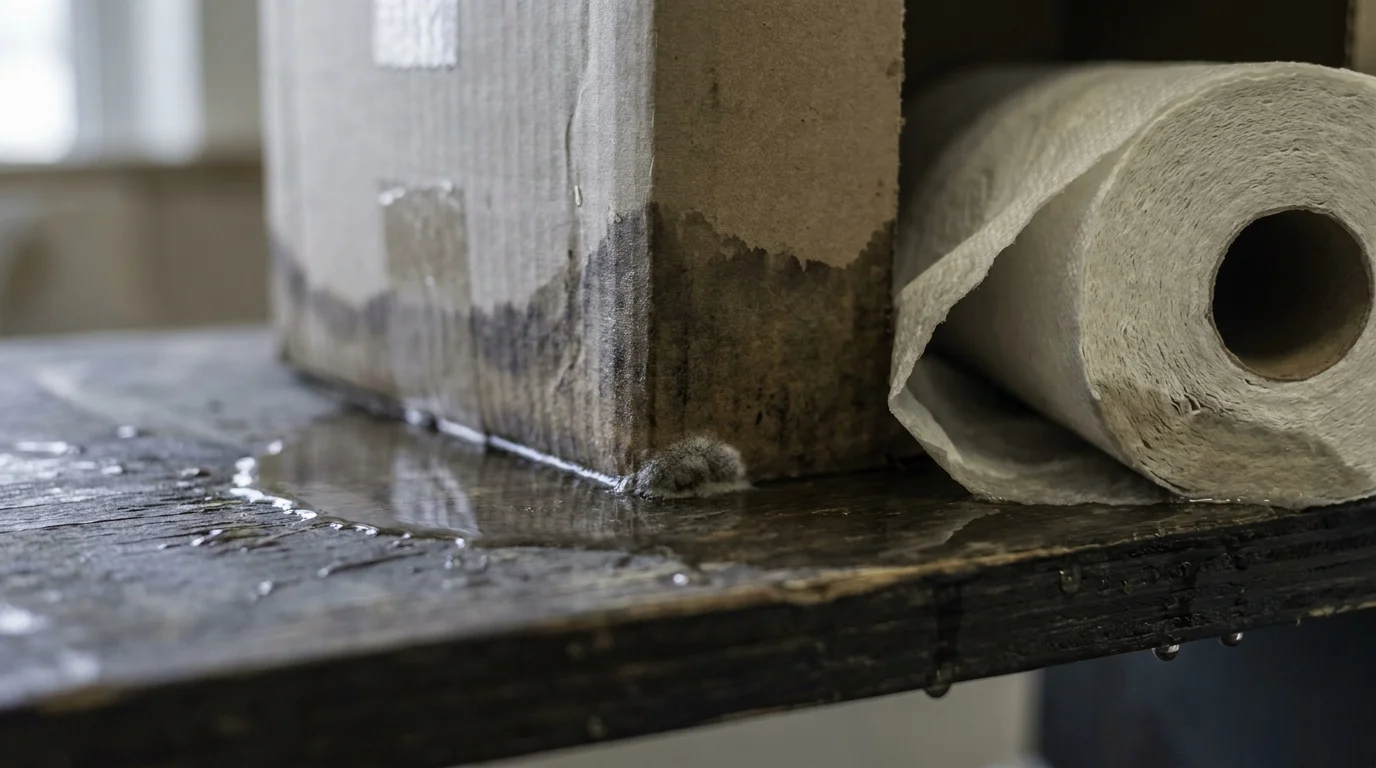
When you buy paper towels, trash bags, or tissues in bulk, shoving the excess rolls and cardboard boxes under the kitchen sink feels like a logical space-saving move. However, this environment is arguably the worst possible place to store porous paper goods. Even without an active, dripping leak, the plumbing under your sink creates its own unique microclimate. Cold water supply lines naturally sweat and produce condensation during warmer months, while hot water pipes radiate warmth. With the cabinet doors shut, this combination creates a stagnant, highly humid environment.
Cardboard boxes and paper towels consist of cellulose, a highly porous material that readily absorbs ambient moisture directly from the humid air. You do not need a direct plumbing leak to ruin these products; simply sitting in a humid cabinet will leave your paper towels feeling permanently damp and smelling musty. Worse, damp cellulose acts as a perfect food source and incubator for microbial life. The Centers for Disease Control and Prevention (CDC) warns that mold and mildew can establish thriving colonies on damp, porous materials in as little as 24 to 48 hours.
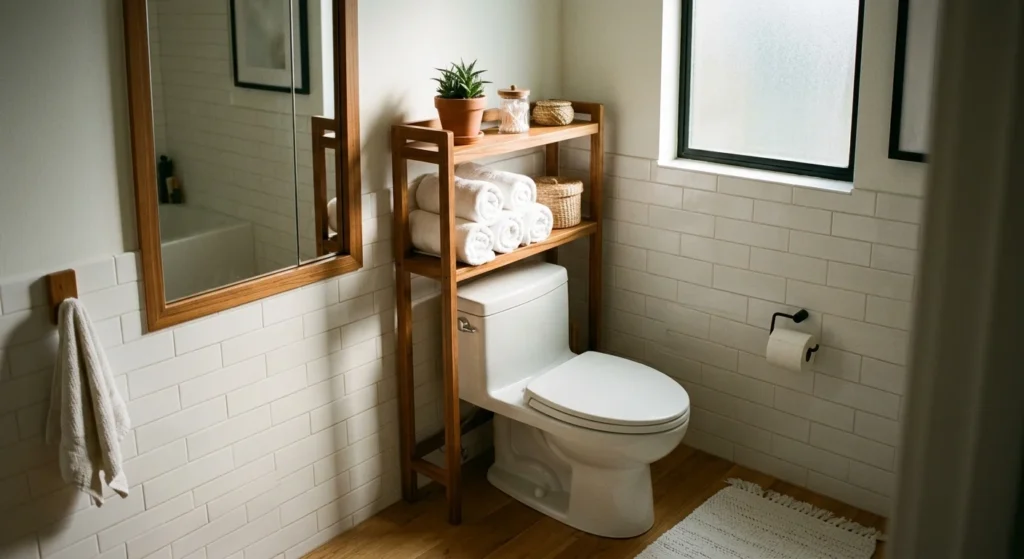
If you leave a cardboard box of trash bags under the sink for a few months, you will likely pull it out to discover a layer of dark green or black mold growing along the bottom edges. This contaminates your cleaning supplies and compromises your indoor air quality. Protect your bulk paper goods by storing them in a completely dry environment. Use the top shelf of a well-ventilated pantry, an over-the-toilet étagère in a bathroom, or a dedicated hallway linen closet. Keep the under-sink area entirely free of cardboard.
Small Kitchen Appliances and Electronics
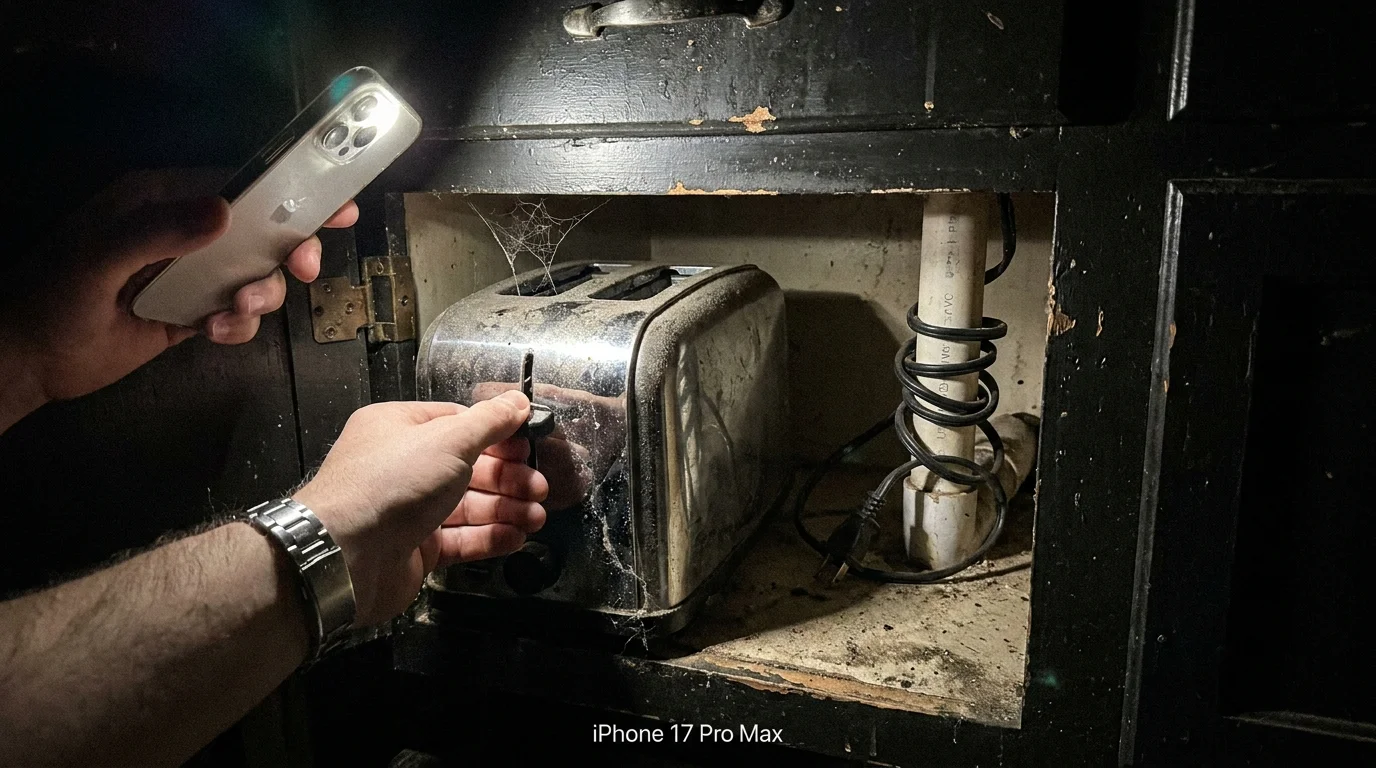
Counter space is valuable real estate in any kitchen. When the counters get cluttered, it is tempting to slide bulky electronic appliances—like slow cookers, immersion blenders, coffee grinders, and handheld vacuums—into the spacious cabinet beneath the sink. Doing so puts your expensive culinary tools directly in the splash zone of a plumbing disaster.
Plumbing leaks rarely announce themselves immediately. A common scenario involves a rubber compression fitting on a cold water line developing a tiny, silent drip. This water slowly travels along the pipe and drips directly down into the motor housing of an immersion blender stored below. Because the leak is slow and hidden in the dark, you might not notice the pooling water for days or even weeks. During that time, the moisture completely corrodes the internal copper wiring and rusts the motor.
When you finally pull the appliance out to puree a soup, the internal circuitry is completely ruined. Plugging a water-damaged appliance into a wall outlet creates an immediate, severe electrical shock hazard and risks short-circuiting your home’s electrical panel. Water and electrical appliances simply do not belong in the same vertical space. Relocate all of your culinary electronics to an appliance garage, a designated deep kitchen drawer, or a high pantry shelf. Reserving dry, climate-controlled cabinets for your electronics extends their lifespan and protects your investment.
Pet Food and Consumables
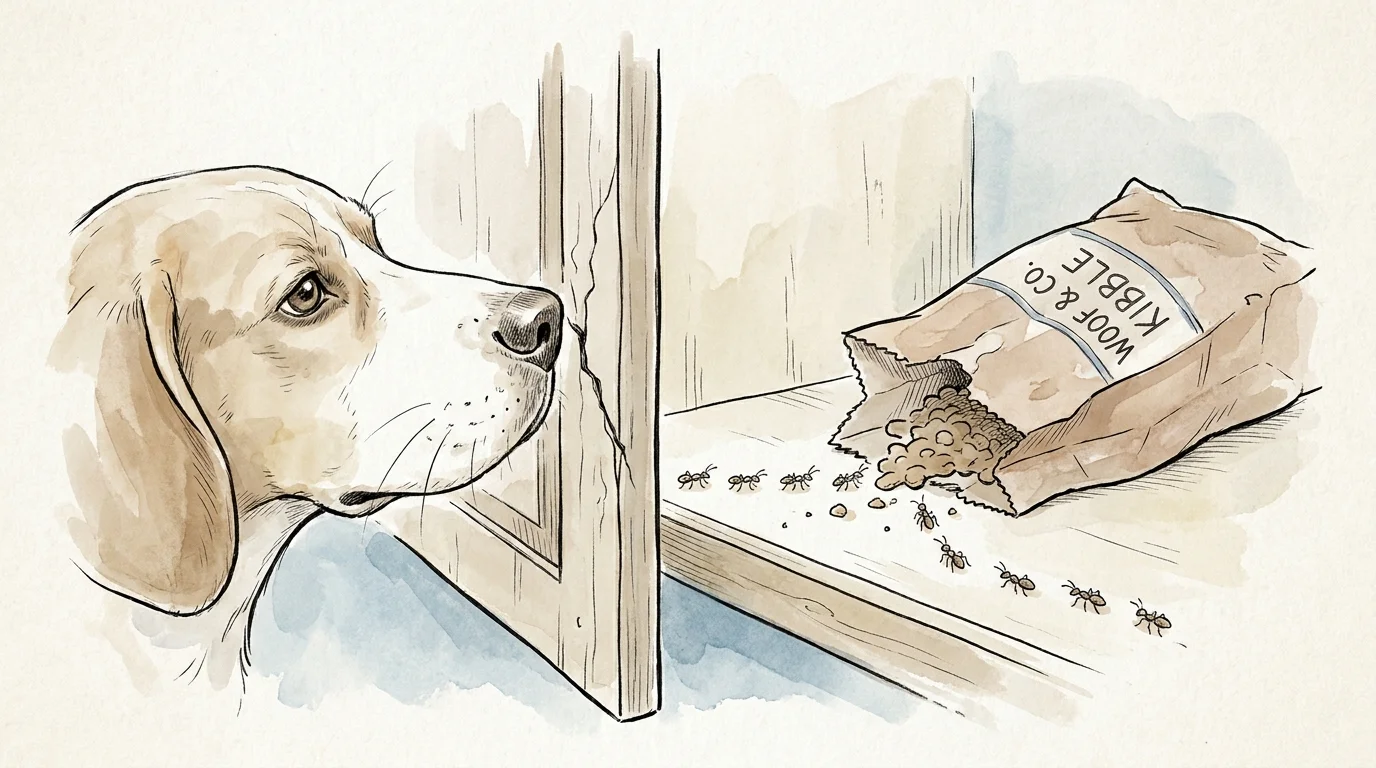
Storing a heavy bag of dog kibble, a box of cat treats, or surplus root vegetables like potatoes and onions under the sink seems incredibly convenient until you understand how household pests operate. Mice, rats, cockroaches, and ants constantly seek out three essential elements to survive: a reliable food source, fresh drinking water, and a dark, undisturbed shelter. The cabinet under your sink provides all three simultaneously.
Rodents frequently navigate a house by following water pipes through wall voids. When they pop out from behind the plumbing and discover a dark, quiet cabinet that offers condensation on the pipes to drink and a paper sack of dog food to eat, they immediately build a nest. A mouse can chew through a heavy paper or thin plastic pet food bag in a matter of minutes, contaminating the entire batch of expensive food with dangerous bacteria and droppings.
Additionally, storing edible items next to household cleaning supplies creates a massive risk of chemical cross-contamination. The pungent fumes from a nearby bottle of pine cleaner or surface spray can easily seep into a permeable paper sack of pet treats. Ingesting chemically tainted food will make your pet incredibly sick. Always keep pet food and human consumables far away from plumbing lines and cleaning chemicals. Transfer dry pet food into heavy-duty, airtight acrylic bins and store them in a dedicated pantry space or a designated feeding station.
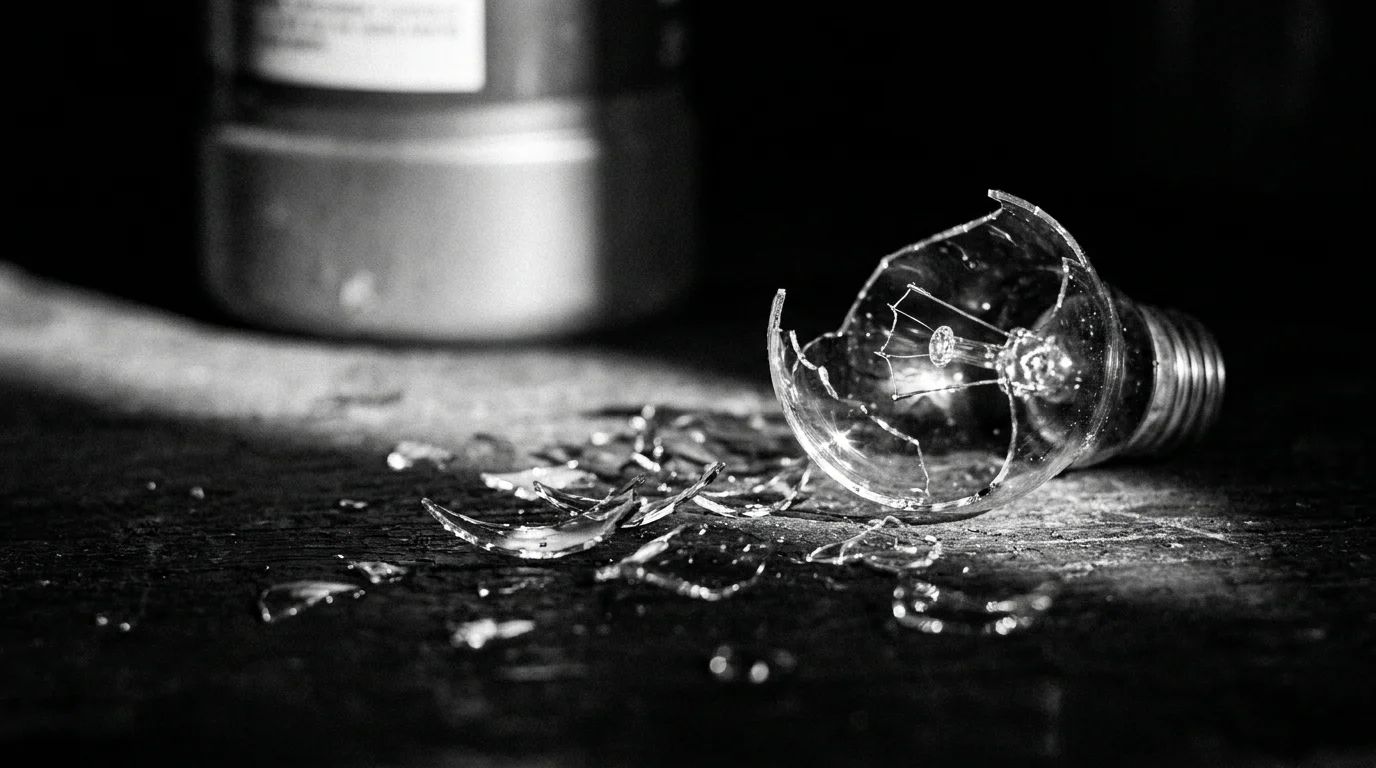
Spare Light Bulbs and Fragile Glass
The cabinet beneath the sink sees heavy, chaotic daily use. You reach in blindly while washing dishes to grab the scrub brush, or you forcefully shove a bulky bottle of dish soap to the back of the cabinet to make room for a bucket. The area itself is an obstacle course of PVC pipes, garbage disposal housings, water filtration hoses, and shut-off valves. If you store spare glass light bulbs or cleaning supplies in fragile glass jars in this environment, you virtually guarantee a breakage.
When delicate glass shatters in this cramped space, the cleanup process is an absolute nightmare. The shards scatter behind the cylindrical garbage disposal, wedge themselves underneath the curving P-trap, and mix with the dust and grime at the back of the cabinet. Attempting to sweep or vacuum up invisible glass fragments in a dark, awkward space where you cannot clearly see your hands puts you at a high risk for severe cuts.
To avoid a hazardous cleanup scenario, remove all fragile glass items from the under-sink area. Always store spare light bulbs in a low-traffic zone, such as a hallway utility closet or a high garage shelf. Keep them safely secured inside their original corrugated cardboard packaging so they do not roll around or bump into other objects. Use shatter-proof plastic bottles for any cleaning supplies you do decide to keep under the sink.
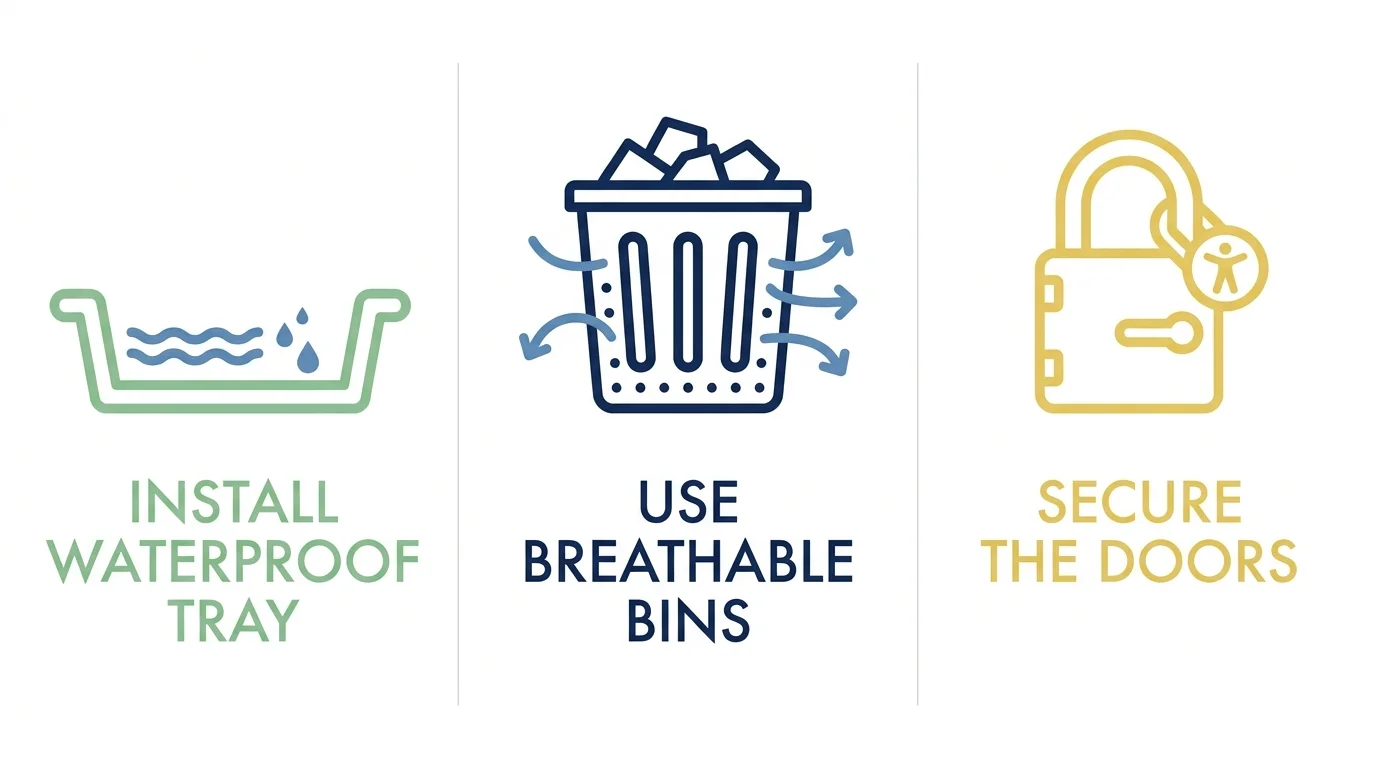
Checklist: How to Safely Organize the Space Under Your Sink
Now that you have removed the hazardous chemicals, fragile glass, and porous materials, you can optimize this prime real estate for the items that actually belong there. Follow this actionable step-by-step process to create a highly functional, entirely safe storage area that makes daily cleaning easier.
- Step 1: Empty and Inspect. Pull every single item out of the cabinet so you have a completely blank slate. Grab a flashlight and thoroughly inspect the back corners, the baseboards, and the pipes. Run the hot and cold water for a minute and check the P-trap for any slow drips. Look closely for warped wood or dark spots that indicate hidden water damage.
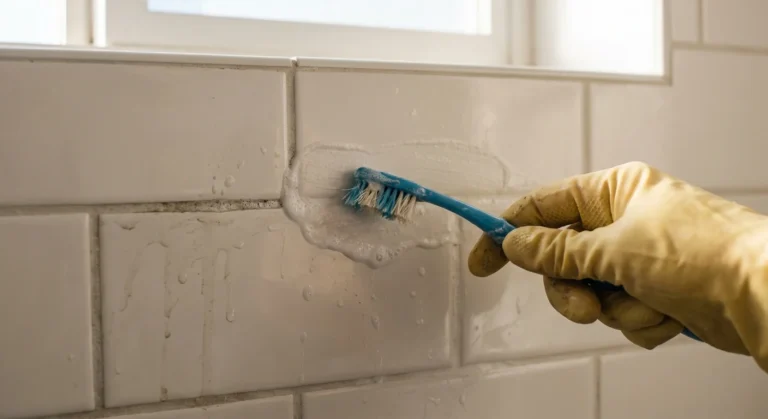
- Step 2: Clean and Deodorize. Spray the interior baseboards and cabinet floor with a mild, non-toxic mixture of warm water and dish soap. Wipe away the dust, grime, and any lingering sticky detergent residues using a microfiber cloth. Allow the cabinet to dry completely with the doors wide open.
- Step 3: Install a Protective Base. Measure the floor of your cabinet and purchase a flexible, waterproof silicone mat with a raised lip. This inexpensive addition protects the wood from future plumbing drips, catches gooey soap spills, and can be easily pulled out and washed in the kitchen sink.
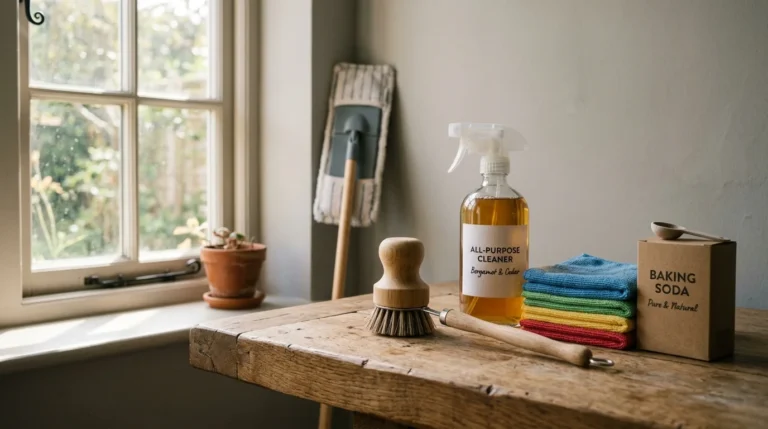
- Step 4: Sort the Essentials. Only return items that are safe to store near water and are required for daily sink tasks. This includes mild dish soap, heavy-duty scrub brushes, non-toxic surface cleaners (like white vinegar or baking soda), small waterproof trash bags, and dishwasher salt.
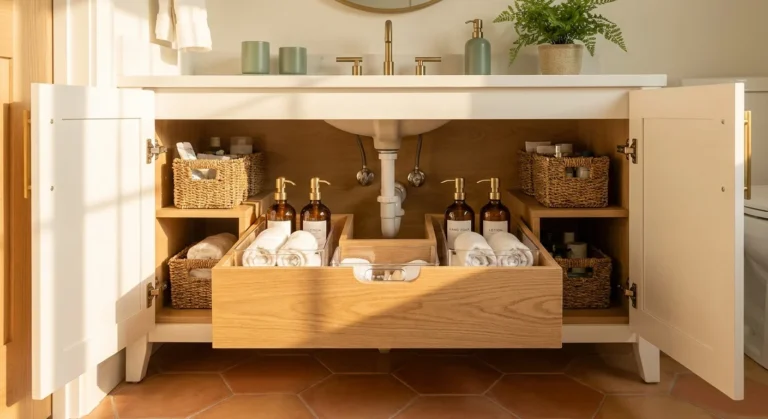
- Step 5: Implement Smart Containment. Avoid storing loose bottles that can easily tip over. Instead, use clear acrylic bins or sliding pull-out drawers. Place dishwashing supplies in one bin and surface cleaning tools in another. Sliding drawers allow you to easily access items in the back without blindly reaching past the plumbing.
- Step 6: Maximize Vertical Space. Install a simple spring-loaded tension rod across the upper section of the cabinet interior. You can hang your spray bottles of non-toxic multi-purpose cleaner directly by their triggers, freeing up valuable floor space. Finally, attach adhesive command hooks to the inside of the cabinet doors to hang your wet rubber gloves and scrub brushes so they can air dry properly.
Your Next Step for a Safer Kitchen
Open your under-sink cabinet right now and pull out just one item that clearly does not belong. Whether you spot a colorful tub of dishwasher pods, a rusty can of aerosol polish, or a damp roll of paper towels, relocate that item to a secure, dry, high shelf immediately. Taking five minutes today to properly sort and secure these hidden hazards protects your family, extends the life of your appliances, and gives you a much calmer, easier-to-manage home.