You are wasting your weekends scrubbing things that do not actually need to be cleaned yet. Over-cleaning not only drains your energy but actively damages your expensive clothing, appliances, and flooring. When you wash heavy denim weekly or drag out the wet mop for your hardwood floors every few days, you strip away protective finishes and invite water damage. The secret to a spotless, easier-to-manage living space is knowing exactly when to step back. By adjusting your schedule and learning the correct maintenance timelines, you protect your investments while gaining back hours of free time. Stop working harder than necessary; let smarter routines do the heavy lifting for you.
Washing Your Denim Jeans After Every Wear
Many people instinctively throw their jeans into the laundry basket at the end of the day. This habit is deeply ingrained, yet it is one of the fastest ways to destroy high-quality denim. Jeans are built from durable, rugged cotton fibers designed to mold to your body over time. When you wash them after every single wear, the harsh agitation of the washing machine breaks down these fibers prematurely. The hot water and chemical detergents strip away the indigo dye, leaving you with faded, sagging, and worn-out pants long before their time.
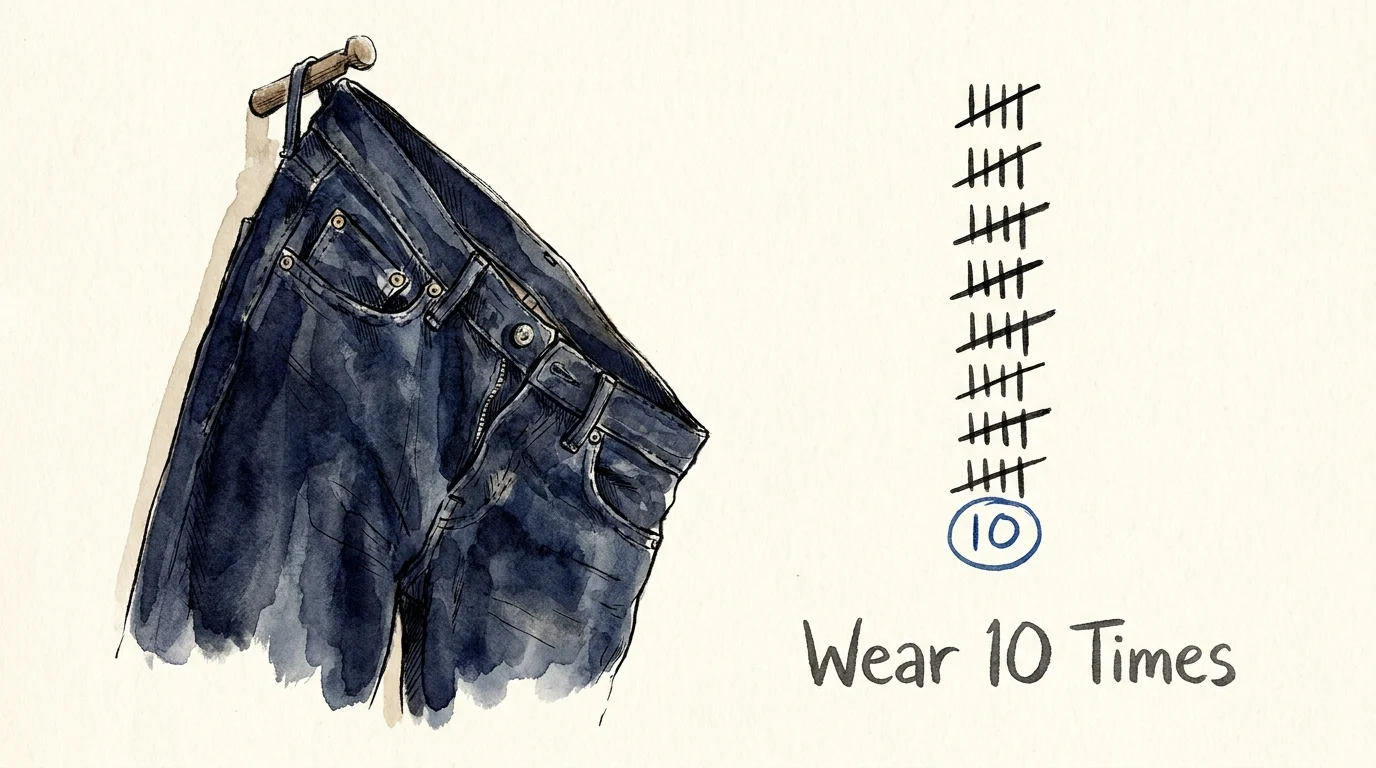
Major manufacturers agree that frequent washing is entirely unnecessary. According to Levi Strauss & Co., you should hold off on washing your jeans until you have worn them at least ten times. Some denim enthusiasts even wait months between washes to preserve the natural fading and custom fit. If you work a physical job and sweat heavily, you will naturally need to wash your workwear more often; however, for everyday office work or running errands, your denim stays clean much longer than you think.
Instead of running a full wash cycle, adopt a targeted approach to keeping your jeans fresh. Spot-treating minor spills with a damp cloth and mild soap removes blemishes without subjecting the entire garment to a harsh spin cycle. To eliminate odors, simply hang your jeans out in the fresh air or spray them lightly with a fabric refresher. When the time finally comes to wash them, always turn the jeans inside out and use cold water to protect the dye. The high heat of the tumble dryer is equally destructive, baking the fabric and warping the elastane that gives your jeans their stretch. Always lay them flat or hang them to air dry.
Triggering the Oven Self-Cleaning Cycle Monthly
A pristine oven is a beautiful sight, prompting many home cooks to obsessively run the self-cleaning cycle or scrub the interior with heavy degreasers every few weeks. You might think you are keeping your kitchen hygienic, but over-cleaning your oven causes significant mechanical wear. The self-cleaning feature operates by raising the internal temperature to over 900 degrees Fahrenheit, incinerating baked-on food into ash. While highly effective, this extreme heat heavily stresses the appliance. Using this feature too frequently can blow thermal fuses, short out the electronic control panel, and permanently damage the heating elements.
Appliance experts at Whirlpool recommend deep cleaning your oven only once every three to four months under normal usage conditions. If you only bake occasionally, you can easily wait six months between major cleaning sessions. Relying on heavy chemical sprays just as frequently can be equally problematic, as residual fumes easily transfer to your next meal if the oven is not rinsed perfectly.
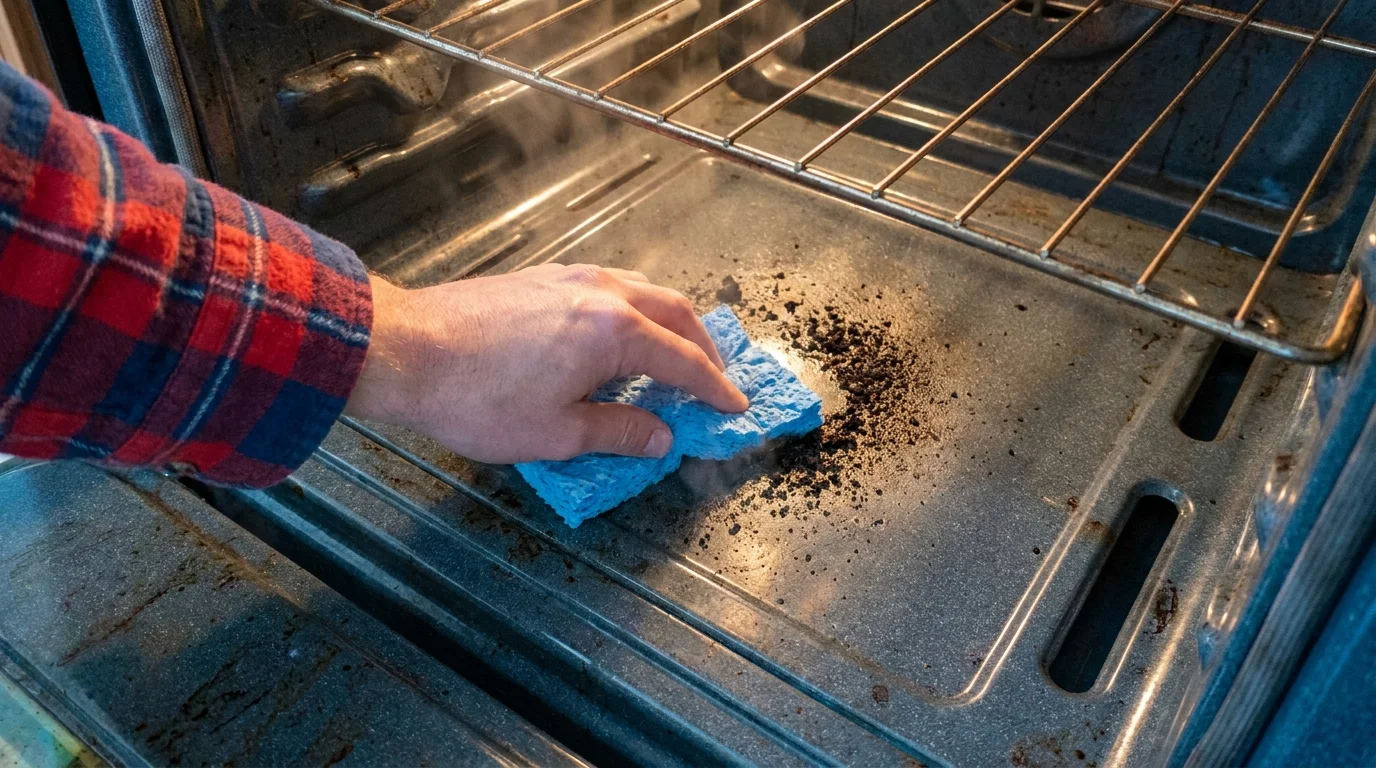
The most practical way to maintain your oven requires very little effort. Deal with spills immediately rather than letting them bake onto the enamel. Once the oven cools to a safe, warm temperature, take a damp sponge and wipe away drips from roasting pans or bubbling pies. You can also place a designated catch-tray on the bottom rack to intercept grease. If you face a truly stubborn baked-on spill, skip the self-clean cycle and make a paste of baking soda and water. Smear it over the burned area, let it sit overnight, and spritz it with white vinegar the next morning. The gentle fizzing action lifts the carbonized food without exposing your appliance controls to dangerous heat. By managing small messes as they happen, you eliminate the need for monthly deep cleans and significantly extend the lifespan of your appliance.
Wet Mopping Your Hardwood Floors Weekly
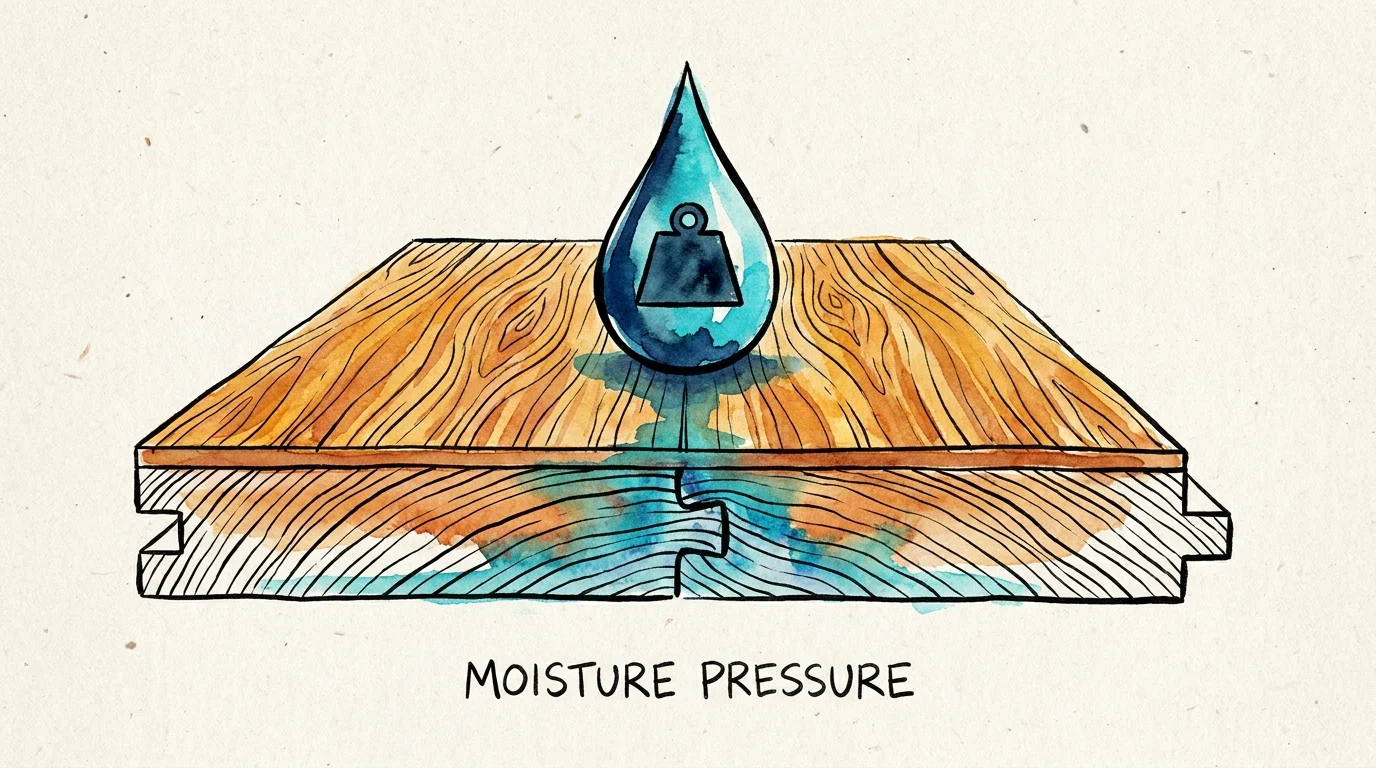
Nothing brings warmth to a home quite like natural hardwood flooring. To protect that investment, you might feel compelled to drag out a heavy bucket of soapy water and a string mop every Saturday morning. Unfortunately, water is the absolute worst enemy of hardwood floors. Even well-sealed polyurethane finishes possess microscopic seams and grain openings. When you mop with excess water frequently, moisture seeps into these cracks, causing the wood planks to expand, cup, warp, and discolor from the inside out.
Home care professionals consistently warn against the aggressive wet mopping of hardwood. Rather than sanitizing the surface, you are slowly delaminating the finish and inviting mold growth beneath the floorboards. The dull, cloudy look that often develops on overly mopped floors is actually the result of mineral deposits and cleaning residue building up over time.
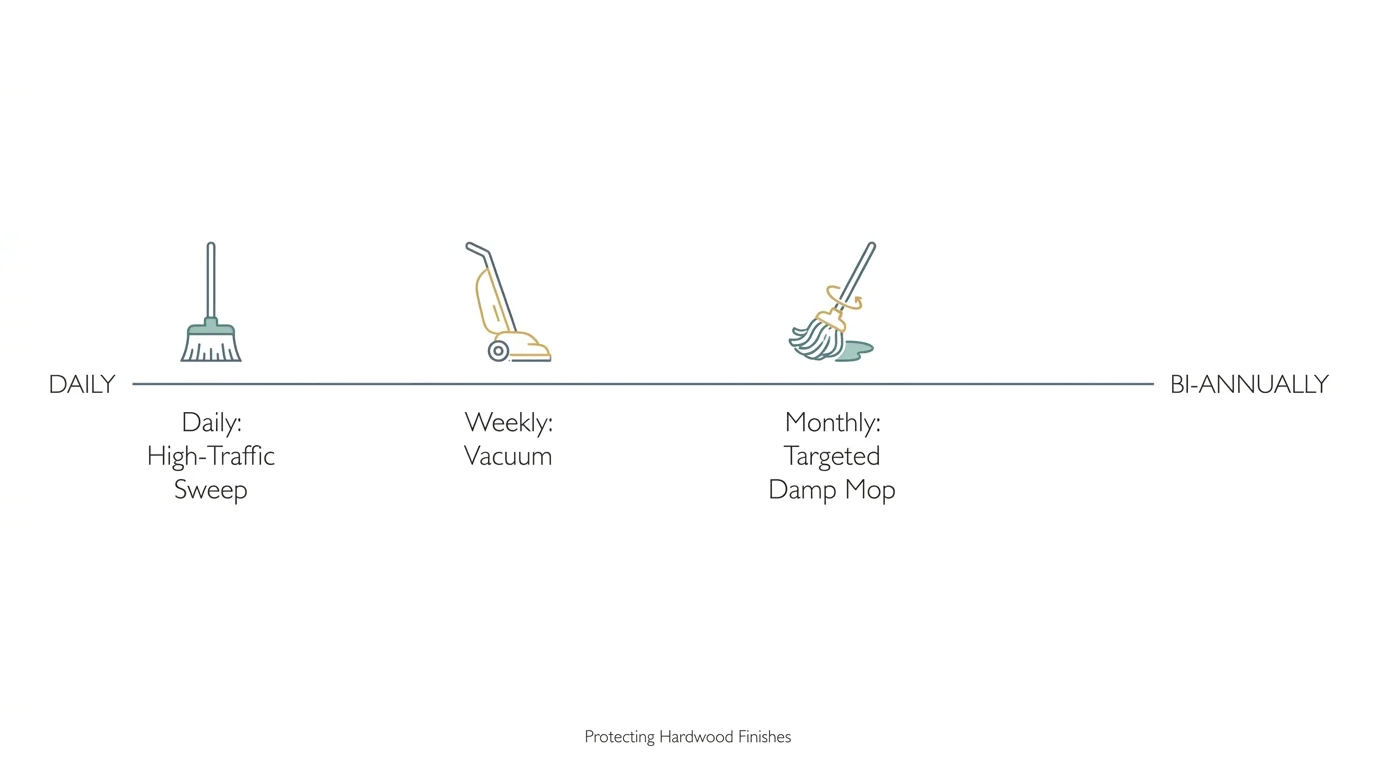
Switch your focus from wet cleaning to dry maintenance. You should rely primarily on a dry microfiber dust mop or a vacuum cleaner equipped with a soft brush attachment. These tools safely lift abrasive dirt and pet hair without introducing moisture. When your floors genuinely need a wash—typically only once every two to four weeks—use a barely damp mop. Lightly mist a pH-neutral hardwood floor cleaner directly onto the microfiber pad, ensuring no water ever pools on the wood.
Proper Floor Cleaning Frequencies
| Floor Type | Cleaning Action | Ideal Frequency |
|---|---|---|
| Hardwood Floors | Dry mop or soft-brush vacuum | 2 to 3 times a week |
| Hardwood Floors | Damp mop (minimal moisture) | Every 2 to 4 weeks |
| Carpeting | Standard vacuuming | 1 to 2 times a week |
| Carpeting | Professional deep extraction | Every 12 to 18 months |
Deep Cleaning Carpets with Water Extraction
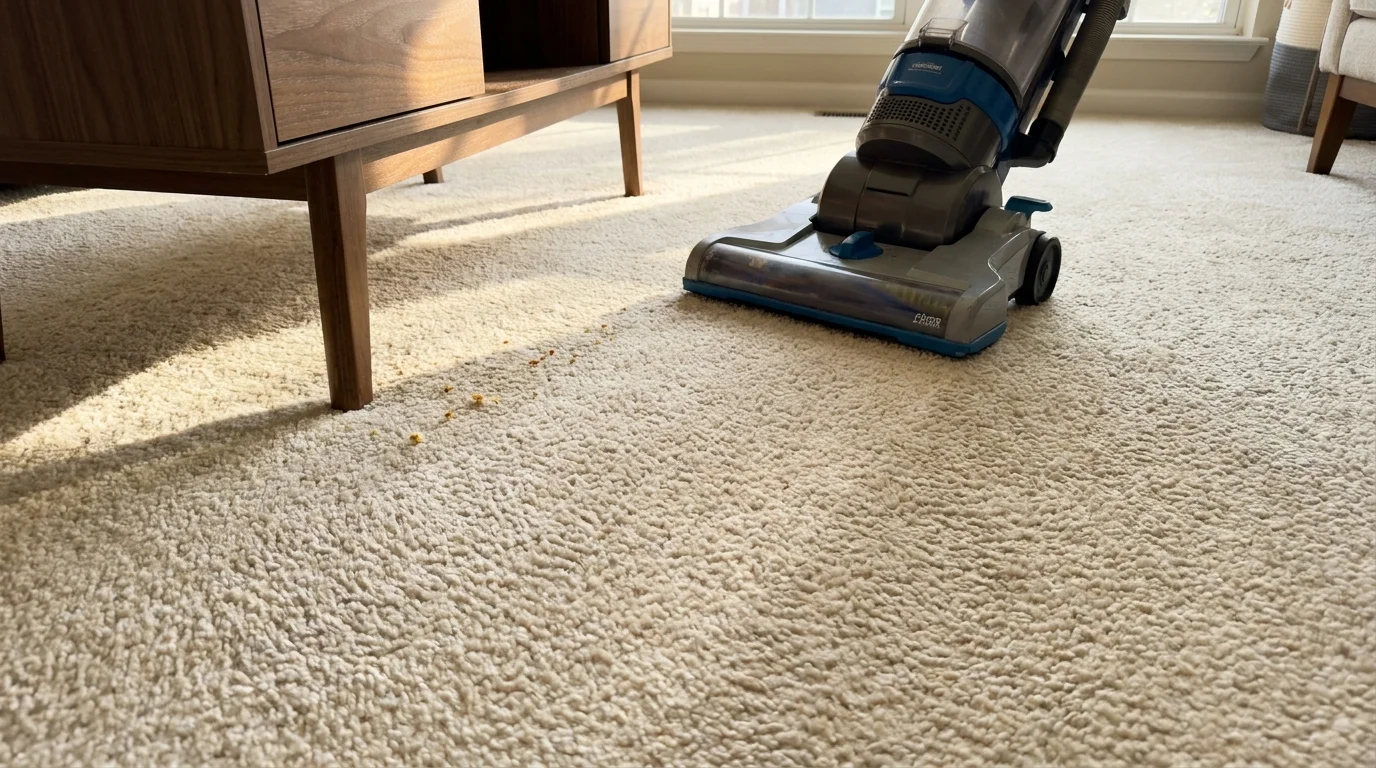
Many homeowners rent commercial carpet extractors or hire professional steam cleaners multiple times a year, assuming this keeps their home allergen-free. While pulling dirty water out of a thick carpet feels incredibly satisfying, deep cleaning too often degrades the integrity of the material. Carpets are constructed with a backing structure that holds the fibers in place. Repeated exposure to heavy moisture and high-heat extraction breaks down the adhesives in this backing, leading to rippling, stretching, and fraying edges.
Furthermore, consumer-grade rental machines rarely possess the suction power required to completely dry the carpet padding. If you shampoo your carpets every few months, you inevitably leave behind lingering dampness. According to the Environmental Protection Agency, moisture trapped in household materials creates a prime environment for mold growth. Creating a dark, humid space underneath your floorboards defeats the entire purpose of cleaning for a healthier home.
The Carpet and Rug Institute advises scheduling a professional deep clean only once every 12 to 18 months for an average household. To maintain your carpets between these annual sessions, upgrade your routine dry maintenance. Use a high-quality vacuum with a HEPA filter and a motorized brush roll twice a week to lift abrasive dirt particles before they settle into the base of the fibers. Make sure you overlap your strokes and move slowly; racing across the room leaves the heaviest dirt buried near the padding. Address accidental spills immediately by blotting them with a clean towel and a specialized spot remover rather than soaking the entire room.
Running Bed Pillows Through the Washing Machine
You wash your sheets and pillowcases weekly to maintain a fresh sleeping environment; however, tossing your actual bed pillows into the washing machine with the same frequency is a costly mistake. Whether your pillows are filled with down, synthetic fiber, or memory foam, aggressive laundering destroys their structural integrity. The agitation twists and compresses the fill, creating permanent lumps and dead spots that ruin the neck support you desperately need for a good night of sleep.
Memory foam and latex pillows should never be submerged in a washing machine, as the water and spinning force break down the cellular structure of the foam entirely. Even machine-washable down and synthetic pillows have limits. Sleep hygiene experts generally recommend washing your actual pillows only two times a year. Doing so effectively removes accumulated sweat and dust mites without unnecessarily wearing out the materials.
If you want to keep your pillows pristine without over-washing them, you must establish a protective barrier. Follow these specific steps to extend their lifespan:
- Use a zippered pillow protector: This thick casing sits directly over the pillow, right under your standard pillowcase, blocking oils, sweat, and saliva from ever reaching the fill.
- Wash the protector monthly: Toss the zippered cover in the wash with your bedsheets every few weeks to keep the outer layer sanitary.
- Spot treat stains: If you drop coffee in bed or notice a small blemish, use a damp cloth with mild detergent to dab the specific area rather than soaking the whole pillow.
- Air them out: Fluff your pillows daily and occasionally leave them in a sunny spot; the air circulation naturally neutralizes trapped odors and moisture.

Laundering Heavy Winter Coats and Parkas
When the colder months arrive, your heavy winter coat becomes a daily uniform. Because you wear it everywhere—from crowded morning commutes to snowy outdoor hikes—you might assume it requires the same weekly laundering as your sweaters and trousers. In reality, washing heavy outerwear too frequently destroys the technical features that keep you warm and dry.
Winter parkas rely on specific materials to trap heat. Down-filled jackets use delicate feathers that clump together and lose their insulating loft when subjected to repeated wash cycles. Waterproof shells and rain jackets are treated with a durable water-repellent coating that gradually washes away with every encounter with harsh laundry detergent. If you constantly throw your coat in the washing machine, you will soon find yourself shivering and soaked during the next snowstorm.
For the average wearer, you only need to wash a heavy winter coat once or twice a season. A smart approach is to wash it once midway through the winter and again right before you place it into storage for the summer. To maintain the jacket on a weekly basis, brush off dried mud with a soft bristle brush and spot-clean the cuffs and collar with a damp microfiber cloth. If your coat absorbs the smell of a winter campfire, simply hang it outside in a cold, dry breeze for a few hours to refresh the fabric.
Polishing and Waxing Wood Furniture During Routine Dusting
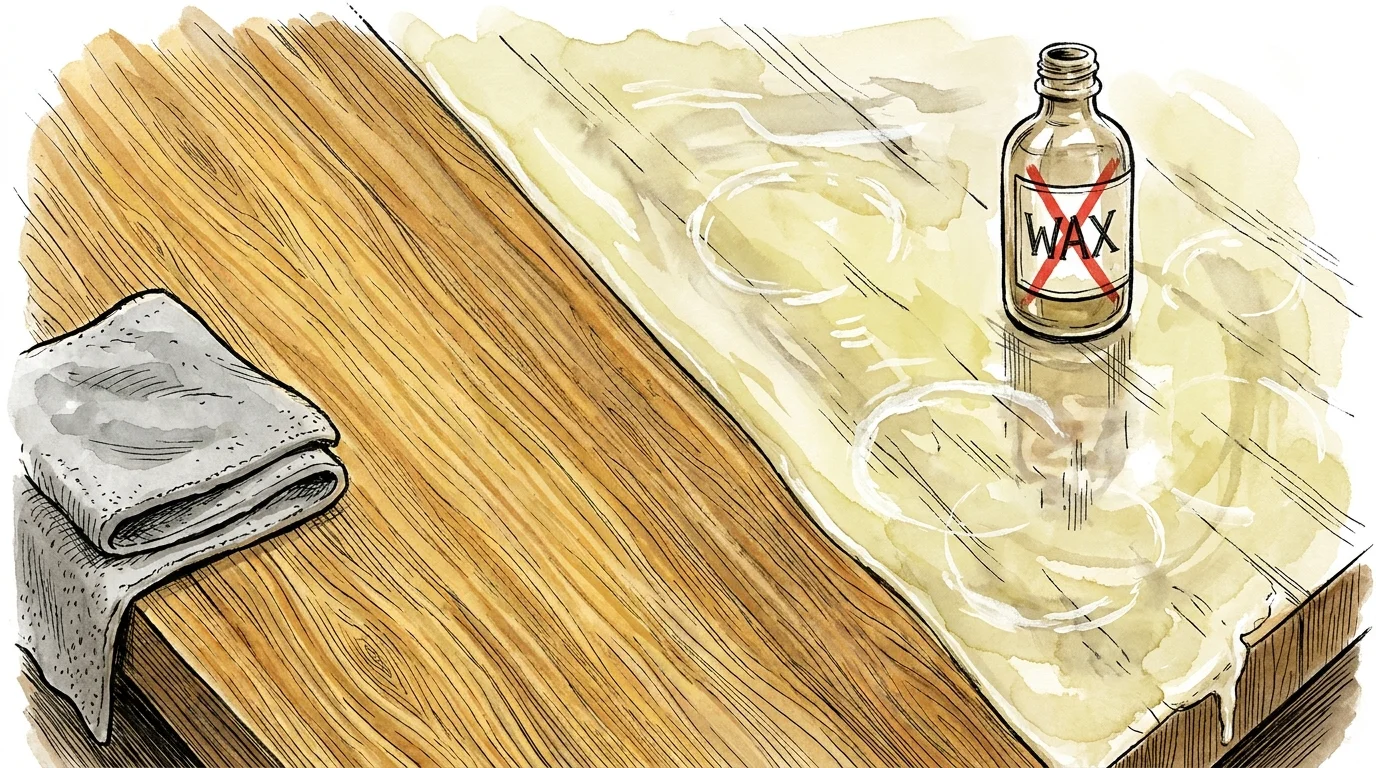
Walking through your living room with a can of aerosol wood polish and spraying every table, bookshelf, and cabinet feels like the ultimate deep-cleaning routine. The immediate glossy shine is undeniably satisfying, but making this a weekly habit creates a massive problem for your furniture. Commercial wood polishes and waxes are designed to leave a protective layer behind. When you apply them too often, those layers build up into a thick, cloudy residue.
Instead of making your furniture look pristine, this sticky buildup acts like a magnet for airborne dust, pet dander, and lint. Over time, the beautiful natural grain of your wood becomes obscured by a smudgy, dark film that requires harsh mineral spirits to strip away. Quality wood furniture simply does not need to be “fed” or polished weekly. Most modern wooden pieces are sealed with polyurethane or lacquer, meaning the polish just sits on top of the hard finish anyway.
Professional woodworkers suggest polishing your furniture only once every three to six months. For your regular weekly chores, put down the aerosol spray. Take a clean, dry microfiber cloth and gently wipe the surfaces to capture dust. If a tabletop is sticky from a spilled drink or greasy fingerprints, lightly dampen the cloth with water, wipe the spot, and immediately dry it with a second cloth. If your tables already feel tacky to the touch from past over-polishing, you can strip away the old buildup by wiping the wood with a cloth lightly dampened with a solution of equal parts water and white vinegar, following up instantly with a dry buff. Your furniture will maintain its elegant, clear finish for decades without the unnecessary chemical buildup.
The hardest part of home maintenance is often learning when to leave things alone. By stepping back and trusting these longer timelines, you stop fighting against yourself and start preserving the things you worked hard to buy. Take a look at your weekend chore list right now, cross off the heavy tasks that can wait another month, and go enjoy your day instead.