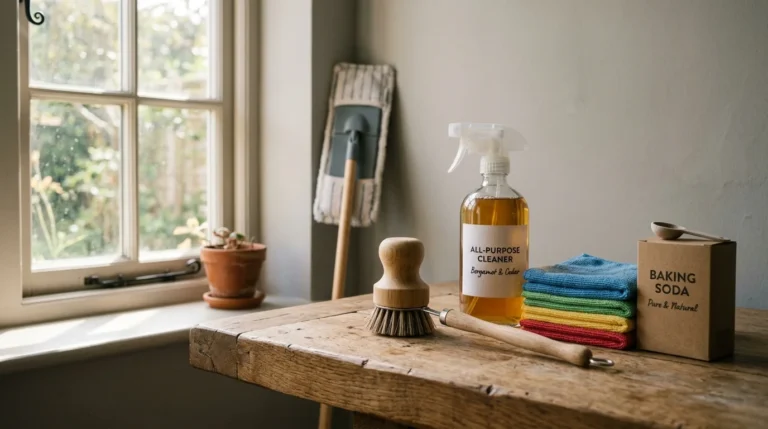
Downsizing offers a fresh start, allowing you to enjoy a lighter, more manageable living space without the heavy burden of decades of accumulated possessions. When you clear out unnecessary clutter before a move, you save time, reduce moving costs, and create a calmer environment tailored to your current lifestyle. Retirement decluttering does not require you to abandon your most treasured memories; rather, it empowers you to prioritize what truly adds value to your daily routine. By letting go of specific household categories now, you streamline the entire relocation process and avoid dragging old obligations into your new home. Focus your energy on this targeted list of items to simplify home management and embrace a stress-free transition.

Expired Medications and Outdated Health Supplies
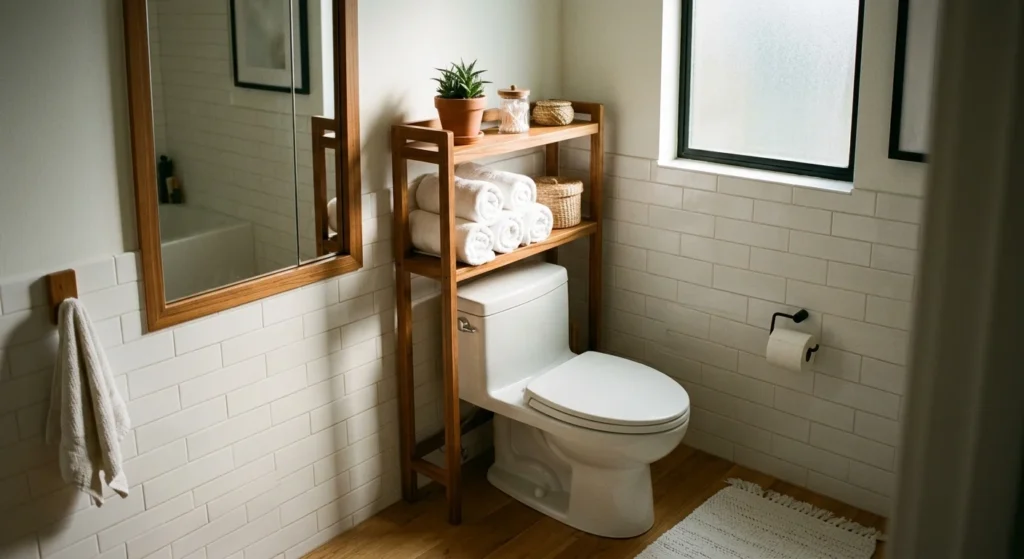
Older adults frequently accumulate a massive surplus of prescription bottles, daily vitamins, and specialized over-the-counter remedies. Over decades, your bathroom cabinets transform into a crowded pharmacy of half-used cough syrups and forgotten muscle rubs. Downsizing requires you to confront the hidden depths of these medicine cabinets before you box up your life. Keeping expired medicine creates significant safety risks; chemical compounds actively degrade over time, rendering essential treatments ineffective or unexpectedly potent. You must safely discard old pills, crusty ointments, and dusty liquids before you begin the packing process.
Do not simply toss old prescriptions into your kitchen trash can or flush them down the toilet unless explicitly instructed by a pharmacist. Improper disposal threatens the local water supply and creates dangerous scenarios involving accidental consumption by household pets or young grandchildren. You need to handle pharmaceutical waste with deliberate care.
Follow these steps to safely eliminate medical clutter:
- Gather all health supplies from your master bathroom, bedside tables, and kitchen counters.
- Inspect the expiration dates printed on every single bottle; set aside everything past its prime, unidentifiable, or no longer medically necessary.
- Locate a community drug take-back program. Many local pharmacies, grocery store clinics, and police stations host secure, permanent drop-off kiosks designed specifically for safe pharmaceutical disposal.
- If you cannot access a community take-back program, follow the U.S. Food and Drug Administration (FDA) guidelines for safe disposal. Mix the loose pills with an unappealing substance—such as used coffee grounds, dirt, or damp kitty litter—seal the mixture inside a heavy-duty plastic bag, and place it in your standard household trash.
- Take a permanent marker and completely black out your name, address, and prescription numbers on the empty pill bottles before recycling them to protect your medical privacy.
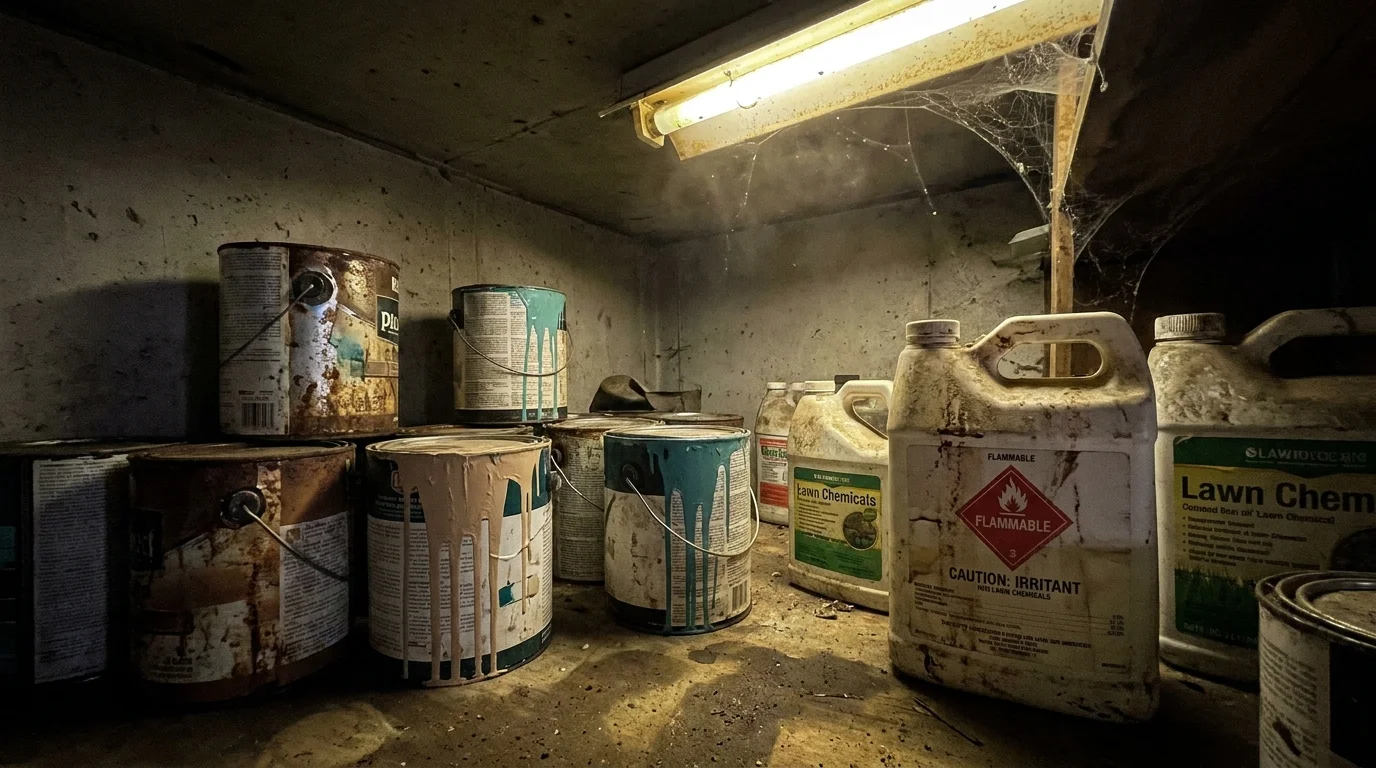
Hazardous Household Chemicals and Old Paint
Garages, basement workshops, and under-sink cabinets frequently harbor decades of volatile materials. You will likely uncover half-empty bottles of harsh floor cleaners, ancient lawn fertilizers, highly flammable paint thinners, and rusted cans of oil-based paint. Professional moving companies strictly prohibit transporting these hazardous materials in their trucks; packing them violates federal transportation safety regulations and nullifies your moving insurance. You must eliminate these dangerous liquids and chemicals long before your scheduled moving day arrives.
Improperly dumping toxic chemicals down your kitchen sink damages local plumbing systems and severely pollutes community waterways. You cannot simply throw aerosol cans and pesticides into your standard garbage bin, as they pose combustion risks inside sanitation trucks. Instead, you need to navigate proper household hazardous waste disposal channels to protect both sanitation workers and the environment.
Take action to safely clear out chemical waste:
- Inventory your current stash of cleaning supplies, automotive fluids, garden pesticides, and leftover house paints.
- Consolidate the approved items securely in their original containers with their warning labels fully intact; never mix unknown chemicals together, as this can easily trigger dangerous, highly toxic chemical reactions.
- Review the Environmental Protection Agency (EPA) household hazardous waste guidelines to understand exactly how your local solid waste management district expects you to handle corrosive or flammable materials.
- Search online environmental databases or contact your local municipality to find the nearest household hazardous waste drop-off facility. Many towns also host specialized community collection events every spring and fall to help residents safely offload dangerous goods.
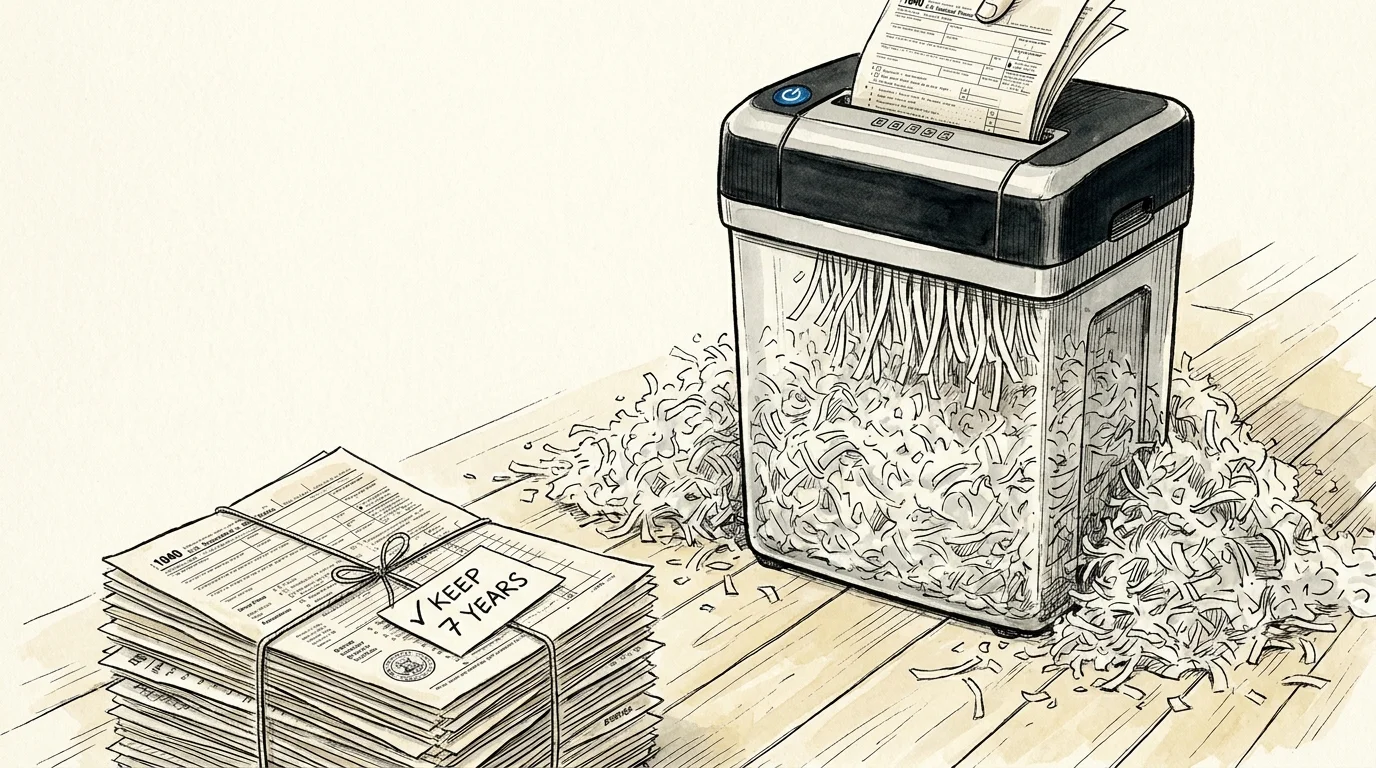
Outdated Financial Paperwork and Tax Records
Paper clutter represents one of the heaviest, most frustrating, and least rewarding categories of possessions to pack. Over the years, you likely filled heavy metal filing cabinets with old utility bills, generic bank statements, credit card offers, and thick tax returns. Moving provides the perfect, unavoidable incentive to shred the massive mountain of obsolete paperwork dragging you down. Paying movers to transport boxes of useless paper wastes your hard-earned money and steals precious square footage in your new residence.
You absolutely do not need to keep every piece of financial history. The Internal Revenue Service (IRS) outlines clear record-keeping limitations for tax-related documents. Once past these specific deadlines, old tax forms simply consume valuable space and pose an unnecessary identity theft risk if they fall into the wrong hands.
Review this document retention table to organize your files:
| Document Type | Retention Period | Action to Take Before Moving |
|---|---|---|
| Everyday utility bills and minor purchase receipts | 1 year | Shred immediately once reconciled with your monthly bank statements. |
| General tax returns and standard supporting records | 3 years from the date filed | Shred securely to permanently protect your personal identity and financial data. |
| Tax records reporting a loss from worthless securities | 7 years | Retain in a fire-proof safe or scan into a secure digital archive. |
| Property records and major home improvement receipts | Keep until you sell the property | Pass relevant appliance warranties to the new homeowner or retain deeds until tax limits fully expire. |
Invest in a heavy-duty cross-cut shredder to destroy sensitive information at home. Alternatively, box up your outdated documents and drive them to a professional community shredding event, where industrial machines pulverize thousands of pages in seconds.

Obsolete Electronics and Tangled Cables
Consumer technology evolves at a staggering pace, leaving a long trail of obsolete gadgets gathering dust in your drawers. If you open a random desk drawer right now, you will almost certainly find tangled charging cables for cell phones you discarded a decade ago, heavy VCRs, outdated digital cameras, and incredibly slow desktop computers. Hauling bulky electronic waste to your new home wastes packing supplies and creates instant clutter in a space you desperately want to keep streamlined.
You cannot throw electronics directly into your curbside garbage bin. Many standard devices contain hazardous heavy metals—such as lead, mercury, and cadmium—that actively leach into the soil and groundwater when left rotting in municipal landfills. Furthermore, tossing old laptops or phones exposes your private emails, passwords, and banking details to anyone who picks up the device.
Follow this process to responsibly shed electronic waste:
- Round up all unused devices, broken tablets, old cell phones, dead batteries, and mystery cords from every room in your house.
- Perform a complete factory reset on all computers, hard drives, and smartphones to thoroughly wipe your personal data. If a device refuses to turn on, physically remove and destroy the internal hard drive.
- Remove all lithium-ion batteries from your gadgets; these unstable power sources require separate, specialized handling to prevent catastrophic fire hazards during transport.
- Locate a certified electronics recycling facility in your region. The EPA recommends using certified e-waste recycling centers to guarantee your old technology gets processed sustainably, legally, and securely.
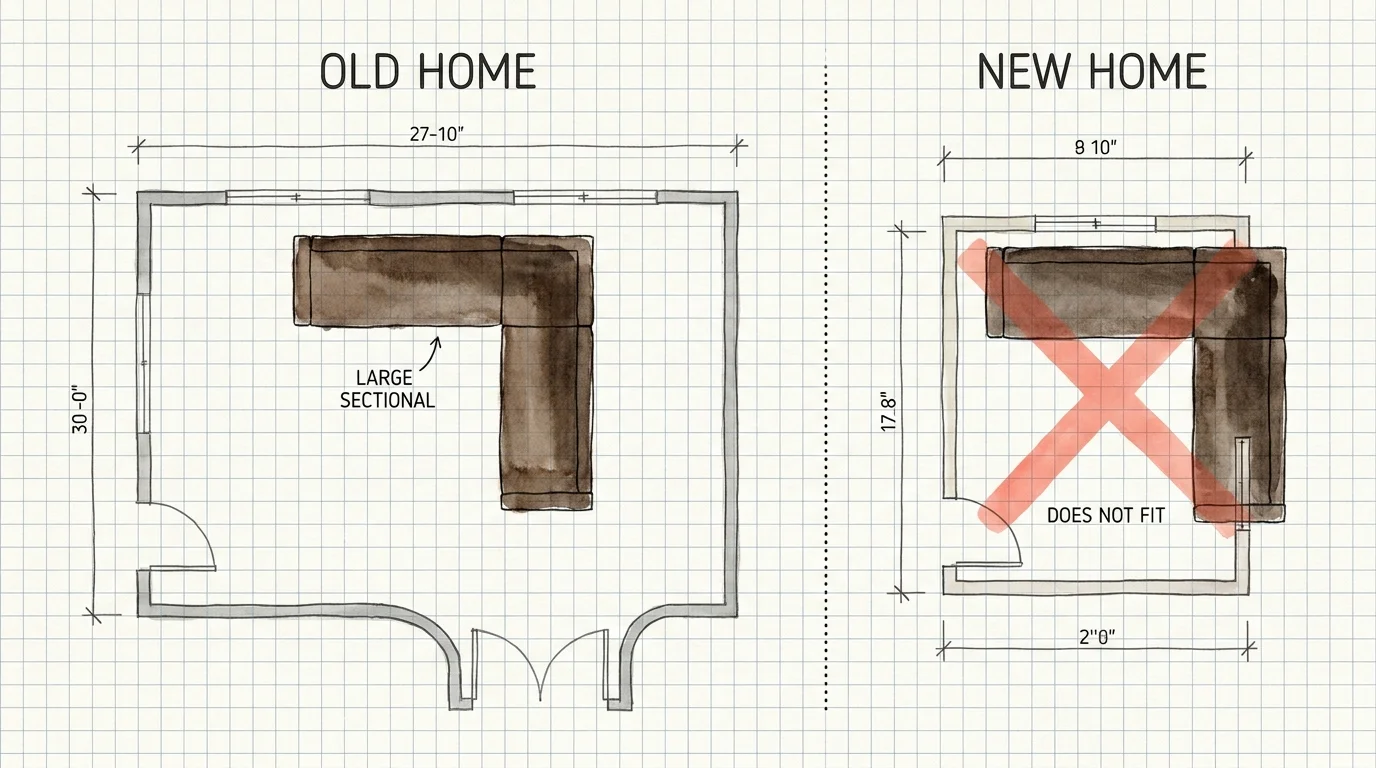
Oversized Furniture That Contradicts Your New Floor Plan
Moving into a smaller living space requires aggressive, realistic spatial planning. A massive solid oak dining table that seats twelve people perfectly suited your bustling family home, but it will physically overpower a compact condo or apartment. You must ruthlessly assess your current furniture collection against the actual square footage of your next residence. Clinging to large pieces purely out of nostalgia forces you into a cramped, unworkable home layout.
Measure the exact dimensions of every room in your new home before you sign a contract with a moving company. Map out exactly where each piece of furniture will sit. If a bulky wooden armoire, an oversized sectional sofa, or a heavy metal filing cabinet blocks a critical walkway or dominates a room, you need to let it go immediately.
Sell high-quality, well-maintained furniture on local online marketplaces or community boards to recoup some cash to cover your moving expenses. For heavier, cumbersome items that prove difficult to transport yourself, schedule a pickup with local charities or thrift stores. Organizations frequently send box trucks directly to your driveway, saving your back from heavy lifting while supporting a good local cause. Going forward, prioritize lightweight, multi-functional pieces—like storage ottomans or drop-leaf tables—that offer hidden functionality to maximize the efficiency of your newly downsized space.
Duplicated Kitchenware and Single-Use Gadgets
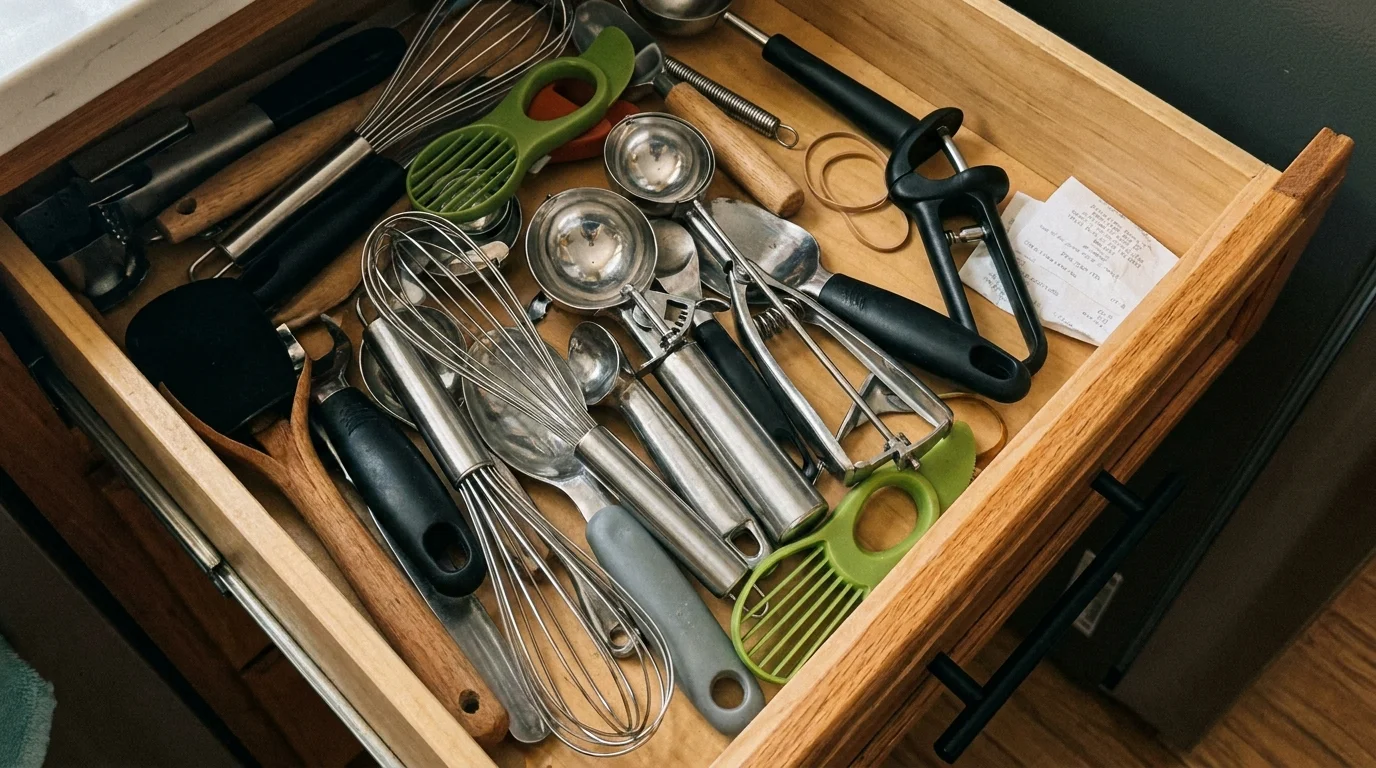
Kitchens naturally attract overwhelming amounts of clutter because homeowners accumulate specialized culinary tools for elaborate holiday meals and large dinner parties over many years. If your new home features a smaller kitchen layout with significantly less cabinet space, you cannot justify keeping three sets of heavy glass mixing bowls, two separate slow cookers, and a massive roasting pan you only pull out once every November. Moving heavy boxes of dishes and appliances costs a fortune and risks breaking your favorite items.
Most people routinely use only twenty percent of their kitchen inventory eighty percent of the time. Identify the versatile workhorses you actually reach for daily—your favorite non-stick skillet, a perfectly balanced chef’s knife, your reliable coffee maker, and your go-to mugs. Set these vital tools aside as your essential moving core.
Tackle the remaining excess kitchenware systematically:
- Toss heavily scratched non-stick pans, warped plastic food storage containers missing their matching lids, and heavily rusted baking sheets directly into the trash or recycling bin.
- Donate your duplicate spatulas, single-use gadgets like avocado slicers or bread makers you abandoned years ago, and the massive collection of promotional coffee mugs taking up precious shelf space.
- Gift delicate fine china, heavy crystal glasses, or specialized holiday serving platters to younger family members who currently possess the space to host large family gatherings.
Forgotten Linens, Ragged Towels, and Extra Bedding
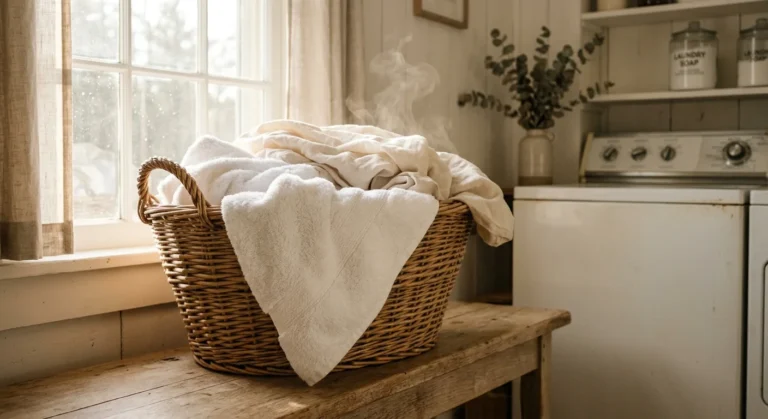
A sprawling house easily absorbs multiple hallway closets packed full of extra seasonal bedding, faded guest towels, and decorative tablecloths. A downsized home simply lacks the architectural storage capacity to house a dozen mismatched towels and five sets of thick flannel sheets for a guest bedroom that no longer exists. If you try to force thirty years of linens into a single apartment closet, you will face a frustrating avalanche of fabric every time you reach for a washcloth.
You must decisively pare down your linen collection to fit your immediate, realistic needs. Keep exactly two sets of high-quality sheets for every actual bed in your new home—one set to use on the mattress while you wash the other. Limit your bathroom inventory to a maximum of three large bath towels and three hand towels per person. Use vacuum-sealed storage bags to compress out-of-season blankets and heavy winter comforters, saving critical shelf space.
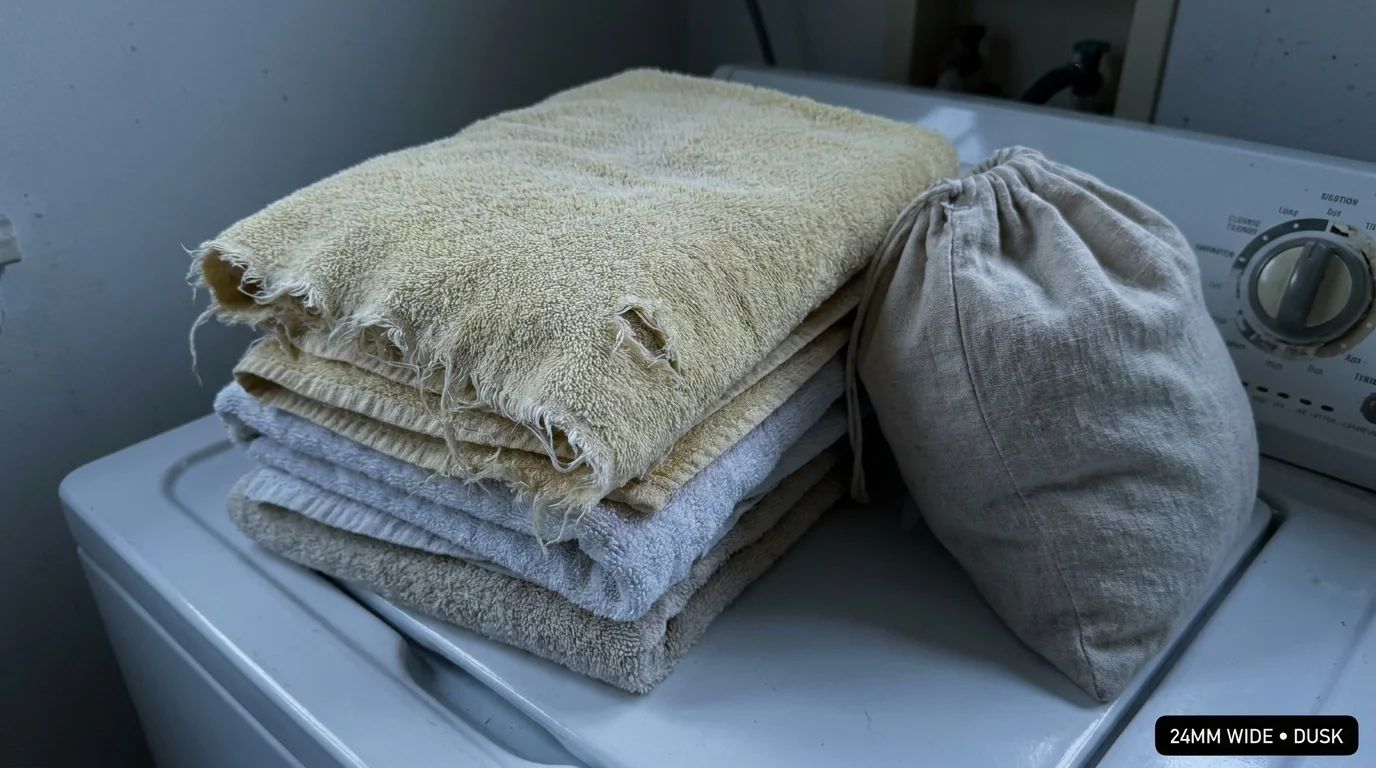
Do not throw away ragged, permanently stained, or torn towels. Local animal shelters and veterinary clinics constantly need old towels and soft blankets to line recovery cages, clean up messes, and dry off rescued animals. Bag up the faded linens you no longer want to display in your home and drop them off at a local animal rescue facility where they will serve a highly practical purpose.
Unworn Clothing Tied to Past Lifestyles
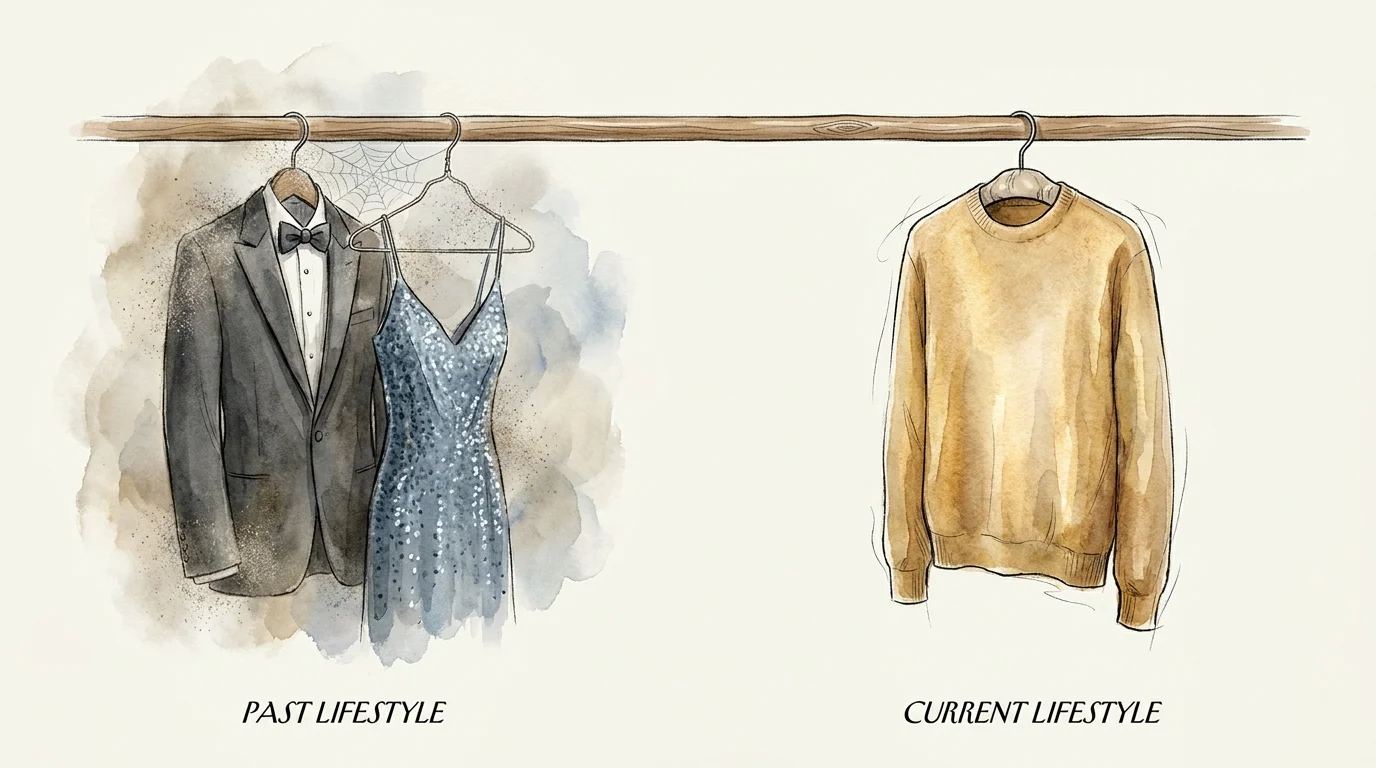
Your bedroom wardrobe serves as a physical timeline of your life; it holds stiff business suits from a retired corporate career, expensive formal wear from past weddings, and various clothing items representing fluctuating sizes. Downsizing demands that your closet reflect your present lifestyle, not your past history. Hanging onto clothes you never wear consumes precious closet rods and creates daily decision fatigue.
If you plan to spend your retirement traveling, gardening, or relaxing in comfortable environments, your closet should contain versatile, practical garments that support those activities. Hauling heavy garment bags full of unworn, dry-clean-only clothes into a significantly smaller closet guarantees instant frustration and wrinkled garments.
Adopt a firm, undeniable rule: if you have not worn a specific item in the past twelve months, it does not belong in your new home. Try on everything you actually intend to keep to ensure it still fits properly and makes you feel confident. Donate your gently used professional attire to organizations that provide career clothing to job seekers re-entering the workforce. Consign high-end designer pieces at local boutiques to earn extra cash, and immediately discard stained, torn, or permanently damaged garments that no one else can use.
Your Practical Next Step
Reading about retirement decluttering provides excellent mental motivation, but executing the project requires immediate physical action. Do not attempt to tackle your entire house in a single, exhausting weekend. Instead, focus entirely on building momentum through small, highly decisive victories.
Grab one heavy-duty trash bag and one sturdy cardboard donation box right now. Walk straight into your bathroom and pull out every expired medication, empty vitamin bottle, and crusty tube of ointment you can find. Once you clear that single cabinet shelf, you will experience the undeniable relief that comes with creating functional open space. Use that fresh burst of energy to schedule your hazardous waste drop-off or book a charity furniture pickup. Action immediately cures the anxiety of downsizing; start filling that first box today.