Living independently in your own home offers profound comfort and familiarity; however, the objects you accumulate over decades can eventually work against you. Stacks of old magazines, cluttered hallways, and overstuffed kitchen cabinets do more than just gather dust—they create unnecessary daily stress and pose hidden physical risks. As you look toward streamlining your daily routines, dedicating a single weekend to targeted organizing helps you reclaim your space and significantly reduces the mental weight of maintaining excess possessions.
The National Institute on Aging emphasizes that staying in your home as you get older requires making intentional changes to your environment to maximize accessibility. Decluttering is the crucial first step. When your floor plan is open and your essential items are easy to reach, cleaning becomes faster, cooking becomes easier, and navigating your home becomes infinitely safer.
Why a Weekend Home Clean Out Matters for Your Health
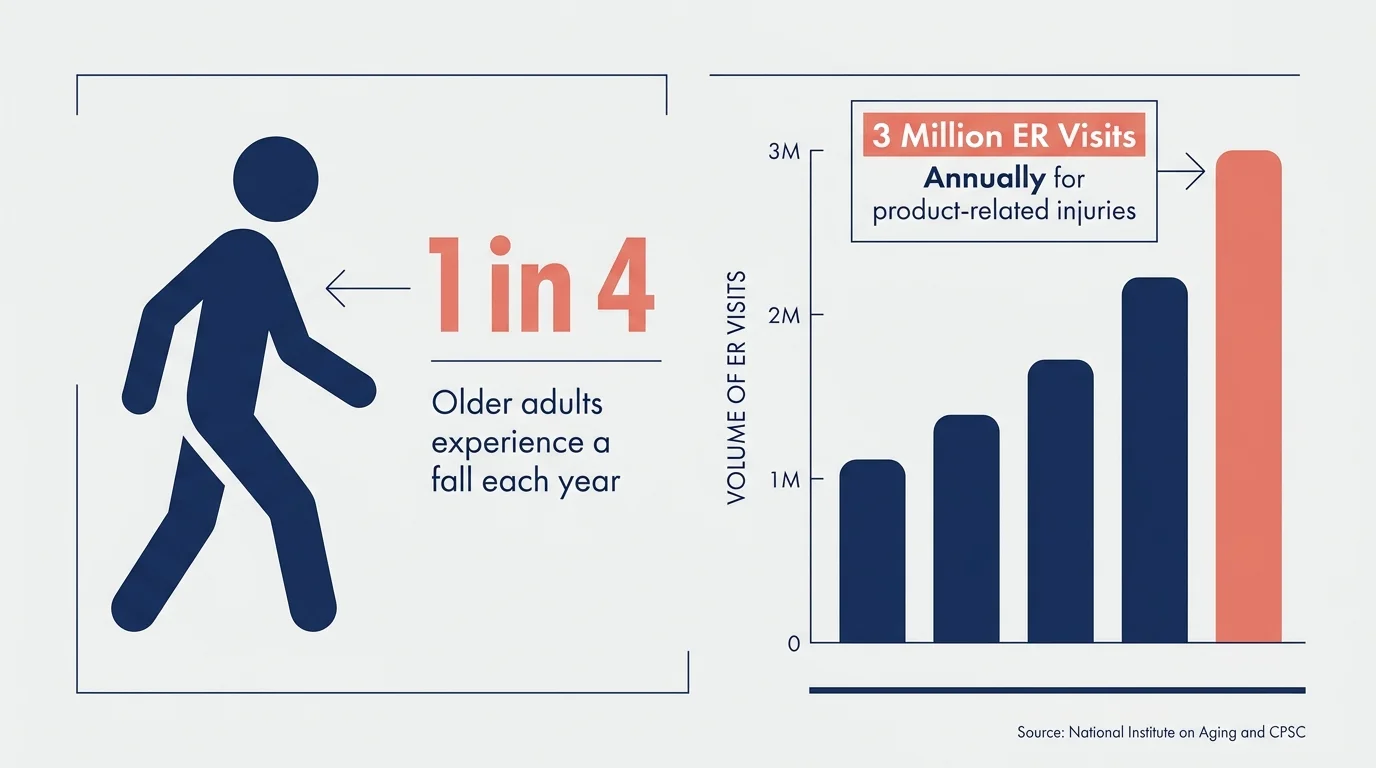
A senior home refresh is not about getting rid of your treasured memories; it is about prioritizing your immediate safety and convenience. Each year, more than one in four older adults experience a fall, making preventative home maintenance a top priority. Furthermore, according to the Consumer Product Safety Commission (CPSC), three million older adults visit the emergency room annually for product-related home injuries. Cluttered walkways, trailing cords, and unstable furniture play a massive role in these preventable accidents.
By tackling specific rooms this weekend, you eliminate these hidden hazards. You also save yourself the physical strain of bending over to dig through crowded bottom cabinets or stretching on your tiptoes to retrieve heavy items from high shelves. Let us walk through the eight most important areas in your home to simplify, clear out, and organize.
01 The Entryways and Hallways: Secure Your Main Walkways
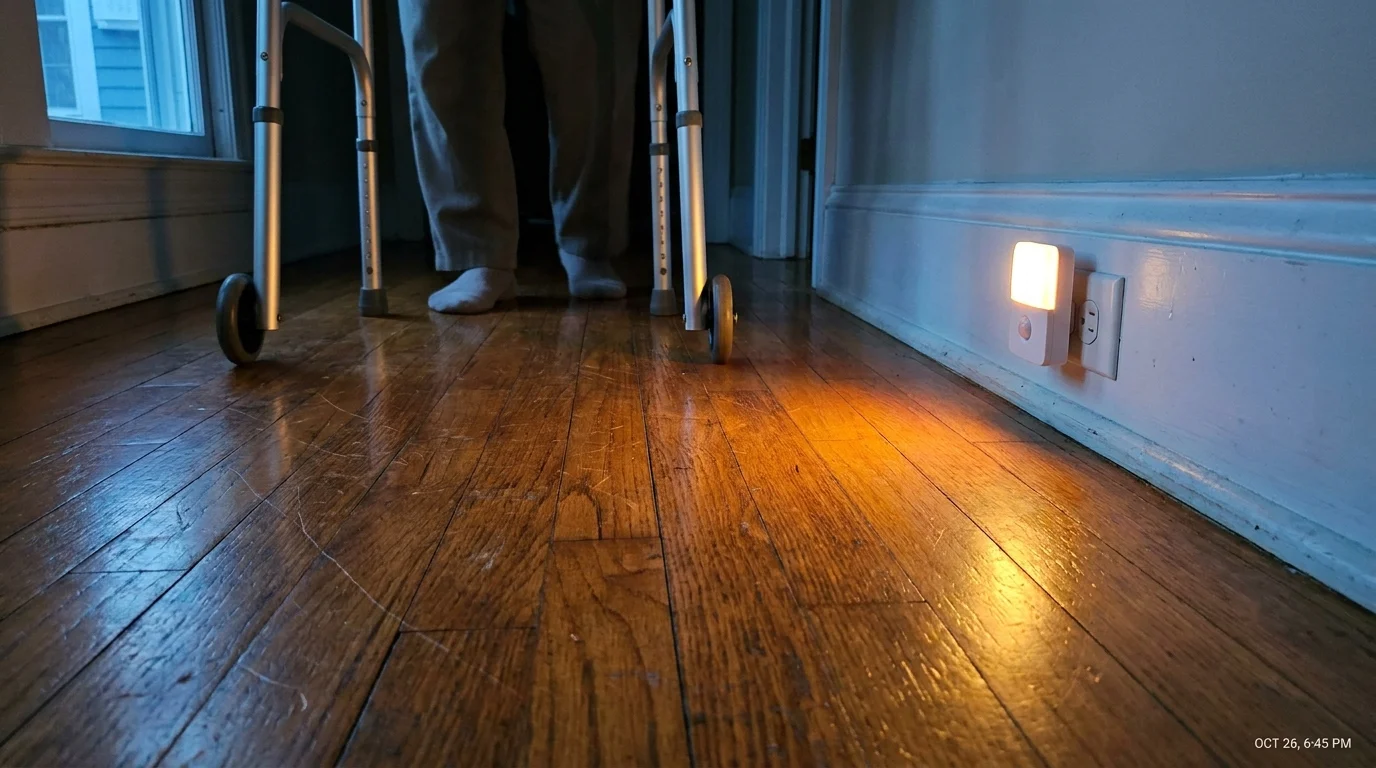
Your entryways and hallways act as the main arteries of your home. When these paths become dumping grounds for shoes, mail, and umbrellas, they restrict your movement and create dangerous obstacles—especially if you or a guest uses a walking aid like a cane or a walker.
- Eliminate loose throw rugs: Decorative area rugs and runners often bunch up or slide across hard floors. Remove area rugs and fix all permanent carpets firmly to the floor to dramatically reduce tripping hazards.
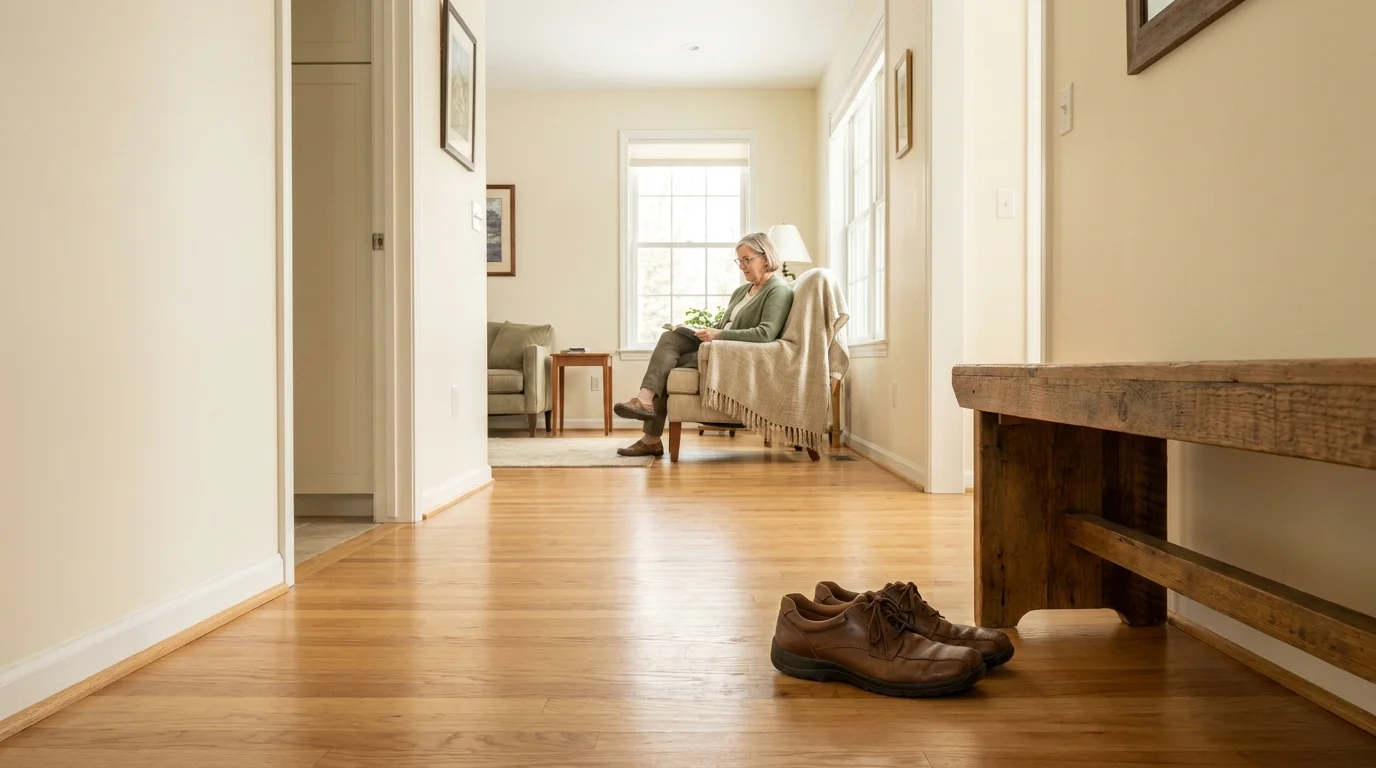
- Clear the floor space: Pick up all shoes, boots, and bags from the walking path. Keep only the single pair of shoes you wear daily out by the door; store the rest in a nearby closet.
- Evaluate your lighting: Ensure you have bright, uniform lighting at both ends of a hallway. Plug in motion-sensor nightlights along the baseboards so you never have to navigate a dark corridor when returning home late.
02 The Living Room: Eliminate Hidden Trip Hazards
The living room should be a comfortable sanctuary for reading, entertaining, and relaxing. Unfortunately, it often accumulates precarious stacks of reading material and low-sitting furniture that obstruct your natural walking path.
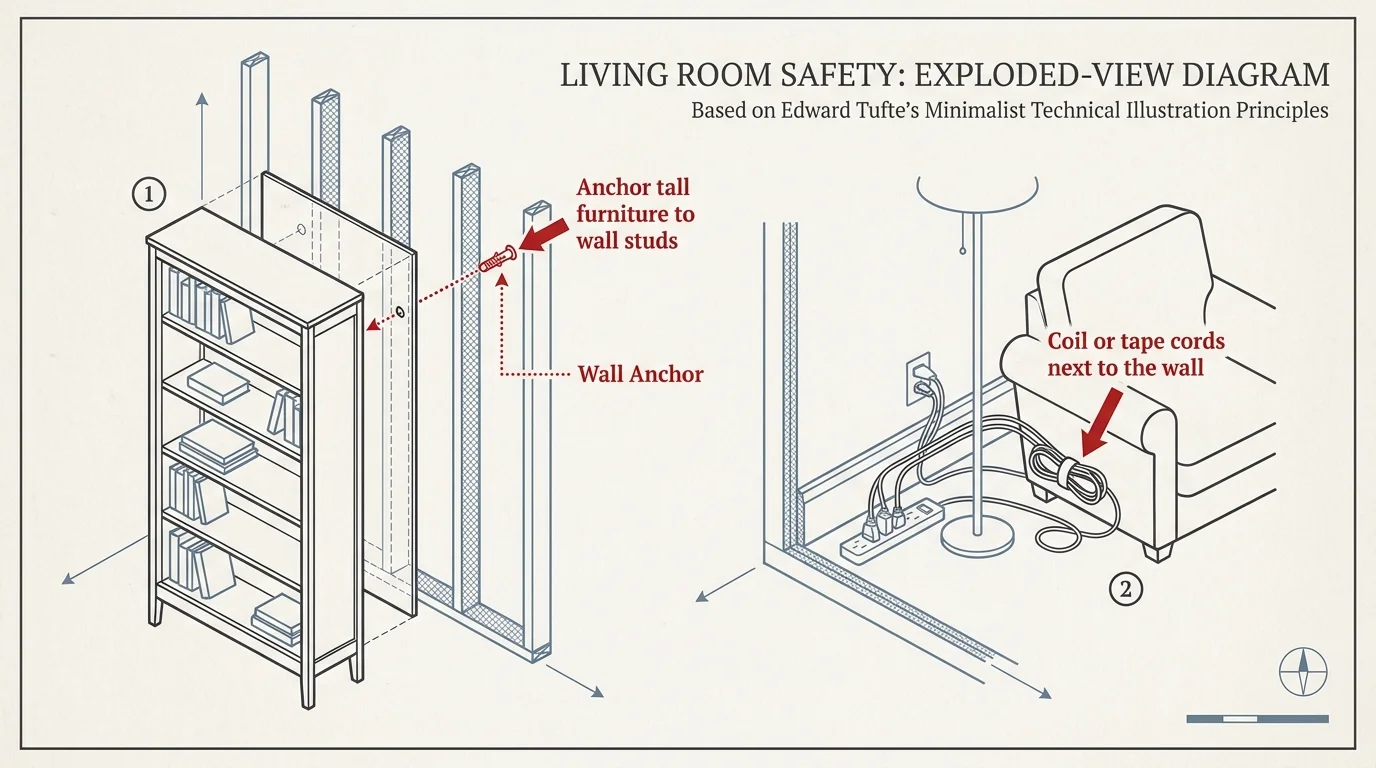
- Anchor heavy furniture: Tall bookshelves, heavy media consoles, and older televisions pose a severe tip-over risk if you bump into them or use them to steady your balance. Anchor tall furniture securely to the wall studs to prevent tip-over accidents.
- Tame the cord clutter: Extension cords and lamp wires running across the floor are primary culprits for home falls. Coil or tape cords and wires directly next to the wall so you cannot trip over them. If necessary, use cord covers or hire an electrician to install an additional outlet.
- Open up the floor plan: Assess your furniture arrangement. You need a clear, wide path through the center of the room. Relocate or donate wobbly side tables, oversized ottomans, or decorative floor plants that force you to zig-zag around them.
03 The Kitchen: Simplify Your Daily Routine
Heavy lifting and reaching overhead can easily lead to muscle strain or a sudden loss of balance. An organized kitchen allows you to prepare meals smoothly without deep bending or relying on unstable step stools.
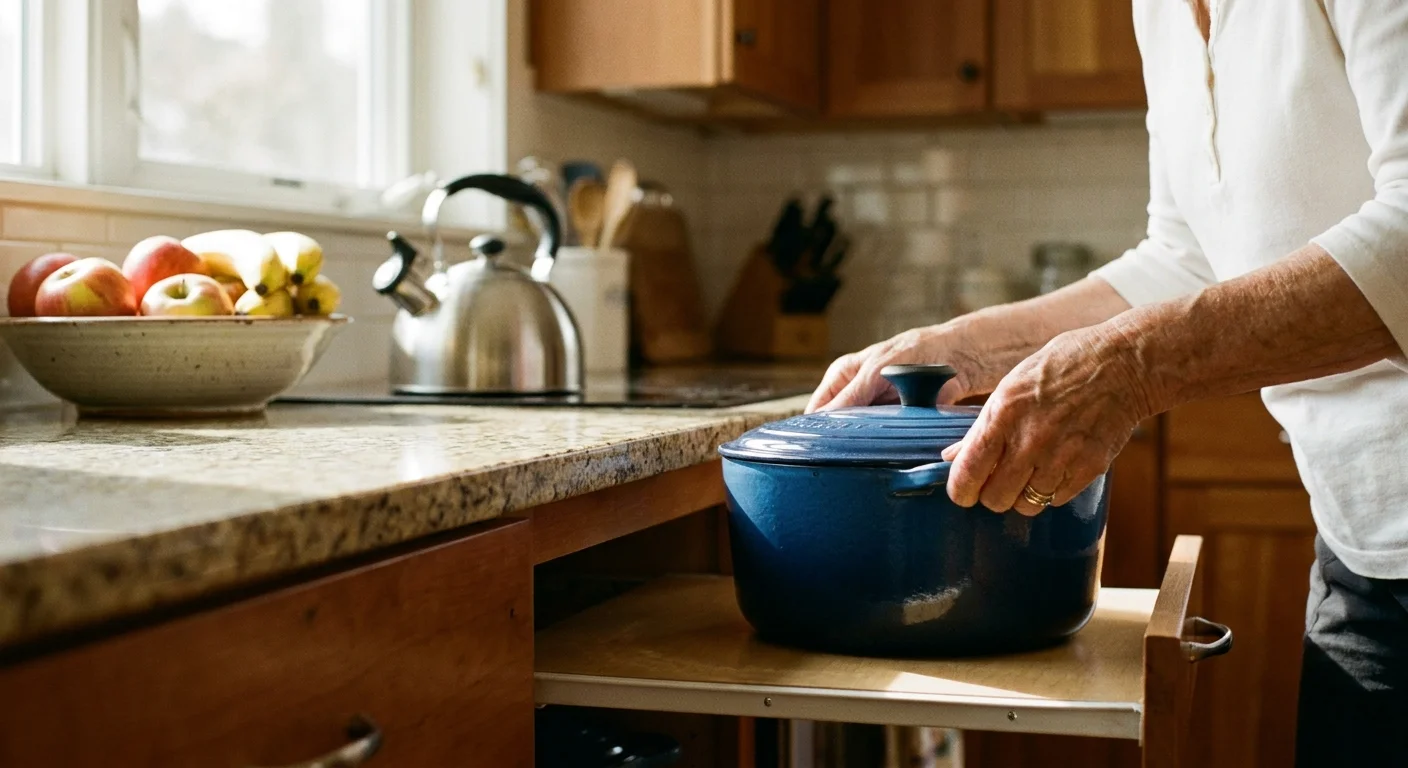
- Apply the waist-to-shoulder rule: Keep the things you use most often—such as daily plates, heavy cast-iron skillets, and your favorite coffee mugs—on the lower shelves positioned around waist level. Reserve high cabinets strictly for lightweight, rarely used items like holiday platters.
- Purge the pantry: Pull everything out of your food cabinets and check the expiration dates. Discard stale crackers, ancient spices, and expired canned goods. Group the remaining similar items together in lightweight, clear plastic bins; this allows you to pull a single bin forward rather than reaching blindly into the dark recesses of a shelf.
- Clear the countertops: Store bulky, infrequent appliances away to free up your counter space. A clear countertop allows you to safely slide a heavy pot of water from the sink to the stove rather than carrying the heavy weight across the kitchen.
04 The Bathroom: Toss Expired Medications and Open Up Space
The combination of water, slick tile floors, and tight spaces makes the bathroom one of the highest-risk zones in any house. Decluttering this room is a vital step for your weekend organizing project.
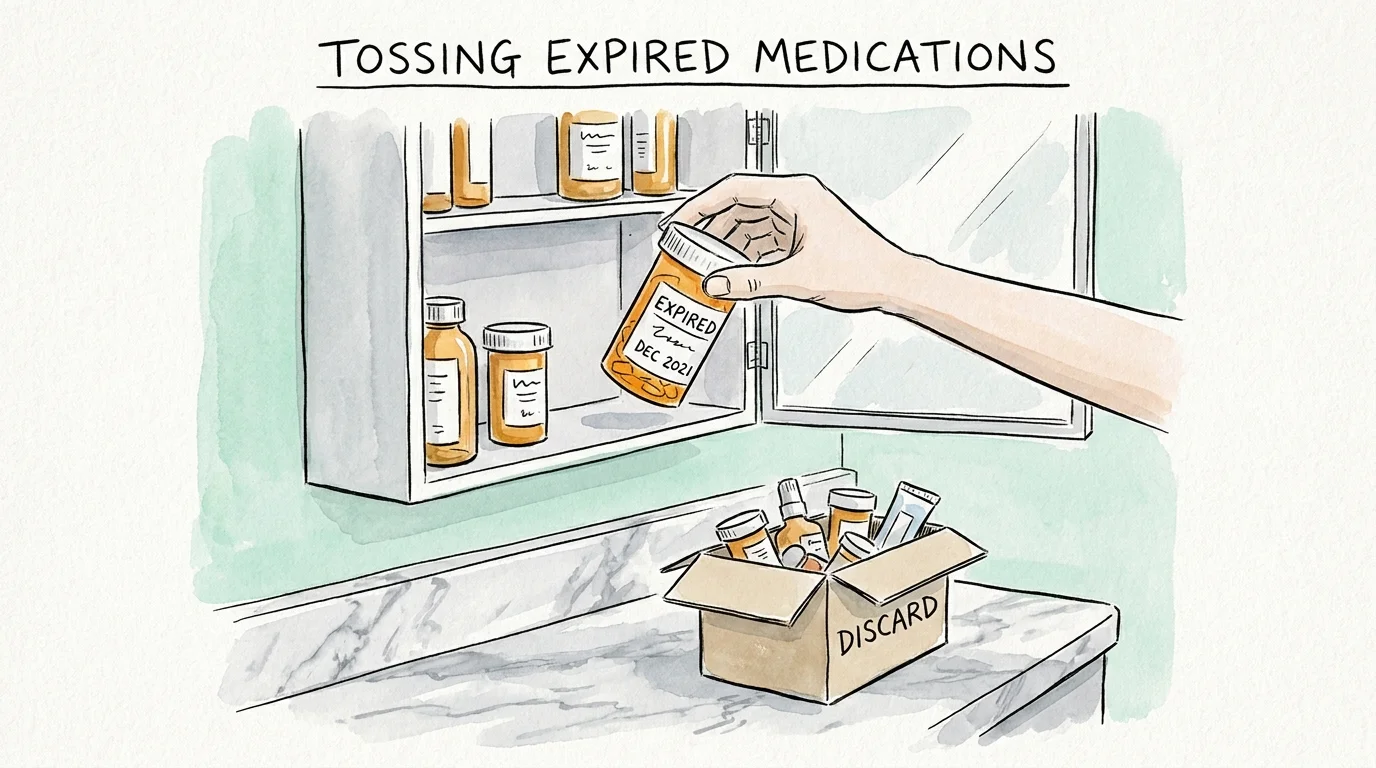
- Dispose of medications safely: Empty your entire medicine cabinet and separate your daily prescriptions from expired or unused pills. The U.S. Food and Drug Administration (FDA) recommends mixing non-flushable, expired drugs with an unappealing substance like dirt, cat litter, or used coffee grounds. Place the mixture in a sealed plastic bag and throw it in your home trash, making sure to scratch out your personal information on the empty bottles. Only flush medications if they are explicitly listed on the FDA’s flush list.
- Clear the shower floor: Shampoo bottles and soaps sitting on the shower floor force you to bend over on a wet, slippery surface. Throw away empty bottles and place the rest in a secure, wall-mounted shower caddy. Keeping the shower walls clear also provides the necessary space to install sturdy grab bars.
- Check your bath mats: Throw away any thin, decorative bath mats that slide easily. Replace them with heavy-duty mats equipped with a thick, non-slip rubber backing.
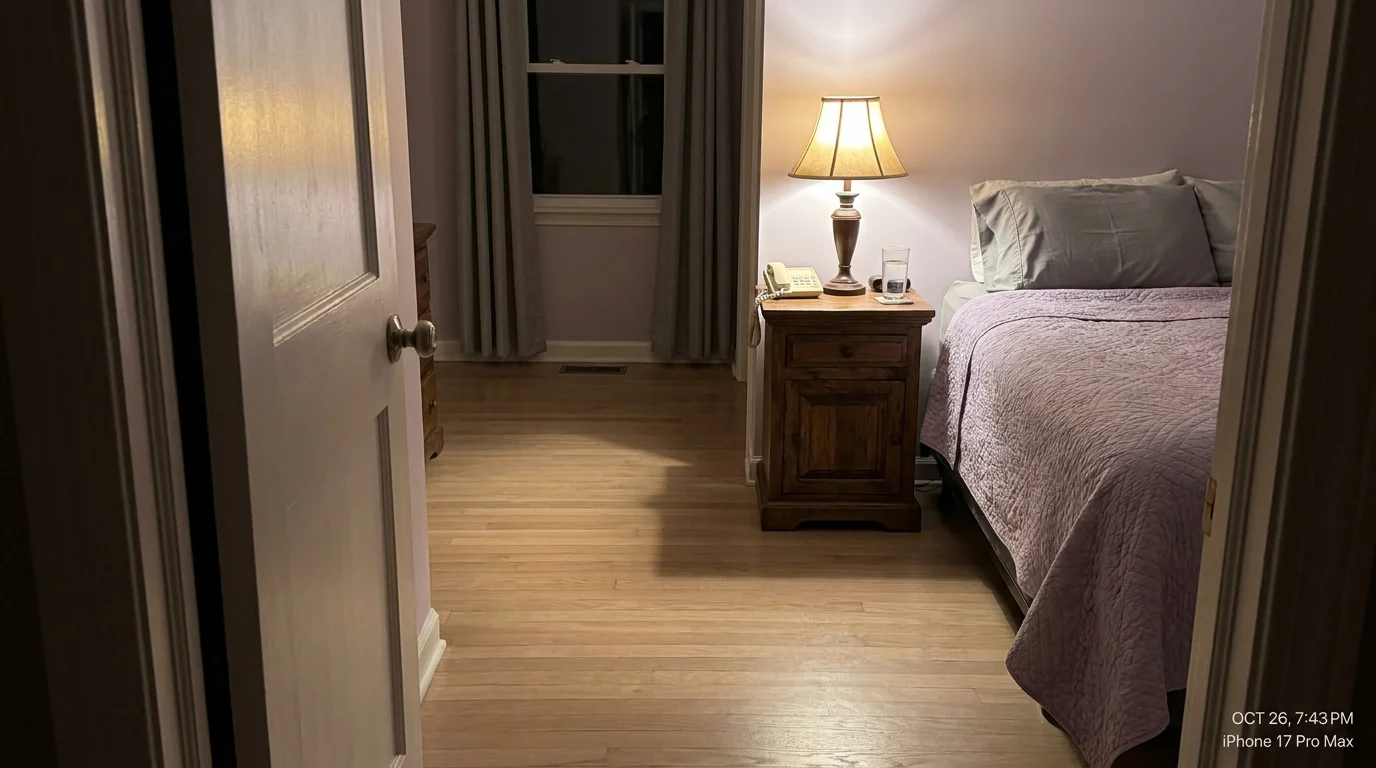
05 The Bedroom: Create a Safe Path for Nighttime
Waking up in the middle of the night to use the restroom is common, but navigating a dark, cluttered bedroom is a recipe for disaster. Your bedroom requires clear, wide paths and easily accessible lighting.
- Secure the midnight path: Clear the direct line of sight from your bed to the bathroom door. Remove laundry baskets, kicked-off shoes, and decorative floor pillows that could catch your foot in the dark. Put in a nightlight so you can clearly see where you are walking.
- Streamline the nightstand: A crowded bedside table increases the chance of knocking a glass of water onto the floor, creating an instant slip hazard. Limit the surface to absolute essentials: a lamp, your glasses, a telephone, and a secure water bottle. Place the lamp close to the bed where it is easy to reach without stretching.
- Manage under-bed storage: If you store items under your bed, ensure they are secured in low-profile bins that do not slide out into your walking path. If boxes are constantly creeping out from beneath the bedskirt, relocate those items to a closet.
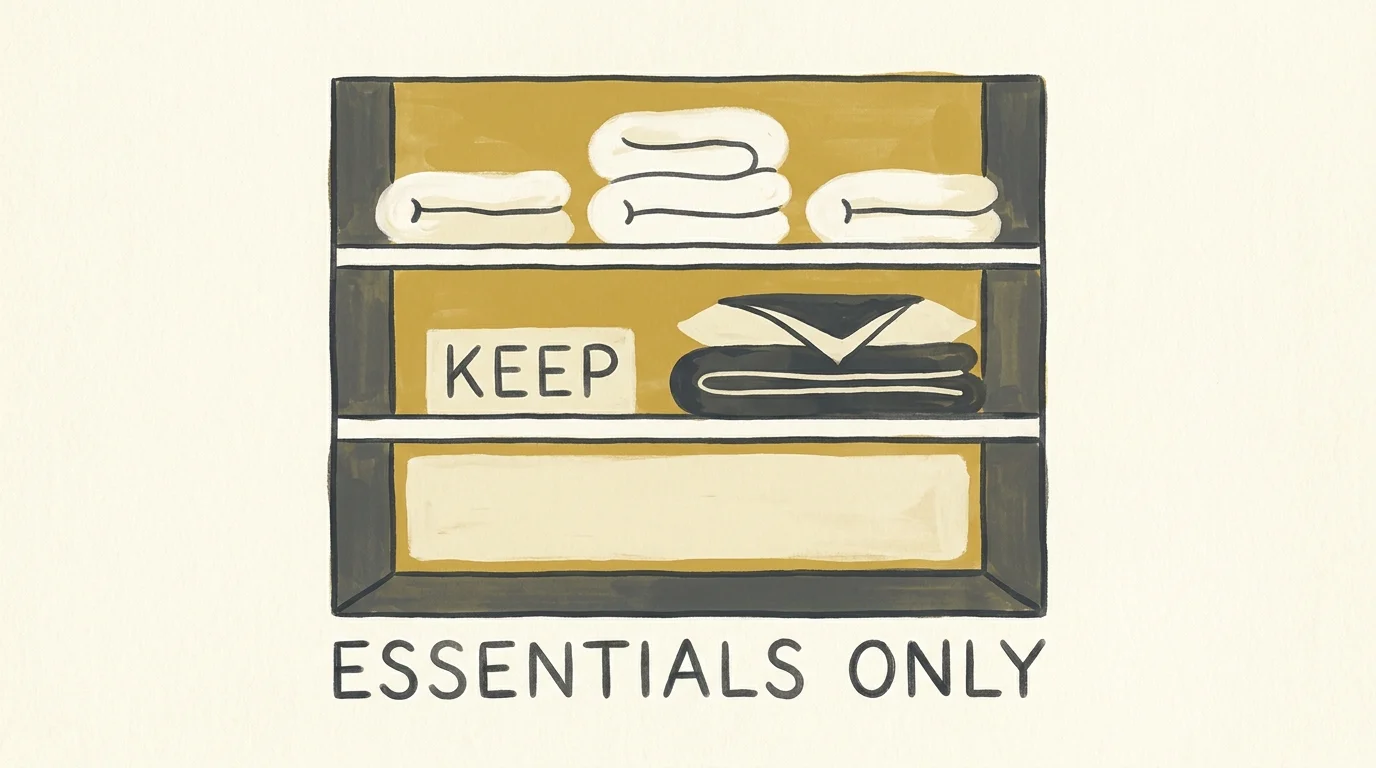
06 The Linen Closet: Keep Only the Essentials
Linen closets often become deep dumping grounds for items that have outlived their usefulness. When shelves are overstuffed, pulling out a single washcloth can cause an avalanche of heavy blankets.
- Count your linens: You do not need to keep twelve sets of sheets for a single guest bed. Pare down your inventory; keep two high-quality sets of sheets per bed and three to four good towels per person.
- Donate the excess safely: Gather up frayed towels, mismatched pillowcases, and scratchy blankets. Local animal shelters are almost always thrilled to accept donations of clean, old towels for bedding and cleaning.
- Reposition the heavy items: Move thick winter quilts and heavy spare pillows to the middle shelves. Storing heavy items on the top shelf forces you to lift weight over your head while balancing, which can easily trigger a fall or a shoulder injury.
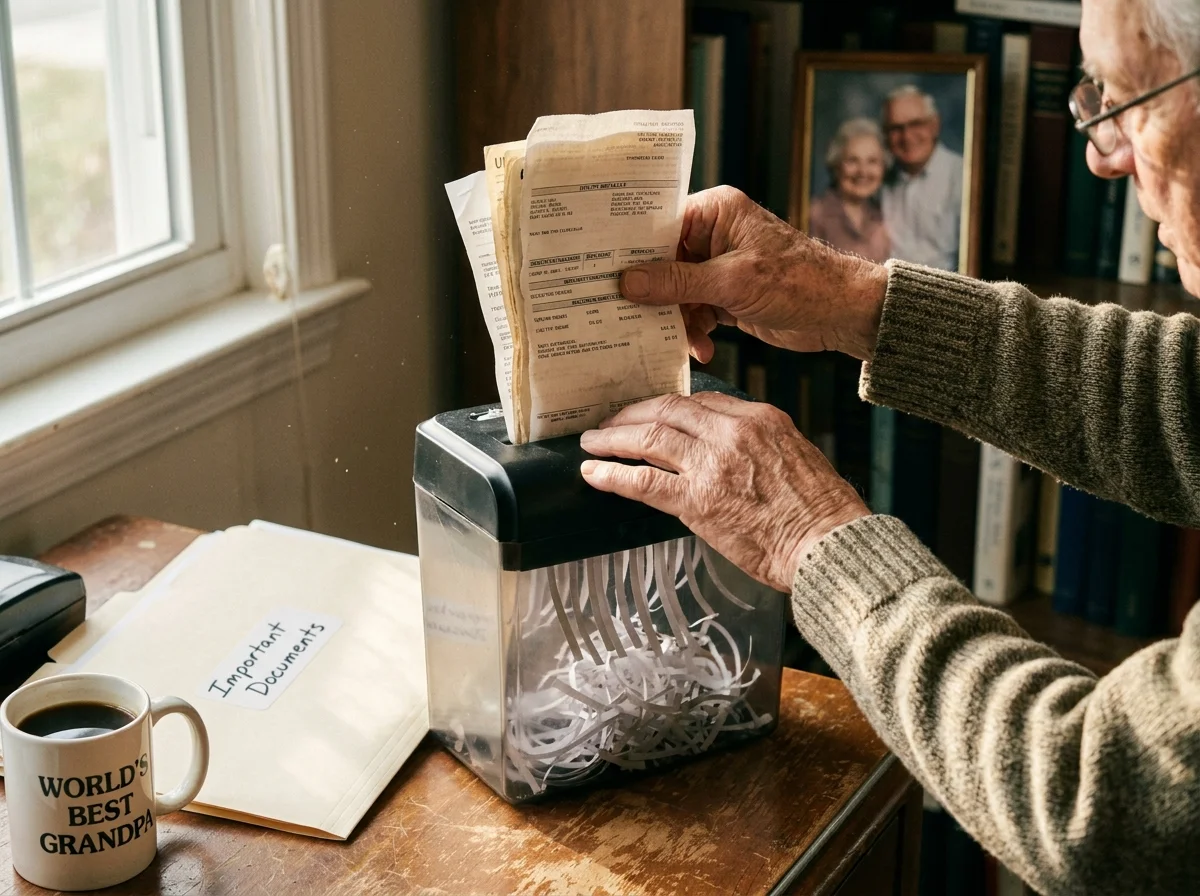
07 The Home Office: Tame the Paper Trail
Decades of living in one home often result in filing cabinets bursting with outdated tax returns, appliance manuals for machines you no longer own, and stacks of junk mail. Sorting this paperwork protects your identity and ensures you can find what you need in an emergency.
- Shred outdated documents: Keep vital, permanent records—like birth certificates, property deeds, and estate plans—in a fireproof lockbox. Gather utility bills older than one year and tax documents older than seven years, and run them through a cross-cut paper shredder to protect your personal information.
- Create an emergency medical binder: Consolidate your active prescription lists, doctor contact numbers, and health insurance information into a single, brightly colored binder. Keep this binder highly visible on your desk so you or a loved one can grab it immediately during a medical emergency.
- Clear your desktop: Remove old pens, empty tape dispensers, and decorative clutter from your main desk surface. A clean workspace makes the daily chore of sorting through the mail much less overwhelming.
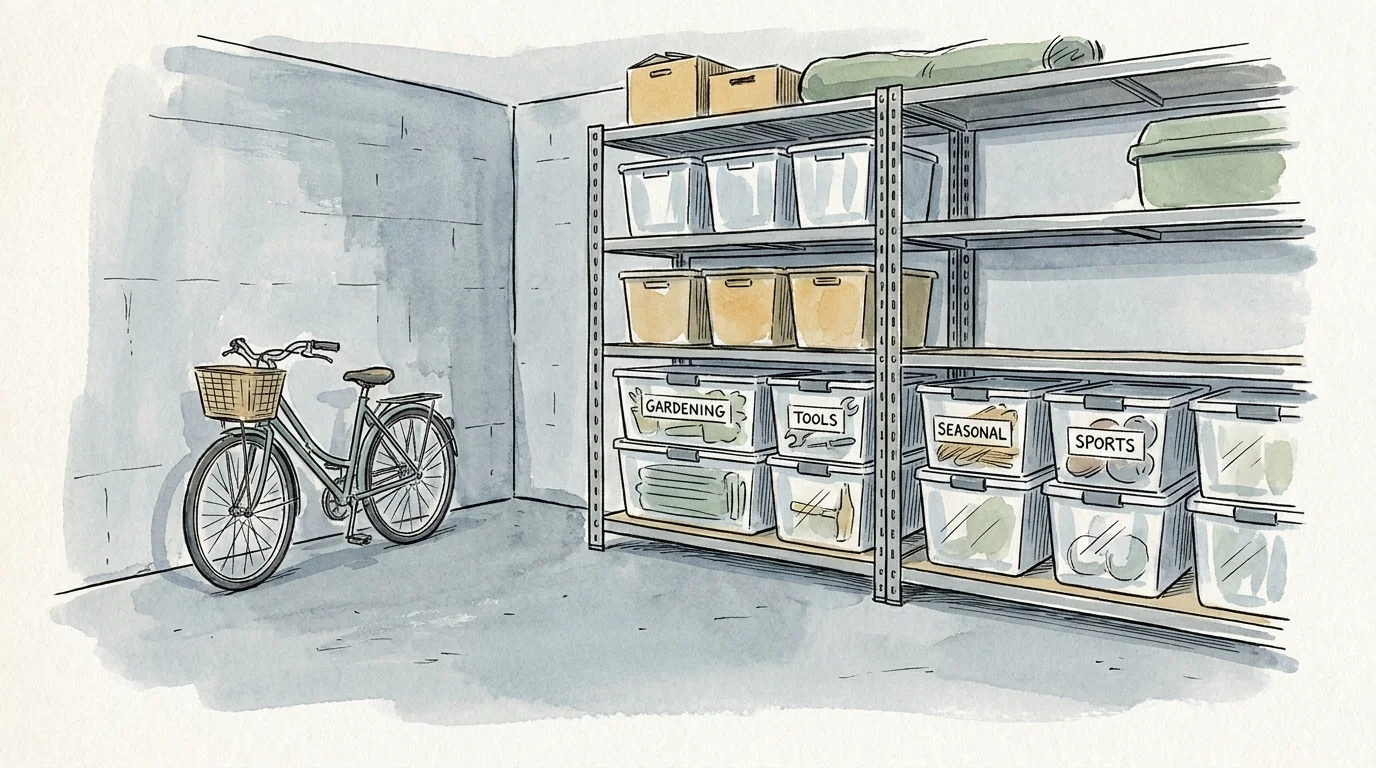
08 The Garage or Utility Room: Clear the Heavy Clutter
While you may not spend every day in the garage or the basement, these spaces house critical home infrastructure. If a pipe bursts or a breaker trips, you need immediate, safe access to these areas.
- Clear access to utility panels: Ensure you have a clear, three-foot-wide walking path to your electrical breaker box, your water heater, and your main water shut-off valve. In a stressful emergency, you should never have to climb over boxes of holiday decorations to shut off the water.
- Dispose of hazardous materials: Old paint cans, dried-up motor oil, and expired lawn chemicals degrade over time and can become severe fire hazards. Check your local county government website for the next hazardous waste drop-off day and securely remove these chemicals from your property.
- Secure long-handled tools: Rakes, snow shovels, and brooms leaned casually into a corner easily slide down and cause a trip hazard. Install sturdy wall hooks or a pegboard system to keep these tools locked vertically against the wall.
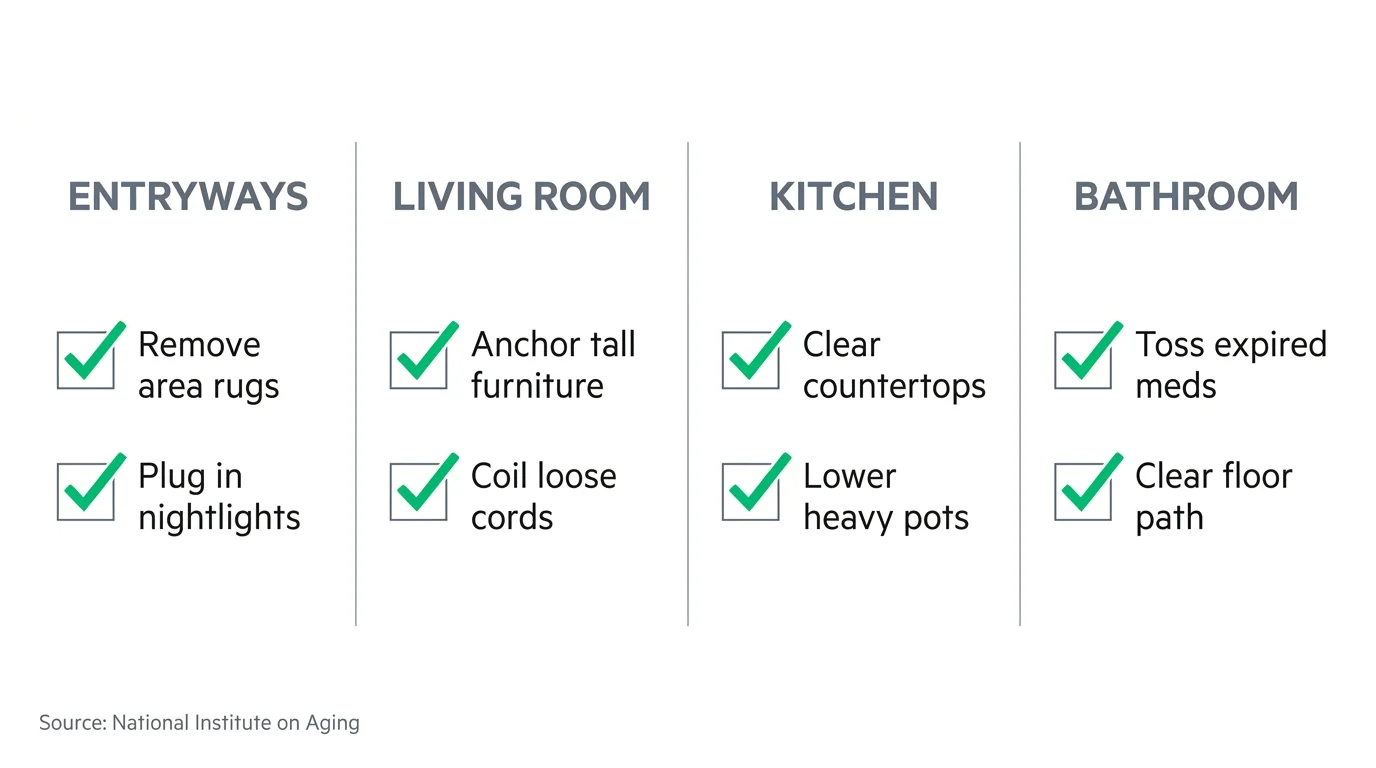
Weekend Decluttering Checklist for Safety and Accessibility
Use this quick reference guide to keep your momentum going as you move from room to room this weekend. Focus on eliminating the most immediate hazards first.
| Room | Primary Hazard | Immediate Action Step | Safety Benefit |
|---|---|---|---|
| Entryway & Hallway | Loose area rugs and dark corridors | Remove throw rugs and install motion-sensor baseboard nightlights. | Eliminates tripping and provides safe navigation at night. |
| Living Room | Trailing electrical cords | Tape extension and lamp cords flat against the baseboards. | Removes hidden snag hazards that cause unexpected falls. |
| Kitchen | Heavy items on high shelves | Move cast-iron pans and daily plates to waist-level shelves. | Prevents dizziness, shoulder strain, and dangerous overhead lifting. |
| Bathroom | Expired, unused medications | Mix pills with coffee grounds in a sealed bag and throw in the trash. | Prevents accidental ingestion and clears shelf space. |
| Bedroom | Floor clutter near the bed | Clear a wide, completely empty path from the bed to the door. | Ensures safe, obstacle-free trips to the restroom at night. |
Your Practical Next Step
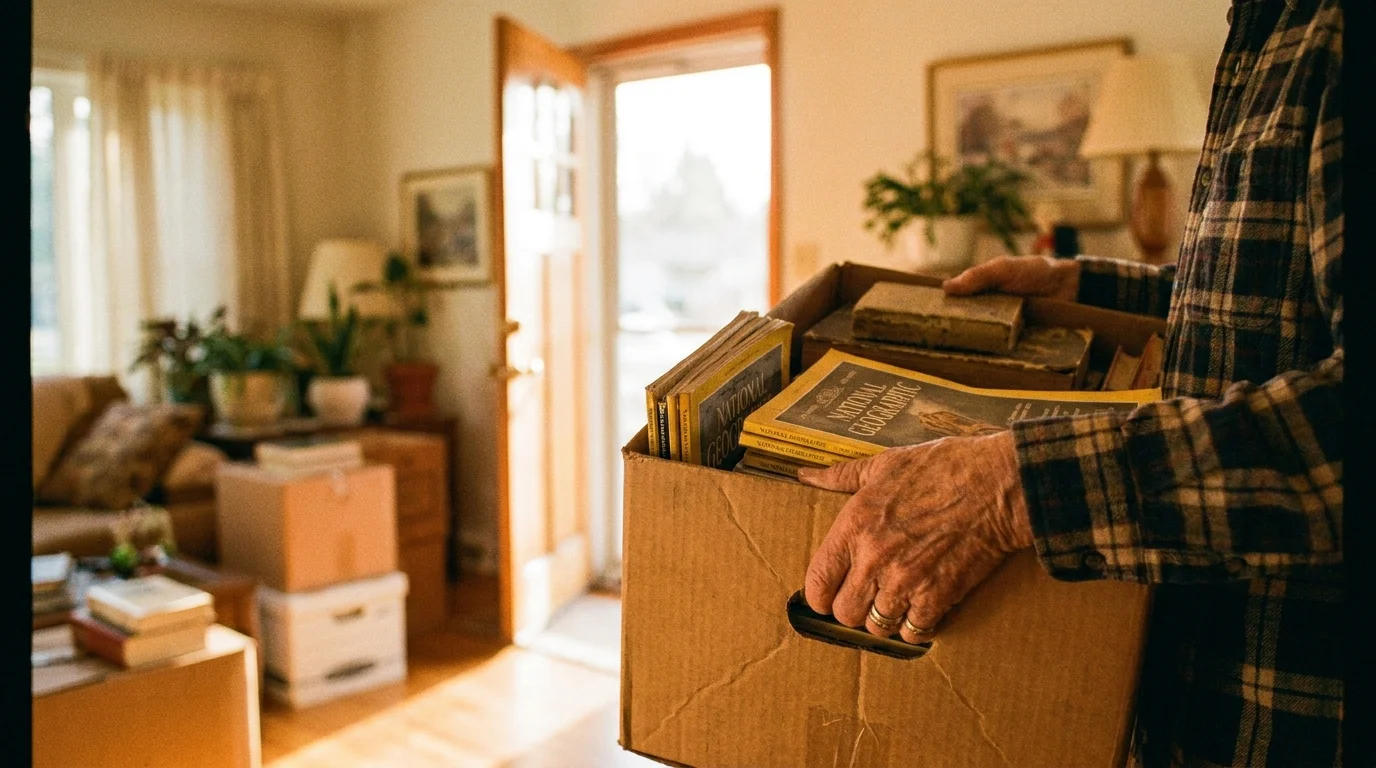
Do not let the idea of a whole-house clean out overwhelm you. Grab a single trash bag, a sturdy donation box, and set a timer for just twenty minutes. Start with your bathroom medicine cabinet; it is a small, contained space where you can quickly toss expired items and see immediate, highly satisfying results. Once that cabinet is clear, you will have the momentum and confidence to tackle the next room on your list.